
The vast expanse of the world’s oceans is a testament to the intricate web of global trade, with immense vessels tirelessly traversing continents, carrying the lifeblood of economies. These behemoths of the sea, essential for transporting goods and fostering international commerce, eventually reach the end of their operational lives. The process of decommissioning these ships, known as ship recycling, presents a critical junction where the principles of global trade intersect with the imperative of environmental and social sustainability. Historically, this process has been fraught with challenges, leading to significant environmental degradation and hazardous working conditions. However, a growing awareness and evolving international regulations are driving a shift towards more responsible and sustainable ship recycling practices, reshaping the future of this vital, albeit often overlooked, industry.
The modern global economy is inextricably linked to maritime transport. A staggering percentage of international trade, by volume, relies on ships to move raw materials, manufactured goods, and finished products across vast distances. This reliance fuels economic growth, creates jobs, and connects markets in ways that were unimaginable just a few decades ago. The sheer scale of this operation necessitates a constant flux of vessels, with new ships being built to meet demand while older ones are retired.
The Scale and Economic Impact of Global Shipping
The global shipping industry is a multi-trillion-dollar enterprise. The International Maritime Organization (IMO) estimates that over 10 billion tonnes of cargo are transported annually by sea. This colossal movement of goods underpins the supply chains of virtually every industry, from agriculture and energy to electronics and fashion. The economic impact extends beyond the direct shipping operations, influencing shipbuilding, port infrastructure, logistics, and a myriad of related services. The dynamism of this sector means that a continuous cycle of construction and demolition is inherent to its operation.
The Lifespan of a Commercial Vessel
Commercial vessels, designed for endurance and efficiency, have a finite operational lifespan, typically ranging from 20 to 30 years. Factors such as technological advancements, evolving cargo demands, stricter environmental regulations, and the sheer wear and tear of constant maritime service dictate when a ship becomes economically unviable or operationally obsolete. The decision to recycle a vessel marks the end of its active service and initiates a new phase in its material lifecycle.
The Interplay Between Trade and Recycling Needs
The continuous demand for new shipping capacity, driven by global trade expansion, inevitably leads to a corresponding increase in the number of vessels reaching their end-of-life. As new, more efficient, and environmentally compliant ships are commissioned, older vessels are retired from active service. This creates a consistent flow of ships needing to be recycled, making ship recycling a crucial, though often challenging, component of the global maritime ecosystem. The volume of trade directly influences the volume of ships that will eventually require recycling.
In the context of global trade and its environmental implications, the ship recycling industry plays a crucial role in ensuring sustainable practices. A related article that delves into the complexities of ship recycling and its impact on global trade can be found at My Geo Quest. This resource provides valuable insights into the challenges and opportunities within the ship recycling sector, highlighting the need for stricter regulations and innovative solutions to minimize environmental harm while supporting international commerce.
The Harsh Realities of Traditional Ship Recycling
For decades, the prevailing model of ship recycling was characterized by a race to the bottom, driven by cost considerations rather than ethical or environmental ones. This led to a concentration of recycling activities in developing nations, where lax regulations and a lack of oversight allowed for practices that were detrimental to both human health and the environment. The consequences of these practices have been severe and long-lasting.
The ‘Cradle to Grave’ Concept in Maritime Shipping
The concept of ‘cradle to grave’ responsibility for ships is a critical consideration in sustainable maritime practices. Traditionally, this responsibility was often truncated once a vessel was sold for demolition, with the buyer bearing the brunt of the recycling process, often with little regard for its ultimate impact. This fragmented approach allowed for the circumvention of responsibility by shipowners and charterers, contributing to the unsustainable practices observed in many recycling yards.
The Geographical Concentration of Recycling Operations
A significant portion of global ship recycling has historically taken place in a few specific regions, most notably in South Asia, including countries like India, Bangladesh, Pakistan, and Turkey. This concentration was largely driven by the availability of cheap labor and the perceived lower cost of operations. However, these yards often lacked the necessary infrastructure and safety measures to handle the complex and hazardous materials present in decommissioned vessels.
Hazardous Materials and Environmental Contamination
Ships are complex structures containing a multitude of hazardous materials. These include, but are not limited to, asbestos, heavy metals (such as lead and mercury), persistent organic pollutants (POPs) like PCBs, and large quantities of hazardous waste oils. When ships are dismantled without proper containment and disposal procedures, these substances can be released into the environment, contaminating soil, water, and air. This contamination poses severe risks to both marine and terrestrial ecosystems, as well as to human health in the surrounding communities.
The Human Cost: Exploitation and Unsafe Working Conditions
The human cost of unsustainable ship recycling practices is perhaps the most alarming. Workers in many recycling yards operate in extremely dangerous conditions, lacking basic safety equipment such as protective clothing, respirators, and safety harnesses. They are often exposed to toxic fumes, heavy metals, and the inherent risks associated with dismantling massive steel structures. Accidents, including severe injuries and fatalities, are tragically common. Furthermore, the labor force is often composed of migrant workers or individuals from vulnerable communities, who are susceptible to exploitation and are often denied fair wages and adequate working hours.
Towards a Sustainable Future: The Rise of Green Ship Recycling
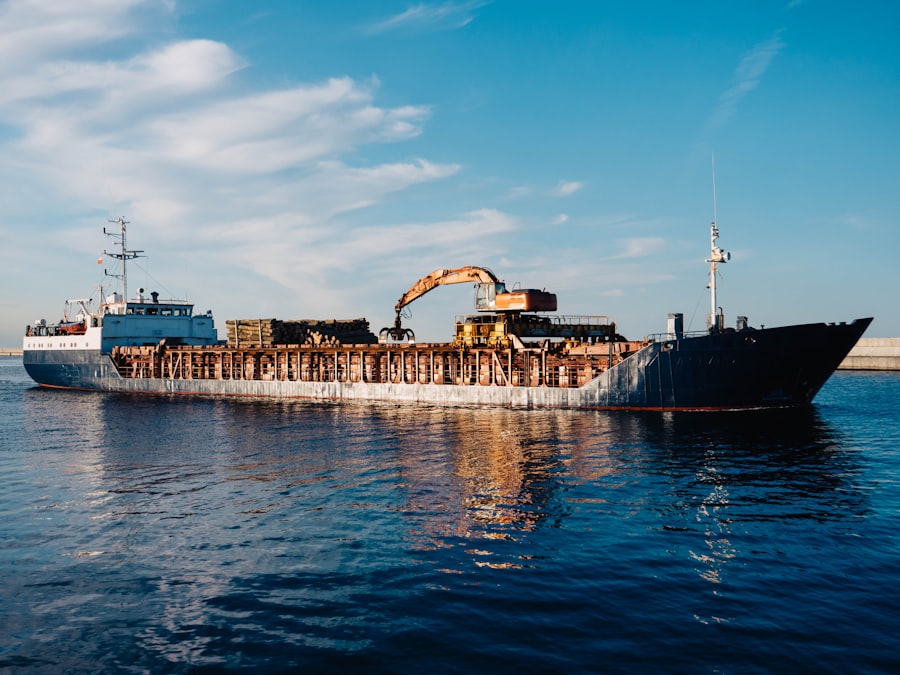
The growing recognition of the environmental and social harms associated with traditional ship recycling has spurred a global movement towards greener, safer, and more responsible practices. This shift is being driven by a confluence of factors, including increased public awareness, pressure from environmental organizations, and the development of international regulations and standards. The concept of “green ship recycling” is gaining traction, aiming to minimize the environmental footprint and maximize the welfare of workers involved in the process.
International Regulations and Conventions
The International Maritime Organization (IMO) has played a pivotal role in establishing frameworks for sustainable ship recycling. The Hong Kong Convention for Safe and Environmentally Sound Recycling of Ships, adopted in 2009, is a landmark international treaty designed to address the issues associated with ship recycling. While not yet fully ratified by all major maritime nations, it provides a global standard for ship recycling facilities and for the safe and environmentally sound management of ships.
The Hong Kong Convention: A Global Standard
The Hong Kong Convention aims to ensure that ships are dismantled in a way that does not create undue risk to human health or the environment. It establishes requirements for the design, construction, operation, and dismantling of ships, as well as for ship recycling facilities. The convention mandates the development of an inventory of hazardous materials on board each ship and sets standards for the safe removal and disposal of these materials. Its successful implementation is crucial for achieving global sustainability in ship recycling.
The European Union’s Ship Recycling Regulation
The European Union has taken a proactive stance on ship recycling through its Ship Recycling Regulation (SRR). This regulation, which entered into force in 2013, aims to ensure that EU-flagged ships are recycled in facilities that meet high environmental and safety standards, and that these practices are applied to ships destined for recycling from EU ports. The SRR requires ships to carry an Inventory of Hazardous Materials (IHM) and mandates that recycling facilities must be authorized by the EU.
The Role of Shipowners and Operators
Shipowners and operators are increasingly recognizing their responsibility for the entire lifecycle of their vessels, including their recycling. Many are proactively seeking out recycling yards that adhere to higher environmental and safety standards, even if it incurs a slightly higher cost. This conscious decision-making by industry leaders is a significant driver of change.
Corporate Social Responsibility (CSR) in Shipping
CSR initiatives are becoming more prominent in the shipping industry. Companies are integrating sustainability into their business strategies, which includes ensuring that their end-of-life vessels are recycled responsibly. This commitment goes beyond mere compliance with regulations and reflects a genuine desire to minimize negative impacts and contribute to a more sustainable maritime sector.
Responsible Ship Recycling Agreements
Some progressive shipowners are entering into “responsible ship recycling agreements” with specific recycling facilities that have been vetted for their environmental and safety performance. These agreements provide greater assurance that the recycling process will be conducted in accordance with international best practices.
The Development of Green Recycling Technologies and Facilities
The push for sustainability has also led to innovation in ship recycling technologies and the development of purpose-built green recycling facilities. These facilities are designed with advanced infrastructure for safe dismantling, waste management, and pollution control.
State-of-the-Art Recycling Yards
New recycling yards are emerging that are specifically designed to meet the rigorous standards of green ship recycling. These facilities incorporate features such as impermeable flooring, containment systems for hazardous materials, advanced wastewater treatment, and specialized equipment for safe dismantling. They also prioritize worker safety with comprehensive training programs and provision of adequate personal protective equipment.
Advanced Waste Management and Material Recovery
Green recycling facilities emphasize the importance of responsible waste management. This includes the proper segregation, treatment, and disposal of hazardous materials, as well as the maximization of material recovery. Metals, such as steel and copper, are often recycled and reused, reducing the demand for virgin materials and contributing to a circular economy.
The Economic and Environmental Benefits of Sustainable Recycling

The transition to sustainable ship recycling is not merely an ethical imperative; it also offers significant economic and environmental advantages. While initial investments in greener practices might appear higher, the long-term benefits are substantial, fostering a more resilient and responsible industry.
Reduced Environmental Impact and Pollution Control
Sustainable ship recycling dramatically reduces the release of hazardous substances into the environment. By implementing proper containment and disposal methods, the contamination of soil, water, and air is minimized. This protects marine ecosystems, preserves biodiversity, and safeguards the health of coastal communities. The prevention of pollution is a fundamental aspect of environmental stewardship.
Enhanced Worker Safety and Improved Social Conditions
The paramount benefit of green ship recycling is the significantly improved safety and working conditions for the individuals involved. Adherence to international standards ensures that workers are provided with proper training, protective gear, and a safe working environment, thereby reducing accidents, injuries, and fatalities. This elevates the social standing of the recycling workforce and promotes fair labor practices.
Resource Recovery and the Circular Economy
Sustainable recycling practices prioritize the recovery of valuable materials from decommissioned vessels. Metals, such as steel, aluminum, and copper, can be efficiently salvaged and recycled, reducing the reliance on primary resource extraction. This contributes to a more circular economy, where materials are reused and repurposed, minimizing waste and conserving natural resources.
Economic Opportunities and Fair Competition
The development of green ship recycling facilities can create new economic opportunities in regions that invest in these capabilities. It also fosters a more level playing field by discouraging unfair competition based on exploitative labor practices and environmental negligence. Countries that embrace sustainable recycling can attract business and build a reputation for responsible operations.
In the context of global trade, the issue of ship recycling has gained significant attention due to its environmental implications and economic potential. A recent article discusses the challenges and opportunities within this sector, highlighting the need for sustainable practices in ship dismantling. For more insights on this topic, you can read the full article here: global trade and ship recycling. This resource provides a comprehensive overview of how the shipping industry can adapt to meet both regulatory requirements and environmental standards.
Challenges and the Path Forward
| Year | Global Trade Volume (in million tons) | Number of Ships Recycled |
|---|---|---|
| 2015 | 10,000 | 1,200 |
| 2016 | 10,500 | 1,150 |
| 2017 | 11,000 | 1,300 |
| 2018 | 11,500 | 1,400 |
| 2019 | 12,000 | 1,250 |
Despite the progress made, the journey towards fully sustainable global ship recycling remains a complex undertaking, fraught with various challenges. Addressing these obstacles is crucial for ensuring that the benefits of responsible practices are realized universally.
Challenges to Global Implementation
The Enforcement Gap and Lack of Universal Ratification
A significant challenge is the inconsistent enforcement of existing regulations and the fact that not all major maritime nations have ratified key international conventions like the Hong Kong Convention. This creates loopholes and allows for the continuation of unsustainable practices in certain regions. Bridging this enforcement gap and encouraging universal ratification are critical steps.
Economic Disparities and Cost Pressures
The economic disparities between developed and developing nations can create pressure to continue with lower-cost, albeit less sustainable, recycling methods. Shipowners may still be tempted to sell their vessels to yards that offer the lowest prices, regardless of their environmental and safety records. Finding ways to make sustainable recycling economically viable and competitive is essential.
Lack of Transparency and Data Availability
A lack of transparency in the ship recycling market and insufficient reliable data on the practices of various recycling yards make it difficult to monitor progress and hold actors accountable. Greater transparency in the selling and dismantling process is needed to identify and address problem areas.
The Need for Capacity Building and Investment
Many developing nations that historically served as major ship recycling hubs require significant investment and capacity building to upgrade their facilities and training programs to meet international sustainability standards. This requires financial assistance, technological transfer, and expertise sharing.
The Way Forward: Collaborative Efforts and Continuous Improvement
The path forward requires a multi-faceted approach involving collaboration among all stakeholders, continuous improvement of regulations and technologies, and a sustained commitment to sustainability.
Enhanced International Cooperation and Enforcement
Strengthening international cooperation among governments, industry bodies, and environmental organizations is vital. This includes robust monitoring and enforcement mechanisms to ensure compliance with regulations. Collective action is needed to close regulatory gaps and prevent the movement of ships to substandard yards.
Incentivizing Sustainable Practices
Developing economic incentives for shipowners and operators to choose green recycling yards is crucial. This could include preferential port access, insurance benefits, or financial support for responsible recycling. Governments can also play a role through tax incentives or subsidies for companies that invest in sustainable practices.
Public Awareness and Stakeholder Engagement
Raising public awareness about the importance of sustainable ship recycling can create greater pressure on the industry to adopt responsible practices. Engaging with all stakeholders, including environmental groups, labor unions, and local communities, is essential for building consensus and ensuring that the needs of all parties are considered.
Technological Innovation and Research
Continued investment in research and development of new technologies for safe dismantling, hazardous material identification and removal, and waste management will further enhance the sustainability of ship recycling. Sharing best practices and innovations across the industry is also important.
Conclusion
The intersection of global trade and sustainable ship recycling represents a critical frontier in the pursuit of a more responsible and environmentally conscious maritime industry. The immense scale of global commerce necessitates a continuous cycle of vessel renewal, and how these decommissioned ships are handled has profound implications for the planet and its people. The legacy of unsustainable practices, marked by environmental degradation and human exploitation, is gradually being replaced by a growing commitment to greener, safer, and more ethical approaches. International regulations, the proactive stance of responsible shipowners, and advancements in recycling technologies are all driving this positive transformation.
While challenges persist, including the need for universal ratification of conventions, economic equity, and enhanced transparency, the path forward is clear. It demands unwavering international cooperation, robust enforcement, smart economic incentives, and a sustained dedication to innovation and continuous improvement. By embracing the principles of green ship recycling, the global maritime community can ensure that the end-of-life of these vital vessels contributes not to environmental harm or social injustice, but to the sustainable utilization of resources and the protection of our planet for future generations. The journey towards truly sustainable ship recycling is ongoing, but the commitment to its realization is a testament to the evolving conscience of global commerce.

The Beaches Global Trade Can’t Afford to Lose
FAQs
What is global trade?
Global trade refers to the exchange of goods and services between countries across international borders. It involves the import and export of products and plays a significant role in the global economy.
What is ship recycling?
Ship recycling, also known as ship breaking, is the process of dismantling old or decommissioned ships to recover valuable materials such as steel, copper, and aluminum. This process is often carried out in developing countries where labor and environmental regulations may be less stringent.
How does global trade impact ship recycling?
Global trade impacts ship recycling as it determines the demand for new ships and the subsequent disposal of old ships. Changes in global trade patterns can influence the volume of ships being recycled and the locations where ship recycling activities take place.
What are the environmental concerns associated with ship recycling?
Ship recycling can pose environmental concerns due to the release of hazardous materials such as asbestos, lead, and oil into the surrounding environment. Improper disposal of these materials can lead to pollution and harm to ecosystems and human health.
What are the regulations governing ship recycling?
The International Maritime Organization (IMO) has developed the Hong Kong International Convention for the Safe and Environmentally Sound Recycling of Ships to regulate ship recycling activities. This convention aims to ensure that ship recycling is carried out in a safe and environmentally friendly manner.