Shipbreaking in South Asia: A Sustainable Future
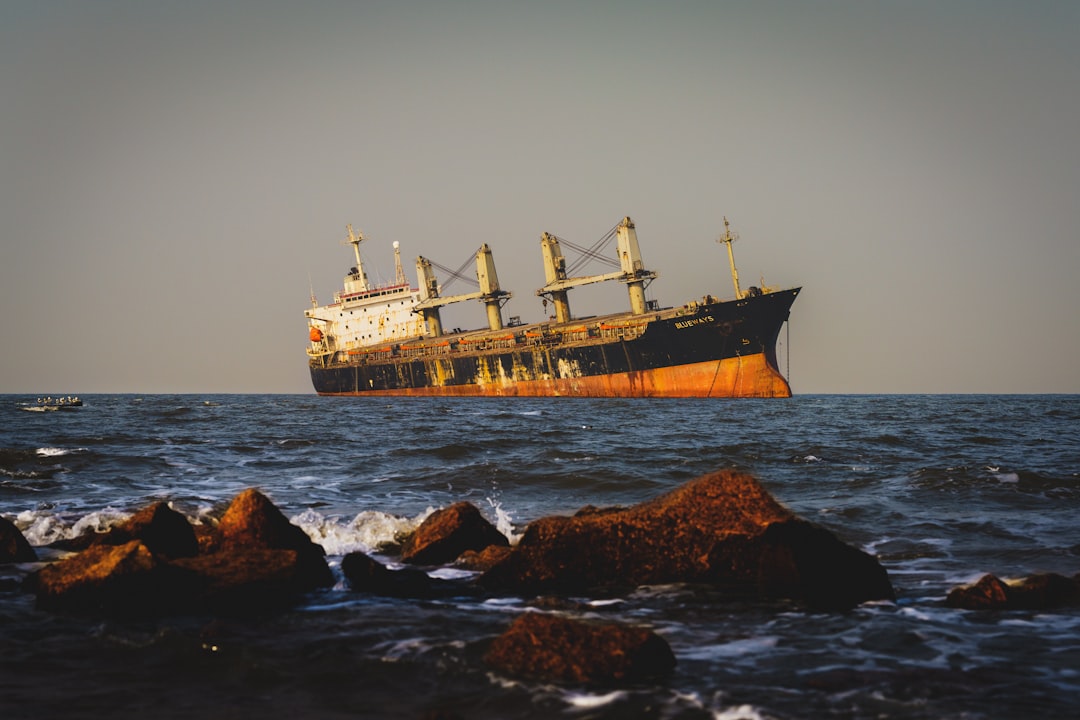
The immense leviathans of the sea, once symbols of global commerce and exploration, eventually meet their end. For decades, South Asia has been a global hub for shipbreaking, where retired vessels are meticulously dismantled by hand for their valuable materials. This labor-intensive industry, primarily concentrated in Bangladesh, India, and Pakistan, has historically provided employment for millions, contributing significantly to national economies. However, the sector has also been plagued by severe environmental concerns and worker safety issues, casting a long shadow over its future. The question that looms large is whether shipbreaking in South Asia can truly evolve into a sustainable industry, balancing economic benefits with ecological responsibility and human well-being.
The economic significance of shipbreaking in South Asia cannot be overstated. It represents a vital source of foreign exchange, employment, and raw materials for a developing region. Yet, this economic engine runs on the backs of a workforce that often operates in hazardous conditions.
A Lifeline for Local Economies
- Job Creation and Poverty Alleviation: Shipbreaking yards are massive enterprises, employing tens of thousands directly and many more indirectly through ancillary businesses like transportation, catering, and tool manufacturing. For many in coastal communities, shipbreaking offers a rare opportunity for consistent employment, lifting families out of extreme poverty. The dismantling process requires a vast labor force for tasks ranging from cutting steel to removing hazardous materials, a stark contrast to the highly automated processes in developed nations.
- Contribution to National GDP: The sheer volume of steel and other recyclable materials salvaged from decommissioned vessels contributes substantially to the national gross domestic product (GDP) of countries like Bangladesh and India. This salvaged metal is a critical input for domestic industries, reducing reliance on imported steel and saving valuable foreign currency. The ability to reuse materials locally also has inherent environmental benefits compared to the energy-intensive process of primary metal production.
- Skill Development and Entrepreneurship: While often informal, the shipbreaking sector fosters a unique set of skills. Workers develop expertise in welding, cutting, rigging, and hazardous material handling. This can lead to opportunities for entrepreneurship, with individuals setting up smaller businesses to process salvaged materials or provide specialized services within the larger yards.
The Perils of the Industry
- Unsafe Working Conditions: The most damning indictment of the traditional shipbreaking model is its abysmal safety record. Workers, often lacking proper protective gear and training, are exposed to a multitude of hazards. They work at extreme heights, on slippery decks, and in confined spaces. The risk of falling, electrocution, and injuries from heavy machinery is ever-present.
- Exposure to Hazardous Materials: Ships, particularly older ones, are veritable floating repositories of hazardous substances. Asbestos, lead paint, polychlorinated biphenyls (PCBs), and other toxic chemicals pose severe long-term health risks to workers. Inhalation of airborne particles and direct skin contact can lead to respiratory diseases, cancers, and neurological damage. The inadequate disposal of these materials further contaminates the surrounding environment.
- Child Labor and Exploitation: In some instances, the desperation for income has led to the abhorrent practice of child labor within the shipbreaking industry. Young children, often drawn into the yards by family members, perform dangerous tasks, forfeiting their education and their childhoods, and facing immense health risks. While efforts are being made to eradicate this, it remains a persistent challenge.
The future of shipbreaking in South Asia is a topic of increasing importance as environmental regulations tighten and the demand for sustainable practices grows. An insightful article that delves into this subject can be found on MyGeoQuest, which explores the challenges and opportunities facing the shipbreaking industry in countries like Bangladesh and India. For a comprehensive analysis, you can read the article here: Future of Shipbreaking in South Asia.
Environmental Repercussions of Traditional Practices
The environmental footprint of shipbreaking, especially when conducted with outdated methods, is significant and far-reaching, impacting both marine and terrestrial ecosystems.
Marine Pollution and Ecosystem Degradation
- Oil Spills and Contamination: Before being towed to shipbreaking yards, vessels often retain residual oil, fuel, and lubricants. During the dismantling process, these substances can leak into the surrounding waters, causing devastating oil spills. These spills not only kill marine life but also contaminate coastlines, affecting fishing grounds and tourism. The sheer scale of some of these leaks can overwhelm natural recovery processes.
- Discharge of Toxic Waste: The dismantling of ships inevitably generates waste, including heavy metals, paints, solvents, and other hazardous chemicals. Without proper containment and treatment facilities, these wastes are often dumped directly into the sea or seep into the groundwater, poisoning marine ecosystems and posing a threat to human health through the consumption of contaminated seafood. The accumulation of heavy metals in the marine food chain is a particular concern.
- Destruction of Coastal Habitats: The establishment and expansion of shipbreaking yards often involve the reclamation of coastal land, leading to the destruction of vital mangrove forests and other sensitive intertidal habitats. These habitats are crucial nurseries for many marine species, protect coastlines from erosion and storm surges, and play a significant role in carbon sequestration. Their loss has cascading negative effects on biodiversity and coastal resilience.
Land and Air Pollution
- Soil Contamination: Hazardous materials that are not properly managed can leach into the soil surrounding the shipbreaking yards, rendering the land infertile and posing risks to local communities. The accumulation of heavy metals and chemical residues can persist for decades, making remediation a complex and costly undertaking.
- Airborne Contaminants: The cutting and burning of metal release particulate matter and toxic fumes into the atmosphere. Asbestos fibers, lead dust, and other harmful substances can be carried by the wind, impacting the air quality for miles around. This contributes to respiratory problems and other health issues in nearby populations. The constant noise pollution from the heavy machinery also adds to the environmental burden.
The Path Towards a Sustainable Future
Recognizing the multifaceted challenges, a paradigm shift is underway, driven by international conventions, national regulations, and the growing awareness of corporate social responsibility. The pursuit of sustainability in shipbreaking is not merely an ethical imperative but an economic necessity for the long-term viability of the industry.
The future of shipbreaking in South Asia is a topic of growing importance as environmental concerns and labor rights come to the forefront. A recent article discusses the challenges and opportunities facing this industry, highlighting the need for sustainable practices and better regulations. For more insights on this evolving landscape, you can read the full article here: future of shipbreaking. As the demand for greener solutions increases, stakeholders must adapt to ensure that shipbreaking can continue to provide economic benefits while minimizing its ecological impact.
Adherence to International Standards and Regulations
- The Hong Kong Convention: The International Maritime Organization’s (IMO) Hong Kong International Convention for the Safe and Environmentally Sound Recycling of Ships (the Hong Kong Convention) is a landmark agreement aiming to establish global standards for ship recycling. Once ratified by a sufficient number of states, it will mandate ships to be designed and operated in a way that facilitates safe and environmentally sound recycling. This includes requiring ships to carry an inventory of hazardous materials and shipbreaking facilities to be certified.
- National Legislation and Enforcement: For the Hong Kong Convention to be effective, South Asian nations must implement robust national legislation that aligns with its principles. This includes establishing clear regulations for worker safety, environmental protection, and the management of hazardous waste. Crucially, effective enforcement mechanisms are needed to ensure compliance and penalize violations. This requires dedicated regulatory bodies with sufficient resources and authority.
- Improved Inventory Management: A key aspect of the Hong Kong Convention is the requirement for ships to carry an “Inventory of Hazardous Materials” (IHM). This document provides details of the hazardous materials present on board, allowing shipbreakers to plan for their safe removal and disposal. Accurate and comprehensive IHMs are essential for mitigating risks associated with hazardous substances.
Technological Advancements and Innovations
- Safer Dismantling Techniques: The adoption of safer dismantling techniques can significantly reduce risks to workers and the environment. This includes the use of specialized cutting equipment, improved scaffolding systems, and remote-controlled machinery for hazardous tasks. Investing in modern infrastructure and training on these technologies is paramount.
- Advanced Waste Management Systems: Implementing sophisticated waste management systems is crucial for handling the diverse range of materials generated during shipbreaking. This includes dedicated facilities for the containment, treatment, and safe disposal or recycling of hazardous substances like asbestos and PCBs. Segregation of waste streams at the source is also a critical step.
- On-shore Recycling and Circular Economy Principles: Embracing on-shore recycling facilities that can safely process salvaged materials, such as metals, plastics, and wood, aligns with circular economy principles. This not only minimizes waste but also creates new economic opportunities by turning discarded materials into valuable resources for other industries, further reducing the demand for virgin materials.
The Role of Stakeholders: Collaboration and Accountability
The transition to a sustainable shipbreaking future requires a concerted effort from all stakeholders involved, from governments and ship owners to workers and civil society.
- Governmental Oversight and Support: Governments play a pivotal role in setting the regulatory framework, enforcing standards, and providing incentives for sustainable practices. This includes investing in infrastructure, offering training programs, and creating a level playing field for responsible shipbreakers. They also have a duty to protect their citizens and the environment.
- Ship Owner Responsibility and Due Diligence: Ship owners have a moral and increasingly legal obligation to ensure their vessels are recycled in an environmentally sound and socially responsible manner. This involves selecting certified shipbreaking yards and demanding transparency in their operations. The concept of “extended producer responsibility” is gaining traction, placing a greater onus on the original owners.
- Worker Empowerment and Training: Empowering workers through comprehensive training on safety protocols, hazardous material handling, and their rights is fundamental. Unions and worker advocacy groups can play a vital role in ensuring fair labor practices and safe working conditions. Providing adequate personal protective equipment (PPE) and ensuring its proper use is non-negotiable.
- Civil Society and Public Awareness: Non-governmental organizations (NGOs) and the media play a crucial role in raising public awareness about the issues surrounding shipbreaking, advocating for stricter regulations, and holding corporations and governments accountable. Their scrutiny can drive positive change and ensure that progress is made.
Towards a Circular Economy Model in Shipbreaking
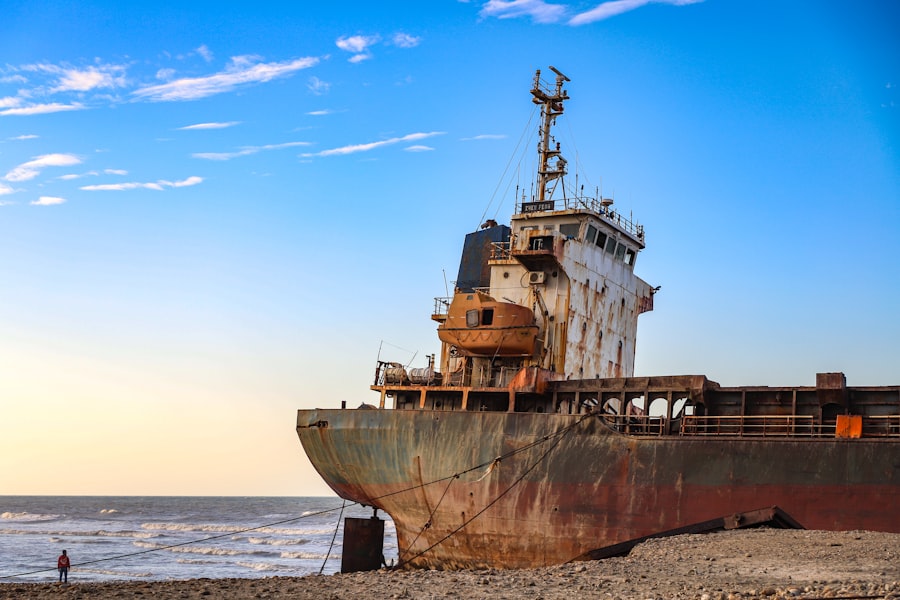
The ultimate vision for a sustainable shipbreaking industry in South Asia lies in its integration into a broader circular economy, where waste is minimized, and resources are kept in use for as long as possible.
Maximizing Material Recovery and Value Addition
- Comprehensive Material Auditing: Moving beyond basic steel recovery, a sustainable model necessitates comprehensive auditing of all materials on board. This includes identifying opportunities for the reuse and recycling of plastics, wood, machinery parts, and even specialized components.
- Developing Downstream Industries: Investing in and supporting downstream industries that can process and utilize salvaged materials locally can create significant economic value. This could include factories that remanufacture ship engines, recycle plastics into new products, or utilize treated wood for construction purposes.
- Innovation in Recycling Technologies: Continuous innovation in recycling technologies is essential to extract maximum value from ship components. This might involve developing more efficient methods for separating different types of metals, reclaiming rare earth elements from electronic components, or creating new applications for composite materials.
Environmental Remediation and Restoration
- Site Rehabilitation and Biodiversity Restoration: Responsible shipbreaking operations should include plans for the rehabilitation of the shipbreaking sites after dismantling is complete. This could involve remediation of contaminated soil and water, and even efforts to restore damaged coastal ecosystems, such as replanting mangroves.
- Closed-Loop Waste Management: Implementing truly closed-loop waste management systems where all generated waste is either recycled, reused, or safely treated and disposed of, is the hallmark of a sustainable operation. This eliminates the discharge of pollutants into the environment.
- Monitoring and Long-Term Impact Assessment: Continuous environmental monitoring of air, water, and soil quality is crucial to assess the long-term impact of shipbreaking activities. This data can inform ongoing improvements and ensure that remediation efforts are effective.
The Future of South Asian Shipbreaking: A Beacon of Sustainability?
The journey towards a sustainable future for shipbreaking in South Asia is complex and ongoing. It requires a fundamental shift in mindset, moving from a purely extractive and labor-intensive model to one that prioritizes safety, environmental protection, and resource efficiency. The challenges are undeniable, but so too are the opportunities.
By embracing international standards, investing in technology, empowering workers, and fostering collaboration among all stakeholders, South Asia has the potential to transform its shipbreaking industry. It can become a leading example of how a vital but historically problematic sector can be reimagined to contribute to a more sustainable and equitable global economy. The success of this transformation will not only redefine the future of shipbreaking but also set a precedent for other resource-intensive industries grappling with similar environmental and social challenges. The ultimate goal is to ensure that the end of a ship’s life becomes the beginning of a more responsible and sustainable material lifecycle, benefiting both people and the planet. This evolution is not just about dismantling ships; it is about building a new future for an entire industry.

The Beaches Global Trade Can’t Afford to Lose
FAQs
What is shipbreaking?
Shipbreaking is the process of dismantling old ships for scrap metal and recycling. This process typically takes place in developing countries, such as those in South Asia, due to lower labor and environmental standards.
Why is shipbreaking a controversial industry?
Shipbreaking is controversial due to its hazardous working conditions, environmental impact, and lack of regulation in many developing countries. Workers are often exposed to dangerous materials and conditions, and the process can lead to pollution of the surrounding area.
What is the current state of shipbreaking in South Asia?
South Asia, particularly Bangladesh, India, and Pakistan, is a major hub for shipbreaking due to its lower labor costs and lax regulations. However, there is increasing pressure to improve safety and environmental standards in the industry.
What are the potential future developments for shipbreaking in South Asia?
The future of shipbreaking in South Asia may involve increased regulation and enforcement of safety and environmental standards. There is also potential for the development of more sustainable and environmentally friendly shipbreaking practices.
What are the potential challenges for the future of shipbreaking in South Asia?
Challenges for the future of shipbreaking in South Asia include resistance from industry stakeholders, the need for significant investment in infrastructure and technology, and the potential impact on local economies and employment.