
The hum of industry, the clang of metal, and the scent of the sea – these are the familiar hallmarks of maritime activity. Yet, as ships reach the end of their operational lives, a complex and often challenging process unfolds: ship recycling. This vital sector, responsible for safely dismantling vessels and recovering valuable materials, is currently grappling with a significant bottleneck, impacting global shipping, environmental regulations, and the livelihoods of thousands. Understanding this intricate ecosystem, its current predicaments, and potential solutions is crucial for navigating this critical juncture.
Ship recycling, also known as shipbreaking, is the process by which vessels are taken out of service and dismantled to recover raw materials and components. This is not a haphazard process; it is a specialized industry with its own set of protocols, economic drivers, and significant environmental and social considerations. The global fleet is constantly evolving, with older, less efficient, or damaged ships eventually reaching their retirement. Ship recycling provides a crucial service, preventing these hulking structures from becoming maritime hazards or polluting the environment through neglect.
The Global Fleet and Its Lifecycle
The world’s merchant fleet is a massive and dynamic entity. Vessels, from colossal container ships and oil tankers to smaller bulk carriers and offshore support vessels, have a finite operational lifespan. This lifespan is influenced by factors such as the ship’s design, maintenance, operational intensity, market demand, and evolving regulatory standards. As ships age, their operating costs often rise, fuel efficiency may decline, and they may no longer meet stricter environmental or safety regulations. This leads to them being taken out of active service and directed towards the recycling yards. The decision to recycle a ship is a complex economic calculation, balancing the residual value of the vessel and its materials against the cost of continued operation or alternative disposal.
The Value Proposition: Materials and Sustainability
The allure of ship recycling lies in the substantial amount of valuable materials it yields. Steel, by far the most significant component, is recovered in large quantities, forming the backbone of the recycling industry. Other metals like copper, aluminum, and brass are also salvaged. While the primary motivation might appear to be material recovery, a growing emphasis is placed on the sustainability aspect of this process. Responsible ship recycling aims to minimize the environmental footprint of dismantling, preventing the release of hazardous substances and reducing the demand for virgin resources. The recovery of steel, for instance, has a significantly lower carbon footprint compared to producing new steel from iron ore.
The Hazardous Reality: Toxins and Safety
However, the glamour of material recovery is shadowed by the inherent hazards associated with aging vessels. Ships are complex environments that, over their operational lives, accumulate a variety of potentially hazardous materials. These include heavy metals, asbestos, oils, fuels, and various chemicals used in maintenance and operation. Proper identification, handling, and disposal of these substances are paramount to ensuring the safety of workers and the protection of the environment. Without stringent safety protocols and environmental safeguards, ship recycling can lead to severe health problems for workers and widespread pollution.
The ship recycling industry is currently facing significant bottlenecks that hinder its efficiency and sustainability. A related article that delves deeper into this issue can be found at MyGeoQuest, where various factors contributing to the challenges in ship recycling are explored, including regulatory constraints, environmental concerns, and economic implications. Understanding these bottlenecks is crucial for stakeholders looking to improve practices in this vital sector.
The Current Congestion: Factors Driving the Bottleneck
The ship recycling bottleneck is not a singular problem but rather a confluence of interconnected issues. A surge in older vessels reaching their end-of-life, coupled with regulatory shifts and economic pressures, has created a demand for recycling that outstrips the available capacity of safe and compliant facilities. This congestion has far-reaching consequences, affecting shipping schedules, recycling prices, and the broader push for sustainable maritime practices.
The Ageing Fleet: A Perfect Storm
One of the most significant drivers of the current bottleneck is the aging global fleet. A substantial number of vessels, built during periods of robust shipbuilding, are now entering their twilight years. Several factors contribute to this: market conditions in the past may have led to over-ordering of new vessels, pushing the average age of the fleet higher. Furthermore, the increased lifespan of modern vessels, while beneficial during their operational phase, contributes to a larger pool of ships requiring recycling at any given time. This “wave” of older ships presents a challenge to the industry’s capacity to handle them in a timely and responsible manner.
Regulatory Shifts: The IMO Convention and Its Impact
The International Maritime Organization (IMO) has played a pivotal role in shaping the ship recycling landscape. The Hong Kong International Convention for the Safe and Environmentally Sound Recycling of Ships (HKC), adopted in 2009, aims to set global standards for ship recycling. However, its ratification and subsequent entry into force have been a slow process. While a growing number of nations are ratifying the HKC, its full implementation and the establishment of globally recognized, compliant recycling facilities remain a work in progress. This creates a disparity, with some regions adhering to stricter standards while others lag behind, leading to a preference for less regulated, and often less safe, recycling locations. The push for compliance with the HKC, while commendable, has also inadvertently contributed to the bottleneck by raising the bar for what constitutes acceptable recycling practices, thus limiting the number of facilities that can legitimately operate.
Economic Pressures and the Price of Recycling
The economics of ship recycling are complex and highly volatile. The price offered for a ship destined for recycling is influenced by the global demand for steel, the condition of the vessel, and the prevailing environmental and safety standards of the recycling yard. During periods of high demand for recycled steel, prices can rise, incentivizing shipowners to recycle. Conversely, when steel prices are low, owners may opt to extend the life of their vessels, even if they are nearing the end of their operational efficiency. The current bottleneck has also seen a rise in recycling prices, as demand for compliant yards increases. However, this also creates a dilemma for some owners who may be reluctant to pay the higher prices associated with safe and environmentally sound recycling, leading them to delay the decision or seek out cheaper, less regulated options, thereby exacerbating the problem.
Geographic Concentration and Capacity Limitations
A significant portion of global ship recycling occurs in a few specific geographic regions, primarily in South Asia (India, Bangladesh, Pakistan) and Turkey. While these regions have historically provided cost-effective recycling solutions, their combined capacity to handle the current influx of aging vessels in a safe and environmentally responsible manner is stretched. Limited infrastructure, labor shortages, and the need for continuous investment in upgrading facilities to meet higher standards contribute to this capacity limitation. The concentration of recycling activity in these areas also means that any disruption, such as adverse weather conditions or labor disputes, can have a ripple effect on global recycling timelines.
The Consequences of Congestion: Impacts on Shipping and Environment
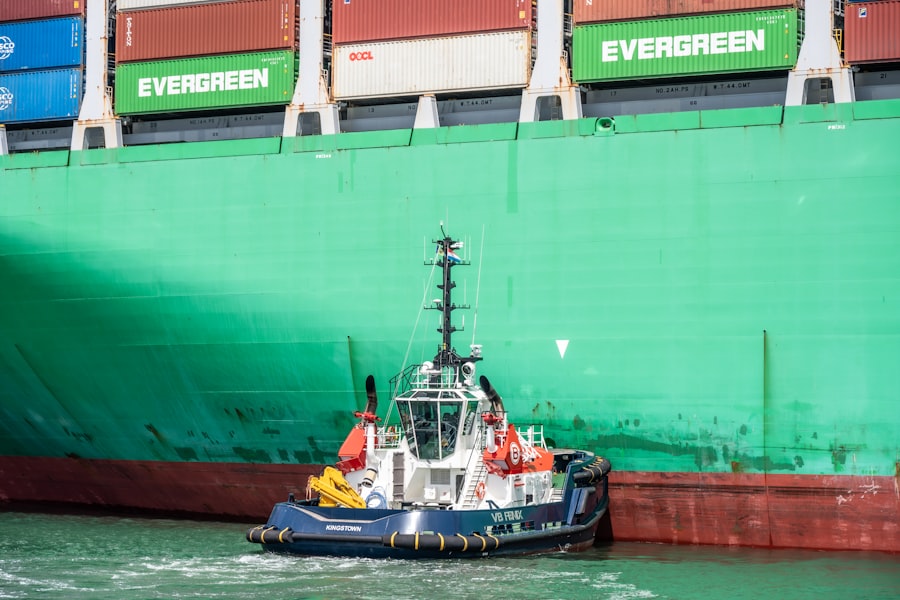
The ship recycling bottleneck is not an abstract issue; it has tangible and far-reaching consequences for the global shipping industry, environmental protection efforts, and the safety of workers involved in the dismantling process. The ripple effects of this congestion are felt across various levels of the maritime ecosystem.
Delayed Departures and Extended Operations
When recycling yards are full or operating at reduced capacity due to regulatory upgrades or other issues, ships awaiting dismantling face delays. This can lead to extended operational periods for older, less efficient vessels, which may continue to ply the seas, consuming more fuel and emitting higher levels of pollutants. These delays also impact the orderly retirement of the fleet, potentially leading to an oversupply of older tonnage in certain market segments. Furthermore, the delay in recycling means that valuable steel and other materials remain locked up in the inert hulks, unavailable for the production of new goods.
Environmental Risks and Pollution Concerns
The primary concern associated with a bottleneck in safe ship recycling is the increased risk of environmental pollution. When vessels are held in limbo or prematurely abandoned, they can become prone to leaks of fuel, oil, and other hazardous substances. Furthermore, if shipowners are forced to use less scrupulous recycling facilities to avoid delays and high costs, the risk of improper handling of hazardous materials and waste increases significantly. This can lead to contamination of coastal areas, marine ecosystems, and local communities. The very purpose of responsible recycling is to prevent such environmental degradation, and a bottleneck directly undermines this goal.
Worker Safety and Human Rights Issues
The human element of ship recycling cannot be overstated. In many parts of the world, shipbreaking is a physically demanding and dangerous job. When recycling yards are overwhelmed and pressure mounts to process ships quickly, safety standards can be compromised. This can lead to an increase in accidents, injuries, and fatalities among the workers who are often employed in precarious conditions. The bottleneck can exacerbate these issues, as yards may cut corners on safety equipment and training to meet demand. The quest for higher prices for recycled materials should not come at the expense of human well-being and dignity.
Economic Ramifications for Shipowners and Recyclers
The bottleneck has significant economic ramifications for all stakeholders. Shipowners may face increased costs due to extended operational periods, potential penalties for delayed recycling, and higher prices at compliant yards. Recyclers, particularly those investing in safer and more environmentally sound practices, may struggle to compete with less regulated operations that can offer lower prices. The volatility in the market, driven by the supply-demand imbalance for recycling slots, can also create uncertainty and make long-term investment planning difficult. The entire economic model of ship recycling is being tested by the current congestion.
Towards a Solution: Strategies for Unclogging the Pipeline
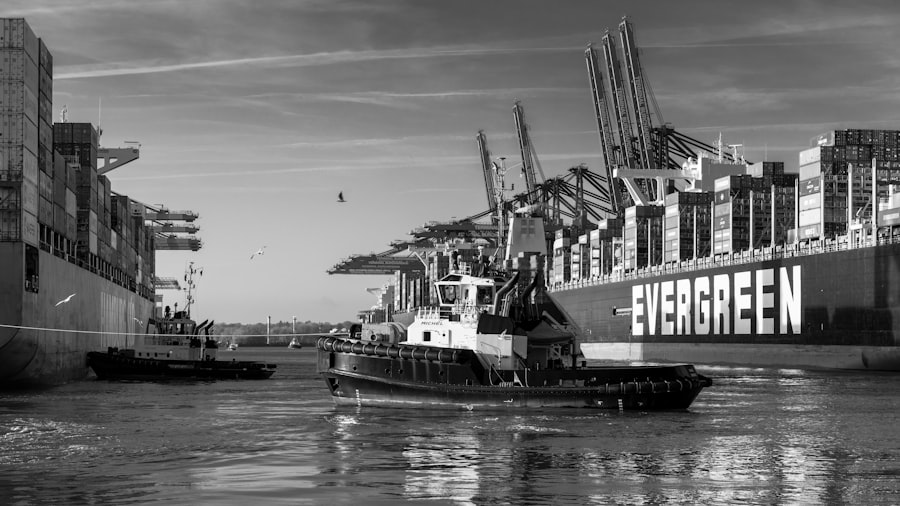
Addressing the ship recycling bottleneck requires a multi-pronged approach involving international cooperation, regulatory enforcement, technological innovation, and a commitment from all stakeholders to prioritize safety and sustainability. There is no single magic bullet, but a combination of strategic interventions can help alleviate the current congestion and build a more resilient and responsible ship recycling industry.
Strengthening and Enforcing the HKC
The most direct path towards a more sustainable and predictable ship recycling future lies in the full and effective implementation of the IMO’s Hong Kong Convention. This requires more nations to ratify and actively enforce its provisions. Governments must create clear legal frameworks, issue permits to compliant yards, and conduct regular inspections to ensure adherence to the convention’s standards. International pressure and incentives can encourage reluctant nations to come on board, thereby harmonizing global recycling practices and reducing the incentive to operate in unregulated environments. The convention provides a robust framework, but its success hinges on widespread adoption and rigorous enforcement.
Investing in Green Recycling Technologies and Infrastructure
The future of ship recycling lies in embracing greener technologies and investing in robust infrastructure. This includes developing more efficient methods for the removal and safe disposal of hazardous materials, as well as improving the sorting and processing of recovered materials. Investment in modern recycling facilities, equipped with advanced safety features and pollution control systems, is crucial. Governments and international financial institutions can play a vital role in providing incentives and funding for such investments, particularly in developing nations where much of the recycling activity takes place. This will not only enhance safety and environmental performance but also increase the overall capacity of compliant recycling operations.
Promoting Transparency and Traceability in the Supply Chain
A lack of transparency in the ship recycling supply chain contributes to the problem. Shipowners often have limited visibility into the actual recycling practices at the end of the line. Promoting greater transparency through independent audits, certification schemes, and digital platforms can help ensure that ships are dismantled in safe and environmentally sound facilities. Blockchain technology, for instance, could be explored to create an immutable record of a ship’s journey from operational life to final recycling, providing accountability at every step. This traceability builds trust and allows responsible actors to be recognized and rewarded.
Encouraging Circular Economy Principles in Maritime
Beyond simple dismantling, the industry should increasingly embrace circular economy principles. This means exploring opportunities for the reuse of ship components, the repurposing of materials in new applications, and the design of ships for easier disassembly and recycling from the outset. Manufacturers can collaborate with shipyards and recyclers to develop innovative solutions that maximize material value and minimize waste. Shifting the mindset from a linear “take-make-dispose” model to a circular one is essential for long-term sustainability and resource efficiency. This includes not just recycling steel, but finding value in every component.
Fostering International Cooperation and Dialogue
Ultimately, tackling the ship recycling bottleneck requires a collaborative effort on a global scale. International bodies like the IMO, industry associations, governments, and non-governmental organizations must work together to share best practices, address challenges, and drive progress. Regular dialogue and knowledge exchange can help identify emerging issues and develop collective solutions. Furthermore, fostering a sense of shared responsibility for the safe and sustainable end-of-life management of vessels is paramount. This cooperative spirit is key to navigating the complexities and achieving a truly sustainable future for ship recycling.
The ship recycling industry is currently facing significant challenges, leading to a bottleneck in the process of dismantling old vessels. This issue is explored in detail in a related article that discusses the various factors contributing to the slowdown in ship recycling operations. For those interested in understanding the complexities of this situation, you can read more about it in the article available at My Geo Quest. The insights provided there shed light on the environmental and economic implications of the current bottleneck, highlighting the urgent need for effective solutions.
The Path Forward: A Collaborative Effort for a Sustainable Future
| Issue | Explanation |
|---|---|
| Lack of Capacity | Ship recycling facilities are limited, leading to bottlenecks in the process. |
| Environmental Regulations | Strict environmental regulations make it challenging to find suitable recycling facilities. |
| Cost | The high cost of recycling ships can create bottlenecks for ship owners. |
| Global Demand | The high demand for ship recycling services can overwhelm existing facilities. |
The ship recycling bottleneck presents a significant challenge, but it also serves as a crucial inflection point. It highlights the urgent need for a global shift towards more responsible and sustainable practices in the maritime sector. By understanding the complexities of the industry, acknowledging the impacts of the current congestion, and embracing innovative solutions, stakeholders can work together to unclog the pipeline and build a future where ships are recycled not just efficiently, but safely and with respect for both people and the planet. The journey towards a truly circular maritime economy is underway, and navigating this bottleneck is a critical step in that endeavor. The continued commitment to the Hong Kong Convention, coupled with ongoing investment in green technologies and a renewed focus on worker safety, will pave the way for a more predictable, ethical, and environmentally sound ship recycling industry. The time for action is now, ensuring that the end of a ship’s life contributes to a cleaner and more sustainable future, rather than becoming an environmental burden.

The Beaches Global Trade Can’t Afford to Lose
FAQs
What is ship recycling?
Ship recycling, also known as ship breaking, is the process of dismantling an old or decommissioned ship to recover valuable materials and components for reuse or recycling.
Why is there a bottleneck in ship recycling?
There is a bottleneck in ship recycling due to the limited number of ship recycling facilities worldwide, as well as the strict environmental and safety regulations that must be adhered to during the recycling process.
What are the environmental concerns associated with ship recycling?
Environmental concerns associated with ship recycling include the release of hazardous materials such as asbestos, heavy metals, and toxic chemicals into the environment, as well as the impact on marine ecosystems and coastal communities.
What are the safety concerns associated with ship recycling?
Safety concerns associated with ship recycling include the risk of accidents, injuries, and fatalities for workers involved in the dismantling process, as well as the potential for exposure to hazardous materials and unsafe working conditions.
What efforts are being made to address the ship recycling bottleneck?
Efforts to address the ship recycling bottleneck include the development of new ship recycling facilities in compliance with international regulations, as well as initiatives to improve worker safety and environmental sustainability within the industry.