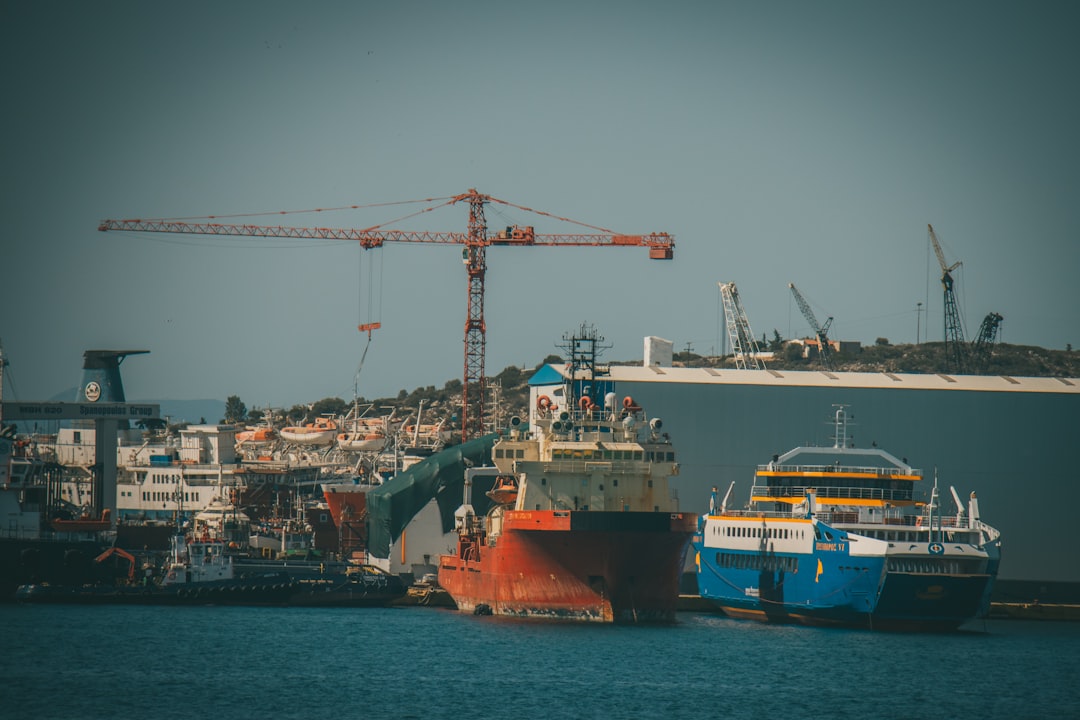
The gradual, and in some regions rapid, disappearance of traditional shipbreaking yards marks a significant shift in the global maritime landscape. Once bustling hubs of heavy industry, these yards are now facing a twilight of their existence, driven by a confluence of economic, environmental, and regulatory forces. This transformation is not merely an operational change; it carries profound implications across various sectors, from the livelihoods of coastal communities to the global supply chain and the very definition of maritime sustainability. Understanding the multifaceted impact of this decline requires a deep dive into the reasons behind it and the cascading effects it produces.
The decline of traditional shipbreaking yards is not a monolithic event but rather a complex interplay of evolving factors that have rendered their historical operating models increasingly untenable. The landscape of ship recycling is being reshaped by economic realities, stricter regulations, and the demand for more responsible practices.
Economic Pressures and the Rise of New Markets
The economic viability of traditional shipbreaking has been steadily eroded by a number of factors, primarily related to fluctuating global markets for recycled materials and the emergence of more cost-effective, albeit often less regulated, alternatives.
The Volatility of Scrap Metal Prices
The primary output of shipbreaking has historically been scrap metal. The value of this scrap is directly tied to global commodity markets, which are notoriously volatile. Periods of low steel prices make the arduous and labor-intensive process of dismantling a vessel economically unfeasible. When the cost of labor, machinery, and environmental mitigation outweighs the revenue generated from selling the salvaged metal, the profitability of shipbreaking plummets. This inherent instability has always been a challenge, but as global steel production has diversified and new sources of scrap have emerged, the reliance on shipbreaking as a primary source has diminished.
Competition from Advanced Recycling Facilities
In response to growing environmental concerns and regulatory pressures, new, highly specialized ship recycling facilities have emerged, particularly in developed nations. These facilities often employ advanced technologies, such as laser cutting and automated dismantling processes, which can be more efficient and safer than the traditional methods. While these facilities may have higher initial capital costs, they can offer a more predictable and environmentally sound operation, attracting shipowners looking to comply with stricter regulations and enhance their corporate social responsibility (CSR) image. This competition, particularly from yards that can handle hazardous materials more effectively, directly impacts the market share of older, less technologically advanced yards.
The Shifting Ownership and Operation of Vessels
The global shipping industry itself has undergone significant changes. The rise of offshore finance, flag hopping, and complex ownership structures can sometimes obscure responsibility for vessel disposal. Furthermore, as vessels age, their economic value often diminishes, making them candidates for early retirement. However, the decision to scrap is often driven by the cost of repairs versus the scrap value, and if scrap values are low, ships may be kept in service longer than their ideal lifespan, delaying the need for breaking. Conversely, the increasing complexity and size of modern vessels also present challenges for older yards not equipped to handle such behemoths.
Environmental and Safety Regulations: A Global Push for Responsibility
Perhaps the most significant driver behind the decline of traditional shipbreaking yards is the increasing global emphasis on environmental protection and worker safety. The legacy of uncontrolled hazardous waste disposal and dangerous working conditions has led to stringent international and national regulations.
The Hong Kong Convention and its Ramifications
The International Maritime Organization’s (IMO) Hong Kong International Convention for the Safe and Environmentally Sound Recycling of Ships, adopted in 2009, is a landmark agreement aimed at establishing global standards for ship recycling. While it has not yet entered into force universally, its principles are increasingly influencing national legislation and industry practices. The convention mandates ship recycling plans, inventory of hazardous materials, and safe dismantling procedures. Yards that cannot meet these stringent requirements, particularly those lacking the infrastructure to handle hazardous waste like asbestos, PCBs, and heavy fuel oil, are finding themselves increasingly sidelined. This forces shipowners to seek out certified recycling facilities, directly impacting the demand for traditional, often less compliant, yards.
National Legislation and Stricter Enforcement
Many countries are implementing their own robust legislation to control shipbreaking operations. This includes stricter environmental impact assessments, limits on the discharge of pollutants, and mandatory safety protocols for workers. In regions where shipbreaking was historically characterized by lax oversight, the introduction of these regulations has been a seismic shift. Companies that cannot invest in upgraded facilities, waste treatment systems, and comprehensive safety training are often forced to cease operations or face severe penalties. This proactive regulatory environment is pushing the industry towards greener and safer practices.
Increased Awareness and Corporate Social Responsibility (CSR)
Beyond regulatory mandates, there is a growing awareness among consumers, investors, and the public about the environmental and social costs associated with unsustainable industrial practices. Shipowners are increasingly aware of their brand reputation and the potential negative publicity associated with sending vessels to poorly managed recycling yards. Corporate Social Responsibility (CSR) initiatives are becoming a significant factor in business decisions, leading companies to prioritize ethically and environmentally sound ship recycling. This demand for responsible disposal directly impacts the market, favoring yards that can demonstrate compliance with international standards.
The concept of shipbreaking yards disappearing raises important questions about the future of maritime recycling and environmental sustainability. A related article that delves into the implications of this scenario can be found at My Geo Quest, where it explores alternative methods for ship disposal and the potential impact on local economies and ecosystems. This discussion highlights the need for innovative solutions to manage decommissioned vessels while minimizing environmental harm.
The Ripple Effect: Socio-Economic Consequences for Coastal Communities
The decline of shipbreaking yards has a profound and often devastating impact on the coastal communities that have historically depended on these industries for their livelihoods. For generations, shipbreaking has been a cornerstone of economic activity, providing employment, supporting local businesses, and shaping the social fabric of these regions.
Loss of Employment and Income
The most immediate and visible consequence is the widespread loss of jobs. Shipbreaking is a labor-intensive industry, employing thousands of workers in roles ranging from skilled metal cutters and welders to general laborers and support staff. As yards close or reduce their operations, these workers find themselves unemployed, often with limited alternative employment opportunities in their immediate vicinity. This leads to a sharp decline in household income, affecting not only the workers themselves but also their families and dependents.
Skill Mismatch and the Challenge of Re-skilling
Many of the skills developed in traditional shipbreaking – such as manual cutting, demolition, and handling heavy materials – are not directly transferable to other industries. This creates a significant skill mismatch, making it difficult for displaced workers to find comparable employment. Re-skilling programs are crucial, but they often require significant investment and may not always lead to jobs with similar earning potential or job security. The challenge is compounded in regions where educational infrastructure and access to training are already limited.
Impact on Ancillary Businesses and Local Economies
The economic impact extends far beyond the direct employees of the shipbreaking yards. A network of ancillary businesses thrives around these operations, including suppliers of tools and equipment, food vendors, transportation services, and accommodation providers. The closure of a major shipbreaking yard can trigger a domino effect, leading to the decline or closure of these supporting businesses. This can have a devastating impact on the overall local economy, leading to reduced tax revenues for local governments and a general economic downturn.
Social Disruption and Migration Patterns
The economic hardship resulting from the closure of shipbreaking yards often leads to social disruption. Increased poverty can strain social services and contribute to crime rates. In some cases, entire communities can become economically depressed, forcing residents to migrate to other areas in search of work, leading to the erosion of established social structures and cultural heritage.
The Vulnerability of Informal Labor
In many traditional shipbreaking locations, a significant portion of the workforce operates in the informal sector, lacking formal contracts, benefits, or social security. These workers are particularly vulnerable during economic downturns, as they often have no safety net to fall back on. The disappearance of shipbreaking yards can push these individuals and their families into deeper poverty and precarious living conditions.
Community Identity and Cultural Heritage
For many coastal communities, shipbreaking is more than just an economic activity; it is deeply intertwined with their identity and cultural heritage. Generations have worked in these yards, passing down skills and traditions. The loss of this industry can mean the erosion of a significant part of the community’s cultural fabric, leading to a sense of loss and displacement.
Environmental Legacies and the Quest for Remediation

The historical operation of many shipbreaking yards has left a significant environmental legacy. Unregulated disposal of hazardous materials, oil spills, and the accumulation of waste have created polluted sites that require extensive remediation efforts. The disappearance of these yards does not erase these past harms.
Hazardous Waste Management and Contamination
Traditional shipbreaking often involved the dismantling of vessels containing a wide array of hazardous materials, including asbestos, lead-based paints, polychlorinated biphenyls (PCBs), heavy fuel oil, and various toxic chemicals. Without proper containment and disposal procedures, these materials could leach into the soil and water, contaminating the surrounding environment.
Soil and Water Pollution
The breakdown of ships in open yards, often on beaches, led to direct contamination of the soil and marine ecosystems. Oil spills from ruptured tanks, chemical runoff from paints and coatings, and the leaching of heavy metals from internal components have made these sites toxic. This contamination can persist for decades, impacting marine life, human health, and the long-term usability of coastal land.
Air Pollution from Cutting and Burning
The process of cutting metal, often using oxy-fuel torches, releases particulate matter and various harmful gases into the atmosphere. In many traditional yards, burning off paint or other materials was a common practice, releasing further pollutants. This contributed to poor air quality in the surrounding areas, posing respiratory health risks to nearby communities.
The Challenge of Site Remediation and Redevelopment
The environmental damage left behind by defunct shipbreaking yards presents a significant challenge for governments and communities. The cost and complexity of cleaning up these contaminated sites can be enormous, often requiring specialized expertise and substantial financial investment.
Long-Term Health Impacts on Communities
The lingering environmental contamination can have long-term health consequences for communities living near former shipbreaking sites. Exposure to asbestos, heavy metals, and other toxins can lead to various chronic illnesses, including respiratory diseases, cancers, and developmental problems. Identifying and addressing these health impacts requires extensive public health monitoring and intervention.
The Potential for Brownfield Redevelopment and New Opportunities
While the environmental legacy is a significant problem, the remediation of former shipbreaking sites also presents an opportunity for brownfield redevelopment. Once cleaned, these coastal areas could be repurposed for new economic activities, such as tourism, port expansion, or the development of eco-friendly industries. However, this requires careful planning, significant investment in remediation, and the involvement of all stakeholders.
The Future of Ship Recycling: Towards Sustainable and Responsible Practices
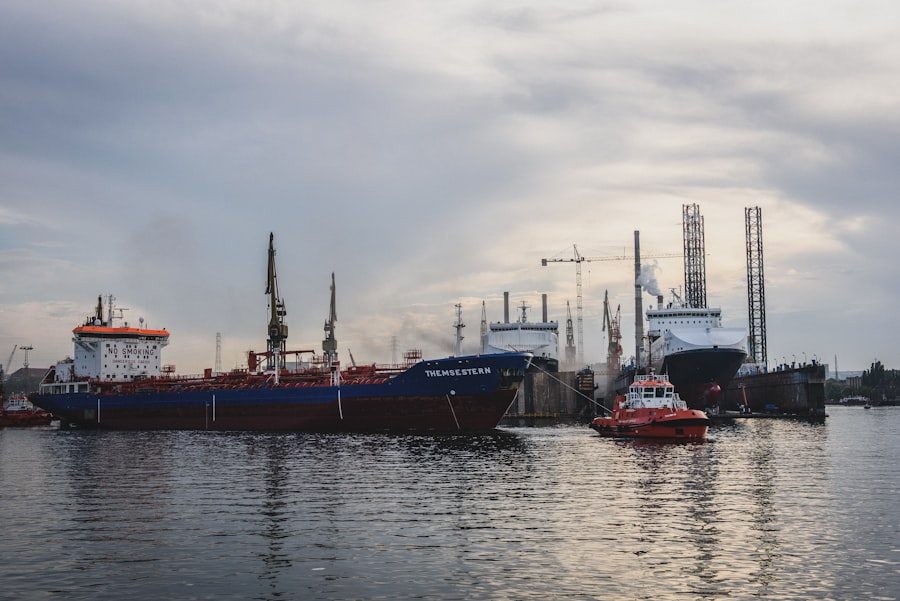
The decline of traditional shipbreaking yards is not an end but a catalyst for a fundamental shift in the way ships are recycled. The future of the industry lies in embracing sustainable, environmentally sound, and socially responsible practices.
The Rise of Certified Recycling Facilities
As regulations tighten and corporate responsibility grows, there is a clear trend towards the development and utilization of certified ship recycling facilities. These facilities are designed to meet stringent international standards, ensuring the safe and environmentally sound dismantling of vessels.
The Role of Standards and Certifications
Organizations like the European Union have developed their own Ship Recycling Regulations, which are aligned with the principles of the Hong Kong Convention. Yards that comply with these regulations can be placed on an EU list of approved facilities, giving shipowners confidence in their responsible practices. Similar certification schemes are emerging globally, providing a framework for accountability and transparency.
Technological Advancements in Recycling
The future of ship recycling will be driven by technological innovation. Advanced cutting techniques, automated dismantling processes, and sophisticated waste management systems are becoming increasingly important. These technologies not only enhance safety and efficiency but also minimize environmental impact. For example, the use of robotic cutting arms can reduce human exposure to hazardous materials and improve precision.
The Importance of Green Ship Design and Decommissioning Planning
Sustainability in ship recycling begins long before a vessel reaches its end-of-life. Green ship design, which incorporates features that facilitate easier and safer dismantling, is gaining traction. Shipowners are also increasingly encouraged to develop comprehensive decommissioning plans early in a vessel’s operational life.
Incorporating Recyclability into Ship Design
Shipbuilders are starting to consider the end-of-life recyclability of vessels during the design phase. This includes selecting materials that are easier to recycle, minimizing the use of hazardous substances, and designing components that can be easily separated and managed. This proactive approach reduces the complexity and environmental burden of future dismantling.
Strategic Decommissioning and Life Cycle Assessment
Developing a strategic decommissioning plan involves identifying suitable recycling facilities well in advance, considering the vessel’s inventory of hazardous materials, and planning for the safe transfer of ownership and recycling. Conducting life cycle assessments (LCAs) helps to understand the overall environmental impact of a ship from its construction to its eventual recycling, guiding decisions towards more sustainable options.
Global Collaboration and Policy Harmonization
Addressing the challenges of ship recycling requires global collaboration and policy harmonization. Ensuring that regulations are consistent across different jurisdictions and that developing countries have the resources and expertise to adopt best practices is crucial.
International Cooperation and Knowledge Sharing
The IMO plays a vital role in facilitating international cooperation on ship recycling. Sharing best practices, providing technical assistance to developing countries, and promoting the universal adoption of the Hong Kong Convention are essential steps. Collaborative efforts can help to lift global standards and prevent the continued operation of unsafe and environmentally damaging yards.
The Role of International Financial Institutions and NGOs
International financial institutions and non-governmental organizations (NGOs) can play a significant role in supporting the transition to sustainable ship recycling. They can provide funding for infrastructure development, training programs, and environmental remediation efforts in regions where traditional yards are declining. Their advocacy and oversight can also help to ensure accountability and drive positive change.
The concept of shipbreaking yards disappearing raises intriguing questions about the future of maritime waste management and environmental sustainability. An insightful article that delves into the implications of this scenario can be found on My Geo Quest, where the challenges and potential solutions for handling decommissioned ships are explored in detail. Understanding the impact of such a shift is crucial for both the shipping industry and environmental advocates. For more information, you can read the article here.
The Evolving Maritime Supply Chain: New Logistics and Economic Models
| Metric | Data |
|---|---|
| Number of shipbreaking yards | Approximately 150 globally |
| Annual tonnage of ships scrapped | Around 600-700 ships per year |
| Employment in shipbreaking industry | Thousands of workers globally |
| Environmental impact | Increased pollution and waste from abandoned ships |
| Economic impact | Loss of revenue for shipbreaking yards and related industries |
The disappearance of traditional shipbreaking yards has subtle but significant implications for the broader maritime supply chain and the economic models that underpin global trade. The availability of affordable, readily accessible ship recycling impacts the cost of operating vessels and influences decisions about fleet renewal.
Fleet Management and Renewal Strategies
The cost and availability of ship recycling services are critical factors in a shipping company’s fleet management strategy. When shipbreaking is expensive or difficult to access, companies may be incentivized to extend the operational life of older vessels, potentially at the expense of fuel efficiency and environmental performance. Conversely, the availability of reliable and cost-effective recycling options encourages more proactive fleet renewal.
The Impact on Vessel Decommissioning Costs
The economics of scrapping a vessel are directly tied to the revenue generated from selling its scrap metal and the costs associated with dismantling. As traditional yards, often located in regions with lower labor costs, decline, the cost of decommissioning may increase. This can influence the decision-making process for shipowners when considering the timing of selling a vessel for demolition.
Influence on New Ship Building and Design
The demand for sustainable recycling practices can, in turn, influence the design and construction of new vessels. As shipyards and owners anticipate the future recycling process, there may be a greater emphasis on using materials that are easier to recover and recycle, and on designing ships that can be dismantled more efficiently. This creates a feedback loop that pushes the entire maritime industry towards greater sustainability.
The Global Distribution of Ship Recycling Activities
The geographical distribution of shipbreaking activities has historically been concentrated in specific regions, often in developing countries with lower labor costs and less stringent environmental regulations. The shift away from these traditional models implies a rebalancing of these activities.
The Emergence of New Recycling Hubs
While some established shipbreaking nations may see a decline, others are investing in upgrading their facilities to meet international standards, potentially emerging as new hubs for responsible ship recycling. This transition often requires significant foreign investment, technological transfer, and robust government oversight.
The Challenges of Overcapacity and Underinvestment
The global demand for ship recycling fluctuates with the shipping market. As older vessels are retired, there is a need for adequate recycling capacity. However, the transition from traditional to modern recycling facilities can lead to periods of overcapacity in older, less compliant yards, and underinvestment in the necessary infrastructure for newer, more compliant ones. This imbalance can create economic challenges for the industry.
The Economic Implications for Shipping Rates and Trade
While not a direct determinant, the cost of ship disposal can indirectly influence shipping rates. If decommissioning costs rise significantly, this could, in theory, be factored into the overall operational costs of a vessel, which might then be passed on to consumers through higher freight rates. However, this is a complex equation influenced by many factors.
The Trade-off Between Cost and Environmental Responsibility
Ultimately, the disappearance of traditional shipbreaking yards represents a global effort to balance economic considerations with environmental and social responsibility. The shift towards more regulated and sustainable practices is likely to lead to a more responsible and ultimately more resilient global maritime industry, even if it involves higher initial costs. The long-term economic benefits of environmental protection and social well-being are increasingly being recognized.
In conclusion, the fading presence of traditional shipbreaking yards is more than just the closure of industrial sites; it is a symptom of a global recalibration of industrial practices. The confluence of economic pressures, evolving environmental consciousness, and stringent regulations has necessitated a move towards more responsible and sustainable methods of ship recycling. The socio-economic fallout for communities that relied on these yards is significant and demands proactive solutions in the form of re-skilling, economic diversification, and environmental remediation. As the maritime industry navigates this transition, the future points towards advanced, certified recycling facilities, green ship design, and global collaboration, signaling a necessary and ultimately beneficial evolution in the lifecycle of maritime assets. The legacy of the past, however, will require continued attention and investment to heal the environmental scars and ensure a more equitable and sustainable future for all stakeholders involved.

The Beaches Global Trade Can’t Afford to Lose
FAQs
1. What are shipbreaking yards?
Shipbreaking yards are facilities where old and decommissioned ships are dismantled and their components are recycled or sold for scrap.
2. Why are shipbreaking yards important?
Shipbreaking yards play a crucial role in the recycling and disposal of old ships, which can contain hazardous materials such as asbestos, lead, and oil. These yards also provide employment opportunities in many developing countries.
3. What would happen if shipbreaking yards disappeared?
If shipbreaking yards disappeared, there would be a significant environmental impact as old ships would not be properly dismantled and disposed of. This could lead to pollution and health hazards for workers and nearby communities.
4. How are shipbreaking yards regulated?
Shipbreaking yards are regulated by international conventions such as the Hong Kong International Convention for the Safe and Environmentally Sound Recycling of Ships, as well as national laws and regulations in the countries where the yards are located.
5. Are there alternatives to shipbreaking yards?
There are alternative methods for recycling and disposing of old ships, such as dry-docking and refurbishing, but shipbreaking yards remain the most common and cost-effective option for many ship owners.