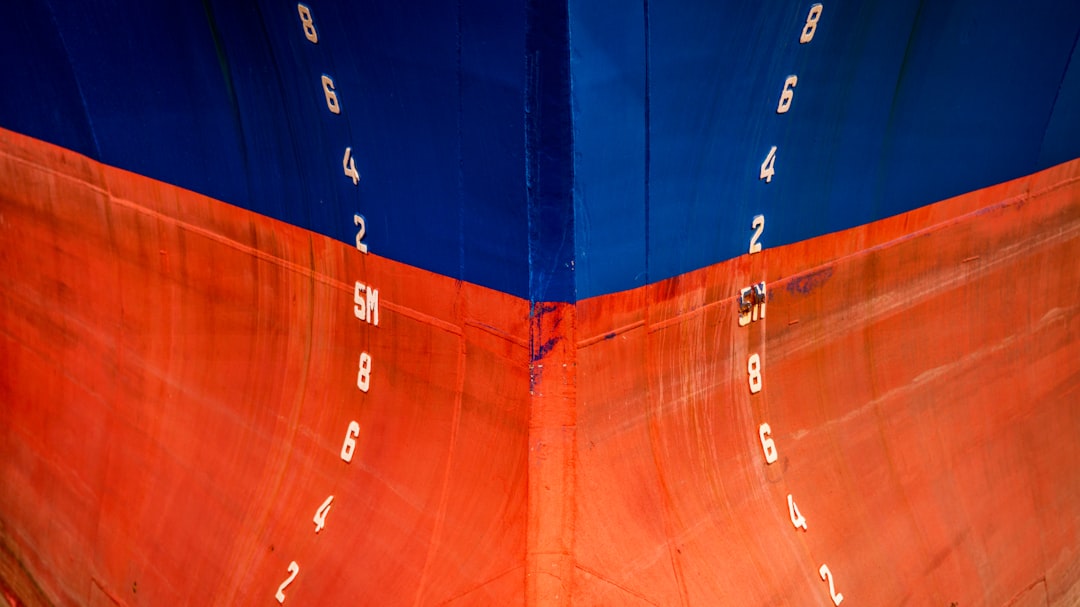
The colossal arteries of global trade, once vibrant vessels ferrying goods and people across oceans, eventually reach the end of their operational lives. When their hulls no longer gleam with purpose and their engines fall silent, they embark on a final journey to become the raw materials that fuel future industries. This transformation occurs in the world’s largest shipbreaking yards, sprawling industrial complexes where immense steel behemoths are meticulously dismantled. These yards are not merely junkyards; they are testament to human ingenuity, economic necessity, and increasingly, environmental responsibility.
The sheer magnitude of shipbreaking operations is almost incomprehensible. Imagine leviathans of the sea, longer than skyscrapers are tall, being brought to a standstill. These are not just ships; they are floating cities, once home to thousands of souls and carrying tonnes of cargo. The process of breaking them down is a monumental undertaking, requiring vast stretches of coastline, specialized heavy machinery, and a highly skilled workforce.
The Giants of the Deep: What Constitutes a Ship for Breaking?
The vessels arriving at these yards are typically the largest and oldest ships in operation. This includes supertankers, once capable of transporting millions of barrels of oil, massive container ships that form the backbone of international commerce, and colossal cruise liners that once ferried millions of tourists on opulent voyages. Their age, coupled with the rising costs of maintenance and the demand for newer, more efficient vessels, often renders them economically unviable for continued service. The decision to send a ship for breaking is a significant financial one, marking the end of a substantial investment and the beginning of a recovery process.
The Anatomy of a Behemoth: From Full Sail to Scrap Heap
A ship destined for breaking is a complex ecosystem of steel, machinery, and various materials. Its hull is a massive steel structure, often thousands of tonnes of metal. The engine room houses colossal power plants, intricate networks of pipes, and heavy machinery that once propelled the vessel across continents. The interior is a labyrinth of cabins, galleons, cargo holds, and intricate electrical and plumbing systems. Each component, from the smallest bolt to the largest propeller, has a potential for reuse or recycling, contributing to the economic viability of the yard.
Geographical Hubs of Dismantling: Where the Titans Come to Rest
Certain regions have become synonymous with shipbreaking due to a confluence of factors including labor costs, environmental regulations (or lack thereof historically), and proximity to shipping routes. These geographical hubs are characterized by their sprawling facilities, visible from miles away as a graveyard of silenced giants. The industry, while global in its reach, is heavily concentrated in a few key areas, shaping both the economies and environments of these regions.
The largest shipbreaking yards in the world play a crucial role in the recycling industry, where decommissioned vessels are dismantled and their materials repurposed. For more insights into the environmental impact and economic significance of these shipbreaking yards, you can read a related article on this topic at My Geo Quest. This resource provides an in-depth look at the challenges and innovations within the shipbreaking sector, highlighting its importance in sustainable practices.
The Process of Demolition: A Choreography of Cutting and Crushing
The transformation of a ship from a floating structure to raw materials is a meticulously planned and executed process. It is a dance between brute force and delicate precision, driven by safety and efficiency. The methods employed have evolved over time, with increasing emphasis on environmental considerations.
Beaching: The Traditional, Often Controversial, Approach
One of the most common and historically prevalent methods is beaching. Ships are steered directly onto the shore, often at extreme tides, allowing workers to access the hull from the water’s edge and gradually dismantle it. This method, while offering direct access, has often been criticized for its environmental impact, particularly concerning the uncontrolled release of hazardous materials into the marine environment.
The Art of the Cut: From Manual Labor to Advanced Technology
Historically, shipbreaking was a labor-intensive process. Skilled workers, often referred to as “cutters,” would use oxy-acetylene torches to meticulously cut through the thick steel plates of the hull. This required immense skill and physical endurance. While manual cutting still plays a role, modern shipbreaking yards increasingly employ advanced technologies. Hydraulic shears, plasma cutters, and robotic demolition systems are now utilized to expedite the process and improve safety.
From Stern to Bow: A Systematic Deconstruction
The dismantling process typically begins from the stern of the ship and moves towards the bow, or vice versa, depending on the yard’s specific techniques and the vessel’s design. Sections of the hull are cut and removed in manageable pieces. Superstructures are dismantled, followed by the internal machinery, pipes, cables, and other components. Each stage is carefully managed to ensure stability and prevent accidents.
Floating Docks: A More Controlled Environment
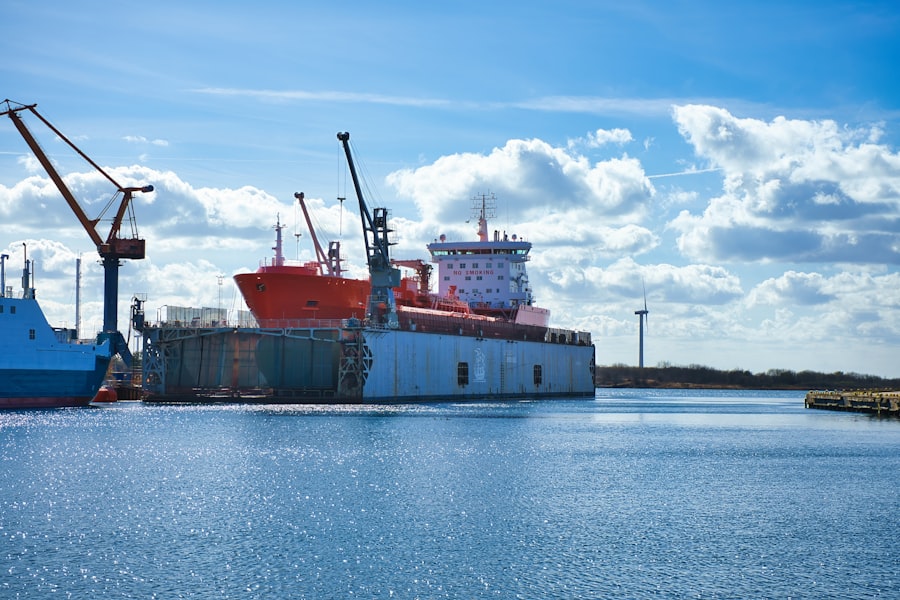
An alternative to beaching is the use of floating docks. In this method, the ship is brought into a dry dock, where the water is pumped out, allowing workers to access the hull from all sides in a more controlled environment. This approach can offer better containment of hazardous materials and potentially reduce environmental impact compared to uncontrolled beaching.
Safety First: Mitigating the Dangers of a Collapsed Giant
Working on a decommissioned ship is inherently dangerous. The sheer weight of the metal, the potential for structural collapse, and the presence of residual hazardous materials pose significant risks. Shipbreaking yards prioritize safety protocols, including thorough inspections, the use of safety equipment, and strict adherence to operating procedures. Regular training and risk assessments are crucial to minimize accidents.
Removing the Residue: Tackling Hazardous Materials
Ships, especially older ones, contain a variety of hazardous materials. These include asbestos in insulation, oils and fuels in tanks, and potentially toxic paints and coatings. A critical aspect of the shipbreaking process is the safe removal and disposal or recycling of these materials. Specialized teams are often employed to identify, contain, and manage these substances to prevent environmental contamination and protect worker health.
The Flow of Materials: A Circular Economy in Action
Once the steel is cut into manageable sections, it is transported to processing facilities. Here, it is sorted, cleaned, and prepared for recycling. The metal is then melted down and recast into new steel products, contributing to the circular economy. Other materials, such as non-ferrous metals, wood, and plastics, are also salvaged and recycled whenever possible.
The Economic Engine: Fueling Industries and Livelihoods
Shipbreaking yards are not just about dismantling old ships; they are significant economic powerhouses. They create jobs, generate revenue, and provide a vital source of raw materials for various industries. The economic impact resonates far beyond the immediate vicinity of the yards, influencing global commodity markets.
A Source of Raw Materials: Feeding the Steel Mills
The primary economic driver of shipbreaking is the recovery of vast quantities of steel. This salvaged steel is a cost-effective alternative to virgin iron ore, making shipbreaking yards a crucial supplier to steel mills worldwide. The quality of the recovered steel can vary depending on the ship’s construction and the dismantling process, but it generally finds its way into construction, manufacturing, and other industrial applications.
The Global Steel Market: A Balancing Act
The supply of scrap steel from shipbreaking yards can significantly influence the global steel market. Fluctuations in the number of ships being broken, as well as the price of new steel, can lead to shifts in demand and pricing for recycled steel. This makes the shipbreaking industry an integral, albeit often unseen, component of the global materials economy.
Employment Generation: A Lifeline for Coastal Communities
Shipbreaking yards are often located in developing countries where labor costs are lower. This creates a significant number of employment opportunities for local populations, providing livelihoods for thousands of individuals and their families. The jobs range from manual labor in demolition and sorting to skilled roles in management, engineering, and environmental management.
The Human Cost: Balancing Economic Needs with Worker Welfare
While shipbreaking provides employment, it is essential to acknowledge the often challenging working conditions. Historically, the industry has been criticized for poor safety standards and the exploitation of workers. However, there is a growing international effort to improve worker welfare, implement stricter safety regulations, and ensure fair labor practices. The ethical considerations of shipbreaking are increasingly coming to the forefront.
Export Earnings and National Economies: A Contribution to Development
For the countries that host these large shipbreaking yards, the industry represents a significant source of export earnings. The sale of salvaged materials, particularly steel, contributes to the national economy and can play a vital role in the development of coastal regions. The presence of such large industrial operations can also spur the growth of related industries and infrastructure.
Environmental Concerns: The Shadow Side of the Titans’ End
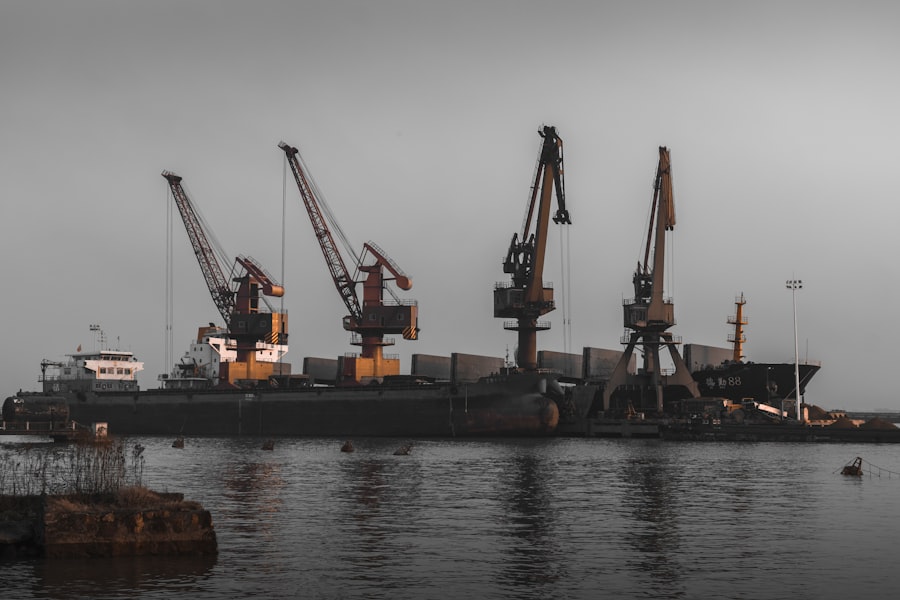
The immense scale and the nature of shipbreaking operations inevitably raise significant environmental concerns. Historically, the industry has been plagued by issues related to pollution, waste management, and the discharge of hazardous substances into the marine environment.
Hazardous Waste Management: A Persistent Challenge
The dismantling of ships releases a multitude of hazardous materials, including oils, fuels, asbestos, lead-based paints, and heavy metals. Without proper containment and disposal procedures, these substances can leach into the soil, water, and air, posing serious risks to ecosystems and human health. Effective hazardous waste management is therefore a paramount concern.
The Hong Kong Convention: A Step Towards Greener Shipbreaking
The International Convention for the Safe and Environmentally Sound Recycling of Ships (often referred to as the Hong Kong Convention) was developed to address these concerns. It aims to ensure that ships are recycled in a safe and environmentally sound manner, without posing any unnecessary risk to human health and the environment. The convention sets international standards for ship design, operation, and recycling facilities.
The Impact on Marine Ecosystems: A Delicate Balance
When hazardous materials are not properly managed, they can have devastating impacts on marine life. Contaminated water can harm fish, seabirds, and other aquatic organisms. The long-term effects of pollution can disrupt food chains and degrade entire marine ecosystems. Responsible shipbreaking practices are crucial for preserving the health of our oceans.
Air and Noise Pollution: The Byproducts of Dismantling
The cutting and grinding of steel generate significant amounts of dust and particulate matter, contributing to air pollution. The operation of heavy machinery and the constant noise from the yards can also lead to significant noise pollution, impacting local communities and wildlife. Effective dust suppression techniques and noise reduction measures are essential to mitigate these impacts.
Land Contamination: A Lasting Legacy
Improper disposal of waste and spills of hazardous materials can lead to long-term land contamination at shipbreaking sites. This can render the land unusable for other purposes and require extensive and costly remediation efforts. Careful planning and management of waste are crucial to prevent such contamination.
The shipbreaking industry plays a crucial role in recycling and repurposing materials from decommissioned vessels, with some of the largest shipbreaking yards located in countries like Bangladesh, India, and Pakistan. For those interested in exploring this topic further, you can read a detailed article about the largest shipbreaking yards in the world at this link. These facilities not only contribute to the economy but also raise important environmental concerns that are increasingly coming to light.
The Future of Shipbreaking: Towards Sustainability and Responsibility
| Rank | Shipbreaking Yard | Location | Capacity |
|---|---|---|---|
| 1 | Alang Ship Breaking Yard | Gujarat, India | Up to 500 ships per year |
| 2 | Chittagong Ship Breaking Yard | Chittagong, Bangladesh | Up to 250 ships per year |
| 3 | Gadani Ship Breaking Yard | Gadani, Pakistan | Up to 150 ships per year |
The shipbreaking industry is at a crossroads. The increasing global awareness of environmental issues and the growing demand for sustainable practices are pushing the industry towards a more responsible and environmentally sound future.
Technological Advancements: Innovations for a Cleaner Industry
New technologies are continuously being developed to improve the safety and environmental performance of shipbreaking. This includes advanced cutting tools, improved containment systems for hazardous materials, and sophisticated waste management techniques. Automation and robotics are also playing an increasing role in reducing human exposure to dangerous tasks.
Embracing the Circular Economy: Beyond Scrap Metal
The future of shipbreaking lies in maximizing the recovery and reuse of all materials, not just steel. This involves developing markets for salvaged components, exploring innovative recycling methods for complex materials, and minimizing waste generation. The goal is to move towards a truly circular economy where every part of the ship is given a new life.
Stricter Regulations and Enforcement: A Global Imperative
The implementation and enforcement of stricter international and national regulations are crucial for driving the industry towards greater sustainability. The Hong Kong Convention, when fully ratified and implemented, will be a significant step forward. However, continuous monitoring and enforcement are essential to ensure compliance and hold operators accountable.
The Role of International Cooperation: A Shared Responsibility
Shipbreaking is a global issue, and its resolution requires international cooperation. Governments, shipowners, shipbreakers, and environmental organizations must work together to establish and enforce high standards. Sharing best practices, investing in cleaner technologies, and supporting responsible shipbreaking operations are all part of this collective effort.
The Ethical Dimension: Prioritizing Human Welfare
The ethical treatment of workers must remain a central focus. Ensuring safe working conditions, fair wages, and adequate training is not just a matter of compliance but a fundamental human right. The future of shipbreaking must be one that respects and values the lives and well-being of the individuals who carry out this demanding work.
The world’s largest shipbreaking yards, while a testament to industrial might and economic necessity, are also symbols of the challenges and opportunities in managing the end-of-life of our most significant maritime creations. As the global community increasingly prioritizes sustainability and responsibility, the evolution of these colossal dismantling sites will be a crucial indicator of our commitment to a cleaner, safer, and more ethical future. The final voyage of these maritime giants must lead not to environmental degradation and human suffering, but to a responsible rebirth, fueling industries and respecting the planet.

The Beaches Global Trade Can’t Afford to Lose
FAQs
What are shipbreaking yards?
Shipbreaking yards are facilities where old and decommissioned ships are dismantled and their components recycled or sold for scrap. This process involves breaking down the ship’s structure and removing valuable materials such as steel, copper, and other metals.
Where are the largest shipbreaking yards in the world located?
The largest shipbreaking yards in the world are located in Alang, India; Chittagong, Bangladesh; and Gadani, Pakistan. These yards are known for their large-scale operations and the high volume of ships they process each year.
How do shipbreaking yards impact the environment?
Shipbreaking yards can have significant environmental impacts due to the release of hazardous materials such as asbestos, lead, and oil into the surrounding environment. Improper disposal of these materials can lead to pollution of the air, soil, and water, posing risks to the health of workers and local communities.
What are the economic benefits of shipbreaking yards?
Shipbreaking yards provide economic benefits by creating jobs for local workers and supplying raw materials for industries such as steel manufacturing. The sale of scrap metal and other salvaged materials from dismantled ships also contributes to the local economy.
What are the safety concerns associated with shipbreaking yards?
Safety concerns at shipbreaking yards include the risk of accidents and injuries to workers due to the hazardous nature of the dismantling process. Workers may also be exposed to toxic substances and face unsafe working conditions, leading to health issues and even fatalities.