The relentless march of climate change has ushered in an era of increasingly extreme weather events, and among the most potent and pervasive is extreme heat. While the immediate health risks of sweltering temperatures are well-documented, the profound and often underestimated impact of these heatwaves on the very infrastructure that powers modern life – the electricity grid – warrants significant attention. As temperatures soar, the delicate balance of supply and demand is thrown into disarray, pushing power systems to their breaking point and exposing vulnerabilities that have far-reaching consequences for societies and economies.
The most direct and immediate impact of extreme heat on power grids manifests in a dual strain: a dramatic surge in demand coupled with a significant reduction in the grid’s capacity to meet that demand. This creates a precarious situation where the supply of electricity struggles to keep pace with an insatiable thirst.
The Surge in Cooling Needs
When ambient temperatures climb into dangerous territory, the primary driver of increased electricity consumption is the widespread activation of cooling systems. Air conditioners, the ubiquitous symbols of comfort in hot climates, become essential for survival, transforming from optional amenities into vital life-support devices.
Residential Air Conditioning Load
In residential settings, the demand for air conditioning can skyrocket. Homes equipped with central air or individual window units will see their electricity meters spinning at an unprecedented rate. As temperatures persist at high levels for extended periods, the cumulative effect of millions of households running their cooling systems simultaneously creates an enormous peak load on the grid. This is not a gradual increase; it’s a sharp, sustained spike that grid operators must anticipate and manage. The longer and hotter the heatwave, the more pronounced this residential demand becomes.
Commercial and Industrial Cooling
Beyond homes, commercial buildings such as offices, retail spaces, and data centers also rely heavily on air conditioning to maintain operational environments. Data centers, in particular, are incredibly energy-intensive due to the constant operation of servers that generate substantial heat. Keeping these facilities cool requires massive amounts of electricity, further exacerbating the overall demand. Industrial facilities may also increase their cooling needs, especially those involved in sensitive manufacturing processes or cold storage.
The Degraded Performance of Generation Assets
Concurrently with the surge in demand, the very equipment designed to generate electricity begins to falter under the oppressive heat, leading to a reduction in supply. This is a critical, often overlooked, aspect of the problem.
Thermal Power Plant Efficiency Loss
Thermal power plants, which rely on the combustion of fossil fuels or nuclear fission to heat water and produce steam to drive turbines, are particularly susceptible to high ambient temperatures. The efficiency of these plants is directly tied to the temperature difference between the steam produced and the cooling water used to condense the steam after it passes through the turbine.
Steam Turbine Performance Degradation
In a heatwave, the ambient air and the water sources used for cooling become significantly warmer. This reduces the efficiency of the condensation process, meaning less energy can be extracted from the steam. Consequently, a thermal power plant operating in extreme heat will produce less electricity than it would under cooler conditions, even when running at its maximum capacity. This is a direct loss of available generation.
Boiler Efficiency and Combustion Issues
While less pronounced than cooling-related issues, extremely high ambient temperatures can also subtly impact the combustion process in fossil fuel plants, potentially leading to minor efficiency losses. However, the dominant factor remains the reduced effectiveness of the cooling cycle.
Renewable Energy Intermittency Amplified
While renewable energy sources like solar and wind are often touted as solutions to climate change, they are not immune to the impacts of extreme heat, and in some cases, their performance can be negatively affected.
Solar Photovoltaic Panel Efficiency Decline
Solar photovoltaic (PV) panels, designed to convert sunlight into electricity, experience a decline in efficiency as their temperature rises. While sunlight is abundant during a heatwave, the panels themselves can become so hot that their ability to convert photons into electrical current diminishes. This means that during the hottest parts of the day, when solar generation is typically at its peak, the actual output from PV arrays can be significantly lower than anticipated.
Hydropower Capacity Reductions
Extreme heat often leads to increased evaporation from reservoirs and reduced snowmelt in mountainous regions, which are crucial sources of water for hydropower generation. Prolonged droughts and higher temperatures can deplete water levels in reservoirs, forcing operators to reduce the output of hydroelectric dams or even shut them down entirely, thereby removing a significant source of baseload power from the grid.
Wind Turbine Performance Under Stress
While wind turbines are designed to withstand a wide range of temperatures, extreme heat can still pose challenges. High temperatures can affect the lubrication and cooling of the gearbox and generator components, potentially leading to reduced operational speeds or even temporary shutdowns to prevent overheating. Furthermore, heatwaves can sometimes be associated with periods of lower wind speeds, further impacting the availability of wind power.
Extreme heat poses significant challenges to power grids, as elevated temperatures can lead to increased demand for electricity while simultaneously reducing the efficiency of transmission lines. This phenomenon can result in power outages and strain on energy resources. For a deeper understanding of how these conditions impact energy infrastructure, you can read a related article on this topic at this link.
The Vulnerabilities of Transmission and Distribution Systems
Beyond generation, the infrastructure responsible for transporting electricity from power plants to consumers – the transmission and distribution lines – also faces significant challenges during extreme heat events. These systems, often exposed to the elements, are not designed for prolonged periods of intense thermal stress.
The Physics of Heat and Conductors
Electricity flows through conductive materials, primarily copper and aluminum. The fundamental physics of these materials dictates that their resistance to electrical current increases with temperature.
Increased Resistance and Energy Loss
As transmission and distribution lines heat up due to high ambient temperatures and the increased flow of electricity (due to higher demand), their electrical resistance rises. This increased resistance leads to greater energy loss in the form of heat as electricity travels through the wires. Essentially, more of the electricity generated is lost as wasted heat before it even reaches its destination, further straining the system by requiring more generation to compensate.
Conductor Sag and Reduced Clearance
Another critical physical consequence of rising temperatures is the phenomenon of conductor sag. Metal conductors expand when heated. As transmission lines sag more under the influence of extreme heat, they can come closer to the ground, trees, or other structures. This reduced clearance increases the risk of physical contact, which can lead to short circuits, equipment damage, and widespread power outages. Utility companies often have to operate their systems with reduced capacity during extreme heat to maintain safe clearances.
The Burden on Substation Equipment
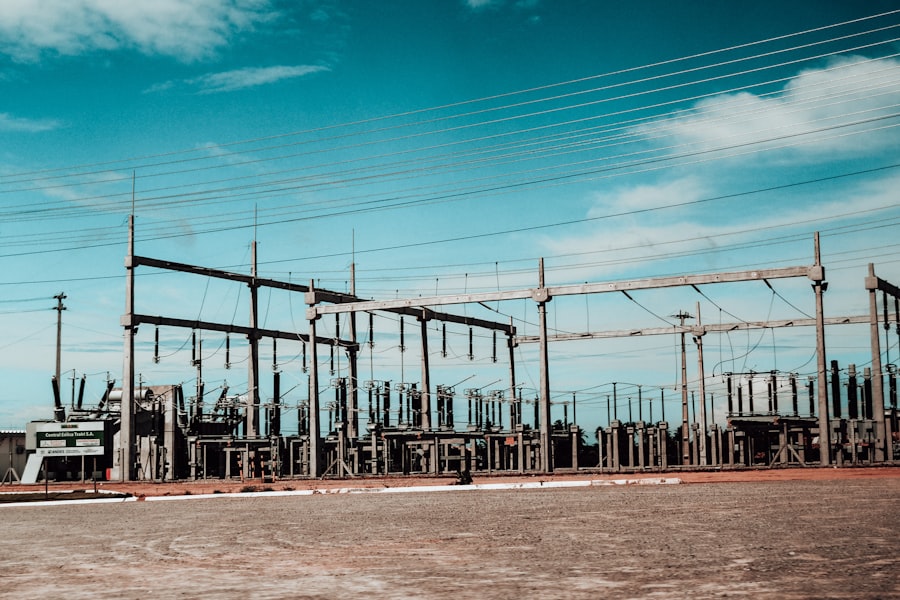
Substations, the critical nodes where electricity is transformed and routed, are also highly susceptible to the adverse effects of extreme heat. These facilities contain a multitude of sensitive components that can overheat and fail.
Transformer Overheating and Reduced Capacity
Power transformers are essential for stepping up or down voltage levels for efficient transmission and distribution. These massive pieces of equipment generate heat during operation. In extreme heat, transformers struggle to dissipate this heat effectively, leading to elevated internal temperatures. This can force operators to reduce the load on transformers to prevent damage or failure. In some cases, transformers may need to be taken offline altogether, significantly impacting the flow of electricity to entire communities.
Circuit Breaker and Switchgear Malfunctions
Circuit breakers and switchgear are designed to protect the grid by interrupting the flow of electricity in the event of faults or overloads. However, the extreme heat can affect the performance of the insulating materials and the mechanical components within these devices. This can lead to increased susceptibility to failure, potentially causing unplanned outages when they are needed most to prevent more widespread damage.
The Interconnected Nature of the Grid and Cascading Failures
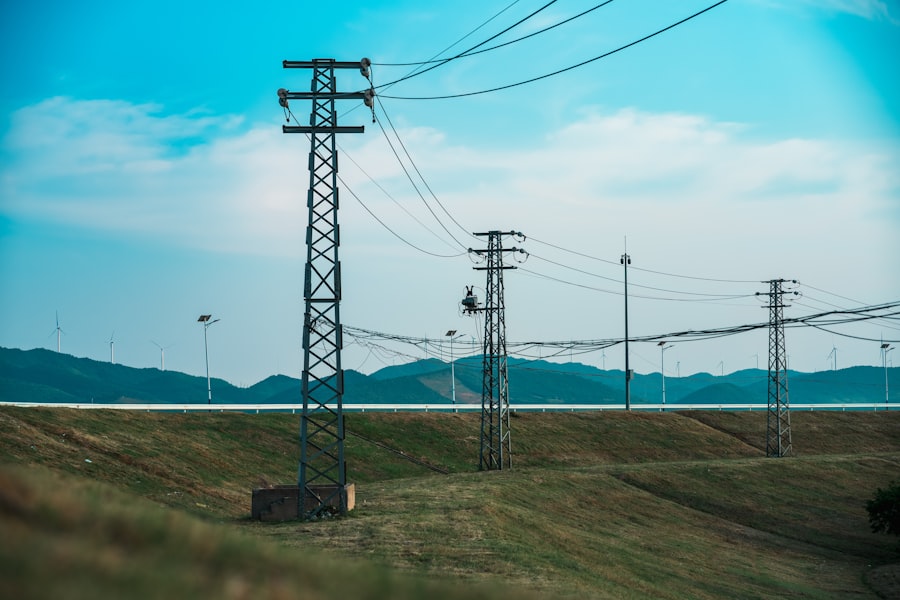
The electricity grid is a complex, interconnected system. A failure in one part can have ripple effects throughout the entire network, leading to cascading outages that are difficult to control and resolve. Extreme heat amplifies this inherent vulnerability.
The Domino Effect of Localized Outages
When local distribution lines or substation equipment fail due to heat-related stress, it can overload adjacent parts of the grid. If these neighboring components are already operating near their limits due to high demand, the additional burden can cause them to fail as well.
Regional Blackouts and Widespread Disruptions
This domino effect can quickly escalate from localized outages to regional blackouts, impacting vast geographical areas. The scale of these blackouts is directly proportional to the severity and duration of the heatwave, and the underlying resilience of the grid infrastructure.
The Challenges of Grid Stability and Frequency Control
Maintaining grid stability, particularly the precise frequency of the alternating current (AC) power, is paramount for the reliable operation of all connected devices. Extreme heat events can severely challenge these stability mechanisms.
Imbalances Between Supply and Demand
As generation capacity decreases and demand surges, the delicate balance between electricity supply and demand is disrupted. This imbalance can cause the grid’s frequency to deviate from its target (typically 60 Hz in North America or 50 Hz in Europe). If the frequency drops too low, it indicates that demand is exceeding supply, and protective relays may trigger to shed load (initiate blackouts) to prevent a total collapse of the system. Conversely, if supply briefly outstrips demand, frequency can rise, also posing risks.
The Role of Ancillary Services
Ancillary services, such as frequency regulation and voltage support, are crucial for grid stability. These services are often provided by specialized generators or battery storage systems. During extreme heat, the resources providing these services may themselves be affected by the heat or face increased demand for their primary generation capabilities, making it harder to provide the necessary support.
The Economic and Societal Ramifications of Grid Instability
The impact of extreme heat on power grids extends far beyond technical challenges, creating significant economic and societal disruptions that can be devastating for communities.
The Cost of Outages and Economic Losses
Power outages, especially prolonged ones, come with a hefty price tag. Businesses are forced to halt operations, leading to lost productivity, spoilage of perishable goods, and damage to inventory.
Disruption to Businesses and Supply Chains
The inability to power machinery, refrigeration, and essential communication systems cripples businesses across all sectors. Industries reliant on continuous operation, such as manufacturing and data processing, face immense financial losses. The ripple effect can extend through supply chains, impacting the availability of goods and services for consumers.
Impact on Critical Services and Infrastructure
Hospitals, emergency services, water treatment plants, and transportation networks are all heavily reliant on a stable electricity supply. Power outages can compromise the functionality of these critical services, putting lives at risk and hindering disaster response efforts.
The Human Cost of Heat-Related Power Failures
The most critical consequence of power grid failures during extreme heat is the direct threat to human life and well-being.
Increased Risk of Heatstroke and Dehydration
When air conditioning fails in homes and public spaces, vulnerable populations – the elderly, young children, individuals with pre-existing health conditions, and those without adequate housing – are at greatly increased risk of heatstroke, dehydration, and other heat-related illnesses. These conditions can be fatal.
Strain on Emergency Services and Healthcare Systems
The surge in heat-related illnesses places an immense strain on emergency medical services and hospital capacity, further complicating response efforts during a crisis.
The Challenges of Modern Society’s Reliance on Electricity
Modern society is intricately woven with an almost absolute dependence on electricity. From communication and transportation to food production and financial transactions, nearly every facet of our lives is powered by the grid. Extreme heat events expose the fragility of this dependence.
The Digital Divide and Equitable Access
The impacts of power outages are not felt equally. Lower-income communities and marginalized populations often reside in older housing with less efficient cooling, and may have fewer resources to cope with prolonged blackouts. This exacerbates existing inequalities.
The Need for Grid Resilience and Modernization
The recurring nature of extreme heat events underscores the urgent need for significant investment in grid modernization and resilience. This includes upgrading aging infrastructure, integrating advanced technologies, and diversifying energy sources.
Extreme heat poses significant challenges to power grids, often leading to increased demand for electricity while simultaneously straining the infrastructure. As temperatures soar, the risk of outages rises, highlighting the vulnerability of energy systems under climate stress. A related article discusses the implications of rising temperatures on energy consumption and grid reliability, providing insights into how utilities can adapt to these changing conditions. For more information, you can read the article here.
Strategies for Enhancing Grid Resilience in the Face of Extreme Heat
| Impact of Extreme Heat on Power Grids | Effects |
|---|---|
| Increased demand for electricity | Due to higher use of air conditioning |
| Decreased power generation | Reduced efficiency of power plants |
| Overloaded transmission lines | Higher risk of blackouts and outages |
| Equipment failures | Transformers and other components at risk of overheating |
Addressing the multifaceted challenges posed by extreme heat requires a comprehensive and proactive approach to enhancing the resilience of our power grids. This involves a combination of technological advancements, infrastructure upgrades, and policy adjustments.
Investing in Grid Modernization and Hardening
A fundamental step is to fortify the existing grid infrastructure against the stresses of extreme temperatures.
Upgrading Transmission and Distribution Lines
Replacing older, less heat-tolerant conductors with advanced materials that can withstand higher temperatures is crucial. Implementing measures to manage conductor sag, such as taller poles or advanced support systems, can also significantly improve reliability.
Enhancing Substation Cooling and Protection
Substations require robust cooling systems to prevent overheating of transformers and other critical equipment. Implementing advanced monitoring and alarm systems can provide early warnings of potential issues, allowing for proactive intervention.
Implementing Smart Grid Technologies
Smart grid technologies, including advanced metering, real-time monitoring, and automated fault detection and restoration, can provide grid operators with greater visibility and control. This allows for more agile responses to developing problems and faster restoration of power.
Diversifying and Decentralizing Energy Generation
Reducing reliance on a few large, centralized power plants can improve resilience. The integration of diverse and distributed energy resources offers greater flexibility.
Expanding Renewable Energy Integration
While renewables can be impacted by heat, a diverse portfolio of solar, wind, and other renewable sources, coupled with advancements in energy storage, can provide reliable power. Ensuring that renewable energy infrastructure is also designed to withstand extreme temperatures is essential.
The Role of Energy Storage Solutions
Battery energy storage systems (BESS) can play a critical role by storing excess energy during cooler periods or when renewable generation is high and discharging it during peak demand or when generation is limited. This helps to smooth out supply and demand fluctuations.
Exploring Distributed Generation and Microgrids
Distributed generation, such as rooftop solar or local combined heat and power (CHP) plants, can reduce the burden on the main grid. Microgrids, which can operate independently or in conjunction with the main grid, offer a high degree of resilience for critical facilities like hospitals or emergency response centers.
Improving Demand-Side Management and Efficiency
Encouraging consumers to reduce their electricity consumption during peak demand periods can significantly alleviate strain on the grid.
Implementing Demand Response Programs
Demand response programs incentivize customers to voluntarily reduce their electricity usage during times of high demand or grid stress, often in exchange for financial compensation. This can include adjusting thermostat settings or shifting the operation of non-essential appliances.
Promoting Energy Efficiency Measures
Investing in energy-efficient appliances, building insulation, and smart thermostats reduces the overall demand for electricity, making the grid less susceptible to overload during heatwaves.
Strengthening Grid Planning and Operational Preparedness
Proactive planning and robust operational protocols are essential for effectively managing extreme heat events.
Enhanced Weather Forecasting and Predictive Modeling
Accurate and timely weather forecasting is critical for anticipating extreme heat events. Advanced predictive modeling can help grid operators to forecast demand and potential impacts on generation and transmission assets with greater precision.
Developing and Practicing Emergency Response Plans
Regularly updating and practicing emergency response plans for heat-related grid failures is vital. This ensures that all stakeholders, from utility operators to emergency services, are prepared to act swiftly and effectively.
Fostering Interregional Grid Cooperation
Many regions are interconnected by transmission lines, allowing for the transfer of electricity. Enhanced cooperation and coordinated planning between neighboring grid operators can facilitate the sharing of resources and mutual support during extreme heat events.
The impact of extreme heat on power grids is no longer a hypothetical concern; it is a present and growing reality. As global temperatures continue to rise, the vulnerability of our electricity infrastructure will only become more pronounced. Addressing this challenge requires a sustained and multifaceted commitment to building a more resilient, adaptable, and sustainable energy future. The well-being of our societies and the stability of our economies depend on it.
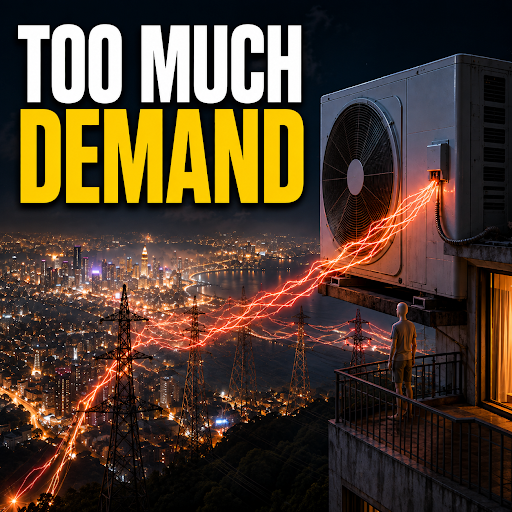
The Air-Conditioning Boom That Could Overwhelm Power Grids
FAQs
1. What is the impact of extreme heat on power grids?
Extreme heat can cause power grids to become overloaded as demand for electricity increases due to the widespread use of air conditioning. This can lead to power outages and blackouts.
2. How does extreme heat affect the infrastructure of power grids?
Extreme heat can cause the infrastructure of power grids, such as transformers and power lines, to overheat and malfunction. This can result in equipment failures and disruptions to the supply of electricity.
3. What measures can be taken to mitigate the impact of extreme heat on power grids?
Measures to mitigate the impact of extreme heat on power grids include implementing smart grid technologies, improving insulation and cooling systems for power grid infrastructure, and increasing the capacity of power generation and distribution systems.
4. Are there any long-term effects of extreme heat on power grids?
Long-term effects of extreme heat on power grids can include damage to infrastructure, increased maintenance costs, and the need for upgrades to handle higher demand for electricity during heatwaves.
5. How can communities prepare for extreme heat and its impact on power grids?
Communities can prepare for extreme heat and its impact on power grids by implementing energy conservation measures, developing emergency response plans for power outages, and investing in resilient and adaptable power grid infrastructure.