The relentless grip of extreme heat has become an undeniable force shaping modern life, and with it, a surge in electricity demand that is pushing grids to their limits. As temperatures climb to unprecedented levels, the humble air conditioner, once a luxury, transforms into a critical necessity for millions. This escalating reliance on cooling technology, coupled with the broader energy needs of a society increasingly dependent on electronics, creates a complex and often precarious energy landscape. The stark reality is that as the planet warms, our insatiable appetite for electricity intensifies, presenting a formidable challenge for energy providers, policymakers, and consumers alike. This article delves into the multifaceted nature of this surging demand, exploring its causes, consequences, and the innovative solutions being sought to navigate this increasingly heated future.
The surge in electricity demand during periods of extreme heat is not a monolithic event but rather a confluence of various factors, each contributing to the growing strain on power grids. At its core lies the fundamental human need for comfort and safety, directly translated into an increased consumption of energy for cooling.
The Ubiquitous Air Conditioner: A Thirst for Cool Air
The most significant driver of increased electricity demand during heatwaves is undoubtedly the widespread use of air conditioning. As temperatures soar, particularly in urban areas, individuals and businesses alike activate their cooling systems, often running them for extended periods. This surge is not uniform; it’s amplified by several contributing factors:
Urban Heat Island Effect Amplifies Cooling Needs
Cities, with their dense concentrations of buildings, roads, and concrete surfaces, absorb and retain more solar radiation than surrounding rural areas. This phenomenon, known as the urban heat island effect, results in significantly higher temperatures within city limits, making the need for air conditioning even more acute. Buildings, unable to dissipate heat effectively, become ovens, forcing occupants to rely heavily on mechanical cooling. This creates a vicious cycle: increased cooling leads to increased energy consumption, which in turn can contribute to further localized warming through waste heat from power plants and air conditioning units.
Rising Ownership of Cooling Appliances
Globally, the ownership of air conditioning units has been steadily increasing, driven by economic development, urbanization, and a growing awareness of the health risks associated with prolonged exposure to extreme heat. As more households and commercial spaces gain access to and utilize air conditioning, the aggregate demand during peak heat events experiences a corresponding upward trajectory. This trend is particularly pronounced in developing nations where rising incomes are making these appliances more accessible.
Behavioral Shifts: Longer Hours and Increased Usage
Beyond the sheer number of units, behavioral patterns also play a crucial role. During heatwaves, people tend to spend more time indoors, seeking refuge from the oppressive heat. This leads to longer operating hours for air conditioners and other cooling devices. Furthermore, societal expectations regarding comfortable indoor temperatures are rising, leading to a willingness to run cooling systems even when temperatures are only moderately elevated, further exacerbating the demand.
Beyond Cooling: Ancillary Demands During Heatwaves
While air conditioning dominates the energy consumption profile during heatwaves, other essential services and personal electronics also contribute to the elevated demand. The interconnectedness of modern life means that even when the primary focus is on cooling, other energy-dependent activities continue to draw power.
Increased Water Pumping and Treatment
The human need for water intensifies during extreme heat, not only for drinking but also for hygiene and sanitation. This translates to increased demand on water supply systems, which are heavily reliant on electric pumps for extraction, treatment, and distribution. Water treatment plants, in particular, are energy-intensive operations, and their workload increases significantly to meet the higher consumption.
Enhanced Refrigeration and Food Preservation
With higher ambient temperatures, the efficiency of refrigeration systems diminishes, requiring them to work harder to maintain desired temperatures. This impacts both commercial refrigeration in supermarkets and restaurants, as well as domestic refrigerators and freezers. The need to preserve food and prevent spoilage during prolonged hot periods adds another layer to the overall electricity demand.
Greater Use of Personal Electronics and Entertainment Devices
As individuals spend more time indoors seeking respite from the heat, the use of personal electronic devices such as televisions, computers, gaming consoles, and mobile charging increases. While the individual draw of these devices may be relatively small, their widespread and prolonged use during heatwaves contributes to the overall cumulative electricity consumption.
Extreme heat significantly increases electricity demand as people rely more on air conditioning and cooling systems to combat rising temperatures. This surge in energy consumption can strain power grids and lead to higher electricity prices. For a deeper understanding of this phenomenon and its implications, you can read a related article that discusses the impact of climate change on energy consumption patterns. Check it out here: related article.
The Strain on the Grid: Vulnerabilities Exposed
The dramatic increase in electricity demand during extreme heat events places immense pressure on power grids, often exposing pre-existing vulnerabilities and creating new challenges for grid operators. The delicate balance between supply and demand becomes increasingly precarious.
Peak Load Challenges: The Ultimate Test of Capacity
The most immediate consequence of surging demand is the creation of unprecedented peak load conditions. Grids are designed to handle certain levels of demand, but heatwaves can push these systems far beyond their typical operational parameters.
Reserve Margins Diminish
Power grids maintain reserve margins, which are excess generation capacities designed to respond to unexpected surges in demand or the sudden loss of generation units. During extreme heat, these reserve margins are rapidly depleted as all available power plants are brought online to meet the soaring demand. This leaves little room for error, making the grid more susceptible to disruptions.
Risk of Brownouts and Blackouts
When demand consistently exceeds supply, even with all available generation running at maximum capacity, grid operators may be forced to implement rolling blackouts (brownouts) or complete blackouts to prevent catastrophic system collapse. These intentional power interruptions are a last resort, aimed at shedding load and stabilizing the grid, but they have significant consequences for consumers and businesses.
Aging Infrastructure and Underinvestment
Many electricity grids around the world are aging and have not been adequately upgraded to handle the increasing demands placed upon them by factors like climate change and population growth. This underinvestment in infrastructure becomes particularly problematic during periods of extreme stress.
Transmission and Distribution Bottlenecks
The physical infrastructure that delivers electricity from power plants to consumers – the transmission lines and distribution networks – can become bottlenecks. Even if sufficient generation capacity exists, the inability to transmit that power efficiently to areas of high demand can lead to localized shortages and overload existing lines, increasing the risk of equipment failure.
Outdated Equipment and Inflexibility
Older generation plants and grid control systems may lack the flexibility and responsiveness needed to rapidly ramp up or down to meet fluctuating demand. This inflexibility makes it harder for grid operators to manage the sudden and dramatic spikes in electricity consumption characteristic of heatwaves.
Intermittency of Renewable Energy Sources
While renewable energy sources like solar and wind are crucial for decarbonization, their intermittent nature can pose challenges during heatwaves.
Solar Output Declines During Peak Demand Hours
Although solar power is abundant during daylight hours when demand is high, extreme heat can negatively impact solar panel efficiency. High temperatures can reduce the amount of electricity a solar panel can generate, paradoxically coinciding with peak demand for cooling.
Wind Power Variability
Similarly, wind patterns can be unpredictable, and while some heatwaves may be accompanied by strong winds, others may not. Reliance on wind power when it is not blowing significantly can create gaps in supply, further straining the grid.
Consequences of the Surge: Beyond the Flickering Lights
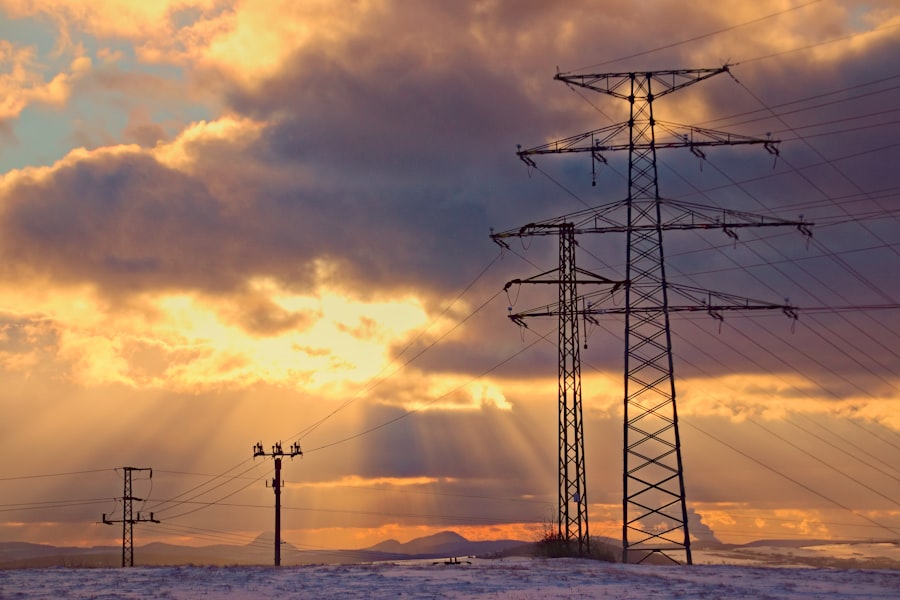
The surging demand for electricity during extreme heatwaves has far-reaching consequences that extend beyond mere inconvenience. These impacts ripple through the economy, public health, and the environment.
Economic Ramifications: Costs and Disruptions
The economic fallout from increased electricity demand during heatwaves is substantial, affecting both businesses and households.
Increased Energy Costs for Consumers
As demand soars, electricity prices often rise, particularly during peak hours when time-of-use pricing is in effect. This leads to higher utility bills for households, disproportionately affecting lower-income families who may struggle to afford the increased costs of staying cool and comfortable.
Business Disruptions and Lost Productivity
Businesses that rely on electricity for operations, such as manufacturing plants, data centers, and retail establishments, face significant disruptions. Power outages or brownouts can lead to halted production, spoiled inventory, and lost revenue. Even without outages, the increased cost of electricity can impact profit margins and competitiveness.
Strain on Critical Infrastructure
Beyond immediate economic losses, the strain on critical infrastructure like hospitals, transportation networks, and communication systems can have cascading effects. Prolonged power outages can jeopardize patient care, disrupt supply chains, and cripple essential services.
Public Health Crisis: A Growing Threat
Extreme heat poses a direct threat to human health, and the inability to cool homes and workplaces exacerbates this risk, transforming a weather event into a public health crisis.
Heat-Related Illnesses and Fatalities
Lack of access to cooling significantly increases the risk of heat exhaustion, heatstroke, and other heat-related illnesses. Vulnerable populations, including the elderly, young children, individuals with pre-existing health conditions, and those who cannot afford air conditioning, are particularly at risk of severe illness and death.
Strain on Healthcare Systems
The surge in heat-related illnesses places an immense burden on healthcare systems. Hospitals and emergency services become overwhelmed with patients suffering from heat-related conditions, diverting resources from other critical medical needs.
Environmental Footprint: A Double-Edged Sword
The increased electricity demand during heatwaves, while driven by the need for comfort, also has significant environmental implications.
Increased Reliance on Fossil Fuels
When demand outstrips renewable energy generation, power grids often turn to fossil fuel-powered plants to fill the gap. This leads to increased emissions of greenhouse gases, contributing to climate change and exacerbating the very problem that is causing the extreme heat in the first place.
Water Stress for Power Generation
Many power plants, both fossil fuel and nuclear, rely on water for cooling. During heatwaves, water resources can become scarce, leading to conflicts over water usage and potentially forcing some power plants to reduce output or shut down, further straining the grid.
Innovative Solutions: Navigating the Heat Ahead
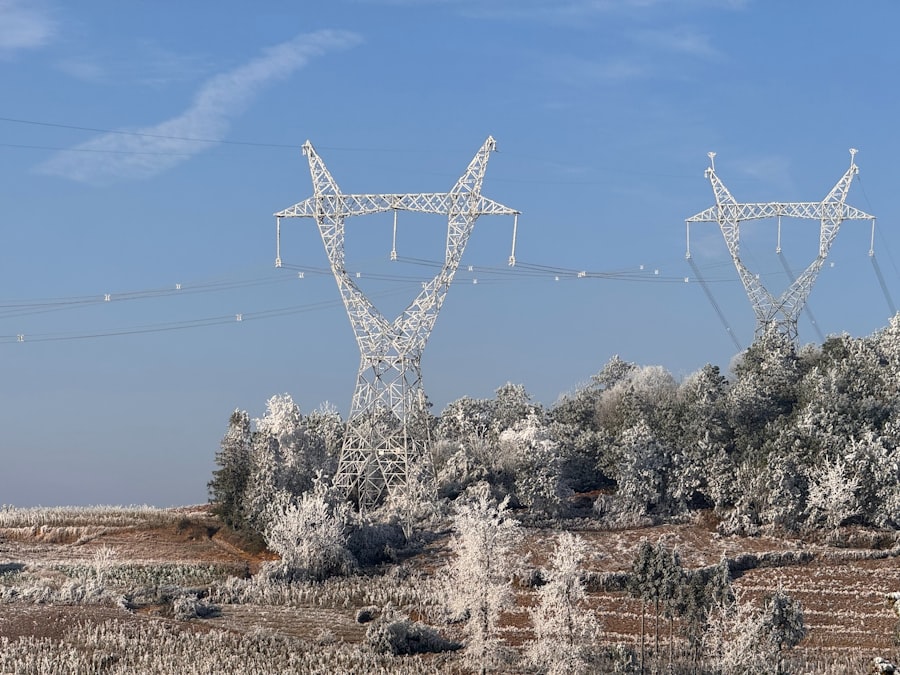
The escalating challenge of surging electricity demand during extreme heat necessitates a proactive and innovative approach to energy management, generation, and consumption. A multifaceted strategy involving technological advancements, policy interventions, and behavioral shifts is essential.
Enhancing Grid Resilience and Modernization
Investing in a more robust and intelligent electricity grid is paramount to withstanding the pressures of extreme heat.
Smart Grid Technologies: The Future of Electricity Delivery
Smart grids, equipped with advanced sensors, communication networks, and automated control systems, offer enhanced flexibility and efficiency. They enable real-time monitoring of grid conditions, dynamic load balancing, and faster response to disturbances, thereby improving reliability during peak demand periods.
Demand-Side Management and Load Shifting
Strategies that incentivize consumers to reduce their electricity consumption during peak hours, known as demand-side management, are crucial. This can include dynamic pricing that makes electricity more expensive during peak times and cheaper during off-peak hours, encouraging load shifting to cooler periods of the day or night.
Grid-Scale Energy Storage Solutions
The deployment of large-scale energy storage systems, such as batteries, pumped hydro storage, and thermal storage, can help to mitigate the intermittency of renewables and provide power during peak demand. Stored energy can be released when demand is highest, reducing reliance on peaker plants and improving grid stability.
Advancing Renewable Energy and Decarbonization
A faster transition to clean energy sources is fundamental to both reducing the environmental impact of electricity generation and building a more sustainable energy future.
Expanding Solar and Wind Capacity
Continued investment in and deployment of solar and wind power generation is essential. Innovations in panel efficiency, siting strategies, and integration with storage solutions can maximize their contribution, even during periods of heat.
Exploring Geothermal and Other Dispatchable Renewables
Geothermal energy, which provides a constant baseload power source, and other dispatchable renewable technologies can offer greater reliability and complement intermittent sources.
Improving the Grid Integration of Renewables
Developing advanced grid integration technologies and policies is crucial to ensure that renewable energy can be reliably incorporated into the grid, even when weather conditions are not optimal. This includes forecasting technologies and grid management software.
Promoting Energy Efficiency and Conservation
Reducing overall energy consumption is a cost-effective and impactful way to alleviate pressure on the grid, particularly during peak demand periods.
Building Efficiency Standards and Retrofits
Implementing and enforcing stringent energy efficiency standards for new buildings and incentivizing retrofits for existing ones can significantly reduce the cooling load. This includes improved insulation, high-performance windows, and energy-efficient HVAC systems.
Public Awareness Campaigns and Education
Educating consumers about energy-saving practices, the benefits of energy efficiency, and the impact of their consumption habits can drive behavioral change. Campaigns promoting mindful use of air conditioning, shading windows, and utilizing natural ventilation can collectively make a substantial difference.
Development of Cooler Materials and Urban Design
Research and development into innovative building materials that reflect solar radiation and urban planning strategies that incorporate green spaces and reduce the urban heat island effect can further reduce the need for artificial cooling.
As extreme heat continues to impact various regions, the demand for electricity surges, primarily due to increased air conditioning usage. This phenomenon not only strains power grids but also raises concerns about energy sustainability. For a deeper understanding of how climate change influences energy consumption patterns, you can read a related article on this topic at My Geo Quest. The insights provided can help shed light on the broader implications of rising temperatures on our energy infrastructure.
The Path Forward: Adapting to a Warmer World
| City | Temperature (°C) | Electricity Demand Increase (%) |
|---|---|---|
| New York | 35 | 15 |
| Los Angeles | 40 | 20 |
| Chicago | 38 | 18 |
The surge in electricity demand during extreme heat is not a temporary anomaly but a clear indicator of our planet’s warming trajectory and our society’s increasing reliance on energy-intensive comfort. Addressing this challenge requires a sustained and coordinated effort from all stakeholders, embracing both immediate mitigation strategies and long-term adaptation measures. The future of our energy systems, and indeed our ability to thrive in a warmer world, hinges on our capacity to innovate, invest, and collaborate. The heat is on, and the time for decisive action is now.
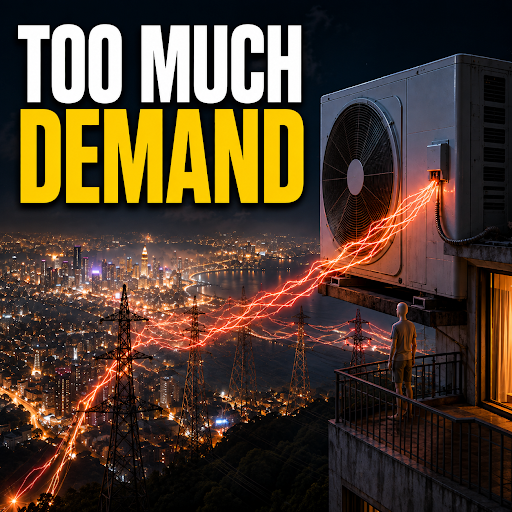
The Air-Conditioning Boom That Could Overwhelm Power Grids
FAQs
1. How does extreme heat increase electricity demand?
Extreme heat increases electricity demand because people use more air conditioning to cool their homes and businesses. This increased use of air conditioning puts a higher demand on the electricity grid.
2. What impact does extreme heat have on electricity infrastructure?
Extreme heat can strain electricity infrastructure, leading to potential power outages and blackouts. The increased demand for electricity during extreme heat can overload the grid and lead to equipment failures.
3. How does extreme heat affect the cost of electricity?
During periods of extreme heat, the increased demand for electricity can lead to higher prices for consumers. This is due to the increased strain on the electricity grid and the need for additional resources to meet the heightened demand.
4. What measures can be taken to mitigate the impact of extreme heat on electricity demand?
To mitigate the impact of extreme heat on electricity demand, measures such as energy efficiency programs, demand response initiatives, and investments in renewable energy sources can help reduce the strain on the grid and lower overall electricity demand during peak periods.
5. What are the potential long-term effects of extreme heat on electricity demand?
The potential long-term effects of extreme heat on electricity demand include the need for infrastructure upgrades to handle increased demand, higher electricity costs for consumers, and the importance of developing sustainable energy solutions to mitigate the impact of extreme heat on the electricity grid.