The relentless grip of extreme heat poses a formidable challenge to the intricate network of power grids that underpin modern society. As global temperatures climb, the very infrastructure designed to deliver electricity faces unprecedented stress, prompting urgent questions about its resilience and adaptability. Can these vital systems withstand the increasing intensity and frequency of heatwaves, or are we on the cusp of widespread, debilitating outages?
Extreme heat is no longer an anomaly; it is a recurring and intensifying threat, exacerbated by climate change. The consequences for power grids are multifaceted and deeply concerning, impacting both the supply and demand sides of the equation, as well as the physical integrity of the infrastructure itself. Understanding the nature of this threat is the first step in devising effective mitigation strategies.
Increased Demand During Heatwaves
One of the most immediate and obvious impacts of extreme heat is the surge in electricity demand. As temperatures soar, so does the reliance on air conditioning systems, which are the single largest consumer of electricity in many regions during the summer months.
The Air Conditioning Cascade
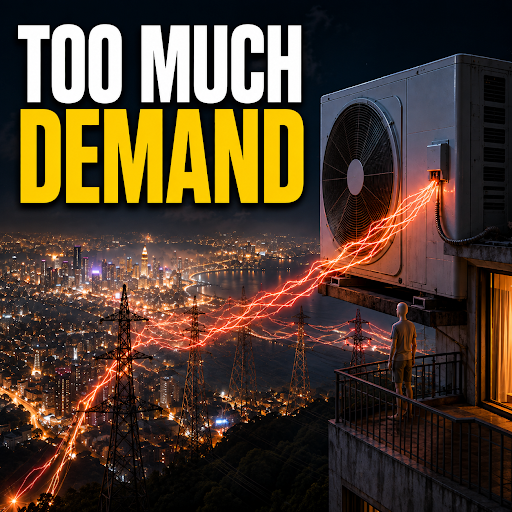
The widespread and simultaneous activation of air conditioning units across a metropolitan area or even an entire region creates a massive, synchronized spike in power demand. This “air conditioning cascade” can push grids to their operational limits, often exceeding projected peak loads. Utilities must be prepared to meet this demand, which requires significant generation capacity readily available.
Cooling Centers and Public Spaces
Beyond individual households, public spaces like cooling centers, hospitals, and businesses also ramp up their air conditioning to provide relief. While essential for public safety, these facilities further contribute to the overall strain on the grid, especially during prolonged heat events.
Industrial and Commercial Load
While residential use of air conditioning often dominates headlines, industrial and commercial operations also experience increased electricity consumption during hot weather. Refrigeration units in businesses, manufacturing processes that require climate control, and even the powering of more fans and cooling systems in offices add to the burden.
Reduced Power Generation Efficiency
Extreme heat doesn’t just increase demand; it also hampers the ability of power plants to generate electricity efficiently, creating a dual threat. Many common power generation methods are inherently sensitive to ambient temperatures, leading to reduced output precisely when it’s needed most.
Thermal Power Plant Performance Degradation
Thermal power plants, including those powered by fossil fuels (coal, natural gas) and nuclear energy, rely on cooling water to condense steam and drive turbines. Higher ambient air and water temperatures reduce the efficiency of this cooling process.
Cooling Water Scarcity and Temperature Limits
When water sources like rivers and lakes become excessively warm or depleted due to drought conditions, power plants may be forced to reduce their output or even shut down to prevent environmental damage or equipment failure. Even when water is available, its higher temperature means less efficient heat transfer, leading to a decrease in the amount of electricity that can be generated from the same amount of fuel.
Increased Auxiliary Power Consumption
Power plants themselves require electricity to operate auxiliary systems, such as pumps and fans. In hotter conditions, these systems may need to work harder, consuming more of the plant’s own generated power, thereby reducing the net output delivered to the grid.
Renewable Energy Vulnerabilities
While often promoted as climate-resilient, even renewable energy sources are not entirely immune to the impacts of extreme heat.
Solar Panel Efficiency Decline
Solar photovoltaic (PV) panels, a cornerstone of many renewable energy strategies, experience a decline in efficiency as their temperature increases. While they convert sunlight into electricity, excessive heat can hinder this conversion process, meaning that the power output from a solar farm can decrease during the hottest parts of the day.
Wind Turbine Performance Impacts
While wind power is generally seen as a boon during heatwaves (as hot air can sometimes lead to stronger winds), there are nuances. Extremely high temperatures can sometimes lead to changes in air density that affect turbine performance. Furthermore, the lubricants and components within wind turbines can be stressed by prolonged extreme heat, potentially leading to increased maintenance needs or even failures.
Physical Degradation of Grid Infrastructure
The very components that make up the power grid are susceptible to physical damage and reduced performance when subjected to prolonged periods of extreme heat. This can lead to cascading failures and widespread outages.
Transmission Line Sag and Reduced Capacity
Power lines, particularly those made of aluminum or copper, are designed to withstand a certain amount of sag under normal conditions. However, extreme heat causes these conductors to expand and sag further. When lines sag too much, they can come into contact with trees or other objects, causing short circuits and fires. More importantly, sagged lines have reduced current-carrying capacity, meaning they can transmit less power, exacerbating supply issues during peak demand.
Transformer Overheating and Failure
Transformers are critical components that step up or step down voltage at various points in the grid. They are filled with insulating oil, which also helps with cooling. During extreme heat, transformers are forced to work harder to manage increased power flow, and their ability to dissipate heat is diminished. This can lead to overheating, accelerated aging of insulation, and ultimately, failure. Replacing large, critical transformers is a complex and time-consuming process.
Substation Component Stress
Substations, the nerve centers of the grid where power is switched and routed, contain a multitude of components, including circuit breakers, switches, and busbars. These components are also susceptible to thermal stress. Overheating can lead to expansion and contraction of materials, potentially causing mechanical issues, reduced conductivity, and increased risk of failure.
As climate change continues to intensify, the resilience of power grids under extreme heat conditions has become a pressing concern. A related article explores the challenges faced by energy infrastructure during heatwaves and discusses potential solutions to enhance grid reliability. For more insights on this critical issue, you can read the article here: Power Grids and Extreme Heat: Challenges and Solutions.
The Vicious Cycle: Heatwaves, Demand, and Grid Strain
The interplay between rising temperatures, escalating electricity demand, and the grid’s diminished capacity creates a dangerous feedback loop. As heatwaves become more frequent and intense, the strain on the power grid intensifies, increasing the likelihood of failures that can, in turn, worsen the impact of heatwaves.
Cascading Failures and Blackouts
When one part of the grid fails due to heat-related stress, it can put additional strain on other parts, leading to a domino effect. This is known as a cascading failure, which can ultimately result in widespread power outages or blackouts.
Load Shedding and Rolling Blackouts
To prevent a complete grid collapse, utility operators may resort to “load shedding,” which involves intentionally disconnecting power to certain areas to reduce overall demand. This often manifests as rolling blackouts, where power is temporarily cut off to different neighborhoods in a rotating fashion. While intended to protect the grid, these outages can be devastating for communities, especially during a heatwave, leading to health risks and economic disruption.
The Interconnectedness of Modern Grids
Modern power grids are highly interconnected, allowing for the efficient transmission of electricity over long distances. While this interconnectivity offers advantages in terms of reliability under normal conditions, it also means that a failure in one region can have ripple effects across a much wider area, amplifying the impact of localized problems.
As climate change continues to escalate, concerns about the resilience of power grids during extreme heat events have become increasingly prominent. A related article discusses how rising temperatures can strain electrical systems and lead to outages, highlighting the urgent need for infrastructure upgrades. For more insights on this critical issue, you can read the article here: My Geo Quest. Understanding these challenges is essential for ensuring a reliable energy supply in the face of climate extremes.
Economic and Social Consequences of Grid Failure
The implications of power grid failures due to extreme heat extend far beyond mere inconvenience. They can have profound economic, social, and public health consequences.
Impact on Essential Services
Hospitals, water treatment plants, communication networks, and emergency services all rely on a steady supply of electricity. Prolonged outages during a heatwave can cripple these essential services, putting lives at risk.
Business Disruptions and Economic Losses
Businesses, from small shops to large industrial facilities, suffer significant economic losses during power outages. Lost productivity, spoiled inventory, and damage to equipment can have a lasting impact. The cumulative effect of widespread outages can be a substantial blow to local and national economies.
Public Health Crisis
The most immediate and concerning consequence of power grid failure during a heatwave is the risk to public health. Without air conditioning, vulnerable populations, including the elderly, young children, and individuals with pre-existing health conditions, are at increased risk of heatstroke, dehydration, and other heat-related illnesses. In extreme cases, these can be fatal.
Strategies for Enhancing Grid Resilience Against Extreme Heat
Recognizing the escalating threat, a multi-pronged approach is necessary to fortify power grids against the challenges of extreme heat. This involves both immediate adaptation measures and long-term investments in modernization and innovation.
Modernizing the Grid Infrastructure
The existing power grid infrastructure, in many parts of the world, was not designed for the climate realities of the 21st century. Modernization efforts are crucial.
Upgrading Transmission and Distribution Lines
Replacing older, less heat-resistant conductors with advanced materials that expand less under heat can significantly improve transmission line capacity and reduce sag. Undergrounding power lines in vulnerable areas is another strategy, though it is more costly and complex.
Enhancing Transformer Cooling and Capacity
Implementing advanced cooling systems for transformers, such as forced oil circulation or larger cooling fins, can improve their thermal performance. Additionally, replacing older transformers with newer, higher-capacity units designed for harsher conditions can bolster resilience.
Strengthening Substation Equipment
Regular maintenance and upgrades to substation equipment, including the use of more heat-tolerant materials and improved ventilation, are essential to prevent failures.
Investing in Distributed Energy Resources (DERs)
Distributed Energy Resources, such as rooftop solar panels, battery storage, and microgrids, offer a decentralized approach to power generation that can enhance grid resilience.
The Role of Battery Storage
Battery energy storage systems (BESS) are becoming increasingly vital. They can store excess energy generated during cooler periods or from intermittent renewable sources and then discharge it during peak demand or when grid supply is threatened by heat. This provides a crucial buffer against sudden spikes in demand and helps to stabilize the grid.
Microgrids for Localized Resilience
Microgrids are self-sufficient, localized energy systems that can operate independently of the main grid. During a heatwave and potential outages in the larger grid, a microgrid can continue to supply power to its connected facilities, providing a critical lifeline for essential services and communities.
The Growth of Rooftop Solar
While solar panels’ efficiency decreases with heat, the sheer number of distributed rooftop solar installations can still contribute significantly to overall power supply. Moreover, when paired with battery storage, these systems become even more powerful in providing localized, resilient power.
Improving Forecasting and Demand-Side Management
Accurate forecasting of heatwaves and proactive management of electricity demand are critical tools for grid operators.
Advanced Weather Prediction Models
Utilizing sophisticated weather forecasting models that can predict the intensity, duration, and spatial extent of heatwaves with greater accuracy allows utilities to prepare more effectively.
Smart Grid Technologies and Demand Response Programs
Smart grid technologies enable real-time monitoring of grid conditions and electricity consumption. Demand response programs incentivize consumers to reduce their electricity usage during peak demand periods, often through financial rewards or automated adjustments to smart appliances.
Behavioral Nudges and Incentives
Educating consumers about the importance of conserving energy during heatwaves and offering attractive incentives for reducing consumption can significantly impact overall demand.
Automated Demand Management
Smart thermostats and other connected devices can be programmed to automatically adjust settings during peak hours, reducing strain on the grid without significant inconvenience to the user.
The Path Forward: Adaptation and Innovation for a Hotter Future
The question of whether power grids can survive extreme heat is not a simple yes or no. It is a question of adaptation, innovation, and sustained investment. The challenges are significant, but the consequences of inaction are far more dire.
The Urgency of Climate Action
Ultimately, the most effective long-term strategy for ensuring grid resilience is to mitigate the root cause of extreme heat: climate change. Reducing greenhouse gas emissions through a transition to cleaner energy sources and embracing sustainable practices is paramount.
Decarbonization of the Energy Sector
Shifting away from fossil fuels towards renewable energy sources like solar, wind, and geothermal power is essential not only for climate mitigation but also for building a more inherently resilient energy system, as these sources are less susceptible to heat-related performance degradation compared to traditional thermal plants.
Energy Efficiency and Conservation Initiatives
Beyond grid modernization, promoting energy efficiency across all sectors of society – from building insulation and efficient appliances to industrial processes – will reduce overall demand, lessening the strain on the grid even under normal conditions, and providing a critical buffer during extreme heat events.
Collaborative Efforts and Policy Support
Addressing the complex challenges of grid resilience requires a coordinated effort involving utilities, governments, researchers, and the public.
Regulatory Frameworks and Investment Incentives
Governments play a crucial role in establishing supportive regulatory frameworks and providing financial incentives for investments in grid modernization, renewable energy, and energy efficiency technologies.
Research and Development in Grid Technologies
Continued investment in research and development is vital to create new, innovative solutions for grid resilience, including advanced materials, more efficient energy storage technologies, and sophisticated grid management systems.
Public Awareness and Engagement
Educating the public about the challenges facing power grids and the importance of energy conservation is crucial. Engaged communities can be powerful allies in advocating for necessary investments and adopting energy-saving behaviors.
In conclusion, the ability of power grids to survive extreme heat is not a foregone conclusion. It is a dynamic challenge that demands proactive measures, technological innovation, and a fundamental shift in how we generate, distribute, and consume electricity. By understanding the multifaceted threats posed by rising temperatures and by investing in resilient infrastructure, smart technologies, and sustainable practices, society can move towards a future where power grids can indeed withstand the intensifying heat, safeguarding both the lights and lives of its citizens.
The Air-Conditioning Boom That Could Overwhelm Power Grids
FAQs
1. What are the potential challenges that extreme heat poses to power grids?
Extreme heat can lead to increased electricity demand as people use more air conditioning, which can strain the power grid. It can also cause equipment failures and power outages due to overheating of transformers and other infrastructure.
2. How do power grids typically prepare for extreme heat events?
Power grids prepare for extreme heat by conducting regular maintenance and inspections of equipment to ensure it can handle high temperatures. They may also implement demand response programs to reduce strain on the grid during peak usage times.
3. What are some strategies for mitigating the impact of extreme heat on power grids?
Some strategies for mitigating the impact of extreme heat on power grids include investing in smart grid technology, improving energy efficiency, and diversifying energy sources to reduce reliance on a single power generation method.
4. How do power grids respond to power outages caused by extreme heat?
Power grids respond to power outages caused by extreme heat by prioritizing restoration efforts, communicating with the public about the status of outages, and implementing contingency plans to ensure critical infrastructure remains operational.
5. What are the long-term implications of extreme heat on power grids?
The long-term implications of extreme heat on power grids include the need for infrastructure upgrades to withstand higher temperatures, increased investment in renewable energy sources, and the development of more resilient grid systems to adapt to changing climate conditions.