The invisible force powering modern life, electricity, experiences its most intense moments during what are known as peak hours. These are the periods when the demand for this essential commodity surges, pushing grids to their limits and presenting significant challenges for utilities and consumers alike. Understanding these peak periods, the reasons behind them, and the strategies employed to manage them is crucial for ensuring a reliable and sustainable energy future.
Peak demand for electricity isn’t a random occurrence; it’s a predictable rhythm dictated by human behavior and environmental factors. Utilities meticulously track and forecast these periods to avoid disruptions and ensure that enough power is generated and distributed to meet the collective needs of homes and businesses.
Daily Peaks: The Morning Rush and Evening Surge
The most common and pronounced peak demand periods occur daily. These are generally divided into two main surges.
The Morning Awakening: Starting the Day
As the sun begins to rise, so too does electricity consumption. This “morning peak” is driven by a multitude of activities as individuals and businesses prepare for the day ahead.
Residential Ramp-Up: From Snooze to Service
For households, the morning is a flurry of activity. Lights are switched on, alarm clocks silenced, and electronic devices powered up.
- Kitchen Appliances: Coffee makers whir to life, toasters pop, and microwaves hum as breakfast is prepared.
- Personal Grooming: Hair dryers, electric shavers, and curling irons draw power as people get ready for work or school.
- Entertainment and Information: Televisions are turned on to catch the morning news or weather, and smartphones are checked for updates.
- Home Systems: Thermostats might adjust heating or cooling to a comfortable morning temperature, and smart home devices begin their daily routines.
Commercial and Industrial Stirring: Businesses Come Alive
Simultaneously, the commercial and industrial sectors begin their operations, significantly contributing to the morning demand.
- Office Buildings: Lights are switched on in offices, computers and servers are powered up, and HVAC systems start conditioning the workspace.
- Retail Establishments: Shops and restaurants open their doors, turning on their lighting, refrigeration, and point-of-sale systems.
- Manufacturing Facilities: Industrial processes that may have been on standby overnight resume production, leading to substantial power consumption.
- Transportation Hubs: Airports, train stations, and public transit systems increase their operational power to manage the morning commute.
The Evening Re-Awakening: Winding Down and Powering Up
As daylight fades, a second, often even higher, peak demand period emerges. This “evening peak” is characterized by a different set of activities, but with an equally significant impact on the grid.
Residential Relaxation and Entertainment: The Heart of the Evening Peak
The evening is when many people return home, seeking comfort, entertainment, and sustenance. This leads to a concentrated surge in residential electricity usage.
- Lighting Intensification: As darkness falls, homes become fully illuminated, a significant contributor to the evening demand.
- Appliance Usage: Dinner preparation is in full swing, with ovens, stovetops, dishwashers, and microwaves all operating simultaneously.
- Entertainment Systems: Televisions, gaming consoles, home theater systems, and stereo equipment are widely used, drawing considerable power.
- Cooling or Heating: Depending on the season, air conditioning or heating systems often work hardest during the evening to maintain comfortable indoor temperatures.
- Personal Devices: As people relax, they continue to use smartphones, tablets, and laptops.
Commercial and Public Sector Wind-Down and Continued Activity: A Mixed Picture
While some commercial activities decrease, others persist or even increase during the evening.
- Restaurants and Entertainment Venues: These businesses often experience their busiest periods in the evening, requiring significant lighting, cooking, and climate control.
- Hospitals and Healthcare Facilities: These essential services operate 24/7, and their power demands remain high throughout the evening for life support systems, lighting, and equipment.
- Public Lighting: Streetlights and illuminated public spaces contribute to the overall evening demand.
- Some Industrial Processes: Certain manufacturing or processing operations may continue through the night or into the early evening.
Seasonal Peaks: The Influence of Weather
Beyond the daily cycle, seasonal variations play a crucial role in shaping electricity demand, leading to periods of exceptionally high consumption.
Summer: The Reign of the Air Conditioner
The summer months are notorious for their intense peak demand, largely driven by the widespread use of air conditioning.
Heat Waves and Rising Temperatures: A Grid Under Strain
When temperatures soar, particularly during heat waves, the demand for cooling becomes paramount.
- Residential AC Units: Millions of homes rely on air conditioning to provide relief from the heat, leading to a massive increase in electricity consumption. The more extreme the heat, the harder these units work.
- Commercial Cooling: Offices, shopping malls, and other public spaces also crank up their air conditioning to maintain comfortable environments for customers and employees.
- Data Centers: These facilities, which are essential for the digital economy, generate significant heat and require robust cooling systems, contributing to the summer peak regardless of ambient temperature.
- Agriculture: In some regions, irrigation systems that rely on electricity may operate more frequently during hot, dry periods.
Winter: The Demand for Heat and Light
While summer is often associated with the highest peaks due to cooling, winter can also present significant demand challenges, particularly in colder climates.
Cold Snaps and Extended Darkness: The Dual Threat
When temperatures plummet, and the days are shorter, electricity demand can spike for both heating and lighting.
- Electric Heating Systems: Homes and businesses relying on electric heaters, heat pumps, or electric furnaces experience a dramatic increase in energy consumption to combat the cold.
- Increased Lighting Needs: With shorter daylight hours, artificial lighting is used for longer periods in both residential and commercial settings.
- Defrosting and Snow Removal: Electric snow blowers and heating elements for defrosting can add to the winter demand.
The Unpredictable Peaks: Emerging Factors
While daily and seasonal patterns are predictable, certain events can trigger sudden and unexpected spikes in electricity demand.
Inclement Weather Events: Storms and Their Aftermath
Severe weather events, such as thunderstorms, ice storms, or hurricanes, can disrupt normal life and lead to unusual demand patterns.
- Power Outages and Restoration: Following an outage, the simultaneous restoration of power to numerous homes and businesses can create a significant surge as all appliances and systems are brought back online at once.
- Emergency Heating/Cooling: During severe weather, people may rely more heavily on electric heating or cooling systems to maintain habitable conditions.
Special Events and Holidays: Concentrated Usage
Large-scale events or specific holidays can also lead to localized or widespread increases in electricity demand.
- Sporting Events: Major sporting events, especially those broadcast live, can lead to a surge in home viewership, with many households simultaneously using televisions and related entertainment devices.
- Festive Lighting: Holidays like Christmas and Diwali, with their extensive use of decorative lighting, can significantly contribute to peak demand during specific periods.
- Concerts and Festivals: Large public gatherings often require substantial temporary power infrastructure.
Electricity demand tends to peak during the hottest hours of the day, particularly in summer months when air conditioning usage surges. For a deeper understanding of how temperature fluctuations impact energy consumption patterns, you can refer to a related article on this topic at MyGeoQuest. This resource provides insights into the correlation between weather conditions and electricity demand, helping to shed light on the challenges faced by energy providers during peak usage times.
The Impact of Peak Demand: Straining the System
The sheer volume of electricity consumption during peak hours places immense pressure on the entire electrical grid, from generation to transmission and distribution. The consequences of this strain are far-reaching.
Generation Capacity: The Need for “Peaker” Plants
To meet the highest demands, utilities must have sufficient generating capacity available. However, building and maintaining enough power plants to consistently handle peak loads is economically challenging.
The Role of Peaker Plants: Expensive but Necessary
“Peaker plants” are power generation facilities designed to operate only during periods of high demand.
- Natural Gas Turbines: These are a common type of peaker plant due to their quick startup times and flexibility. However, they are often less efficient and can have higher emissions compared to baseload power plants.
- Environmental Concerns: The reliance on peaker plants, particularly those burning fossil fuels, raises concerns about air quality and carbon emissions.
- Economic Viability: Keeping these plants ready to operate often means incurring significant standby costs, making electricity during peak hours more expensive.
Transmission and Distribution: The Bottlenecks
The infrastructure that carries electricity from power plants to consumers – the transmission and distribution lines – can become bottlenecks during peak hours.
Overloaded Lines and Infrastructure: The Risk of Failure
When electricity demand surges, the flow of power through transmission and distribution lines increases.
- Overheating: Excessive current can cause wires and transformers to overheat, increasing the risk of equipment failure and power outages.
- Voltage Drops: High demand can lead to a drop in voltage, which can affect the performance of electrical appliances and potentially damage sensitive electronics.
- Grid Congestion: Transmission lines can become congested, limiting the ability to deliver power from where it is generated to where it is needed most.
Grid Stability and Reliability: The Constant Threat of Blackouts
The ultimate concern during peak demand is maintaining grid stability and preventing widespread blackouts.
Balancing Supply and Demand: A Delicate Act
The electrical grid operates on a knife-edge, constantly balancing the instantaneous supply of electricity with the fluctuating demand.
- Frequency Deviations: Any significant imbalance can cause fluctuations in the grid’s frequency, which can trigger protective relays and lead to automatic shutdowns to prevent damage.
- Cascading Failures: A failure in one part of the grid due to overload can trigger failures in other parts, leading to a widespread blackout – a phenomenon known as a cascading failure.
- The Cost of Outages: Power outages are not just an inconvenience; they have significant economic and social costs, impacting businesses, healthcare, and daily life.
Managing Peak Demand: Strategies for a Balanced Grid
Recognizing the challenges posed by peak demand, utilities and policymakers employ a range of strategies to manage these critical periods, aiming to flatten the demand curve and enhance grid resilience.
Demand-Side Management: Influencing Consumer Behavior
Demand-side management (DSM) refers to initiatives designed to encourage consumers to reduce their electricity usage, particularly during peak hours.
Time-of-Use Pricing: Making Every Hour Count
This pricing strategy charges different rates for electricity depending on the time of day.
- Higher Prices During Peaks: Consumers are incentivized to shift their electricity usage to off-peak hours when prices are lower.
- Encouraging Behavioral Change: This can involve running dishwashers overnight, charging electric vehicles during off-peak times, or pre-cooling homes before the evening peak.
- Smart Meters: The widespread adoption of smart meters is crucial for the effective implementation of time-of-use pricing, enabling utilities to track consumption in real-time and customers to monitor their usage.
Demand Response Programs: Incentivizing Flexibility
Demand response programs allow utilities to remotely signal participants to reduce their electricity consumption during critical peak events.
- Incentives and Rebates: Participants often receive financial incentives or bill credits for agreeing to reduce their load when called upon.
- Automated Load Shedding: Some programs involve automated systems that temporarily cycle off non-essential appliances, such as air conditioners, during peak demand events.
- Industrial and Commercial Participation: Large industrial and commercial users, with their significant electricity needs, are often key participants in demand response programs.
Energy Efficiency Programs: Reducing Overall Consumption
While not directly targeting peak hours, reducing overall electricity consumption through energy efficiency measures indirectly alleviates peak demand.
- Appliance Standards: Government regulations setting minimum energy efficiency standards for appliances ensure that new products consume less power.
- Building Codes: Stricter building codes mandate better insulation, more efficient windows, and optimized HVAC systems, reducing the energy needed for heating and cooling.
- Public Awareness Campaigns: Educating consumers about energy-saving practices, such as turning off lights and unplugging devices when not in use, can collectively make a difference.
Supply-Side Solutions: Enhancing Grid Flexibility
In addition to managing demand, efforts are underway to improve the flexibility and responsiveness of electricity supply.
Integrating Renewable Energy: The Intermittency Challenge
Renewable energy sources like solar and wind power are becoming increasingly important. However, their intermittent nature presents challenges for peak demand management.
- Solar Power During the Day: Solar power generation aligns well with daytime demand but can drop off as the evening peak approaches.
- Wind Power Variability: Wind power generation is dependent on wind speed and direction, making it less predictable than traditional power sources.
- Need for Storage: Battery storage technologies are crucial for storing excess renewable energy generated during off-peak hours and discharging it during peak times.
Grid Modernization and Smart Grids: The Future of Power Delivery
Investing in grid modernization and smart grid technologies is essential for better managing electricity flow and responding to demand fluctuations.
- Advanced Metering Infrastructure (AMI): Smart meters provide real-time data on energy consumption, enabling more dynamic pricing and demand response.
- Supervisory Control and Data Acquisition (SCADA) Systems: These systems allow utilities to monitor and control grid operations remotely, identifying and responding to potential issues more quickly.
- Distributed Energy Resources (DERs): The integration of DERs, such as rooftop solar panels, small-scale wind turbines, and battery storage systems, can provide localized power and reduce reliance on centralized generation during peak times.
Energy Storage Solutions: Bridging the Gap
Energy storage technologies are emerging as a critical component in managing peak demand.
- Battery Energy Storage Systems (BESS): Large-scale battery farms can store electricity generated during low-demand periods and release it during peak hours, effectively acting as a buffer.
- Pumped Hydro Storage: This established technology uses excess electricity to pump water to a higher reservoir, releasing it through turbines to generate power when needed.
- Other Emerging Technologies: Research and development continue into other storage solutions, including compressed air energy storage and thermal energy storage.
The Economic and Environmental Implications of Peak Demand
The way electricity is generated and consumed during peak hours has significant economic and environmental consequences that are increasingly under scrutiny.
The Cost of Peak Power: A Premium Price for Energy
The cost of electricity during peak demand is often higher than during off-peak hours, and this difference has several contributing factors.
The “Peaker Plant” Premium: Inefficiency and Emissions
As mentioned earlier, the reliance on less efficient and more polluting peaker plants to meet peak demand incurs higher operational costs and external environmental costs.
- Fuel Costs: Natural gas prices, a common fuel for peaker plants, can fluctuate significantly, impacting the cost of peak power.
- Maintenance and Standby Costs: Keeping these plants ready to run involves considerable maintenance and operational expenses even when they are not actively generating electricity.
Grid Upgrades and Infrastructure Investment: A Necessary Expense
Ensuring the grid can handle peak loads requires substantial ongoing investment in transmission and distribution infrastructure.
- Strengthening Lines and Transformers: Upgrading infrastructure to prevent overheating and voltage drops during peak times is a costly but essential endeavor.
- Cybersecurity: Modernizing the grid also necessitates robust cybersecurity measures to protect against threats, adding to the overall investment.
Environmental Footprint: The Dirty Side of Peak Power
The impact of peak demand on the environment is a growing concern.
Increased Greenhouse Gas Emissions: A Climate Change Contributor
The reliance on fossil fuel-based peaker plants during peak hours significantly contributes to greenhouse gas emissions.
- Carbon Dioxide (CO2): The combustion of natural gas releases CO2, a major greenhouse gas contributing to global warming.
- Other Pollutants: Peaker plants can also release other harmful pollutants, such as nitrogen oxides (NOx) and sulfur dioxide (SO2), which contribute to air pollution and acid rain.
Resource Depletion: The Demand for Fossil Fuels
The continued reliance on fossil fuels to meet peak demand contributes to the depletion of these finite resources.
The Drive Towards Decarbonization: A New Paradigm
The push towards a low-carbon economy is fundamentally reshaping how we approach peak demand.
- Renewable Integration: The increased integration of renewable energy sources, coupled with advancements in energy storage, aims to reduce the reliance on fossil fuels for peak power.
- Electrification Challenges: As more sectors, like transportation and heating, electrify, managing the resulting increased electricity demand during peak hours will become even more critical.
- Smart Consumption: Encouraging more mindful and efficient electricity consumption patterns will be key to a sustainable energy future.
As electricity demand tends to peak during the hottest hours of the day, understanding this phenomenon is crucial for energy management. A related article that delves deeper into the factors influencing electricity consumption during these peak times can be found here. By examining trends and patterns, we can better prepare for the challenges posed by rising temperatures and ensure a stable energy supply.
The Future of Peak Hours: Innovation and Transformation
“`html
| Time | Electricity Demand (MW) | Temperature (°C) |
|---|---|---|
| 12:00 PM | 3000 | 35 |
| 1:00 PM | 3200 | 36 |
| 2:00 PM | 3300 | 37 |
| 3:00 PM | 3400 | 38 |
“`
The concept of “peak hours” as we currently understand it is likely to evolve significantly in the coming years, driven by technological advancements, policy changes, and a growing awareness of sustainability.
The Smart Grid of Tomorrow: Dynamic and Responsive
The future grid will be far more dynamic and responsive, leveraging advanced technologies to manage electricity flow with unprecedented precision.
Artificial Intelligence and Machine Learning: Predicting and Optimizing
AI and machine learning will play an increasingly vital role in forecasting demand with greater accuracy and optimizing grid operations in real-time.
- Predictive Analytics: AI algorithms can analyze vast datasets of weather patterns, historical usage, and social events to predict peak demand with greater precision, allowing utilities to prepare more effectively.
- Automated Grid Management: AI can automate many aspects of grid management, making instantaneous adjustments to supply and demand to maintain stability.
- Personalized Energy Management: AI-powered platforms can offer consumers personalized insights and recommendations to optimize their energy usage and reduce costs.
The Rise of the Prosumer: Empowered Consumers
The traditional model of electricity consumption is shifting towards a more participatory approach, with consumers becoming “prosumers” – both producers and consumers of electricity.
Distributed Energy Resources (DERs) and Microgrids: Localized Power Solutions
The proliferation of DERs, such as rooftop solar panels and home battery storage, is empowering individuals and communities to generate their own electricity.
- Reduced Grid Reliance: Microgrids, which can operate independently of the main grid, can provide a more resilient power supply for critical facilities and communities.
- Peer-to-Peer Energy Trading: Blockchain technology and other platforms are enabling peer-to-peer energy trading, where individuals can sell excess solar energy to their neighbors, further decentralizing power.
Electric Vehicles (EVs) and Smart Charging: A New Demand Curve
The widespread adoption of electric vehicles presents both a challenge and an opportunity for peak demand management.
- Unmanaged Charging: If EV owners all plug in their vehicles to charge immediately upon arriving home during the evening peak, it could significantly exacerbate the problem.
- Smart Charging Solutions: Advanced EV charging systems can automatically adjust charging times to off-peak hours or when renewable energy is abundant, effectively turning EVs into mobile energy storage devices.
- Vehicle-to-Grid (V2G) Technology: This emerging technology allows EVs to not only draw power from the grid but also to discharge stored energy back into the grid during peak demand, providing valuable grid services.
Policy and Regulatory Evolution: Incentivizing a Sustainable Future
Government policies and regulatory frameworks will be crucial in shaping the future of peak demand management.
Carbon Pricing and Emissions Reductions: Driving Innovation
Policies that put a price on carbon emissions will incentivize the transition to cleaner energy sources and more efficient technologies.
- Renewable Energy Mandates: Setting ambitious renewable energy targets will drive investment in solar, wind, and other clean power generation.
- Support for Energy Storage: Incentives and policies that support the development and deployment of energy storage solutions are vital for a flexible grid.
Grid Modernization Investments: Building the Infrastructure of Tomorrow
Continued investment in modernizing the electrical grid is essential to accommodate new technologies and manage evolving demand patterns.
- Digitalization of the Grid: Embracing digital technologies will enhance the grid’s ability to monitor, control, and optimize energy flows.
- Resilience and Reliability Standards: Setting and enforcing higher standards for grid resilience and reliability will ensure a dependable power supply for all consumers.
The Shifting Perception of “Peak”: From Crisis to Opportunity
Ultimately, the future may see a reframing of “peak hours” from a period of crisis and strain to an opportunity for innovation and system optimization. By embracing smart technologies, fostering consumer engagement, and implementing forward-thinking policies, societies can transform the challenges of peak electricity demand into a catalyst for a more sustainable, reliable, and efficient energy future. The ebb and flow of electricity consumption will continue, but the way we manage those surges will be a defining characteristic of our electrified world.
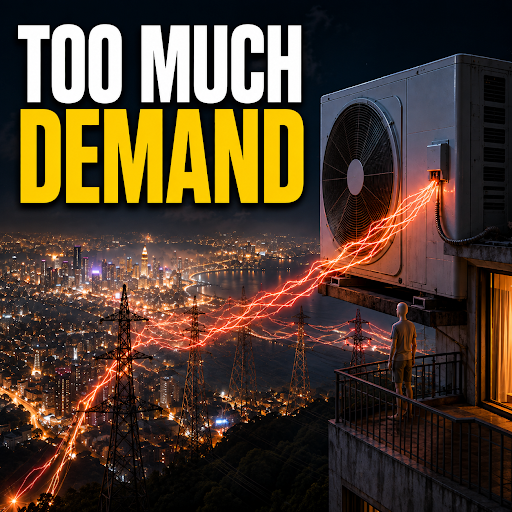
The Air-Conditioning Boom That Could Overwhelm Power Grids
FAQs
What are the hottest hours for electricity demand?
The hottest hours for electricity demand typically occur during the late afternoon and early evening, when people are returning home from work and using appliances and electronics.
Why are the late afternoon and early evening the hottest hours for electricity demand?
During these hours, there is a peak in residential electricity usage as people cook dinner, do laundry, and use air conditioning or heating, resulting in higher demand on the electrical grid.
How does electricity demand fluctuate throughout the day?
Electricity demand tends to be lower during the early morning and late at night when people are asleep and many businesses are closed. Demand then increases during the day and peaks in the late afternoon and early evening.
What factors contribute to higher electricity demand during the hottest hours?
Factors contributing to higher electricity demand during the hottest hours include increased use of air conditioning, cooking appliances, lighting, and entertainment devices as people return home from work and school.
How does electricity demand during the hottest hours impact the electrical grid?
The increased demand for electricity during the hottest hours can put strain on the electrical grid, leading to potential issues such as brownouts or blackouts if the supply cannot meet the demand. Utilities must carefully manage and balance the supply and demand during these peak hours.