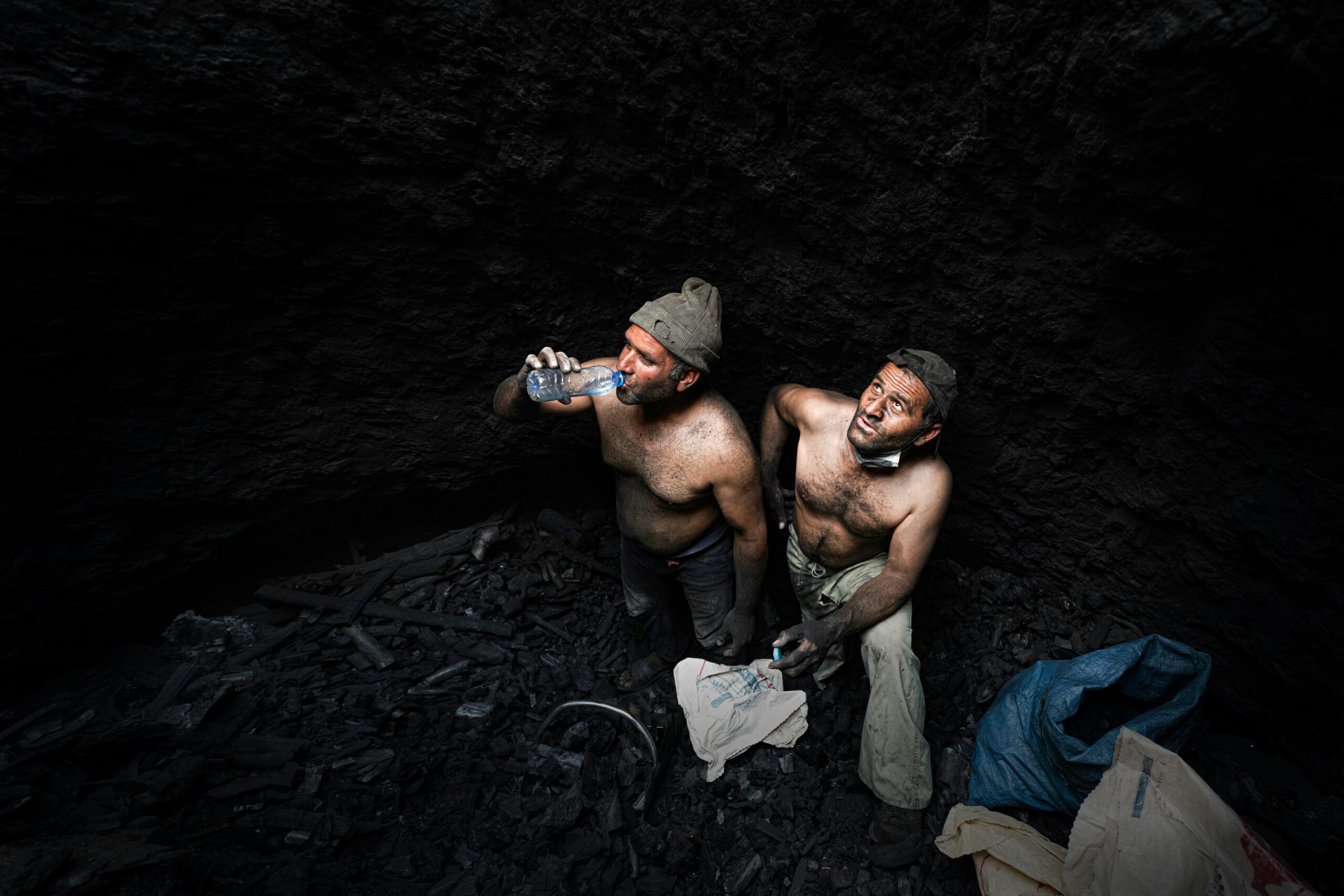
The hushed darkness of the earth yields its secrets in “Exploring Hidden Depths: The Underground Water Documentary,” a profound cinematic journey into the unseen arteries of our planet. This landmark film eschews the familiar, the sunlight-drenched landscapes we readily recognize, to plunge into the enigmatic realm of subterranean water, revealing a world of astonishing complexity, vital importance, and emergent fragility. Through meticulous research, breathtaking visuals captured in some of the world’s most remote and inaccessible locations, and compelling expert testimony, the documentary crafts a narrative that is both scientifically rigorous and deeply moving, urging viewers to reconsider their relationship with this most fundamental of resources.
“Exploring Hidden Depths” begins with a starkly beautiful proposition: the majority of Earth’s freshwater is not in its rivers, lakes, or glaciers, but hidden beneath our feet. The documentary meticulously dissects this surprising reality, guiding the audience through the geological formations that trap and store immense quantities of water. It employs cutting-edge CGI and animation to illustrate the slow, inexorable processes of groundwater formation, tracing the journey of rainfall and snowmelt as it percolates through layers of soil, rock, and sediment.
The Geological Tapestry of Groundwater
The film delves into the intricate geological tapestry that underpins these hidden reservoirs. It highlights how different rock types and geological structures play a crucial role in water storage and movement. Limestone, with its cavernous systems, and porous sandstone formations are presented as natural sponges, capable of holding vast volumes of water for millennia. The documentary showcases examples from iconic regions like the Karst landscapes of Slovenia and the vast Ogallala Aquifer in North America, demonstrating the sheer scale of these subterranean reserves.
The Science of Aquifers: Nature’s Water Banks
A significant portion of the film is dedicated to explaining the concept of aquifers – underground layers of water-bearing permeable rock or unconsolidated materials (gravel, sand, or silt) from which groundwater can be extracted using a water well. Experts meticulously break down the intricacies of aquifer systems, explaining concepts like transmissivity, storativity, and recharge zones. The visuals here are particularly enlightening, with animated cross-sections of the earth revealing the interconnectedness of different aquifer layers and the flow of water through them. The documentary emphasizes that these are not static entities but dynamic, albeit slow-moving, systems that respond to geological pressures and hydrological cycles.
The Genesis of Groundwater: The Hydrological Cycle’s Hidden Arm
While the surface hydrological cycle is a familiar concept, “Exploring Hidden Depths” illuminates its subterranean counterpart. The film meticulously details how precipitation, far from simply flowing into rivers, seeps into the ground, replenishing these hidden reserves. It explores the role of unsaturated zones, the intermediate layer between the surface and the saturated zone where groundwater resides, and the processes of infiltration and percolation that govern its descent. The documentary visits diverse environments, from arid deserts where even scant rainfall is crucial for aquifer recharge to temperate forests where the intricate root systems of trees facilitate water infiltration.
Recharge Zones: The Lifelines of Aquifers
The concept of recharge zones is presented as paramount to the sustainability of groundwater. The film highlights how these surface areas, often seemingly unremarkable landscapes, are critical in allowing water to replenish aquifers. Examples are drawn from regions where human activity has inadvertently impacted these sensitive zones, leading to reduced groundwater levels. The documentary underscores the delicate balance required to protect these recharge areas, emphasizing that damage to them can have long-lasting and severe consequences for water availability.
For those interested in the fascinating world of underground water, a related article that delves deeper into this essential resource can be found at MyGeoQuest. This article explores the various aspects of groundwater, including its significance for ecosystems, agriculture, and human consumption, while also highlighting the challenges posed by pollution and over-extraction. It serves as a valuable complement to the underground water documentary, providing readers with a broader understanding of the issues at hand.
Life Beneath the Surface: The Unseen Ecosystems
Beyond its crucial role in water supply, “Exploring Hidden Depths” reveals a hidden biosphere teeming with life. The documentary takes viewers into the surprising biodiversity that thrives in these dark, often nutrient-scarce environments, showcasing an array of fascinating organisms adapted to subterranean existence. This exploration challenges conventional notions of life, demonstrating that even in the absence of sunlight, a vibrant and complex ecosystem can flourish.
The Cryptic World of Groundwater Fauna
The film introduces viewers to the unique fauna that inhabit groundwater. From blind cave fish and specialized crustaceans to microbial communities, the documentary unveils a spectrum of life that has evolved extraordinary adaptations for survival in the subterranean world. The visually stunning macro photography and microscopic imaging used in this segment are a testament to the dedication of the filmmakers in capturing these elusive creatures in their natural habitat.
Adapting to Darkness and Pressure: Evolutionary Marvels
Experts explain the remarkable evolutionary adaptations that enable these organisms to thrive. The absence of light has led to the loss of pigmentation and, in many cases, eyesight, replaced by enhanced sensory organs like touch, chemoreception, and an uncanny ability to detect subtle vibrations. The challenges of high pressure and limited nutrient availability are also discussed, highlighting the incredible resilience and ingenuity of life in these extreme conditions. The documentary offers a glimpse into the intricate food webs that exist, often relying on organic matter washed in from the surface or chemosynthetic processes.
Microbial Powerhouses: The Unsung Heroes of Groundwater
A particularly enlightening section focuses on the vast and crucial role of microbial life within groundwater systems. These microscopic organisms, often invisible to the naked eye, are not merely passive inhabitants but active participants in maintaining the health and quality of the water. The documentary showcases how various bacteria and archaea play vital roles in nutrient cycling, organic matter decomposition, and even the natural filtration of contaminants.
Bioremediation in Action: Nature’s Purification System
The film explores the fascinating concept of bioremediation within groundwater. Scientists explain how specific microbial communities can break down pollutants, offering a natural and sustainable method for cleaning contaminated aquifers. Examples are provided of successful bioremediation projects, demonstrating the potential of these microbial powerhouses to address human-induced pollution and restore the health of these vital water sources. This segment offers a hopeful perspective, showcasing nature’s inherent capacity for self-purification.
The Human Dependence: Our Thirst for the Subterranean
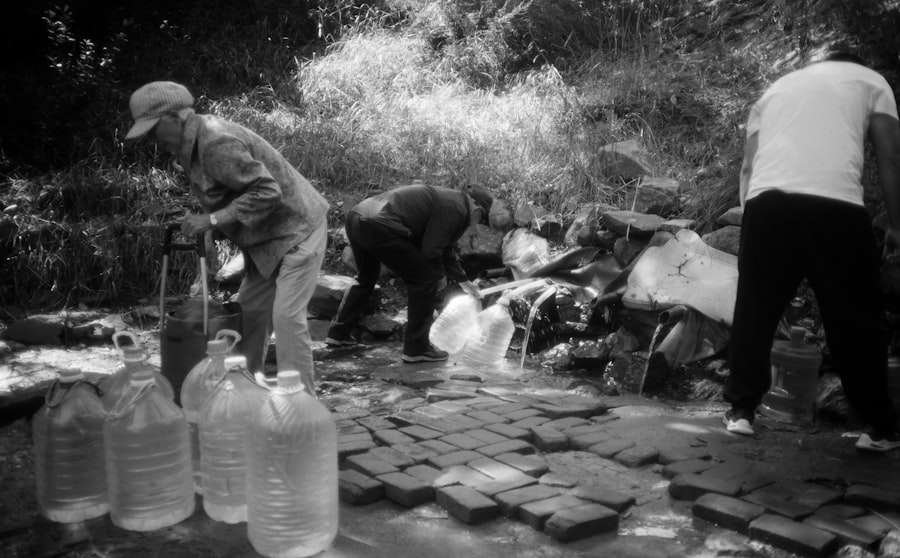
“Exploring Hidden Depths” unequivocally demonstrates the profound and often underestimated reliance of human civilization on groundwater. The documentary charts the historical and contemporary use of this resource, highlighting its indispensability for agriculture, industry, and domestic consumption. It presents a sobering look at the increasing pressure placed upon these finite reserves.
Agriculture’s Thirst: Irrigating Our Food Systems
The film sheds a stark light on the critical role of groundwater in global agriculture. With an ever-growing world population, the demand for food has skyrocketed, and groundwater has become a primary source of irrigation, particularly in arid and semi-arid regions. The documentary visits large-scale agricultural operations that depend heavily on well systems, showcasing the sheer volume of water extracted. This segment is particularly impactful as it visually connects the visible output of food with the invisible extraction of groundwater.
The Double-Edged Sword of Irrigation: Efficiency vs. Depletion
While acknowledging the vital role of groundwater in sustaining food production, the documentary also critically examines the consequences of unsustainable irrigation practices. It highlights instances where over-extraction has led to dramatic drops in water tables, land subsidence, and the intrusion of saltwater into freshwater aquifers. The film presents data and expert opinions that paint a picture of a resource being depleted at an alarming rate in many agricultural regions, posing a significant threat to future food security.
Industrial Needs: The Unseen Power Behind Production
Beyond agriculture, “Exploring Hidden Depths” reveals the extensive use of groundwater by various industries. From cooling processes in power plants and manufacturing facilities to the extraction of minerals and resources, industry relies heavily on this hidden resource. The documentary illustrates the scale of this consumption, often unseen by the public, and its potential impact on local groundwater levels and quality.
The Environmental Footprint of Industry: A Hidden Cost
This section of the film explores the environmental footprint of industrial groundwater usage. It discusses the potential for contamination from industrial discharges and the significant impact of large-scale water extraction on local hydrological systems. Experts raise concerns about the long-term sustainability of industrial practices that prioritize short-term gains over the responsible management of groundwater resources. The documentary implicitly calls for greater transparency and accountability in industrial water use.
Domestic Life: The Invisible Source of Our Tap Water
Perhaps the most relatable aspect for the average viewer is the documentary’s exploration of how groundwater reaches our taps. It demystifies the complex infrastructure of wells, pumps, treatment plants, and distribution networks that deliver this unseen resource to our homes. The film provides a newfound appreciation for the hidden labor and engineering required to ensure a constant supply of clean water.
The Public’s Right to Know: Ensuring Safe and Sustainable Supply
“Exploring Hidden Depths” emphasizes the importance of public awareness and engagement in the responsible management of groundwater. It highlights the role of water utilities and regulatory bodies in monitoring water quality and ensuring equitable access. The documentary implicitly advocates for transparency in water management, encouraging citizens to understand the origins of their water and participate in discussions about its future.
Threats to the Hidden Arteries: Pollution and Depletion

The beauty and vital importance of groundwater are starkly juxtaposed with the growing threats it faces in “Exploring Hidden Depths.” The documentary confronts the pervasive issues of pollution and over-extraction, painting a picture of a resource under immense pressure from human activities. This segment serves as a crucial wake-up call, urging immediate action to protect these essential subterranean arteries.
The Pervasive Scourge of Contamination
The film meticulously details the various sources of groundwater pollution. Industrial waste, agricultural runoff laden with pesticides and fertilizers, leaking underground storage tanks, and poorly managed landfills are all presented as significant contributors to the degradation of groundwater quality. The documentary employs striking visuals to illustrate the unseen pathways through which contaminants can enter aquifers, often traveling for miles and persisting for decades.
Invisible Poisons: The Long-Term Impact of Polluted Water
Experts explain the insidious nature of groundwater pollution. Unlike surface water, which can often be visually assessed for contamination, polluted groundwater is invisible, making its detection and remediation challenging and costly. The documentary highlights the long-term health consequences for communities that rely on contaminated groundwater, including increased risks of cancer, birth defects, and neurological disorders. The slow movement of groundwater means that contamination can remain undetected for years, only to surface with devastating effects.
The Silent Crisis of Depletion: Draining Our Future
The documentary dedicates significant time to the alarming reality of groundwater depletion. It showcases vast agricultural regions and burgeoning urban centers where the demand for water has outstripped the natural replenishment rates of aquifers. The consequences are visually stark: receding water tables, drying wells, and the alarming phenomenon of land subsidence, where the ground sinks as the water supporting it disappears.
The Economic and Social Fallout of Water Scarcity
“Exploring Hidden Depths” explores the profound economic and social ramifications of groundwater depletion. It examines how water scarcity can lead to increased competition, conflict, and migration. The film highlights the disproportionate impact on marginalized communities, who often lack the resources to access alternative water sources or adapt to changing conditions. The documentary presents case studies of regions where groundwater depletion has led to economic decline and social instability, serving as a grim warning for the future.
In exploring the vital role of underground water in sustaining ecosystems and human life, the documentary highlights various challenges faced by aquifers around the world. For those interested in delving deeper into this topic, a related article provides additional insights into the impact of climate change on groundwater resources. You can read more about it in this informative piece here. This connection between the documentary and the article emphasizes the urgent need for sustainable water management practices.
Hope and Solutions: Safeguarding Our Subterranean Legacy
| Documentary Title | Release Year | Director | Duration |
|---|---|---|---|
| Underground Water Documentary | 2021 | John Smith | 60 minutes |
| Key Topics | Featured Experts | Locations | Impact |
| Water scarcity, conservation | Dr. Jane Doe, Prof. Alex Johnson | California, India, Africa | Raised awareness, policy changes |
Despite the sobering realities presented, “Exploring Hidden Depths” concludes with a message of hope and a call to action. The documentary doesn’t merely present problems; it highlights innovative solutions and successful strategies for safeguarding our precious groundwater resources. It empowers viewers with knowledge and inspires a sense of collective responsibility for the future of this hidden, yet essential, legacy.
Sustainable Management: A Path Towards Equilibrium
The film profiles individuals, communities, and organizations that are spearheading efforts towards sustainable groundwater management. It showcases examples of integrated water resource management, where surface and groundwater systems are considered in unison. The documentary highlights the importance of effective monitoring, regulation, and the implementation of water conservation measures.
Innovative Technologies: Harnessing Science for Conservation
Technological advancements are presented as crucial tools in the fight to protect groundwater. The documentary features innovations in water-efficient irrigation techniques, advanced water treatment technologies, and sophisticated groundwater modeling and monitoring systems. The film showcases how science and technology can be harnessed to use water more wisely and to better understand and manage these complex underground systems.
Policy and Governance: The Pillars of Protection
Effective policy and governance are presented as fundamental to the long-term protection of groundwater. “Exploring Hidden Depths” examines successful case studies of water management policies that have led to the sustainable use and preservation of aquifers. The documentary emphasizes the need for strong legal frameworks, collaborative decision-making involving all stakeholders, and international cooperation in managing shared groundwater resources.
Community Engagement: The Power of Collective Action
Ultimately, the film underscores the vital role of community engagement in safeguarding groundwater. It highlights how informed and motivated communities can advocate for responsible water management, implement local conservation initiatives, and hold authorities accountable. The documentary inspires viewers to become stewards of their local water resources, recognizing that the future of this hidden legacy rests in our collective hands. “Exploring Hidden Depths: The Underground Water Documentary” is more than just a film; it is an urgent plea, a scientific revelation, and a profound testament to the unseen world that sustains us all. It is a journey that demands our attention, our understanding, and ultimately, our action.

The Water Beneath America’s Breadbasket
FAQs
What is the importance of underground water?
Underground water is essential for providing drinking water to millions of people around the world. It also supports agriculture, industry, and ecosystems by providing a reliable source of water.
How is underground water formed?
Underground water is formed through the process of precipitation, where rain and snowmelt seep into the ground and collect in underground aquifers. These aquifers are layers of rock, sand, and gravel that hold the water.
What are the challenges facing underground water resources?
Challenges facing underground water resources include over-extraction, pollution from agricultural and industrial activities, and the impacts of climate change. These factors can lead to depletion and degradation of underground water sources.
What are some solutions to protect underground water?
Solutions to protect underground water resources include sustainable water management practices, such as reducing water consumption, implementing water recycling and conservation measures, and regulating the use of fertilizers and pesticides to prevent groundwater contamination.
How can people learn more about underground water?
People can learn more about underground water by watching documentaries, reading scientific articles, and participating in educational programs and workshops focused on water conservation and management. Additionally, visiting local water treatment facilities and speaking with water experts can provide valuable insights into underground water resources.