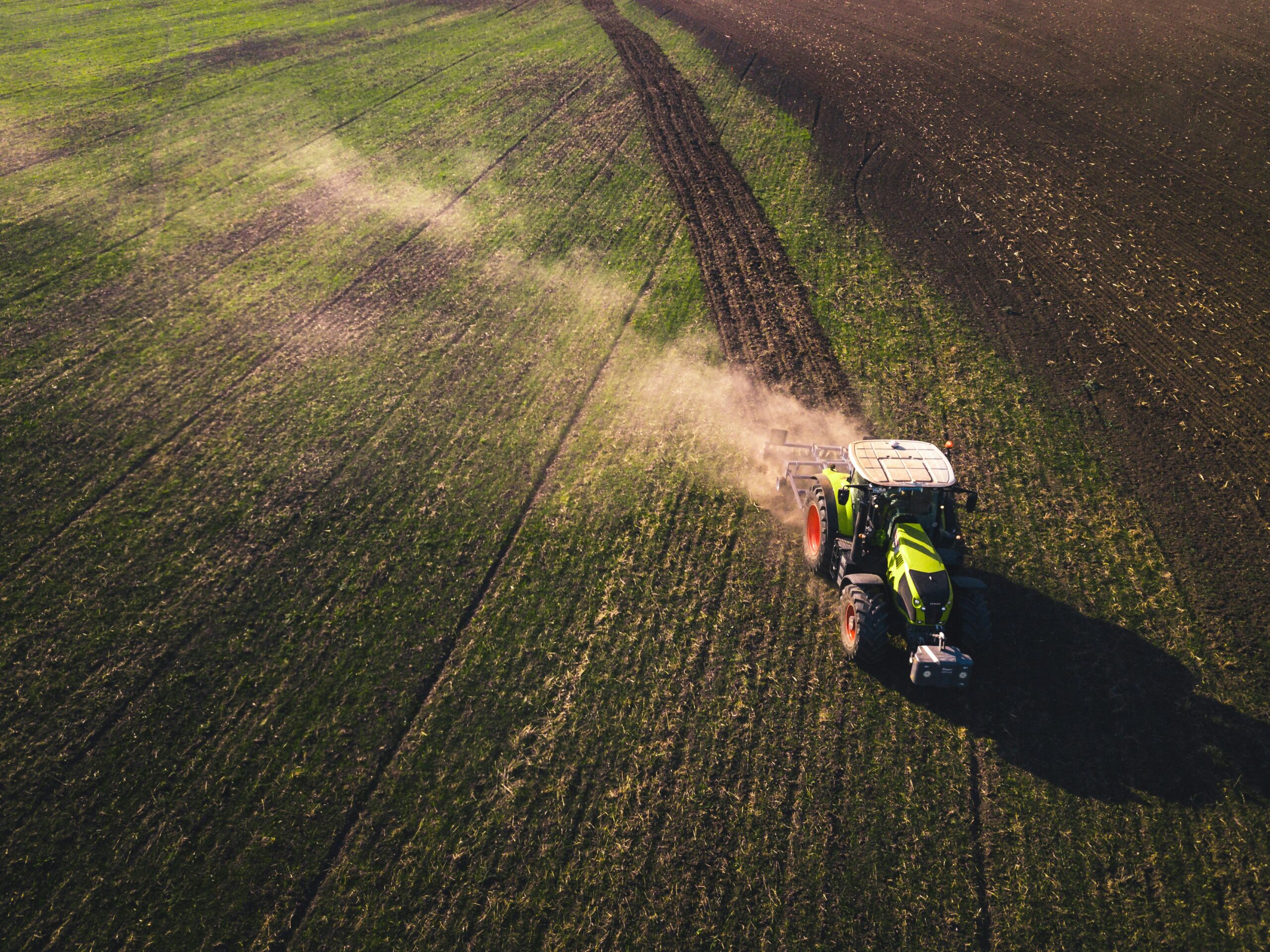
Modern farming represents a profound evolution from the traditional agrarian practices of the past. It is a dynamic sector, continuously reshaped by technological innovation, scientific advancement, and a growing understanding of ecological principles. The potential held within this evolving landscape is immense, promising to address some of the most pressing challenges of our time, from ensuring global food security to mitigating the environmental impact of agriculture. Unlocking this potential requires a multifaceted approach, embracing new technologies, fostering sustainable practices, and adapting to a changing world.
Precision agriculture is not merely a buzzword; it is the cornerstone of modern farming, transforming how crops are managed and resources are allocated. At its heart, it involves using data to make highly informed decisions about every aspect of the farming process, from planting to harvesting. This approach moves away from the one-size-fits-all model of traditional farming, allowing for customized strategies tailored to the specific needs of individual fields, and even sections of fields. The ultimate goal is to optimize yields, reduce waste, and minimize environmental impact, all driven by sophisticated data analysis and technological implementation.
Leveraging Data for Informed Decisions
The foundation of precision agriculture lies in the collection and analysis of vast amounts of data. This data can originate from a variety of sources, painting a comprehensive picture of the farm’s conditions and performance.
Soil Sensors and Analysis
Precise measurements of soil health are fundamental. Modern farms are equipped with an array of sensors that provide real-time data on crucial parameters such as moisture content, nutrient levels (nitrogen, phosphorus, potassium), pH, and temperature. These sensors can be deployed across fields, allowing farmers to identify variations within their land that might have gone unnoticed in the past. Beyond in-field sensors, advanced laboratory analysis provides a deeper understanding of soil composition, microbial activity, and potential contaminants. This allows for targeted application of fertilizers, soil amendments, and irrigation, ensuring that each part of the field receives exactly what it needs, and no more.
Weather Stations and Forecasting
Accurate weather data is critical for agricultural planning. On-farm weather stations monitor local conditions, providing detailed information on rainfall, temperature, humidity, wind speed, and solar radiation. This data is then integrated with regional and global weather forecasts. By understanding current and predicted weather patterns, farmers can make informed decisions about irrigation schedules, planting dates, pest and disease outbreak management, and the optimal timing for harvesting. This predictive capacity helps to mitigate risks associated with extreme weather events and optimize resource utilization.
Drone and Satellite Imagery
Aerial and satellite imagery offers a bird’s-eye view of crop health and performance. Drones equipped with multispectral and hyperspectral cameras can capture detailed images that reveal variations in plant vigor, identify areas of stress due to pests, diseases, or nutrient deficiencies, and map out variations in crop emergence. Satellite imagery, with its broader coverage and historical data archives, can track changes over time, monitor large-scale crop health, and assess the impact of environmental factors across vast agricultural landscapes. This imagery is processed using sophisticated algorithms to generate actionable insights for farmers, such as variable rate application maps for fertilizers and pesticides.
Variable Rate Application: Precision Inputs
The data gathered through precision agriculture enables variable rate application (VRA) technologies. Instead of applying inputs uniformly across an entire field, VRA systems adjust the application rate based on the specific needs of different zones. This means applying more fertilizer where nutrient deficiencies are detected, more water where soil moisture is low, and more pesticides only in areas where pest populations are high.
Fertilizers and Nutrients
VRA for fertilizers allows for customized nutrient management. Based on soil test data and crop performance insights from imagery, VRA equipment can precisely deliver the right amount of nitrogen, phosphorus, potassium, and micronutrients to specific areas of the field. This not only maximizes nutrient uptake by the plants for optimal growth but also significantly reduces the over-application of fertilizers, which can lead to nutrient runoff, water pollution, and increased production costs.
Water and Irrigation
Precision irrigation, powered by soil moisture sensors and weather data, ensures that crops receive the optimal amount of water. VRA controllers can adjust the flow rate and duration of irrigation in different zones of a field, preventing both waterlogging and drought stress. This conservation of water resources is increasingly vital in regions facing water scarcity.
Crop Protection
VRA for pesticides and herbicides allows for targeted application. Instead of blanket spraying, which exposes the entire field to chemicals, VRA systems can identify pest infestations or weed patches through scouting, drone imagery, or sensor data. These systems then apply the necessary crop protection agents only where they are needed, thereby reducing the overall use of chemicals, minimizing environmental contamination, and lowering costs.
For those interested in exploring the intricacies of modern farming, a related article can be found at My Geo Quest. This resource delves into innovative agricultural practices, sustainable farming techniques, and the impact of technology on food production, providing a comprehensive overview of how modern methods are reshaping the agricultural landscape.
Biotechnology and Genetic Engineering: Enhancing Crop Resilience
Biotechnology and genetic engineering are powerful tools that allow for the deliberate modification of crops to enhance their desirable traits, leading to improved yields, greater resilience, and reduced reliance on chemical inputs. These advancements are at the forefront of unlocking the potential of modern agriculture by addressing fundamental limitations of conventional crop varieties.
Developing Crops with Enhanced Traits
Through advanced scientific techniques, researchers can introduce or modify genes within crops to bestow them with specific advantages. This allows for the development of varieties that are better suited to challenging environments and can withstand threats that would otherwise decimate harvests.
Pest and Disease Resistance
One of the most impactful applications of biotechnology is the development of crops that are intrinsically resistant to common pests and diseases. This can be achieved by introducing genes that trigger a defense response within the plant when attacked or by creating natural toxins that deter pests. For example, Bt crops, engineered to produce a protein from the bacterium Bacillus thuringiensis, are resistant to certain insect larvae. This reduces the need for synthetic insecticides, protecting beneficial insects and reducing environmental exposure to harmful chemicals.
Herbicide Tolerance
Herbicide-tolerant crops, developed to withstand specific herbicides, allow farmers to effectively manage weeds using targeted applications. This technology facilitates no-till or reduced-till farming practices, which minimize soil disturbance, reduce erosion, and improve soil health. By allowing for post-emergence herbicide application, farmers can control weeds more effectively and efficiently, reducing competition for nutrients, water, and sunlight.
Drought and Salinity Tolerance
As climate change exacerbates water scarcity and soil salinization, biotechnology plays a crucial role in developing crops that can thrive in these challenging conditions. By identifying and introducing genes responsible for water-use efficiency or salt exclusion/detoxification, scientists are creating varieties that can maintain higher yields in arid or saline environments, opening up new possibilities for agriculture in previously unproductive regions.
Nutritional Enhancement
Beyond yield and resilience, biotechnology is also being used to enhance the nutritional value of crops. This includes biofortification, a process of increasing the concentration of essential micronutrients in staple crops. Golden Rice, for instance, has been engineered to produce beta-carotene, a precursor to Vitamin A, addressing Vitamin A deficiency in populations that rely heavily on rice as a staple food. Other research focuses on increasing protein content, improving the balance of fatty acids, and enhancing the bioavailability of vitamins and minerals.
Advanced Breeding Techniques
Beyond direct genetic modification, biotechnology encompasses a spectrum of advanced breeding techniques that accelerate and refine the development of improved crop varieties.
Marker-Assisted Selection (MAS)
MAS utilizes DNA markers that are linked to desirable genes to identify and select superior plant individuals during the breeding process. This allows breeders to efficiently track traits like disease resistance, yield potential, and quality attributes without the need for extensive field trials or lengthy observation periods. This significantly speeds up the development of new, improved crop varieties.
Gene Editing (CRISPR-Cas9)
CRISPR-Cas9 technology represents a revolutionary leap in genetic engineering. It allows for precise editing of plant genomes, enabling scientists to make specific changes to DNA sequences with unprecedented accuracy. This technology can be used to enhance existing traits, silence undesirable genes, or introduce novel functionalities. Gene editing offers a more targeted and potentially faster approach to crop improvement compared to traditional genetic modification methods, with the potential to create crops with a wide range of beneficial characteristics.
Automation and Robotics: Enhancing Efficiency and Reducing Labor

The integration of automation and robotics into farming operations is revolutionizing agricultural practices, leading to increased efficiency, reduced labor costs, and improved precision. As technology advances, robots are increasingly capable of performing complex tasks that were once solely the domain of human laborers.
Autonomous Tractors and Machinery
The development of self-driving tractors and other autonomous agricultural machinery is transforming field operations. These vehicles can navigate fields, plow, sow, and harvest crops with remarkable accuracy, often operating around the clock.
GPS-Guided Navigation
Autonomous machinery relies heavily on GPS guidance systems to follow precise paths, ensuring consistent coverage and avoiding overlap or missed areas. This level of precision minimizes wasted inputs and maximizes the efficiency of field operations.
Swarm Robotics
The concept of “swarm robotics” is emerging in agriculture, where multiple smaller, autonomous robots work collaboratively to achieve larger tasks. This could involve fleets of robots for planting, weeding, or harvesting, offering flexibility and scalability to farming operations.
Robotic Harvesting and Weeding
Harvesting and weeding are often labor-intensive and repetitive tasks. Robotics is stepping in to automate these processes, offering significant advantages.
Precision Picking Robots
Robots designed for harvesting are being developed to identify and pick ripe fruits and vegetables. These robots use advanced sensors, computer vision, and sophisticated manipulation arms to gently harvest produce, minimizing damage and ensuring optimal quality. This is particularly beneficial for delicate crops and in regions facing labor shortages.
Automated Weeding Systems
Robotic weeders are emerging as a sustainable alternative to chemical herbicides. These machines use cameras and artificial intelligence to distinguish between crops and weeds, then precisely remove or destroy weeds through mechanical means, lasers, or targeted micro-sprays. This reduces reliance on herbicides, promotes organic farming practices, and protects the soil’s microbial ecosystem.
Smart Irrigation Systems and Drones
While mentioned in precision agriculture, automation is a key enabler of these systems.
Automated Irrigation Control
Smart irrigation systems, powered by sensors and weather data, can automatically adjust watering schedules and amounts throughout the day, ensuring optimal hydration for crops while conserving water.
Drone-Based Monitoring and Intervention
Drones equipped with sensors and cameras can autonomously scan fields for signs of disease, pest infestation, or nutrient deficiencies. In some cases, they can even be equipped to precisely apply targeted treatments to affected areas, further automating crop management and response.
Sustainable Farming Practices: Balancing Production and Preservation

Modern farming is increasingly recognizing the imperative to balance agricultural productivity with environmental stewardship. Sustainable farming practices are crucial for ensuring the long-term viability of food production and protecting the planet’s natural resources. This approach moves beyond simply maximizing output to considering the ecological, social, and economic impacts of farming.
Regenerative Agriculture: Building Soil Health
Regenerative agriculture is a set of practices designed to improve the health of the soil, enhance biodiversity, and sequester carbon. It focuses on working with natural systems rather than against them.
Cover Cropping
Planting cover crops between main crop cycles helps to protect soil from erosion, suppress weeds, improve soil structure, and add organic matter. These non-cash crops are a vital tool for maintaining soil fertility and health.
No-Till and Reduced Tillage
Minimizing soil disturbance through no-till or reduced tillage practices helps to preserve soil structure, prevent erosion, increase water infiltration, and support beneficial soil organisms. This also contributes to carbon sequestration in the soil.
Crop Rotation and Diversity
Rotating different crops over time, and incorporating a diverse range of species, helps to break pest and disease cycles, improve nutrient cycling, and enhance soil health. Monoculture, in contrast, can deplete specific nutrients and create breeding grounds for pests.
Integrated Pest Management (IPM)
IPM is an ecosystem-based strategy that focuses on long-term prevention of pests or their damage through a combination of techniques. It emphasizes the use of biological controls, habitat manipulation, modification of cultural practices, and, in the last resort, the use of pesticides.
Biological Control
This involves using natural predators, parasites, or pathogens to control pest populations. Introducing beneficial insects like ladybugs to prey on aphids, or using specific viruses to target certain insect larvae, are examples of biological control.
Cultural Practices
Modifying planting times, selecting disease-resistant varieties, and managing crop residues can all help to reduce pest and disease pressure, minimizing the need for chemical interventions.
Monitoring and Thresholds
IPM relies on careful monitoring of pest populations to determine when intervention is necessary. Action is only taken when pest levels reach a pre-defined economic threshold, preventing unnecessary pesticide applications.
Water Management and Conservation
Efficient water use is paramount, especially in the face of increasing water scarcity.
Drip Irrigation and Micro-Irrigation
These methods deliver water directly to the plant roots, minimizing evaporation and runoff, and ensuring that water is used precisely where it is needed.
Rainwater Harvesting and Water Recycling
Collecting rainwater and recycling wastewater for irrigation can significantly reduce reliance on freshwater sources.
Modern farming techniques have revolutionized the agricultural landscape, making it more efficient and sustainable. For those interested in exploring this topic further, a related article provides an in-depth look at innovative practices and technologies that are shaping the future of agriculture. You can read more about these advancements in farming by visiting this informative article. Understanding these developments is crucial for anyone looking to grasp the complexities of contemporary farming methods.
The Future of Farming: Innovation and Adaptation
| Aspect | Explanation |
|---|---|
| Sustainability | Modern farming practices aim to be sustainable, minimizing environmental impact and preserving natural resources. |
| Technology | Modern farming utilizes advanced technology such as GPS, drones, and precision agriculture to optimize production. |
| Efficiency | Efficient use of resources, including water, energy, and land, is a key focus of modern farming methods. |
| Diversity | Modern farming involves diverse crop rotations and integrated pest management to promote biodiversity. |
| Quality | Emphasis is placed on producing high-quality, safe, and nutritious food through modern farming techniques. |
The trajectory of modern farming is one of continuous innovation and adaptation. The challenges facing agriculture are evolving, and so too must the solutions. Embracing future technologies and fostering a culture of ongoing learning will be critical to unlocking the full potential of this vital sector.
Vertical Farming and Controlled Environment Agriculture (CEA)
Vertical farming, where crops are grown in vertically stacked layers, often in controlled indoor environments, offers a solution to land scarcity and unpredictable weather.
Urban Farming and Local Food Systems
Vertical farms, often located in urban areas, can significantly reduce transportation distances, leading to fresher produce and a smaller carbon footprint. They also contribute to creating more resilient local food systems.
Resource Efficiency
CEA systems allow for precise control over light, temperature, humidity, and nutrient delivery, leading to highly efficient resource utilization, including water and energy. This can significantly reduce the environmental impact of food production.
Artificial Intelligence (AI) and Machine Learning (ML)
AI and ML are set to play an even more significant role in agriculture, enabling predictive analytics and smarter decision-making.
Predictive Analytics for Yield and Disease Forecasting
AI algorithms can analyze vast datasets from sensors, weather patterns, and historical performance to predict crop yields with greater accuracy and forecast the likelihood of disease outbreaks, allowing for proactive interventions.
Optimized Resource Allocation
ML can continuously learn from farm data to optimize the allocation of resources like water, fertilizers, and pesticides, ensuring maximum efficiency and minimal waste.
Blockchain Technology for Supply Chain Transparency
Blockchain technology offers a secure and transparent way to track agricultural products from farm to fork.
Traceability and Food Safety
By creating an immutable record of each step in the supply chain, blockchain can enhance food safety, reduce fraud, and allow consumers to verify the origin and quality of their food.
Improved Market Access
Blockchain-enabled platforms can provide farmers with better access to markets by providing verifiable proof of their sustainable practices and product quality.
In conclusion, unlocking the potential of modern farming is a dynamic and ongoing process. It requires a commitment to embracing technological advancements, investing in research and development, and fostering a collaborative environment where farmers, scientists, policymakers, and consumers can work together. By continuing to innovate, adapt, and prioritize sustainability, modern agriculture can ensure a future where food security is met, environmental health is protected, and the agricultural sector thrives for generations to come.

The Water Beneath America’s Breadbasket
FAQs
What is modern farming?
Modern farming refers to the use of advanced technology, equipment, and techniques to increase the efficiency and productivity of agricultural practices. This includes the use of machinery, genetically modified crops, precision agriculture, and sustainable farming methods.
What are the benefits of modern farming?
Modern farming allows for increased crop yields, reduced labor requirements, improved efficiency, and the ability to produce food on a larger scale. It also enables farmers to use resources more sustainably and adapt to changing environmental conditions.
What are some examples of modern farming techniques?
Examples of modern farming techniques include precision agriculture, which uses GPS and sensors to optimize the use of water, fertilizers, and pesticides; genetic engineering to develop crops with desirable traits such as resistance to pests and diseases; and vertical farming, which involves growing crops in vertically stacked layers.
How does modern farming impact the environment?
Modern farming can have both positive and negative impacts on the environment. While it can lead to more efficient use of resources and reduced greenhouse gas emissions, it can also contribute to soil erosion, water pollution, and loss of biodiversity if not managed properly.
What are the challenges of modern farming?
Challenges of modern farming include the high cost of technology and equipment, the potential for increased reliance on chemical inputs, and the need to balance productivity with environmental sustainability. Additionally, modern farming practices may require farmers to adapt to new skills and knowledge.