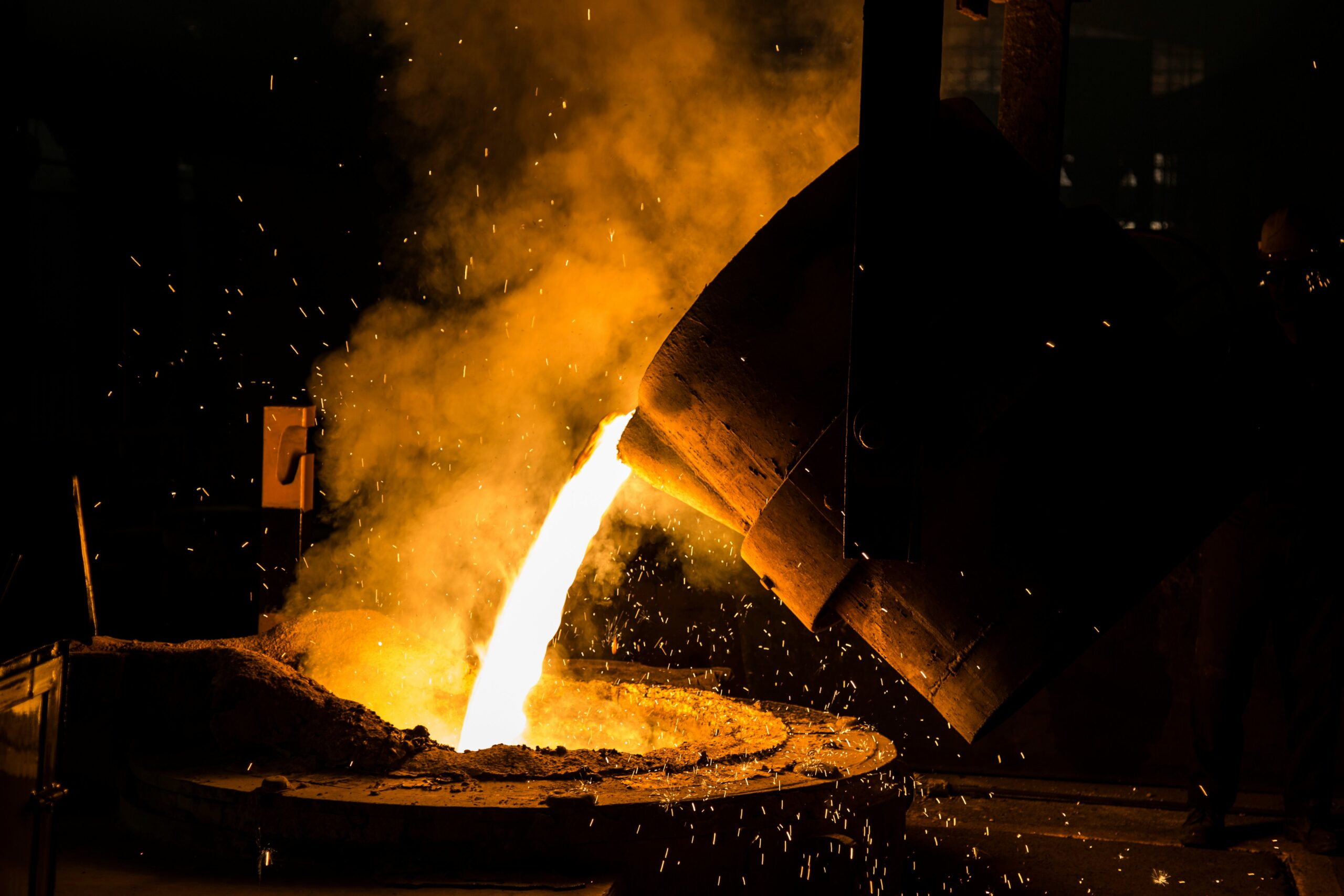
Rare earth metals (REMs) are not, as their name might suggest, exceedingly rare in the Earth’s crust. Instead, their “rarity” stems from the difficulty and economic impracticality of extracting and refining them into usable forms. These 17 metallic elements, comprising the lanthanide series along with scandium and yttrium, are indispensable components in a vast array of modern technologies, from the smartphones in our pockets to the wind turbines powering our sustainable future. Their unique magnetic, catalytic, and luminous properties make them irreplaceable in applications demanding high performance and miniaturization. Unlocking the full potential of these critical materials hinges on advancements in their refining processes, a complex and often environmentally sensitive undertaking.
The Indispensable Role of Rare Earth Metals
The significance of rare earth metals cannot be overstated in the context of contemporary technological advancement. Their presence, often in minuscule quantities, is crucial for the functionality of many devices we take for granted. Understanding their applications provides a compelling rationale for the intensive research and development focused on their efficient extraction and refinement.
Magnets and Motors: Driving the Electric Revolution
Perhaps one of the most transformative applications of rare earth metals lies in the creation of powerful permanent magnets. Neodymium-iron-boron (NdFeB) magnets, in particular, are exceptionally strong, allowing for the creation of smaller, lighter, and more efficient electric motors.
Neodymium-Iron-Boron (NdFeB) Magnets: The Powerhouse Igniter
The discovery and commercialization of NdFeB magnets marked a significant leap forward in magnetic technology. Their high magnetic strength-to-weight ratio is essential for electric vehicle (EV) powertrains, enabling lighter vehicles with longer ranges. They are also vital in wind turbine generators, where their efficiency allows for greater energy capture, even in lower wind speeds. Furthermore, these magnets are found in hard disk drives, loudspeakers, magnetic resonance imaging (MRI) machines, and many other high-tech devices. The relentless pursuit of more efficient and sustainable energy solutions amplifies the demand for these magnets, and consequently, for the refined rare earth elements that comprise them.
Samarium-Cobalt Magnets: Resilience Under Heat
While NdFeB magnets offer superior strength, samarium-cobalt (SmCo) magnets are prized for their exceptional performance at high temperatures and their resistance to corrosion. This makes them ideal for applications in aerospace, defense, and specialized industrial machinery where extreme conditions are the norm. Their ability to maintain magnetic integrity under thermal stress ensures the reliability of critical components in demanding environments.
Catalysis and Luminescence: Enabling Advanced Chemical Processes and Vivid Displays
Beyond their magnetic prowess, rare earth elements play crucial roles in chemical reactions and in producing vibrant colors. These applications, while perhaps less visible to the end-user, are equally vital for industrial progress and consumer electronics.
Cerium and Lanthanum in Catalytic Converters: Cleaning Our Air
Cerium and lanthanum are key components in automotive catalytic converters. Cerium oxide, in particular, acts as an oxygen storage material, facilitating the conversion of harmful exhaust gases like carbon monoxide, nitrogen oxides, and unburnt hydrocarbons into less noxious substances. Without these REMs, modern internal combustion engines would be significantly more polluting, impacting global air quality. The ongoing shift towards cleaner transportation necessitates continued innovation in catalytic technologies, underscoring the importance of reliable REM supply chains.
Phosphors and Displays: Broadcasting Vivid Colors
The luminescent properties of rare earth elements are responsible for the vibrant colors we see on our screens. Europium and terbium are widely used in phosphors for cathode ray tubes (CRTs), fluorescent lamps, and now, increasingly, in light-emitting diodes (LEDs) and liquid-crystal displays (LCDs). These elements absorb energy and re-emit it as specific wavelengths of light, enabling the creation of the full spectrum of visible colors. The ubiquitous nature of displays in modern life means that REMs are woven into the fabric of our digital world, from televisions and smartphones to medical imaging equipment.
The Refining Challenge: From Ore to Usable Element
The journey from raw ore containing trace amounts of rare earth elements to the highly purified metals and compounds used in manufacturing is a formidable one. It involves a series of complex chemical and physical processes, each with its own set of technical hurdles and environmental considerations.
Extraction: Liberating the Elements from the Earth
The initial step in the rare earth refining process is extraction, where the valuable elements are separated from the host rock or mineral deposit. This is a particularly challenging phase due to the often low concentration of REMs in the ore.
Beneficiation: Concentrating the Raw Material
Before chemical processing, the extracted ore typically undergoes beneficiation. This multi-step process aims to increase the concentration of REMs and remove as much unwanted material as possible. Techniques include crushing, grinding, magnetic separation (especially for magnet-bearing ores like bastnäsite), and flotation. Each of these steps is designed to physically separate the valuable minerals from the gangue – the waste rock. The efficiency of beneficiation significantly impacts the subsequent chemical processing, directly influencing the overall yield and cost of production.
Leaching: Dissolving the Desired Elements
Once beneficiated, the ore undergoes leaching, a process where a chemical solution is used to dissolve the rare earth elements from the solid material. Acids, such as sulfuric acid or hydrochloric acid, or alkalis are commonly employed, depending on the mineralogy of the ore.
Acid Leaching: A Common but Potentially Corrosive Approach
Acid leaching is a prevalent method, effectively dissolving many rare earth minerals. However, it requires careful control of pH and temperature to optimize extraction and minimize the dissolution of unwanted impurities. The corrosive nature of strong acids also presents engineering challenges, necessitating specialized equipment and robust safety protocols. Furthermore, the spent leach solutions can contain residual acids and dissolved metals, requiring diligent treatment to prevent environmental contamination.
Alkaline Leaching: An Alternative for Specific Ores
In some cases, alkaline leaching, using solutions like sodium hydroxide, is preferred, particularly for ores containing carbonate minerals. This method can offer advantages in terms of reduced corrosion and potentially different impurity profiles. The choice of leaching agent is highly dependent on the specific ore composition and the economic viability of the process.
Separation: The Crucial, Complex, and Often Costly Stage
The true bottleneck and most technically demanding aspect of rare earth refining lies in the separation of individual rare earth elements from each other. These elements are chemically very similar, making their isolation a Herculean task that often accounts for the majority of the refining cost.
Solvent Extraction: The Dominant Separation Technology
Solvent extraction is currently the most widely used and effective method for separating individual rare earth elements. This process relies on the differential solubility of rare earth ions in two immiscible liquid phases: an aqueous phase containing the dissolved rare earth mixture and an organic phase containing a specific extractant.
The Multi-Stage Process: Iterative Refinement for Purity
Solvent extraction is not a single-step process. It involves a series of interconnected stages, where the rare earth ions are repeatedly transferred between the aqueous and organic phases. By carefully controlling factors such as pH, temperature, and the concentration of the extractant, chemists can selectively move certain rare earth elements into the organic phase while leaving others in the aqueous phase. This iterative process, often requiring hundreds of extraction stages, is essential to achieve the high purity levels demanded by various industries. The complexity and sheer number of stages are what make this process so resource-intensive.
Extractant Chemistry: Tailoring the Separation
The choice of extractant is critical to the success of solvent extraction. Different extractants have varying affinities for different rare earth ions. Researchers are constantly developing new and more selective extractants that can improve separation efficiency, reduce the number of stages required, and potentially lead to more environmentally friendly processes. The subtle differences in ionic radii and electron configurations among the lanthanides necessitate highly specialized chemical tools.
Ion Exchange: A Niche but Effective Method
Ion exchange chromatography is another separation technique used for rare earth elements, particularly for achieving very high purity or for separating smaller quantities. In this method, the rare earth ions are adsorbed onto a solid resin material, and then selectively eluted using a chemical gradient. While effective for achieving exceptional purity, ion exchange is typically slower and more expensive than solvent extraction for large-scale production. It often finds application in purifying specific high-value rare earth compounds.
Precipitation and Crystallization: Targeting Specific Compounds
In some cases, the separation process can be assisted by precipitation or crystallization techniques. By carefully adjusting chemical conditions, specific rare earth compounds can be encouraged to precipitate out of solution or crystallize. This can help to remove certain elements or to concentrate others before further separation. However, these methods are generally less precise than solvent extraction for achieving complete separation of all individual rare earth elements.
In the quest for sustainable technology, the refining of rare earth metals has become increasingly important, as highlighted in a recent article on the subject. This process is crucial for the production of high-performance magnets and batteries that power everything from smartphones to electric vehicles. For a deeper understanding of the challenges and innovations in this field, you can read more in this insightful piece on rare earth metal refining. The article explores the environmental impacts and the advancements being made to improve efficiency and reduce waste in the refining process.
Purification and Finishing: Achieving the Final Product
Once separated, the individual rare earth elements undergo further purification and processing to create the final products required by various industries. This can involve reducing them to their metallic form or converting them into oxides or other compounds.
Metallurgical Processes: Casting and Alloying
For applications requiring the pure metal, significant metallurgical processes are involved. This often begins with the reduction of rare earth compounds, typically oxides, using methods such as electrolysis or metallothermic reduction. The resulting molten metals are then cast into ingots or further processed into alloys. The high reactivity of many rare earth metals at elevated temperatures presents a considerable challenge for these processes, often requiring vacuum or inert atmosphere conditions.
Oxide Production: The Workhorse of the Industry
Rare earth oxides are the most common form in which these elements are traded and utilized. Production involves further purification of the separated rare earth compounds, often through calcination (heating to high temperatures) to form the stable oxide. The purity of these oxides is paramount for their intended applications, as even trace impurities can significantly alter their properties.
Environmental Considerations and Sustainable Refining
The extraction and refining of rare earth metals are not without their environmental challenges. Historically, the industry has faced criticism for its impact on water quality, soil, and biodiversity. A significant part of modern research and innovation is focused on developing more sustainable and environmentally responsible refining processes.
Waste Management: Mitigating the Impact
The mining and refining of rare earth elements generate significant amounts of waste, including tailings (waste rock from mining), spent leach solutions, and other chemical byproducts. Improper management of these wastes can lead to the release of heavy metals and radioactive elements into the environment.
Tailings Management: Preventing Contamination
Effective tailings dam design and management are crucial to prevent the leaching of contaminants into groundwater and surface water. This includes proper dewatering of tailings, capping of impoundments, and ongoing monitoring of water quality. Innovative approaches are also being explored to utilize or neutralize tailings materials.
Radioactive Element Management: A Unique Challenge
Many rare earth deposits are often associated with elevated levels of naturally occurring radioactive materials (NORMs), such as thorium and uranium. The refining process can concentrate these elements in various waste streams, requiring specialized handling and disposal procedures to prevent radiological contamination. This adds another layer of complexity and cost to the environmental management of rare earth production.
Wastewater Treatment: Cleaning Up Chemical Residues
The spent leach solutions and wash waters from the refining process can contain residual acids, heavy metals, and other dissolved chemicals. Advanced wastewater treatment technologies, including chemical precipitation, ion exchange, and membrane filtration, are employed to remove these contaminants before the water is discharged or recycled. The goal is to achieve discharge limits that protect aquatic ecosystems.
Greener Chemistry: Reducing Chemical Footprints
The chemical intensity of rare earth refining, particularly solvent extraction, presents opportunities for developing “greener” processes. This involves reducing the use of hazardous chemicals, minimizing waste generation, and improving energy efficiency.
Novel Extractants and Solvents: Less Toxic Alternatives
Research is actively focused on developing new solvent extraction systems that utilize less toxic organic solvents and more selective extractants. This can lead to reduced environmental impact and potentially lower processing costs. Bio-based solvents and ionic liquids are being explored as promising alternatives.
Enhancing Selectivity: Streamlining Separation
Improved extractant selectivity means that fewer separation stages are required to achieve the desired purity. This translates to reduced consumption of chemicals, less energy usage, and consequently, a smaller environmental footprint. The drive for higher purity in advanced applications is also pushing the boundaries of extractant development.
Process Intensification: Doing More with Less
Process intensification aims to achieve higher efficiency and reduced environmental impact by combining multiple unit operations into single, more compact devices or by operating them under more extreme conditions. For rare earth refining, this could involve novel reactor designs or integrated separation systems that minimize material handling and energy consumption.
Recyling and the Circular Economy: Securing Future Supply
As the demand for rare earth metals continues to grow, driven by the transition to a green economy, securing future supply is paramount. Recycling of rare earth-containing products offers a crucial alternative to primary extraction, reducing reliance on new mining and mitigating environmental impacts.
The Challenge of Urban Mining: Extracting from Discarded Products
The “urban mine” – discarded electronic and electrical equipment (e-waste) – represents a significant, albeit dispersed, source of rare earth metals. However, recovering these valuable elements from complex product matrices presents its own set of technical and economic challenges.
E-waste Complexity: A Heterogeneous Mixture
E-waste contains a vast array of materials, including plastics, ceramics, other metals, and various rare earth-containing components like magnets, phosphors, and batteries. Separating REMs from this heterogeneous mixture requires sophisticated dismantling and pre-treatment processes. The rapid pace of technological change also means that e-waste streams are constantly evolving, requiring adaptive recycling strategies.
Pre-treatment and Dismantling: Preparing for Recovery
Effective recycling begins with the safe and efficient dismantling of e-waste. This can involve manual disassembly, mechanical shredding, and sorting processes to separate different material streams. Techniques are being developed to liberate the rare earth-containing components, such as magnets, from their housings and other integrated parts.
Chemical Recovery from E-waste: Adapting Refining Techniques
Once REM-containing components are isolated, chemical processes similar to those used in primary refining are employed to recover the individual elements. This typically involves leaching to dissolve the REMs, followed by solvent extraction or ion exchange for separation and purification.
Magnet Recycling: A Key Focus Area
The recycling of NdFeB magnets from hard disk drives, electric motors, and other devices is a particularly important area of research and development. Methods are being explored to directly recover the magnets or to extract the constituent rare earth elements from them. Technologies like hydrometallurgical processing, which uses aqueous solutions, are being favored for their lower environmental impact compared to traditional pyrometallurgical methods.
Challenges and Opportunities in REM Recycling
Despite the potential, REM recycling faces several hurdles. The dispersed nature of REMs in e-waste, the complex separation processes, and the relatively low concentrations in some discarded products can make recycling economically challenging compared to primary production.
Economic Viability: Balancing Costs and Returns
The economic feasibility of REM recycling is heavily dependent on factors such as the concentration of REMs in the input material, the efficiency of the recovery processes, and the market price of refined REMs. Developing cost-effective recycling technologies that can compete with primary extraction is a significant ongoing effort.
Policy and Regulation: Driving the Circular Economy
Government policies and regulations play a crucial role in incentivizing REM recycling. Extended producer responsibility schemes, which hold manufacturers accountable for the end-of-life management of their products, can drive investment in recycling infrastructure and technologies. Setting recycling targets and providing financial incentives can help to accelerate the transition to a circular economy for rare earth metals.
Technological Advancements: Unlocking Potential
Continued research and development in areas such as advanced sorting technologies, more selective and less toxic chemical reagents, and integrated recycling processes are vital for unlocking the full potential of REM recycling. The development of efficient and scalable recycling solutions is not only crucial for supply security but also for reducing the environmental burden associated with rare earth consumption.
Rare earth metal refining is a critical process in the production of high-tech materials used in various industries, from electronics to renewable energy. For a deeper understanding of the challenges and advancements in this field, you can read a related article that explores the latest techniques and environmental considerations in rare earth metal extraction and processing. Check it out here: Rare Earth Metal Refining Insights.
Conclusion: A Future Powering Sustainability Through Refined Rare Earths
The refining of rare earth metals is a complex, technically demanding, and critically important industry. These unseen powerhouses are the enablers of much of our technological progress, from the communication devices in our hands to the clean energy technologies shaping our future. While the challenges of extraction, separation, and environmental management are significant, ongoing innovation in refining processes, coupled with a growing commitment to recycling and the principles of a circular economy, are paving the way for a more sustainable and secure supply of these indispensable materials. Unlocking the full potential of rare earth metals means not only mastering the intricate science of their purification but also embracing responsible stewardship throughout their lifecycle, ensuring that their power continues to drive progress for generations to come.

Why Rare Earth Mining Isn’t the Real Problem

FAQs

What are rare earth metals?
Rare earth metals are a group of 17 elements on the periodic table, including scandium, yttrium, and the 15 lanthanides. They are essential for the production of high-tech devices such as smartphones, electric vehicles, and wind turbines.
Why is rare earth metal refining important?
Rare earth metal refining is important because it allows for the extraction and purification of these elements from ore, making them usable for various industrial applications. Refining also helps to remove impurities and separate the different rare earth metals for specific uses.
What is the process of rare earth metal refining?
The process of rare earth metal refining typically involves several steps, including mining and crushing the ore, leaching the ore with acids to extract the rare earth metals, and then further refining through processes such as solvent extraction, precipitation, and crystallization.
Where are rare earth metals refined?
Rare earth metals are refined in various locations around the world, with significant refining operations in countries such as China, the United States, Australia, and Malaysia. Each location may have different refining methods and environmental regulations.
What are the environmental concerns associated with rare earth metal refining?
Rare earth metal refining can have environmental concerns due to the use of acids and other chemicals in the extraction and purification processes. Additionally, the waste products from refining can contain radioactive elements and heavy metals, posing potential risks to the environment if not properly managed.