
The Earth’s crust, a vast and often overlooked repository of energy, harbors many secrets within its sedimentary layers. Among these hidden treasures, natural gas stands out as a cornerstone of modern economies, powering homes, fueling industries, and driving transportation. Yet, interwoven within the complex molecular tapestry of this vital resource lies another, far lighter, and perhaps more enigmatic element: helium. This noble gas, often associated with balloons and the ethereal voices of cartoon characters, possesses a unique set of properties that make it indispensable for a wide array of critical applications, propelling it from a scientific curiosity to an increasingly sought-after strategic commodity. The story of helium is not one of its extraction from the air, as one might initially assume, but rather a fascinating tale of its geological formation and its intimate, often accidental, cohabitation with natural gas reserves.
Helium, with its atomic number of two and its inert nature, occupies a peculiar position in the periodic table. It is the second lightest and second most abundant element in the universe, primarily forged in the fiery furnaces of stars through nuclear fusion. However, the helium we utilize on Earth originates from a terrestrial process: the radioactive decay of heavy elements. Within the Earth’s mantle, radioactive isotopes of uranium and thorium, present in trace amounts, undergo alpha decay. This decay process releases alpha particles, which are essentially fast-moving helium nuclei (two protons and two neutrons). These nuclei quickly capture electrons from their surroundings, forming stable helium atoms.
Alpha Decay: The Unseen Sculptor of Terrestrial Helium
The fundamental process driving the terrestrial abundance of helium lies in the spontaneous transformation of unstable atomic nuclei. Uranium and Thorium, with their exceptionally long half-lives, are the primary culprits. As these heavy elements undergo radioactive decay, they shed energetic particles, including alpha particles (He-4 nuclei). These alpha particles, once released, travel a microscopic distance before colliding with other atoms and electrons, ultimately becoming neutral helium atoms. This slow, relentless process, played out over geological timescales, acts as a continuous, albeit gradual, source of helium generation deep within the Earth. The concentration of such radioactive elements within specific geological formations dictates the potential for helium accumulation.
Trapped in Time: The Role of Geological Formations
For this newly formed helium to become a recoverable resource, it needs a place to gather. The buoyant nature of helium, far lighter than natural gas, means it will rise through porous rock formations. However, the existence of impermeable caprocks, such as shale or salt layers, acts as natural seals, preventing its escape into the atmosphere. These geological traps, the very same ones that capture methane-rich natural gas, are the crucibles where helium accumulates over millions of years. Thus, the presence of suitable source rocks containing radioactive elements for helium generation and the existence of effective caprocks for trapping are prerequisites for forming economically viable helium deposits. These geological reservoirs are not uniformly distributed; they are the product of specific tectonic histories and rock compositions.
Radioactive Decay in the Earth’s Crust and Mantle
The primary parent elements responsible for terrestrial helium production are Uranium (U) and Thorium (Th). These elements are naturally occurring, albeit in low concentrations, within the Earth’s crust and mantle. Their decay chains are complex, involving a series of intermediate radioactive isotopes, but the ultimate release of alpha particles is a consistent feature. While the initial concentration of uranium and thorium might be small, the immense timescales involved in geological processes mean that a significant amount of helium can be generated. It is particularly in older, more stable parts of the continental crust, where these radioactive elements have had ample time to decay, that helium concentrations can become more substantial.
Natural gas is not only a vital energy source but also a significant reservoir for helium, a non-renewable resource that has various industrial applications. For a deeper understanding of the relationship between natural gas and helium extraction, you can explore the article on this topic at MyGeoQuest. This resource provides insights into the geological processes that lead to helium’s presence in natural gas deposits and discusses the implications for energy production and resource management.
The Unseen Companion: Helium’s Intimate Relationship with Natural Gas
While helium is a distinct element from methane, the primary component of natural gas, their geological journeys are often intertwined. The very processes that lead to the formation and trapping of natural gas also facilitate the accumulation of helium. Consequently, the most significant sources of commercially extractable helium are found within natural gas reservoirs, making the extraction of natural gas the primary pathway to accessing this vital element. This symbiotic relationship, while beneficial for helium extraction, also presents challenges and opportunities for the energy sector.
Formation of Methane: A Parallel Geological Journey
The formation of natural gas, predominantly methane, also relies on geological processes. Over millions of years, organic matter, such as ancient plant and animal remains, is buried under layers of sediment. The immense pressure and heat from the overlying rock, coupled with the absence of oxygen, trigger a series of chemical reactions that transform this organic material into hydrocarbons, including methane. This process is analogous to the slow cooking of organic material under extreme conditions. The geological conditions that favor the generation and accumulation of natural gas are also conducive to the trapping of helium, which is being continuously produced through radioactive decay in the same geological formations.
Caprocks and Traps: The Shared Seals of Sequestration
The integrity of geological traps is paramount for both natural gas and helium. Impermeable layers of rock, known as caprocks, are essential for preventing the escape of these lighter gases. These caprocks can include shales, anhydrites, and salt formations, which possess low permeability, effectively acting as underground lids. The entrapment of natural gas is primarily driven by the formation of structural traps, such as anticlines (upward folds in rock layers) or fault traps, where impermeable layers block the migration of gas. Helium, being even lighter and more mobile, readily migrates upwards and gets trapped within these same geological structures, piggybacking on the natural gas reserves.
Porosity and Permeability: The Pathways to Accumulation
For any gas to accumulate in commercially viable quantities, the reservoir rock must possess sufficient porosity (the amount of empty space) and permeability (the interconnectedness of these empty spaces allowing for fluid flow). Natural gas reservoir rocks, such as sandstones and certain carbonates, are rich in both. These porous and permeable formations act as sponges, absorbing and holding vast quantities of trapped gases. Helium, with its small atomic size, can effectively navigate through these pore structures. As natural gas migrates and accumulates, so too does the helium that has been generated in the surrounding rock formations. The efficiency of helium migration and its ultimate accumulation are directly linked to the rock’s characteristics.
Source Rock Lithology and Radiogenic Content
The composition of the source rocks plays a crucial role in determining the amount of helium present in a natural gas reservoir. Rocks with higher concentrations of uranium and thorium will generate more helium over geological time. Certain granitoids and metamorphic rocks, often found in older continental shields, tend to have higher radiogenic content. When these formations are subjected to the forces of uplift and erosion, their weathered material can contribute to the sedimentary layers that form natural gas reservoirs. Therefore, the geological history of a region, including its underlying rock types and their radioactive properties, is a significant factor in identifying potential helium-rich natural gas fields.
The Economic Imperative: From Byproduct to Strategic Commodity
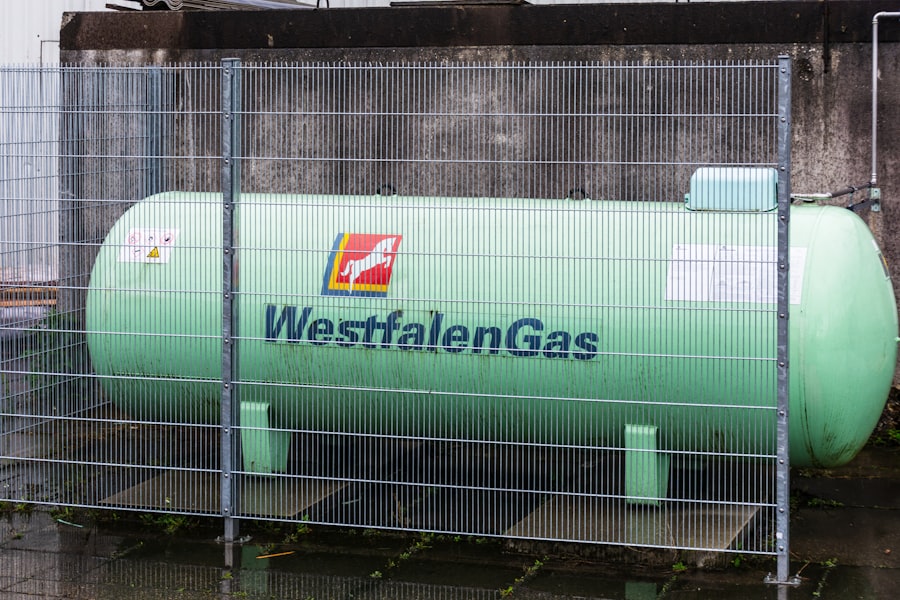
Historically, helium was often considered a mere byproduct of natural gas extraction, its low concentration making its separation economically unviable in many cases. However, as the demand for helium has surged across various high-tech industries, its financial significance has dramatically increased. What was once a waste product is now a valuable commodity, driving technological advancements in extraction and purification. This shift in economic perception has transformed helium from an afterthought to a strategic resource, prompting increased exploration and development efforts.
The Rise of High-Demand Industries
The burgeoning need for helium stems from its unparalleled properties. Its extremely low boiling point makes it an essential coolant for superconducting magnets used in Magnetic Resonance Imaging (MRI) machines and particle accelerators like the Large Hadron Collider. In the aerospace industry, its inertness and lightness make it ideal for inflating weather balloons, high-altitude research balloons, and even as a lifting gas for airships. The semiconductor industry relies on helium for its inert atmosphere during wafer fabrication, preventing oxidation and contamination. Furthermore, its use in welding, fiber optics production, and even leak detection underscores its widespread applicability.
The Cost Factor: Separation and Purification Challenges
The challenge in extracting helium from natural gas lies in its typically low concentration, often ranging from a fraction of a percent to a few percent. Natural gas itself is predominantly methane, with smaller amounts of ethane, propane, and other hydrocarbons. Separating helium from this complex mixture requires sophisticated cryogenic techniques. The process involves cooling the natural gas mixture to extremely low temperatures, causing the heavier components to liquefy and separate, while helium, with its exceptionally low boiling point, remains gaseous. This energy-intensive process, coupled with the transportation and storage of helium, contributes significantly to its overall cost.
Shifting Perceptions: From Waste to Value
For decades, many natural gas producers viewed helium as an impurity to be removed, rather than a valuable resource to be recovered. The economic rationale for separating it was often absent due to low market prices and the high cost of extraction. However, the escalating global demand and the limited number of new helium discoveries have fundamentally altered this perspective. Helium prices have seen significant upward trends, making the investment in specialized extraction facilities more attractive. This economic shift has encouraged a reevaluation of existing natural gas reserves, with a renewed focus on their helium content.
The Geopolitical Landscape of Helium
The concentration of helium reserves is not uniform across the globe. The United States, historically, has been a major producer, thanks to its prolific natural gas fields. However, other countries, including Qatar, Algeria, and Russia, also possess significant helium resources. The geopolitical implications are substantial, as countries with substantial helium reserves hold a degree of leverage in supplying this critical element to the global market. This has led to discussions about helium security and the need for diversified supply chains to mitigate risks associated with supply disruptions.
Exploring the Depths: Identifying and Accessing Helium-Rich Natural Gas Fields

The search for helium is inextricably linked to the exploration and development of natural gas reserves. Geologists and geophysicists employ sophisticated techniques to identify geological formations that are likely to contain both natural gas and sufficient concentrations of helium. This involves a deep understanding of regional geology, seismic surveys, and detailed analysis of rock samples. Once promising sites are identified, the process of drilling and extraction begins, with specialized equipment and procedures required to handle the unique properties of helium.
Geophysical Prospecting: Mapping the Subsurface Secrets
Geophysical surveys are the initial and critical step in identifying potential hydrocarbon and helium reservoirs. Seismic surveys, utilizing sound waves that travel through the Earth’s crust, provide detailed images of subsurface rock layers and structures. By analyzing the reflections of these sound waves, geologists can identify potential traps, such as anticlines and fault blocks, where natural gas and helium might have accumulated. Electromagnetic surveys and gravimetric surveys can also provide complementary subsurface information, aiding in the overall assessment of a region’s geological potential.
Geochemical Analysis: Unearthing the Tell-Tale Signs
Geochemical analysis plays a vital role in confirming the presence of helium and its precursors. Samples of natural gas from exploratory wells are analyzed for their helium content. Furthermore, analysis of rock formations can reveal the presence of radioactive elements like uranium and thorium, indicating the potential for in-situ helium generation. The isotopic composition of helium can also provide clues about its origin, distinguishing between radiogenic helium and primordial helium that may have been trapped during Earth’s formation.
Drilling and Well Completion: The Gateway to the Reservoir
Once a promising site is identified, the arduous process of drilling begins. Vertical wells are drilled deep into the Earth’s crust to reach the presumed reservoir. Modern drilling techniques allow for the extraction of natural gas and associated helium from increasingly challenging geological formations. Well completion involves lining the borehole with casing and perforating it at the reservoir level to allow the fluids and gases to flow into the well. For helium extraction, specialized completion techniques may be employed to optimize its recovery.
Reservoir Characterization: Quantifying the Hidden Treasure
After drilling, extensive reservoir characterization is undertaken to determine the amount of recoverable natural gas and helium. This involves various testing procedures, including flow tests and pressure analyses, to understand the reservoir’s capacity, permeability, and production potential. Detailed geological models are created to simulate the reservoir’s behavior over time, aiding in the planning of optimal extraction strategies and estimating the long-term yield of both natural gas and helium.
Natural gas is not only a vital energy source but also contains valuable byproducts, one of which is helium. This noble gas, often associated with balloons and scientific applications, is found in trace amounts within natural gas deposits. The extraction and utilization of helium from natural gas have garnered attention due to its increasing demand and limited supply. For more insights on this fascinating topic, you can read a related article that explores the relationship between natural gas and helium at this link. Understanding this connection is crucial as it highlights the importance of natural gas beyond just energy production.
The Future of Helium: Sustainability, Innovation, and Global Supply
| Property | Value |
|---|---|
| Helium Content in Natural Gas | 0.3% to 7% |
| Helium Extraction Methods | Cryogenic Distillation, Pressure Swing Adsorption |
| Helium Production Locations | United States, Algeria, Russia, Qatar |
The increasing global reliance on helium, coupled with the finite nature of its terrestrial reserves, necessitates a forward-thinking approach to its production and utilization. Efforts are underway to improve extraction efficiency, develop new helium sources, and promote responsible consumption. The future of helium hinges on technological innovation, international collaboration, and a commitment to sustainable practices.
Enhancing Extraction and Recovery Technologies
Research and development are continuously focused on improving the efficiency and cost-effectiveness of helium extraction from natural gas. Advanced cryogenic distillation techniques, membrane separation technologies, and adsorption processes are being explored and optimized to maximize helium recovery while minimizing energy consumption. The development of modular and scalable extraction units could enable smaller natural gas producers to capitalize on their helium content.
Exploring Unconventional Helium Sources
While natural gas remains the primary source, scientists are investigating alternative and unconventional sources of helium. This includes exploring helium trapped in subsurface brines, as well as investigating the potential for helium generation in shallower, non-hydrocarbon-bearing formations. Some research even looks at utilizing helium from volcanic outgassing and other geological phenomena, although these are often less concentrated and more challenging to access.
The Importance of Conservation and Recycling
Given its strategic importance and limited supply, conservation and recycling of helium are becoming increasingly critical. In applications where helium is not consumed, such as in MRI machines, efforts are being made to capture and re-liquefy used helium. Developing more efficient recycling infrastructure and promoting responsible usage practices among industries are vital steps towards ensuring a sustainable helium supply for future generations.
International Cooperation and Resource Management
The global nature of helium demand and supply necessitates international cooperation. Sharing geological data, fostering joint research initiatives, and establishing agreements for equitable resource distribution are crucial for mitigating potential supply shortages and price volatility. Sound resource management policies by producing nations are also essential for ensuring the long-term availability of this vital element. The interconnectedness of the global economy means that disruptions in helium supply can have ripple effects across multiple advanced industries. The story of helium, intricately linked with natural gas, continues to unfold, revealing new opportunities and challenges as humanity’s reliance on this extraordinary element grows.

The Most Important Gas You’ve Never Heard Of
FAQs
What is natural gas?
Natural gas is a fossil fuel that is primarily composed of methane, but can also contain small amounts of other hydrocarbons, such as ethane, propane, and butane.
How does natural gas contain helium?
Helium is a byproduct of natural gas production and is found in certain natural gas deposits. When natural gas is extracted from the ground, it can contain varying amounts of helium, depending on the specific geological conditions of the gas reservoir.
What is the process for extracting helium from natural gas?
The process of extracting helium from natural gas involves several steps, including cryogenic extraction, purification, and liquefaction. The natural gas is first cooled to very low temperatures to separate the helium from the other gases, and then it undergoes further purification to remove any remaining impurities.
What are the uses of helium extracted from natural gas?
Helium extracted from natural gas is used in a variety of applications, including as a coolant for nuclear reactors, in cryogenics for medical imaging and research, and in the production of semiconductors and fiber optics. It is also used in the aerospace industry for pressurizing and purging systems.
Is the extraction of helium from natural gas sustainable?
The extraction of helium from natural gas is considered sustainable, as long as it is done responsibly and in accordance with environmental regulations. However, helium is a non-renewable resource, so it is important to use it efficiently and to explore alternative sources of helium in the future.