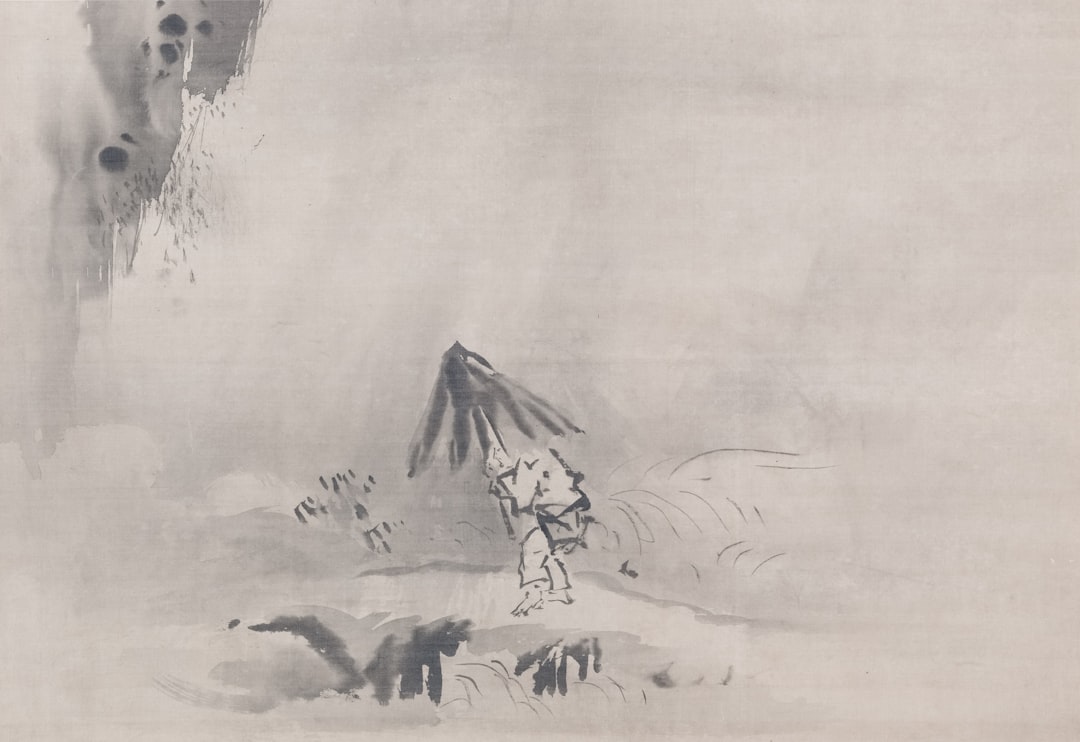
Passage drawing is a technique that emphasizes the flow and continuity of forms within a composition. It is characterized by the seamless transition between different elements, allowing the viewer’s eye to move effortlessly across the artwork. This method is not merely about replicating what one sees; it involves an understanding of how shapes and lines interact to create a cohesive whole.
Artists who engage in passage drawing often find themselves exploring the relationships between objects, light, and space, which can lead to a deeper appreciation of their subject matter. At its core, passage drawing requires a solid foundation in basic drawing skills.
This involves not only capturing the outlines of objects but also understanding their three-dimensional forms. By focusing on the connections between different elements, artists can create a sense of unity in their work. The practice of passage drawing encourages individuals to look beyond the surface and delve into the underlying structures that define their subjects.
Key Takeaways
- Understanding the basics of passage drawing is essential for beginners to grasp the foundational concepts and techniques.
- Developing the skill of observational drawing is crucial for accurately capturing the details and nuances of a subject in passage drawing.
- Utilizing light and shadow effectively can add depth and dimension to passage drawings, creating a more realistic and dynamic composition.
- Exploring different techniques and mediums for passage drawing allows artists to experiment and find their unique style and approach.
- Learning the importance of composition in passage drawing is key to creating visually appealing and balanced artworks.
Developing the Skill of Observational Drawing
Observational drawing is an essential skill for any artist, particularly those interested in passage drawing. This practice involves closely studying a subject and translating that observation into a visual representation. The ability to accurately depict what one sees is crucial, as it lays the groundwork for more complex techniques.
Artists often begin with simple objects, gradually progressing to more intricate scenes as their confidence and skills develop. To enhance observational drawing skills, artists are encouraged to engage in regular practice. This can include sketching from life, using reference photos, or even drawing from imagination.
The key is to cultivate a habit of looking closely at details, proportions, and relationships between objects. By doing so, artists can train their eyes to recognize subtle nuances that contribute to the overall composition. Over time, this practice not only improves technical abilities but also fosters a deeper connection with the subject matter.
Utilizing Light and Shadow in Passage Drawing
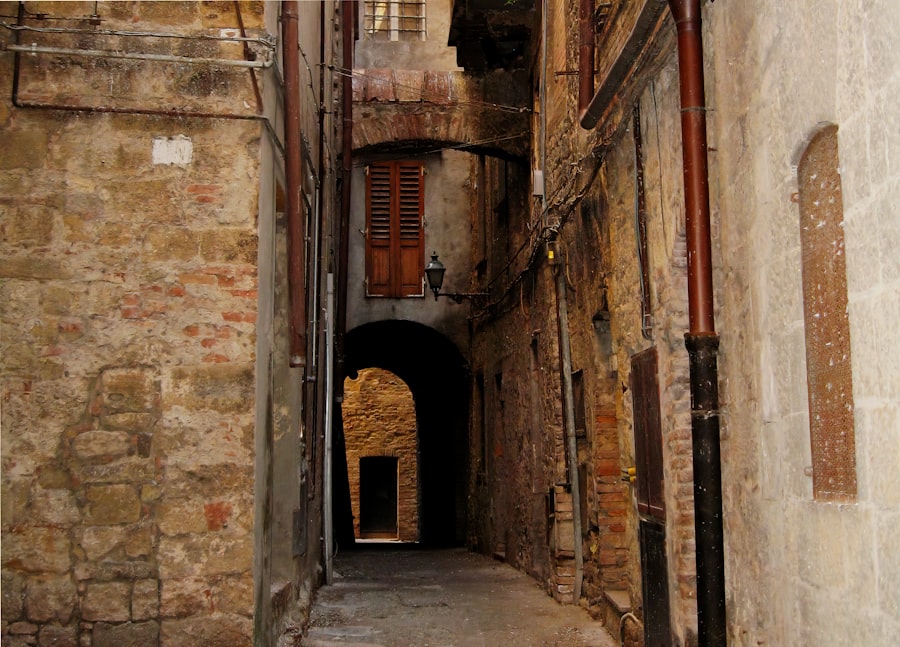
Light and shadow play a pivotal role in passage drawing, as they help define forms and create a sense of depth. Understanding how light interacts with objects allows artists to render their subjects more realistically. By observing how shadows fall and how light reflects off surfaces, artists can create a dynamic interplay between light and dark areas in their drawings.
This technique adds dimension and enhances the overall visual impact of the artwork. Incorporating light and shadow into passage drawing requires careful observation and practice. Artists often begin by studying how light behaves in different environments, noting variations in intensity and direction.
They may experiment with different shading techniques to achieve the desired effect, such as hatching or stippling. By mastering these techniques, artists can create a more immersive experience for viewers, inviting them to explore the intricacies of the composition.
Exploring Different Techniques and Mediums for Passage Drawing
| Technique/Medium | Pros | Cons |
|---|---|---|
| Pencil | Easy to control | Can smudge easily |
| Ink | Sharp lines | No room for mistakes |
| Watercolor | Beautiful blending | Difficult to control |
| Digital | Undo/redo options | Lacks traditional feel |
The world of passage drawing is rich with diverse techniques and mediums that artists can explore. Traditional pencil and charcoal are popular choices due to their versatility and ease of use. However, artists may also experiment with ink, pastels, or even digital tools to achieve unique effects.
Each medium offers distinct characteristics that can enhance the passage drawing experience, allowing for greater expression and creativity. In addition to exploring various mediums, artists can also experiment with different techniques to develop their own style. For instance, some may prefer a more gestural approach, using loose lines to convey movement and energy, while others might opt for a meticulous method that emphasizes detail and precision.
By trying out different techniques, artists can discover what resonates with them personally and refine their approach to passage drawing.
Learning the Importance of Composition in Passage Drawing
Composition is a fundamental aspect of passage drawing that significantly influences the overall effectiveness of an artwork. A well-composed piece guides the viewer’s eye through the various elements, creating a harmonious balance between positive and negative space. Artists must consider factors such as focal points, symmetry, and the arrangement of shapes when planning their compositions.
A strong composition not only enhances visual appeal but also conveys the intended message or emotion behind the artwork. To develop compositional skills, artists often study the works of masters who excelled in this area. Analyzing how these artists arranged their subjects can provide valuable insights into effective composition strategies.
Additionally, practicing thumbnail sketches can help artists experiment with different layouts before committing to a final piece.
Creating Depth and Dimension in Passage Drawing
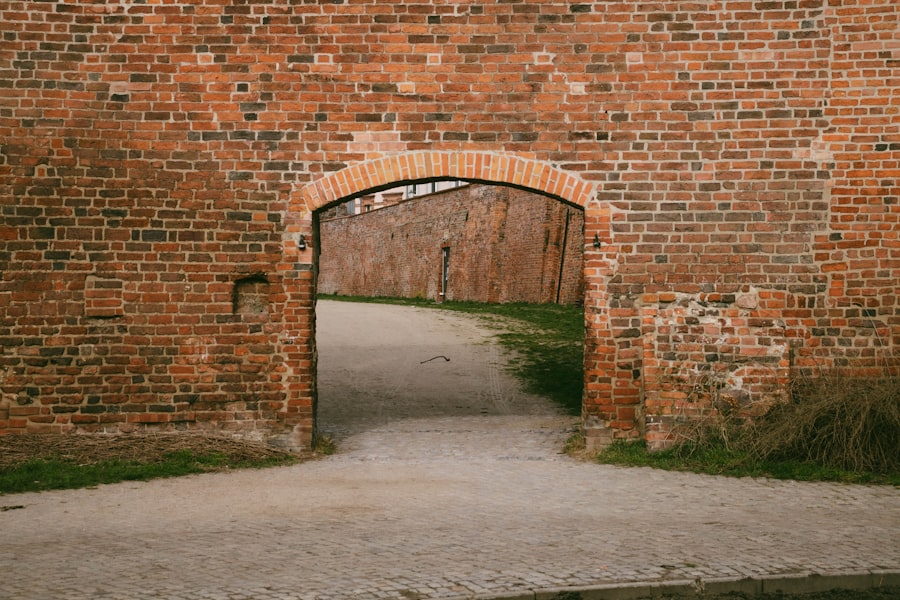
Creating depth and dimension is essential for achieving a realistic representation in passage drawing. Artists can employ various techniques to suggest three-dimensionality on a two-dimensional surface. One effective method is through the use of overlapping elements; by placing one object in front of another, artists can create a sense of spatial relationships that draws viewers into the scene.
Another technique for enhancing depth is atmospheric perspective, which involves manipulating color and clarity to suggest distance. Objects that are farther away tend to appear lighter and less detailed than those in the foreground. By applying this principle, artists can create a more immersive experience for viewers, allowing them to feel as though they are stepping into the artwork rather than merely observing it from afar.
Mastering the Art of Cross-Hatching and Shading
Cross-hatching and shading are vital techniques in passage drawing that allow artists to create texture and depth through varying line density and direction. Cross-hatching involves layering lines in different directions to build up tonal values, while shading typically employs smooth transitions from light to dark areas. Mastering these techniques enables artists to convey form and volume effectively.
To become proficient in cross-hatching and shading, artists should practice regularly with various subjects. They may start with simple shapes before progressing to more complex forms that require nuanced shading techniques. Experimenting with different pressures on the drawing tool can also yield diverse results, allowing artists to discover their unique style within these traditional methods.
Incorporating Texture and Detail in Passage Drawing
Texture adds richness and interest to passage drawings, inviting viewers to engage more deeply with the artwork. Artists can achieve texture through various means, such as varying line quality or incorporating patterns that mimic real-life surfaces. For instance, an artist might use short, jagged lines to represent rough surfaces or smooth strokes for softer textures like skin or fabric.
Detail is equally important in passage drawing; it helps ground the viewer’s experience by providing focal points within the composition. However, artists must strike a balance between detail and simplicity—too much detail can overwhelm a piece while too little may leave it feeling flat. By selectively incorporating texture and detail where it matters most, artists can enhance their passage drawings without sacrificing overall cohesion.
Using Color to Enhance Passage Drawings
Color can significantly elevate passage drawings by adding vibrancy and emotional resonance to the artwork. While many artists begin with monochromatic studies to master form and composition, introducing color opens up new avenues for expression. Color theory plays a crucial role here; understanding how colors interact—through complementary contrasts or harmonious palettes—can enhance the overall impact of a piece.
When incorporating color into passage drawings, artists should consider how it affects mood and atmosphere. Warm colors may evoke feelings of energy or warmth, while cool colors can create a sense of calm or distance. By thoughtfully applying color within their compositions, artists can guide viewers’ emotional responses and deepen their connection to the artwork.
Experimenting with Different Styles and Approaches to Passage Drawing
Artistic growth often comes from experimentation; thus, exploring different styles and approaches is vital for any artist interested in passage drawing. Whether it’s adopting elements from impressionism or abstract art or integrating mixed media techniques, pushing boundaries can lead to exciting discoveries. Each style offers unique perspectives on form and composition that can enrich an artist’s understanding of passage drawing.
Artists are encouraged to step outside their comfort zones by trying new methods or combining various influences into their work. This experimentation not only fosters creativity but also helps develop a distinctive voice within the realm of passage drawing. By embracing diverse styles, artists can continually evolve their practice while remaining true to their artistic vision.
Practicing and Refining Passage Drawing Skills
Ultimately, mastery in passage drawing comes down to consistent practice and refinement of skills over time. Artists should dedicate time each week to hone their abilities through focused exercises that challenge them technically and conceptually. This could involve setting specific goals—such as improving observational skills or experimenting with new techniques—to ensure steady progress.
Additionally, seeking feedback from peers or mentors can provide valuable insights into areas for improvement. Constructive criticism helps artists identify strengths and weaknesses within their work while encouraging them to push beyond perceived limitations. By committing to ongoing practice and refinement, artists can cultivate their unique style in passage drawing while continually expanding their artistic horizons.
In conclusion, passage drawing is an intricate art form that encompasses various techniques and principles essential for creating compelling visual narratives. From understanding basic concepts to mastering advanced skills like cross-hatching and color application, each aspect contributes to an artist’s growth and development within this discipline. Through dedication and exploration, artists can unlock new dimensions in their work while fostering a deeper connection with both their subjects and viewers alike.
If you’re looking to enhance your drawing skills, you might find the article on MyGeoQuest particularly helpful. It provides insightful tips and techniques for beginners and experienced artists alike. For a comprehensive guide on how to draw, you can explore their detailed resources by visiting this related article. This page offers a variety of drawing exercises and tutorials that can help you improve your artistic abilities.
WATCH NOW! Drake Passage: Earth’s Deadliest Waters Revealed
FAQs
What is a passage drawing?
A passage drawing is a type of artwork that depicts a specific scene or location, often with a focus on capturing the atmosphere and mood of the place.
What are some tips for drawing a passage?
When drawing a passage, it’s important to pay attention to the lighting, perspective, and composition of the scene. It can also be helpful to start with a rough sketch to plan out the placement of key elements before adding in more detail.
What materials are commonly used for passage drawings?
Artists often use a variety of materials for passage drawings, including pencils, charcoal, ink, and pastels. Some may also use digital tools such as graphic tablets and software for creating digital passage drawings.
How can I improve my passage drawing skills?
Practicing regularly, studying the work of other artists, and seeking feedback from peers or mentors can all help improve passage drawing skills. Additionally, taking the time to observe and study real-life scenes can provide valuable inspiration and reference material.