Understanding Soil Debt: The Impact of Soil Degradation
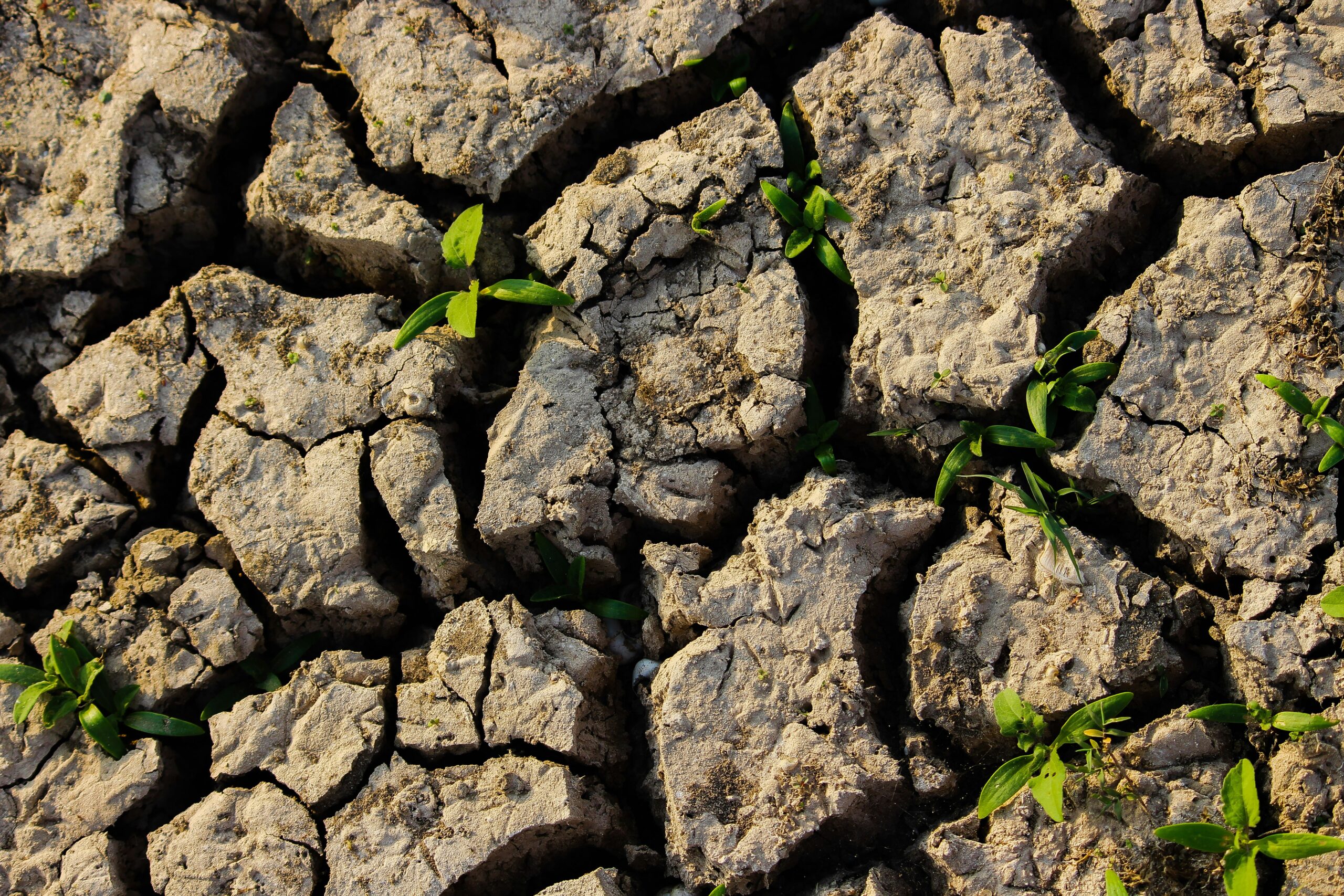
Soil, the silent, unassuming foundation of life on Earth, is a precious resource facing a growing threat: degradation. This degradation, manifesting as a loss of soil health and fertility, is akin to accumulating a “soil debt” – an environmental debt that carries significant, far-reaching consequences for ecosystems, economies, and human well-being. This article delves into the multifaceted concept of soil debt, exploring its origins, its diverse impacts, and the urgent need for its remediation.
Soil debt is not a financial obligation in the traditional sense, but rather a metaphor for the depletion of essential soil functions and resources that are being exploited at a rate faster than their natural regeneration. It represents a deficit in the vital services that healthy soil provides, leading to a decline in its productive capacity and ecological resilience. Much like financial debt accrues interest and becomes harder to repay over time, soil debt intensifies with continued mismanagement, making recovery more challenging and costly.
Defining Soil Degradation: A Multifaceted Phenomenon
Soil degradation encompasses a range of processes that diminish the quality of soil, rendering it less capable of supporting plant life and performing its ecological functions. These processes are not isolated incidents but often interact and exacerbate one another, accelerating the accrual of soil debt.
Erosion: The Carrying Away of Fertile Topsoil
One of the most visible and widespread forms of soil degradation is erosion. This is the process by which topsoil, the most fertile and nutrient-rich layer, is displaced and lost.
Water Erosion: The Unseen Scourge
Rainfall, particularly intense downpours, can wash away loose soil particles. This can occur as sheet erosion, where a thin layer of soil is removed uniformly, or as rill and gully erosion, where water carves channels and canyons into the land, carrying away vast quantities of soil. Factors like steep slopes, lack of vegetation cover, and inadequate soil management practices amplify water erosion.
Wind Erosion: A Dusty Menace
In arid and semi-arid regions, or where vegetation is sparse, wind becomes a powerful erosive force. Fine soil particles are lifted and carried away by the wind, leading to dust storms and the loss of fertile topsoil. This is particularly problematic in agricultural areas where plowing can leave soil surfaces exposed.
Compaction: The Suffocation of Soil Structure
Soil compaction occurs when soil particles are pressed together, reducing pore space. This makes it difficult for water to infiltrate and drain, hinders root growth, and limits aeration.
Heavy Machinery: An Agricultural Footprint
The increased use of heavy agricultural machinery, such as tractors and harvesters, is a significant contributor to soil compaction. Repeated passes over the same fields can compress the soil, especially when it is wet.
Overgrazing: The Hooves of Destruction
Excessive livestock grazing can lead to soil compaction as the hooves of animals repeatedly press down on the soil surface. This also removes protective vegetation cover, further increasing susceptibility to erosion.
Nutrient Depletion: The Gradual Starvation of Soil
Healthy soil is a reservoir of essential nutrients that plants need to thrive. However, unsustainable agricultural practices can deplete these nutrients faster than they can be replenished.
Intensive Agriculture: The Constant Demand
Modern intensive agriculture often relies on monoculture cropping and the removal of entire harvests, which aggressively extracts nutrients from the soil year after year. Without adequate replenishment through organic matter or fertilizers, the nutrient bank is steadily drained.
Leaching: The Downward Slide of Nutrients
Excessive rainfall or irrigation can wash soluble nutrients deeper into the soil profile, beyond the reach of plant roots. This process, known as leaching, is exacerbated by poor soil structure and low organic matter content.
Salinization: The Salt Buildup
Salinization is the accumulation of salts in the soil to levels that are toxic to most plants. This often occurs in arid and semi-arid regions where irrigation is practiced without adequate drainage.
Improper Irrigation Practices: The Double-Edged Sword
Irrigation, while essential for agriculture in dry climates, can lead to salinization if water sources contain dissolved salts and if drainage is insufficient. As water evaporates from the soil surface, salts are left behind, gradually building up.
Rising Water Tables: The Salt’s Ascent
In some areas, rising groundwater tables can bring dissolved salts to the surface, contributing to salinization. This can be influenced by changes in land use and water management.
Loss of Organic Matter: The Heart of Soil Health
Organic matter, composed of decomposed plant and animal remains, is the lifeblood of healthy soil. It improves soil structure, increases water-holding capacity, provides nutrients, and supports beneficial soil organisms.
Removal of Crop Residues: A Missed Opportunity
Leaving crop residues on the field after harvest is crucial for returning organic matter to the soil. However, in some agricultural systems, these residues are removed for animal feed or other purposes, depriving the soil of this vital input.
Erosion and Leaching: Washing Away the Goodness
As mentioned earlier, erosion and leaching not only remove topsoil and nutrients but also the valuable organic matter contained within them.
The Drivers of Soil Debt: Human Activities and Their Consequences
The accumulation of soil debt is primarily driven by human activities that disregard the ecological limits of soil regeneration. These activities are often fueled by economic pressures, population growth, and a lack of awareness about the long-term consequences of soil degradation.
Unsustainable Agricultural Practices: The Dominant Force
Agriculture, arguably the most significant user of land globally, is also a major contributor to soil debt. Practices designed for short-term yield maximization often come at the expense of long-term soil health.
Monoculture and Crop Rotation Neglect: A Recipe for Imbalance
The continuous cultivation of the same crop (monoculture) depletes specific nutrients and can favor certain pests and diseases, making the soil more vulnerable. Lack of crop rotation, a practice that involves planting different crops in a sequence, further exacerbates these issues by not allowing the soil to recover.
Inappropriate Tillage Methods: Disturbing the Natural Order
Conventional tillage, which involves plowing and turning over the soil, can disrupt soil structure, increase erosion, and lead to the loss of organic matter. While some tillage is necessary for preparing fields for planting, excessive or inappropriate methods contribute significantly to soil debt.
Imbalanced Fertilizer Use: A Short-Sighted Solution
While fertilizers can boost crop yields, their overuse or misuse can lead to nutrient imbalances, acidification of the soil, and pollution of water bodies. Synthetic fertilizers do not contribute to the organic matter content of the soil, unlike organic amendments.
Deforestation and Land-Use Change: Reshaping the Landscape
The clearing of forests for agriculture, urbanization, or other development purposes has profound impacts on soil health.
Loss of Vegetative Cover: Exposing the Soil to the Elements
Forests, with their dense canopy and root systems, protect the soil from erosion and maintain its structure and moisture content. Deforestation removes this protective layer, leaving the soil vulnerable to the forces of wind and water.
Urbanization and Infrastructure Development: The Concrete Scars
The expansion of cities and infrastructure projects often involves the removal of topsoil and the sealing of large areas under concrete and asphalt. This destroys the soil’s ability to function and contributes to a loss of fertile land.
Overgrazing and Intensive Livestock Farming: A Heavy Footprint
The management of livestock can have a significant impact on soil health.
Overgrazing: The Grassland’s Despair
When too many animals graze on a limited area for extended periods, they consume vegetation faster than it can regrow, leading to overgrazing. This reduces ground cover, exposes the soil to erosion, and can compact the soil.
Concentrated Animal Feeding Operations (CAFOs): Waste and Contamination
While not directly degrading soil through physical erosion, the waste generated by large-scale concentrated animal feeding operations can lead to nutrient pollution and contamination of soil and water resources if not managed properly.
Soil debt is a critical concept in understanding the long-term sustainability of agricultural practices and their impact on the environment. For a deeper exploration of this topic, you can refer to the article on soil health and its implications for future farming practices available at My Geo Quest. This article delves into the importance of maintaining soil quality and the consequences of neglecting soil health, providing valuable insights for farmers and policymakers alike.
The Far-Reaching Impacts of Soil Debt: A Cascade of Consequences
The accumulation of soil debt is not an isolated environmental problem; its consequences ripple through ecosystems, economies, and societies, impacting everything from food security to climate stability.
Environmental Ramifications: Disrupting Natural Systems
The degradation of soil has profound and often irreversible impacts on the environment.
Biodiversity Loss: The Fading Tapestry of Life
Healthy soil teems with life, supporting a vast array of microorganisms, fungi, insects, and other invertebrates that are crucial for nutrient cycling, decomposition, and soil structure. When soil degrades, its biodiversity plummets, disrupting these essential ecological processes.
Disruption of Soil Food Webs: The Foundation Crumbles
The intricate soil food web, a complex network of organisms interacting through feeding relationships, is fundamentally altered by soil degradation. The loss of key species can have cascading effects throughout the entire system.
Reduced Habitat for Terrestrial and Aquatic Life: A Domino Effect
Healthy soils are habitats for countless terrestrial organisms, from earthworms to burrowing mammals.Furthermore, degraded soils can no longer effectively filter water, leading to increased sediment and nutrient runoff into rivers, lakes, and oceans, harming aquatic ecosystems.
Water Cycle Alterations: A Scarce and Polluted Resource
Soil plays a critical role in the water cycle, acting as a sponge that absorbs, filters, and stores water. Soil degradation compromises these functions.
Reduced Water Infiltration and Increased Runoff: The Drying Landscape
Degraded soils, often compacted and lacking organic matter, are less able to absorb rainwater. This leads to increased surface runoff, carrying away topsoil and pollutants. Consequently, less water infiltrates the soil to recharge groundwater reserves, leading to drier landscapes and increased vulnerability to drought.
Water Quality Decline: The Threat to Human Health and Ecosystems
The increased runoff from degraded lands carries sediment, nutrients (like nitrogen and phosphorus), and pesticides into water bodies. This pollutes rivers, lakes, and oceans, leading to eutrophication (algal blooms), oxygen depletion, and harm to aquatic life. Contaminated groundwater can also jeopardize drinking water supplies.
Climate Change Acceleration: An Unforeseen Accelerator
Soil is a significant carbon sink, meaning it stores vast amounts of carbon. Soil degradation releases this stored carbon into the atmosphere, contributing to the greenhouse effect and climate change.
Carbon Sequestration Decline: The Soil’s Unfulfilled Potential
Healthy soils, rich in organic matter, actively sequester atmospheric carbon dioxide, drawing it down and storing it. When soil degrades, this capacity is diminished, and the stored carbon is released as CO2.
Increased Greenhouse Gas Emissions: Methane and Nitrous Oxide
Beyond CO2, degraded soils can also become sources of other potent greenhouse gases, such as methane (CH4) and nitrous oxide (N2O), particularly under altered waterlogged or nutrient-rich conditions.
Socioeconomic Consequences: The Human Cost of Soil Degradation
The environmental impacts of soil debt translate directly into significant socioeconomic challenges for human populations.
Food Insecurity and Famine: The Foundation of Nourishment Erodes
The most direct and devastating consequence of soil degradation is its impact on food production. Reduced soil fertility leads to lower crop yields, making it harder to feed growing populations.
Decreased Agricultural Productivity: The Land’s Failing Yield
As soil quality declines, the ability of land to produce food diminishes. Farmers may face declining yields, increased costs for inputs (like fertilizers), and ultimately, crop failures. This disproportionately affects smallholder farmers and vulnerable communities who are most dependent on rain-fed agriculture.
Increased Food Prices and Volatility: A Market Under Strain
When food production is compromised, food prices tend to rise. This can lead to food insecurity, particularly for low-income households. Furthermore, climate-induced crop failures due to soil degradation can create significant volatility in food markets.
Economic Losses: The Financial Burden of a Degraded Resource
The economic ramifications of soil degradation are substantial, affecting national economies and individual livelihoods.
Reduced Farm Income and Livelihoods: The Farmer’s Struggle
Farmers are directly impacted by declining yields and increased input costs. This can lead to reduced incomes, increased debt, and the abandonment of agricultural lands, particularly in marginal areas.
Increased Costs for Disaster Relief and Rehabilitation: The Price of Neglect
When soil degradation leads to desertification, landslides, or more frequent and severe floods, governments and international organizations incur significant costs for disaster relief, rebuilding infrastructure, and rehabilitating degraded lands.
Loss of Ecosystem Services: The Unaccounted Costs
Healthy soils provide invaluable ecosystem services, such as water purification, flood control, and climate regulation, which have significant economic value. The degradation of soil leads to the loss of these services, representing a hidden economic cost.
Social and Political Instability: The Seeds of Conflict
In regions heavily reliant on agriculture, widespread soil degradation, coupled with food insecurity and economic hardship, can sow the seeds of social unrest and trigger migration and conflict.
Migration and Displacement: Seeking Greener Pastures
When land can no longer sustain livelihoods, people are often forced to migrate in search of better opportunities. This can lead to increased pressure on resources in destination areas and can fuel social tensions.
Resource Conflicts: A Scarcity-Driven Struggle
Competition for increasingly scarce resources, such as water and arable land, can escalate into conflicts between communities or even nations. Soil degradation exacerbates these resource scarcities.
Addressing Soil Debt: Towards Sustainable Soil Management

The concept of soil debt highlights the urgent need for a paradigm shift in how we manage this vital resource. Moving towards sustainable soil management practices is not merely an environmental imperative but a socioeconomic necessity.
Soil debt is a critical concept that highlights the long-term consequences of unsustainable agricultural practices on soil health. For a deeper understanding of this issue, you can explore a related article that delves into the implications of soil degradation and the importance of sustainable farming methods. This insightful piece can be found at this link, where you will discover how addressing soil debt is essential for ensuring food security and environmental sustainability.
Restorative Agriculture: Healing the Wounds of the Land
Restorative agriculture aims to not only sustain but actively improve soil health, reversing the effects of degradation and rebuilding the soil’s natural fertility.
Conservation Tillage and No-Till Farming: Minimizing Disruption
These practices involve reducing or eliminating plowing, keeping crop residues on the soil surface, and disturbing the soil as little as possible. This helps to maintain soil structure, reduce erosion, and increase organic matter content.
Cover Cropping and Crop Rotation: The Soil’s Natural Allies
Planting cover crops between cash crop cycles helps to protect the soil from erosion, suppresses weeds, improves soil structure, and adds valuable organic matter. Implementing diverse crop rotation patterns replenishes nutrients, breaks pest cycles, and enhances soil health.
Agroforestry and Silvopasture: Integrating Trees into Farming Systems
Integrating trees into agricultural landscapes offers numerous benefits. Agroforestry systems combine trees with crops, while silvopasture systems integrate trees with livestock grazing. Trees help to stabilize soil, prevent erosion, improve water infiltration, enhance biodiversity, and provide additional income sources.
Organic Amendments and Composting: Rebuilding Soil Fertility
Using organic materials like compost, animal manure, and crop residues to fertilize the soil enriches it with nutrients and organic matter, improving its structure, water-holding capacity, and biological activity.
Water Management Strategies: Conserving and Utilizing Water Wisely
Efficient water management is crucial for preventing salinization and ensuring water availability for agriculture.
Drip Irrigation and Water-Saving Techniques: Precision for Productivity
Drip irrigation delivers water directly to the plant roots, minimizing evaporation and reducing water consumption. Other water-saving techniques, such as rainwater harvesting and mulching, also play a vital role.
Improved Drainage Systems: Preventing Waterlogging and Salinization
In areas prone to waterlogging or salinization, effective drainage systems are essential to remove excess water and salts from the soil.
Reforestation and Land Restoration: Reclaiming Degraded Lands
Large-scale efforts to reforest degraded lands and restore their ecological functions are critical for rebuilding soil health and mitigating the effects of deforestation.
Community-Based Restoration Initiatives: Empowering Local Action
Engaging local communities in reforestation and restoration efforts is crucial for their success. These initiatives often empower people to become stewards of their land and foster a sense of ownership and responsibility.
Policy and Legislation: Creating an Enabling Environment
Government policies and legislation play a key role in promoting sustainable land management practices, incentivizing conservation efforts, and penalizing destructive activities.
Education and Awareness: Fostering a Culture of Soil Stewardship
A fundamental aspect of addressing soil debt is raising awareness about its importance and consequences. Education empowers individuals and communities to make informed decisions and adopt sustainable practices.
Farmer Training Programs: Equipping the Frontline
Providing farmers with comprehensive training on sustainable soil management techniques is essential for their adoption. This includes practical demonstrations and hands-on learning experiences.
Public Awareness Campaigns: Cultivating a Soil-Conscious Society
Engaging the broader public through campaigns that highlight the value of soil and the threats it faces can foster a culture of soil stewardship and encourage support for sustainable practices.
The Long Road to Recovery: Investing in Our Soil Future
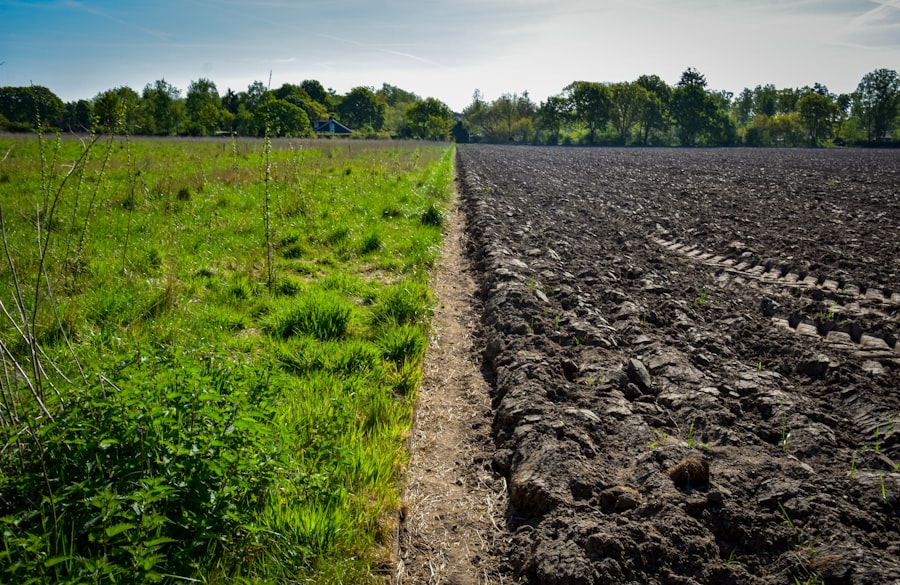
Addressing soil debt is a long-term commitment that requires sustained effort and investment. It is a generational challenge that demands immediate action. The debt has accumulated over decades, and its repayment will not happen overnight. However, the rewards of investing in soil health are immense.
The Economic Benefits of Soil Health: A Foundation for Prosperity
Investing in soil health is not an expense but an investment that yields significant economic returns.
Increased Agricultural Productivity and Income: A Self-Sustaining Cycle
Healthy soils lead to increased crop yields, reduced input costs, and higher farm incomes. This creates a virtuous cycle of productivity and prosperity.
Cost Savings in Water Management and Disaster Mitigation: Preventing Future Losses
By improving water infiltration and retention, healthy soils reduce the need for irrigation and mitigate the impacts of floods and droughts, leading to substantial cost savings.
Enhanced Ecosystem Services and Natural Capital: The True Wealth of Nations
The invisible benefits of healthy soils – clean water, stable climates, and biodiversity – represent invaluable natural capital that underpins human well-being and economic stability.
The Social and Environmental Imperative: A Legacy for Future Generations
Ultimately, the decision to address soil debt is a moral and ethical one. It is about ensuring a habitable planet and a secure future for generations to come.
Food Security for a Growing World: Nourishing Humanity
The ability to feed a growing global population hinges on the health and productivity of our soils. Prioritizing soil health is a direct investment in global food security.
Climate Change Resilience and Mitigation: A Critical Defense
Healthy soils are a powerful ally in the fight against climate change, both in mitigating its causes and in building resilience to its impacts.
A Healthy Planet for All: The Interconnectedness of Life
The degradation of soil affects all life on Earth. By healing our soils, we are contributing to the health and well-being of the entire planet.
In conclusion, soil debt is a formidable challenge, born from generations of unsustainable practices. Its impacts are profound, affecting every facet of our existence. However, the path to repayment is clear: a collective commitment to understanding, valuing, and actively restoring our soils. By embracing sustainable soil management, investing in soil health, and fostering a culture of stewardship, humanity can begin to chip away at this critical debt, ensuring a fertile and thriving future for generations to come. The time to act is now, for our soil, and for ourselves.

The Three Ingredients That Feed the World
FAQs
What is soil debt?
Soil debt refers to the depletion of nutrients and organic matter in the soil due to unsustainable agricultural practices, leading to decreased soil fertility and productivity.
How does soil debt affect agriculture?
Soil debt can lead to reduced crop yields, increased susceptibility to pests and diseases, and decreased resilience to extreme weather events, ultimately impacting the livelihoods of farmers and food security.
What are the main causes of soil debt?
The main causes of soil debt include intensive tillage, excessive use of chemical fertilizers and pesticides, monocropping, and inadequate soil conservation practices.
What are the consequences of soil debt on the environment?
Soil debt can result in increased soil erosion, loss of biodiversity, water pollution from agricultural runoff, and greenhouse gas emissions from degraded soils, contributing to environmental degradation and climate change.
How can soil debt be addressed?
Soil debt can be addressed through sustainable agricultural practices such as conservation tillage, crop rotation, cover cropping, organic farming, and agroforestry, as well as the promotion of soil conservation and restoration efforts.