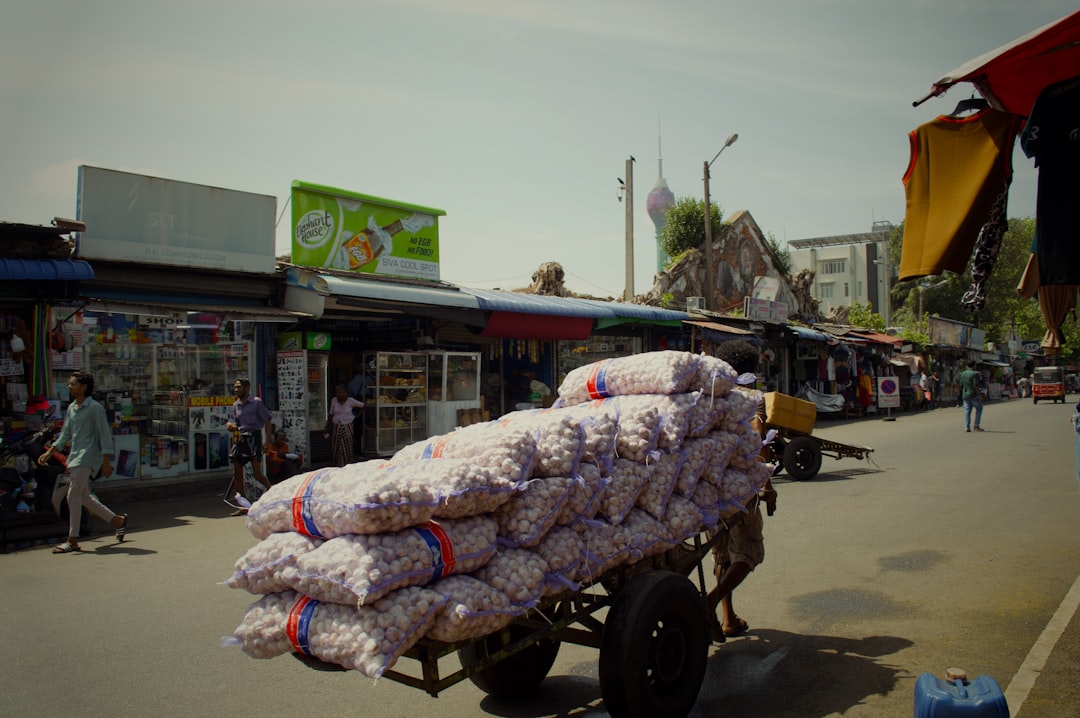
The flickering images on screen paint a stark reality, one that unfolds across continents and touches billions of lives. “Feeding the World: A Food Crisis Documentary” is not just a title; it’s a visceral unveiling of the complex and interconnected challenges that threaten global food security. The film, a powerful cinematic endeavor, dives deep into the labyrinth of issues contributing to a growing hunger crisis, leaving the viewer with a profound sense of urgency and a flicker of hope for solutions.
The documentary opens with a sobering visual expedition, showcasing the dramatic consequences of a warming planet on agricultural landscapes. It meticulously details how changing weather patterns are not just inconveniences but existential threats to the way we produce food.
Droughts of Despair: When Rain is a Distant Memory
The film vividly illustrates the plight of regions gripped by prolonged and intensifying droughts. Images of cracked earth, withered crops, and desperate farmers searching for water are haunting. It highlights specific case studies from sub-Saharan Africa and parts of Asia, where once fertile lands are turning barren. The narrative explains the science behind these escalating droughts, linking them to altered atmospheric circulation patterns and increased evaporation rates. The impact on smallholder farmers, who often lack the resources to adapt, is particularly emphasized. Their livelihoods, and the food security of their communities, are directly at the mercy of unpredictable rainfall. The documentary doesn’t shy away from the emotional toll, showcasing the anxiety and despair etched on the faces of those facing crop failure year after year.
Floods of Fury: The Destructive Power of Excess Water
Conversely, the film also confronts the destructive power of unprecedented floods. Regions that were once parched now find themselves inundated, their crops submerged and farmlands washed away. The documentary provides examples from South Asia and parts of Europe, demonstrating how extreme rainfall events are becoming more frequent and intense. It explains how rising sea levels exacerbate coastal flooding, threatening agricultural land with saltwater intrusion. The narrative underscores the double-edged sword of climate change: too little water in one place, too much in another, both leading to agricultural devastation. The footage of entire villages displaced by floodwaters, their food reserves destroyed, is a powerful reminder of the human cost of environmental degradation.
Shifting Seasons and Unpredictable Harvests: The Agricultural Roulette
Beyond the stark extremes of drought and flood, the documentary explores the more insidious impact of subtle yet significant shifts in agricultural seasons. Farmers are depicted struggling with unpredictable frost patterns, altered flowering times for crops, and the migration of pests into new territories. This disruption of the natural rhythm of agriculture creates a constant state of uncertainty. The narrative delves into the scientific explanations for these shifts, including changes in temperature gradients and atmospheric pressure systems. The economic ramifications are also explored, with farmers facing increased costs for pest control, altered planting schedules, and the constant risk of a failed harvest, undermining their ability to provide for their families and local markets.
In light of the ongoing food crisis, the documentary “Feeding the Future” sheds light on the challenges faced by communities around the world. For a deeper understanding of the issues discussed in the documentary, you can read a related article that explores the impact of climate change on food security. This article provides valuable insights into the systemic problems contributing to the crisis and potential solutions. To learn more, visit this link.
The Unseen Scars: Food Systems Under Pressure – From Farm to Fork
“Feeding the World” moves beyond the immediate impact of climate change to dissect the complex web of factors that strain our global food systems. It argues that the problem is not just about production but also about access, distribution, and resilience.
The Fragility of Supply Chains: A Globalization Under Threat
The documentary exposes the inherent fragility of globalized food supply chains. It illustrates how a disruption in one part of the world, whether due to conflict, natural disaster, or a pandemic, can have ripple effects that lead to shortages and price hikes elsewhere. The film uses historical examples and current events to demonstrate how interconnected our food system has become, making it vulnerable to unforeseen shocks. The reliance on a few key food-producing regions and the intricate logistical networks involved are highlighted as potential points of failure. The narrative questions the long-term sustainability of such a system in the face of escalating global uncertainties.
The recent food crisis documentary sheds light on the alarming state of global food security and its impact on vulnerable populations. For those interested in exploring this topic further, a related article discusses innovative solutions being implemented worldwide to combat hunger and improve agricultural sustainability. You can read more about these initiatives in the article available at My Geo Quest, which provides valuable insights into the ongoing efforts to address this pressing issue.
The Shadow of Conflict: When War Devours Harvests
A significant portion of the documentary is dedicated to the devastating impact of armed conflict on food security. The film showcases harrowing footage from conflict zones, where farmland is destroyed, agricultural infrastructure is targeted, and humanitarian aid routes are blocked. It explains how war not only disrupts food production but also displaces populations, creating refugees who are often facing starvation. The narrative highlights the deliberate use of food as a weapon of war and the long-lasting consequences for communities trying to rebuild their agricultural capacity after years of violence. The stories of individuals forced to abandon their homes and their ancestral farms are particularly poignant.
Rising Prices and the Affordability Gap: When Food Becomes a Luxury
The documentary confronts the critical issue of food affordability. It illustrates how a confluence of factors, including increased production costs, supply chain disruptions, and speculative trading, can lead to soaring food prices. This price volatility disproportionately affects the poor and vulnerable, pushing essential foodstuffs out of their reach. The film features interviews with economists, aid workers, and individuals struggling to afford basic necessities, painting a clear picture of a widening affordability gap. The narrative explores the ethical implications of a world where nutritious food is increasingly becoming a luxury rather than a right.
The Human Face of Hunger: Stories from Those on the Frontlines

“Feeding the World” excels in its human-centered approach, bringing the abstract statistics to life through the personal narratives of those most affected by the food crisis.
Voices from the Fields: The Struggle of Smallholder Farmers
The documentary dedicates significant screen time to the struggles of smallholder farmers, who produce a substantial portion of the world’s food but are often the most vulnerable to its crises. We meet farmers in diverse geographical locations, each facing unique challenges. In one segment, a farmer in Nicaragua describes the heartache of watching his maize crop succumb to drought, the sole source of income for his family of seven. In another, a woman in rural India recounts the constant worry of providing enough food for her children as erratic monsoon patterns make traditional farming practices increasingly unreliable. These stories are not just about crop yields; they are about the resilience, ingenuity, and profound desire of these individuals to sustain their families and communities through their connection to the land. The film emphasizes their deep knowledge of local ecosystems and their potential role in developing sustainable agricultural practices, if only given the support and resources.
The Plight of the Displaced: Hunger in the Wake of Crisis
The documentary powerfully portrays the harrowing realities faced by internally displaced persons and refugees, who are often at the sharpest edge of the food crisis. The film takes viewers to overcrowded camps and makeshift settlements, where access to food is a daily battle. We hear from mothers who walk for miles each day to gather meager rations, prioritizing their children’s survival. The narrative explains how conflict, climate-induced displacement, and economic hardship force millions to abandon their homes, leaving them without access to their traditional livelihoods and facing chronic food insecurity. The footage of children with distended bellies is a stark and unavoidable reminder of the immediate and devastating consequences of widespread hunger. The film highlights the challenges of delivering aid to these vulnerable populations and the urgent need for long-term solutions that address the root causes of displacement.
Resilience and Hope: Communities Building a Better Future
Despite the overwhelming challenges, “Feeding the World” also shines a light on the incredible resilience and innovation of communities striving to overcome the food crisis. The documentary showcases inspiring examples of sustainable farming practices, such as agroecology, community-supported agriculture, and the revival of traditional crop varieties. We witness farmers adapting to changing climates by adopting drought-resistant seeds and water-efficient irrigation techniques. The film highlights the power of collective action, with communities forming cooperatives to share resources, knowledge, and labor. These stories offer a potent message of hope, demonstrating that solutions are possible, driven by the ingenuity and determination of people on the ground. The documentary suggests that by supporting these local initiatives and empowering marginalized communities, we can build a more sustainable and equitable food future.
The Imperative for Change: Navigating Towards a Sustainable Food Future

The documentary concludes with a powerful call to action, urging viewers and policymakers alike to confront the food crisis with urgency and innovative solutions. It argues that incremental changes are no longer sufficient; systemic transformations are required.
Rethinking Agriculture: Sustainable Practices for a Growing Planet
The film emphasizes the urgent need to transition to more sustainable agricultural practices. It advocates for a move away from industrial monocultures that degrade soil and deplete water resources, towards diversified farming systems that enhance biodiversity and soil health. The narrative explores the potential of agroecology, which integrates ecological principles into farming, promoting sustainable land use and reducing reliance on synthetic inputs. The documentary also highlights the importance of investing in research and development for climate-resilient crops and efficient water management techniques. The voices of scientists and environmentalists are featured, underscoring the scientific consensus on the need for a radical shift in how we produce food.
Policy and Governance: The Role of Governments and Global Cooperation
“Feeding the World” argues that robust policy frameworks and effective governance are crucial to addressing the food crisis. The documentary calls for governments to prioritize food security in their national agendas, investing in rural development, supporting smallholder farmers, and implementing policies that promote equitable access to food. It stresses the need for international cooperation, advocating for fair trade practices, increased aid for developing nations, and collaborative efforts to address climate change. The film questions the influence of corporate interests on food policy and calls for greater transparency and accountability in decision-making processes that impact global food systems. The narrative suggests that a global commitment to food justice is essential.
Consumer Power and Individual Action: Making a Difference from Our Plates
The documentary empowers viewers by highlighting the role of individual action and consumer choices in shaping the future of food. It encourages conscious consumption, urging individuals to support sustainable and ethically produced food, reduce food waste, and advocate for policy changes. The film suggests that by understanding where our food comes from and the impact of our dietary choices, we can collectively drive demand for more sustainable and equitable food systems. The narrative provides practical tips for reducing food waste at home and in our communities, emphasizing that every small step contributes to a larger movement. The documentary leaves the audience with a profound sense of agency, reminding them that the power to enact change lies not only with governments and corporations but also within each of us.
“Feeding the World: A Food Crisis Documentary” is more than just a film; it is a wake-up call. It is a powerful, unflinching, and ultimately hopeful exploration of a crisis that demands our immediate attention. By shedding light on the complex interplay of climate change, conflict, economic inequality, and unsustainable food systems, the documentary equips its audience with the knowledge, and hopefully the motivation, to be part of the solution. The images may be stark, and the stories may be heartbreaking, but the underlying message is one of hope – that through collective action, innovation, and a renewed commitment to justice, we can indeed find a way to feed the world.

The Three Ingredients That Feed the World
FAQs
What is the food crisis documentary about?
The food crisis documentary explores the various factors contributing to the global food crisis, including climate change, poverty, and food waste. It also highlights the impact of the crisis on different communities around the world.
Who is the target audience for the food crisis documentary?
The food crisis documentary is intended for a wide audience, including policymakers, activists, educators, and individuals interested in learning more about the challenges and potential solutions related to the global food crisis.
What are some key takeaways from the food crisis documentary?
Some key takeaways from the food crisis documentary include the need for sustainable agricultural practices, the importance of addressing food inequality, and the potential for individuals and communities to make a positive impact through conscious consumption and advocacy.
Where can I watch the food crisis documentary?
The food crisis documentary may be available for streaming on various platforms, such as streaming services, educational websites, or the documentary’s official website. Check the documentary’s official channels for information on where to watch.
How can I get involved in addressing the issues raised in the food crisis documentary?
Viewers interested in getting involved in addressing the issues raised in the food crisis documentary can consider supporting local and international organizations working on food security, advocating for policy changes, reducing food waste, and promoting sustainable agriculture and equitable access to nutritious food.