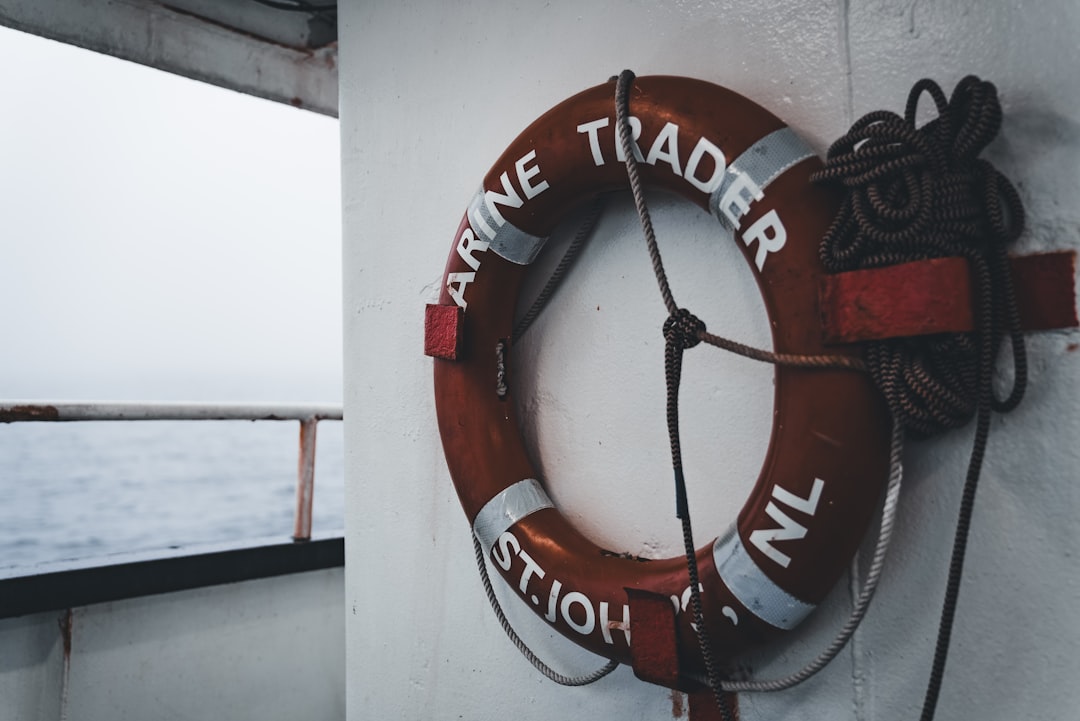
The Drake Passage, a body of water that separates South America from Antarctica, is renowned for its tumultuous seas and unpredictable weather. Stretching approximately 800 kilometers, this passage is often regarded as one of the most challenging maritime routes in the world. Sailors and adventurers alike have long feared the notorious waves and fierce winds that can arise without warning, creating a formidable barrier for those seeking to explore the icy continent.
The passage is not merely a geographical feature; it is a rite of passage for many who embark on Antarctic expeditions, testing their resolve and fortitude against nature’s raw power. Navigating the Drake Passage requires careful planning and respect for the elements. The waters are known for their strong currents and sudden storms, which can transform a calm sea into a chaotic maelstrom in mere moments.
For those aboard vessels traversing this route, the experience can be both exhilarating and daunting. The journey often begins with a sense of anticipation, as travelers prepare to face the challenges ahead. Many find themselves captivated by the beauty of the ocean, even as they brace for the potential discomfort of rough seas.
The Drake Passage serves as a reminder of nature’s might, offering a humbling experience that sets the tone for the adventures that lie ahead.
Key Takeaways
- The Drake Passage is known for its challenging crossing due to its rough seas and strong winds, making it a rite of passage for travelers to Antarctica.
- Preparing for the journey involves expecting rough seas, seasickness, and extreme weather conditions, but also the opportunity to witness breathtaking natural beauty and wildlife.
- The wildlife of the Drake Passage includes a diverse range of species such as whales, seals, and seabirds, offering unique opportunities for wildlife enthusiasts and photographers.
- The history of exploration in the Antarctic is rich and storied, with famous expeditions and explorers paving the way for modern-day travelers to experience the region.
- The unique geography of the Antarctic Peninsula features stunning ice formations, towering glaciers, and dramatic landscapes, providing a once-in-a-lifetime experience for visitors.
Preparing for the Journey: What to Expect
Preparation for a journey across the Drake Passage is essential for ensuring safety and comfort. Travelers are advised to pack appropriately, bringing layers of clothing to accommodate the fluctuating temperatures and unpredictable weather conditions. Waterproof gear, sturdy footwear, and sun protection are crucial items on any packing list.
Additionally, participants are encouraged to familiarize themselves with the ship’s layout and safety protocols before departure. This knowledge can provide peace of mind as they embark on their voyage into one of the most remote regions on Earth. Beyond physical preparations, mental readiness plays a significant role in the overall experience.
Travelers should be aware that seasickness can affect even the most seasoned sailors when crossing the Drake Passage. Many choose to bring motion sickness remedies or consult with medical professionals prior to their journey. Understanding that discomfort may be part of the experience allows travelers to approach the crossing with a sense of resilience.
As they prepare for this adventure, they are not just gearing up for a trip; they are embarking on a transformative journey that will deepen their appreciation for the natural world.
The Wildlife of the Drake Passage
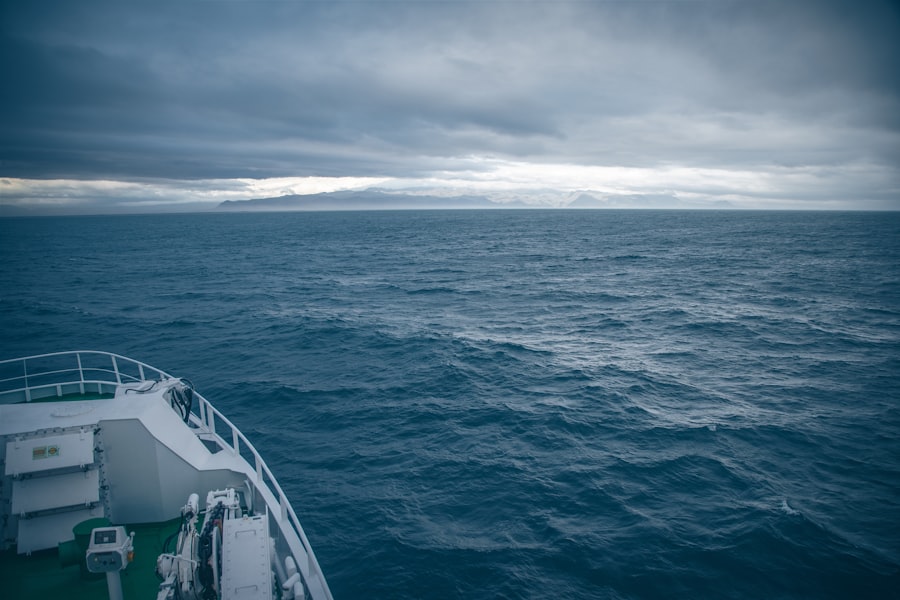
The Drake Passage is not only a challenging crossing but also a vibrant ecosystem teeming with wildlife. This region serves as a critical habitat for various marine species, including whales, seals, and an array of seabirds. Travelers crossing these waters often have the opportunity to witness magnificent creatures such as humpback whales and orcas breaching the surface, creating unforgettable moments that highlight the beauty of nature.
The sight of these majestic animals in their natural habitat can evoke a profound sense of connection to the environment. Birdwatchers will find the Drake Passage particularly rewarding, as it is home to numerous seabird species, including albatrosses and petrels. These birds are known for their impressive wingspans and remarkable flying abilities, often gliding effortlessly over the waves.
Observing their graceful flight can be a mesmerizing experience, drawing attention to the delicate balance of life in this remote region. The wildlife of the Drake Passage serves as a reminder of the interconnectedness of all living beings and underscores the importance of preserving these fragile ecosystems.
The History of Exploration in the Antarctic
| Explorer | Year | Significance |
|---|---|---|
| James Cook | 1773 | First to cross the Antarctic Circle |
| Roald Amundsen | 1911 | First to reach the South Pole |
| Ernest Shackleton | 1914 | Endurance expedition |
| Richard Byrd | 1929 | First to fly over the South Pole |
The history of exploration in Antarctica is rich and complex, marked by tales of bravery, endurance, and scientific discovery. Early explorers faced immense challenges as they sought to chart this uncharted territory, often risking their lives in pursuit of knowledge. Figures such as Ernest Shackleton and Robert Falcon Scott became legends for their daring expeditions, pushing the boundaries of human exploration in some of the harshest conditions imaginable.
Their stories continue to inspire modern adventurers and researchers alike.
The establishment of research stations has allowed scientists from around the world to collaborate in studying this unique environment.
As exploration continues, it is essential to honor the legacy of those who came before while recognizing the importance of responsible stewardship in preserving Antarctica’s pristine landscapes for future generations.
The Unique Geography of the Antarctic Peninsula
The Antarctic Peninsula is a strikingly beautiful region characterized by its dramatic landscapes and unique geographical features. Stretching northward from the main continent of Antarctica, this peninsula boasts towering mountain ranges, vast ice fields, and deep fjords that create a breathtaking backdrop for exploration. The interplay between ice and water shapes the environment, resulting in stunning vistas that captivate all who venture into this remote area.
One of the most remarkable aspects of the Antarctic Peninsula is its biodiversity. The region supports a variety of ecosystems, from icy shores teeming with penguins to lush areas where mosses and lichens thrive in surprisingly mild conditions. This diversity is not only visually stunning but also crucial for understanding how life adapts to extreme environments.
As researchers continue to study this unique geography, they uncover valuable insights into climate change and its effects on ecosystems worldwide.
Activities and Excursions in the Antarctic
Travelers to Antarctica are presented with a plethora of activities and excursions that allow them to immerse themselves in this extraordinary environment. From guided hikes on glaciers to kayaking among icebergs, each experience offers a unique perspective on the continent’s beauty and fragility. Many expeditions include opportunities for wildlife watching, where participants can observe seals lounging on ice floes or penguins waddling along the shore.
For those seeking adventure, polar plunges into icy waters provide an exhilarating challenge that few can resist. These activities not only foster a sense of camaraderie among participants but also create lasting memories that define their journey.
The Impact of Climate Change in the Antarctic
Climate change poses a significant threat to Antarctica’s delicate ecosystems, with far-reaching implications for global climate patterns. As temperatures rise, glaciers are melting at an alarming rate, contributing to rising sea levels that affect coastal communities worldwide. The Antarctic Peninsula has experienced some of the most rapid warming on Earth, leading to shifts in wildlife populations and habitat loss.
These changes serve as stark reminders of humanity’s impact on the planet. Researchers are actively studying these phenomena to better understand how climate change affects not only Antarctica but also global weather systems. The data collected from this region provides critical insights into future climate scenarios and emphasizes the urgency of addressing environmental issues on a global scale.
As travelers witness firsthand the effects of climate change during their journeys, they are often inspired to advocate for conservation efforts and sustainable practices in their own lives.
The Experience of Living on a Research Vessel
Living aboard a research vessel during an Antarctic expedition offers a unique perspective on life at sea and scientific exploration. These vessels are equipped with state-of-the-art technology that allows scientists to conduct research while providing comfortable accommodations for travelers. Participants often find themselves immersed in daily routines that include lectures from experts, hands-on research activities, and opportunities to engage with fellow adventurers.
The camaraderie developed among passengers creates an enriching atmosphere where shared experiences foster lasting friendships. As they navigate through breathtaking landscapes and encounter wildlife together, travelers bond over their mutual appreciation for nature’s wonders. Life aboard a research vessel becomes more than just an adventure; it transforms into an opportunity for personal growth and connection with like-minded individuals who share a passion for exploration and conservation.
The Importance of Conservation in the Antarctic
Conservation efforts in Antarctica are vital for preserving its unique ecosystems and ensuring that future generations can experience its wonders. International treaties such as the Antarctic Treaty System play a crucial role in protecting this fragile environment by regulating human activity and promoting scientific research over exploitation. These agreements reflect a collective commitment to safeguarding Antarctica’s natural resources while fostering international cooperation.
As awareness grows about the impacts of climate change and human activity on Antarctica, conservation initiatives have gained momentum. Organizations dedicated to protecting marine life, preserving habitats, and promoting sustainable tourism are working tirelessly to raise awareness about these issues. Travelers who visit Antarctica often return home with a renewed sense of responsibility toward environmental stewardship, recognizing that their actions can contribute to positive change both locally and globally.
The Culture and Traditions of the Indigenous Peoples of the Antarctic
While Antarctica is largely uninhabited by humans, it is essential to acknowledge the cultural significance of indigenous peoples who have historically interacted with its surrounding regions. Indigenous communities from South America have rich traditions that reflect their deep connection to the land and sea. Their knowledge systems offer valuable insights into sustainable practices that have been passed down through generations.
Understanding these cultural perspectives enhances travelers’ appreciation for Antarctica’s history and reinforces the importance of respecting indigenous rights in discussions about conservation and resource management. By recognizing the contributions of indigenous peoples, explorers can foster greater awareness about cultural heritage while promoting inclusive approaches to environmental stewardship.
Reflections on a Journey to the Antarctic
A journey to Antarctica leaves an indelible mark on those fortunate enough to experience its beauty firsthand. Travelers often return home transformed by their encounters with nature’s grandeur and fragility. The stark contrast between pristine landscapes and the realities of climate change serves as a powerful reminder of humanity’s responsibility toward protecting our planet.
As they reflect on their experiences crossing the Drake Passage, witnessing wildlife in its natural habitat, and engaging with scientific research, many find themselves inspired to advocate for conservation efforts in their own communities. The journey becomes more than just an adventure; it evolves into a lifelong commitment to preserving Earth’s wonders for future generations. In this way, Antarctica not only captivates those who visit but also ignites a passion for environmental stewardship that transcends borders and unites people around a common cause: protecting our planet’s fragile ecosystems.
The Drake Passage is a significant body of water located between the southern tip of South America and Antarctica, known for its challenging navigation conditions due to strong currents and unpredictable weather. For those interested in learning more about the geographical and historical significance of the Drake Passage, a related article can be found on MyGeoQuest. This article provides insights into the passage’s role in global ocean circulation and its impact on maritime travel. You can read more about it by visiting this link.
WATCH NOW! Drake Passage: Earth’s Deadliest Waters Revealed
FAQs
What is Drake Passage?
Drake Passage is the body of water between the southern tip of South America at Cape Horn and the South Shetland Islands of Antarctica. It connects the southwestern part of the Atlantic Ocean with the southeastern part of the Pacific Ocean.
Where is the Drake Passage crossing?
The Drake Passage crossing is located between the southern tip of South America and the northern tip of the Antarctic Peninsula. It is a popular route for ships traveling to and from Antarctica.
How long does it take to cross the Drake Passage?
The crossing of the Drake Passage can take anywhere from 2 to 4 days, depending on weather conditions and the specific route taken by the ship.
What are the weather conditions like in the Drake Passage?
The Drake Passage is known for its rough seas and strong winds, making it one of the most challenging and unpredictable bodies of water to navigate. The weather can change rapidly, and it is not uncommon for ships to encounter rough seas and stormy conditions during the crossing.
Why is the Drake Passage significant?
The Drake Passage is significant because it is the shortest and most direct route between South America and Antarctica. It is also an important area for scientific research and wildlife observation, as it is home to a diverse range of marine life, including whales, seals, and seabirds.