
The Drake Passage, a body of water that separates South America from Antarctica, is renowned for its tumultuous seas and unpredictable weather. Stretching approximately 600 miles, this passage is often considered one of the most challenging maritime routes in the world. Named after the English explorer Sir Francis Drake, who navigated these waters in the late 16th century, the Drake Passage serves as a critical conduit for vessels traveling to and from the Antarctic region.
Its unique geographical position not only makes it a vital link between two continents but also a fascinating area for oceanographic studies. The waters of the Drake Passage are characterized by their strong currents and high waves, which can reach heights of over 30 feet during storms. This phenomenon is primarily due to the confluence of the Atlantic, Pacific, and Southern Oceans, creating a dynamic environment that is both awe-inspiring and treacherous.
The passage is also home to the Antarctic Circumpolar Current, the world’s largest ocean current, which flows continuously around Antarctica. This current plays a significant role in regulating global climate patterns and marine biodiversity, making the Drake Passage an area of immense ecological importance.
Key Takeaways
- The Drake Passage is a body of water between South America’s Cape Horn and the South Shetland Islands of Antarctica, known for its rough seas and strong winds.
- Preparing for the journey across the Drake Passage requires careful planning, including packing appropriate clothing and gear for the extreme weather conditions.
- Navigational challenges in the Drake Passage include unpredictable weather, icebergs, and strong currents, requiring experienced and skilled crew members.
- Wildlife encounters in the Drake Passage are abundant, with opportunities to see penguins, seals, whales, and a variety of seabirds.
- The weather and climate in the Drake Passage are characterized by strong winds, rough seas, and rapidly changing conditions, making it essential to be prepared for all types of weather.
Preparing for the Journey
Embarking on a journey through the Drake Passage requires careful preparation and planning. Travelers must consider various factors, including the duration of the trip, the type of vessel they will be on, and their personal comfort levels with rough seas. Many expedition companies offer specialized trips that cater to different interests, whether it be wildlife observation, photography, or scientific research.
It is essential for travelers to research these options thoroughly to find an expedition that aligns with their goals and expectations. Packing appropriately is another crucial aspect of preparation. The weather in the Drake Passage can be highly variable, with temperatures ranging from mild to frigid within a single day.
Layering clothing is advisable, as it allows individuals to adjust to changing conditions easily. Waterproof gear, sturdy footwear, and sun protection are also essential items to include in one’s packing list. Additionally, travelers should ensure they have all necessary travel documents, including passports and any required permits for entering Antarctic territories.
Navigational Challenges
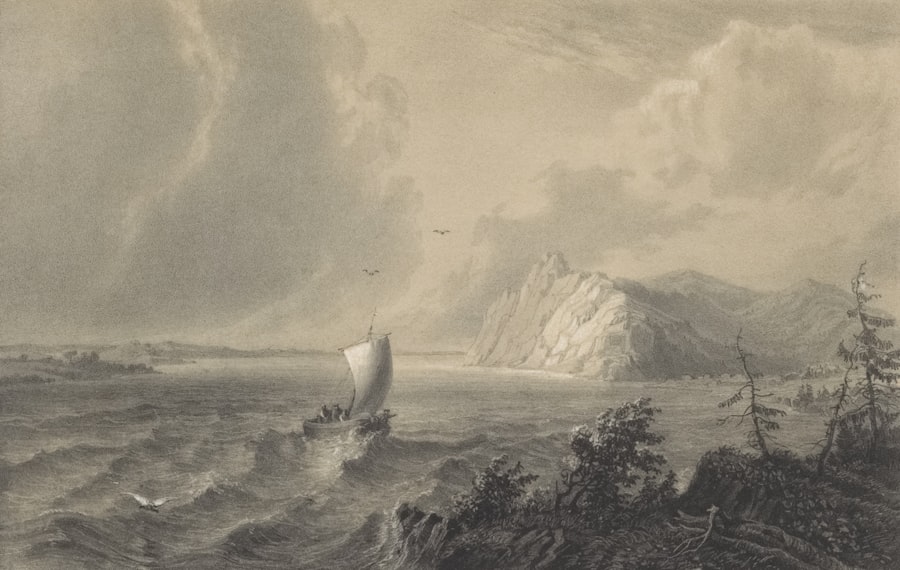
Navigating the Drake Passage presents a unique set of challenges for mariners. The unpredictable weather patterns can change rapidly, often without warning, leading to rough seas that test even the most experienced sailors. The combination of strong winds and powerful currents can create hazardous conditions that require skilled navigation and quick decision-making.
As such, vessels traversing this passage must be equipped with advanced navigational technology and experienced crews who are familiar with the intricacies of these waters. Moreover, the presence of icebergs and sea ice poses additional risks during certain times of the year. Mariners must remain vigilant and utilize radar systems to detect potential obstacles in their path.
The shifting nature of ice formations can complicate navigation further, necessitating constant adjustments to course and speed. Despite these challenges, many adventurers find that successfully navigating the Drake Passage is a rewarding experience that adds to the thrill of their journey.
Wildlife Encounters
| Location | Number of Encounters | Species |
|---|---|---|
| Yellowstone National Park | 112 | Bison, Elk, Grizzly Bear |
| African Safari | 75 | Lion, Elephant, Giraffe |
| Amazon Rainforest | 50 | Jaguar, Anaconda, Macaw |
One of the most captivating aspects of traveling through the Drake Passage is the opportunity to encounter a diverse array of wildlife. The waters are teeming with marine life, including various species of whales, seals, and seabirds. Travelers may be fortunate enough to spot humpback whales breaching or orcas hunting in pods as they traverse these rich feeding grounds.
The sight of these magnificent creatures in their natural habitat is often a highlight for those on expedition cruises. In addition to marine mammals, the Drake Passage is home to numerous seabird species, including albatrosses and petrels. These birds are known for their impressive wingspans and remarkable ability to glide over vast distances without flapping their wings.
Birdwatchers will find themselves captivated by the sight of these graceful creatures soaring above the waves. The chance to observe such a variety of wildlife makes the journey through the Drake Passage not only an adventure but also an educational experience about marine ecosystems.
Weather and Climate
The weather in the Drake Passage is notoriously unpredictable, characterized by rapid changes that can occur within hours. Travelers should be prepared for a range of conditions, from calm seas to fierce storms. The region experiences strong winds, particularly during the winter months when storms are more frequent.
These winds can create challenging sailing conditions and contribute to the passage’s reputation as one of the roughest stretches of water on Earth. Temperature fluctuations are also common in this region. While summer months may bring milder temperatures, winter can plunge them into freezing conditions.
Travelers should be aware that even during summer expeditions, temperatures can drop significantly when crossing into Antarctic waters. Understanding these climatic factors is essential for anyone planning a journey through the Drake Passage, as they can greatly impact both safety and comfort during the voyage.
Safety Measures

Safety is paramount when navigating the Drake Passage, given its reputation for rough seas and unpredictable weather. Expedition companies prioritize passenger safety by employing experienced crews trained in emergency procedures and navigation techniques specific to this challenging environment. Vessels are typically equipped with state-of-the-art safety equipment, including life rafts, emergency beacons, and communication devices to ensure that help can be summoned if needed.
Travelers are also encouraged to participate in safety briefings before embarking on their journey. These briefings cover essential information about onboard safety protocols, emergency procedures, and how to respond in case of adverse weather conditions. Additionally, wearing life jackets during certain parts of the journey may be mandatory, especially when crossing particularly rough sections of water.
By adhering to safety guidelines and remaining vigilant throughout their voyage, travelers can significantly reduce risks associated with navigating this formidable passage.
Historical Significance
The Drake Passage holds significant historical importance as a route explored by early navigators and explorers seeking new trade routes and territories. Sir Francis Drake’s expedition in 1578 marked one of the first recorded crossings of this passage, paving the way for future exploration of Antarctica and beyond.
Throughout history, many explorers have braved the treacherous waters of the Drake Passage in pursuit of knowledge and adventure. Figures such as Ernest Shackleton and Robert Falcon Scott undertook perilous journeys through these waters during their quests to reach Antarctica’s interior. Their stories of courage and resilience continue to inspire modern adventurers who seek to follow in their footsteps while navigating this historically rich maritime route.
Cultural and Scientific Importance
The cultural significance of the Drake Passage extends beyond its historical exploration; it also plays a vital role in contemporary scientific research.
Researchers study the effects of changing ocean temperatures on marine life and how these changes impact global weather patterns.
Moreover, the passage serves as a critical area for studying migratory patterns among various species of whales and seabirds. Understanding these patterns helps scientists assess environmental health and biodiversity in polar regions. The cultural narratives surrounding exploration and scientific discovery continue to shape how society views this remote part of the world, emphasizing its importance not only as a travel destination but also as a site for ongoing research.
Tips for a Smooth Passage
For those planning a journey through the Drake Passage, several tips can help ensure a smoother experience. First and foremost, travelers should remain flexible with their itineraries due to potential weather-related delays or changes in course. Being adaptable allows individuals to make the most out of their expedition despite unforeseen circumstances.
Additionally, staying informed about weather forecasts can aid in preparing for varying conditions during the journey. Engaging with crew members about their experiences navigating these waters can provide valuable insights into what travelers might expect along the way. Finally, maintaining an open mind and embracing spontaneity can enhance one’s overall experience while traversing this remarkable passage.
Choosing the Right Expedition
Selecting an appropriate expedition company is crucial for ensuring a fulfilling experience while crossing the Drake Passage. Travelers should consider factors such as group size, vessel type, onboard amenities, and itinerary options when making their choice. Smaller vessels often provide more intimate experiences with personalized service and opportunities for wildlife encounters.
It is also essential to read reviews from previous travelers to gauge satisfaction levels with different companies. Some expeditions may focus more on adventure activities like kayaking or ice climbing, while others may prioritize educational experiences led by expert naturalists or historians. By aligning personal interests with an expedition’s offerings, travelers can maximize their enjoyment during this unforgettable journey.
Exploring the Surrounding Islands
The islands surrounding the Drake Passage offer additional opportunities for exploration beyond just crossing this formidable body of water. Places like Deception Island and Half Moon Island are popular stops for expeditions due to their unique geological features and rich wildlife populations. Deception Island, known for its volcanic caldera, provides visitors with stunning landscapes while also serving as a historical site where early whalers once operated.
Half Moon Island is another gem that attracts visitors with its picturesque scenery and diverse wildlife populations. Travelers may encounter colonies of chinstrap penguins as well as seals basking on rocky shores during their visit here. Exploring these islands adds depth to any expedition through the Drake Passage by allowing travelers to immerse themselves further into Antarctica’s breathtaking beauty and ecological significance.
In conclusion, traversing the Drake Passage is an adventure filled with challenges and rewards alike. From understanding its historical significance to preparing adequately for unpredictable weather conditions, each aspect contributes to an unforgettable experience that resonates long after travelers return home. With careful planning and an appreciation for nature’s wonders, individuals can embark on a journey that not only tests their limits but also deepens their connection with one of Earth’s most remote regions.
The Drake Passage is a crucial maritime route that connects the Atlantic and Pacific Oceans, playing a significant role in global ocean circulation and climate regulation. Its importance is highlighted in various studies and articles that explore its impact on marine biodiversity and weather patterns. For a deeper understanding of the Drake Passage’s significance, you can refer to a related article on MyGeoQuest, which provides insights into the geographical and environmental aspects of this vital waterway.
WATCH NOW! Drake Passage: Earth’s Deadliest Waters Revealed
FAQs
What is the Drake Passage?
The Drake Passage is a body of water located between the southern tip of South America and the northern tip of the Antarctic Peninsula. It connects the Atlantic and Pacific Oceans.
Why is the Drake Passage important?
The Drake Passage is important because it serves as a major gateway for the circulation of ocean currents between the Atlantic, Pacific, and Southern Oceans. It also plays a crucial role in the exchange of marine life and nutrients between these ocean basins.
How does the Drake Passage impact global climate?
The strong westerly winds and powerful ocean currents in the Drake Passage play a significant role in regulating global climate patterns. The passage influences the distribution of heat and moisture around the world, impacting weather patterns and climate systems.
What is the significance of the Drake Passage for marine life?
The Drake Passage is a vital migratory route for numerous marine species, including whales, seals, and seabirds. The mixing of waters in the passage also supports a rich ecosystem with diverse marine life, making it an important area for scientific research and conservation efforts.
How does the Drake Passage impact scientific research?
The unique oceanographic and atmospheric conditions in the Drake Passage make it an ideal location for studying climate change, ocean circulation, and marine biodiversity. Scientists conduct research in the passage to better understand global environmental processes and their implications for the planet.