You’ve probably heard the term “supply chain” thrown around a lot, maybe in business meetings, news reports, or even during a casual chat about why your favorite coffee beans are suddenly hard to find. It sounds complex, right? A tangled web of logistics, manufacturing, and transportation. But what if I told you it’s actually a surprisingly straightforward concept, the backbone of almost everything you buy and use every single day? This article is here to demystify that very concept, breaking it down into understandable pieces so you can grasp its importance and how it affects your life.
At its core, a supply chain is the entire journey an item takes from its rawest materials to your hands. Think of it as a river, with many tributaries feeding into it and eventually flowing to a central point – you. Every step along this river is crucial. If one part gets choked, the flow is disrupted, and that disruption can cascade all the way down. It’s not just about moving stuff; it’s about a synchronized effort of various entities working together to get a product or service to its end-user.
The Journey from Concept to Consumer
Imagine you want to buy a simple cotton t-shirt. Where does that t-shirt begin its life? It doesn’t just magically appear in a store.
Sourcing Raw Materials: The Genesis
First, you have the very beginning: the raw materials. For our t-shirt, this starts with cotton farming. Farmers cultivate the cotton plants. This involves everything from preparing the soil and planting seeds to managing irrigation and pest control. The quality of the cotton harvested directly impacts the final product.
Agriculture and Beyond
This can extend to other raw materials too. For a smartphone, it involves mining for rare earth minerals, for a wooden table, it’s logging and forestry. The initial stages of a supply chain are often about extracting or growing what nature provides.
Manufacturing and Production: Shaping the Raw
Once the raw materials are collected, they need to be transformed. For our t-shirt, the cotton is ginned to separate the fibers from the seeds, then spun into thread. This thread is then woven or knitted into fabric. This is the manufacturing or production phase, where raw materials are given form and substance.
From Thread to Fabric
Next, the fabric might be dyed, treated, or finished to achieve the desired look, feel, and durability. This is where design and engineering often come into play, deciding on the specific characteristics of the material.
Assembly: Putting it All Together
If your product is more complex than a t-shirt, like a piece of furniture or an electronic device, it will likely involve an assembly stage. This is where various components, often manufactured separately, are brought together and put together to create the final product.
Multiple Components, One Product
For a chair, this might involve assembling the legs, seat, and back. For a laptop, it’s integrating the screen, keyboard, motherboard, and all the other intricate parts. Each component has its own mini-supply chain that leads to this assembly point, further illustrating the interconnectedness.
Distribution and Logistics: The Moving Parts
Once the product is made, it needs to get to where it can be sold. This is the realm of distribution and logistics, the arteries of the supply chain.
Warehousing and Storage: The Holding Bays
Products are often stored in warehouses before they are shipped out. These warehouses act as crucial hubs, allowing for bulk storage and efficient management of inventory. They help smooth out demand fluctuations and ensure products are available when and where they are needed.
Managing Inventory
Effective inventory management is key here. Too much stock ties up capital and risks obsolescence; too little leads to stockouts and lost sales. Supply chain professionals constantly analyze data to optimize these levels.
Transportation: The Movement Across Networks
This is perhaps the most visible part of the supply chain. It involves moving goods from one point to another.
Modes of Transport
This can include:
- Trucking: For local deliveries and overland transportation.
- Shipping: For moving large quantities of goods across oceans.
- Air Cargo: For urgent or high-value items.
- Rail: For long-distance, bulk transport.
Each mode has its own advantages and disadvantages in terms of cost, speed, and environmental impact. The choice of transportation is a strategic decision that impacts the overall efficiency and cost of the supply chain.
Wholesale and Retail: Reaching the Customer
From warehouses, goods typically move to wholesalers, who buy in large quantities and sell to retailers. Retailers are the businesses you interact with directly – the shops, online stores, and supermarkets where you make your purchases.
The Storefront Experience
Retailers play a vital role in presenting products to consumers, handling sales, and providing customer service. They are the final link in many supply chains before the product reaches you.
For a deeper understanding of the intricacies of supply chain management, you may find the article “Supply Chain Explained” particularly insightful. It delves into the various components and processes that make up an effective supply chain. To explore this topic further, you can read the article here: Supply Chain Explained.
The Invisible Hand: Understanding the Players
You might be wondering who is actually doing all this work. The answer is a vast network of individuals and companies, often operating across national borders.
Suppliers: The Foundation Layer
These are the entities that provide the raw materials or components. They are the bedrock of the supply chain.
Raw Material Providers
As mentioned, this includes farmers, miners, and agricultural producers. Their consistency and quality are paramount.
Component Manufacturers
These companies specialize in creating specific parts that will be assembled into a larger product.
Manufacturers: The Builders
These are the companies that transform raw materials or components into finished goods. They are the factories and assembly lines you often picture when you think of production.
Distributors and Logistics Providers: The Movers and Shakers
These are the intermediaries who specialize in the movement and storage of goods.
Warehousing Companies
Dedicated companies that provide storage solutions and manage inventory.
Transportation Companies
The trucking, shipping, airline, and rail companies that physically move goods.
Retailers: The Shopkeepers
These are the businesses that sell directly to you, the end consumer.
Brick-and-Mortar Stores
Traditional physical shops.
E-commerce Platforms
Online marketplaces and direct-to-consumer websites.
You, The Consumer: The Final Destination
Ultimately, the entire complex system is designed to serve you, the person who consumes the finished product or service. Your demand drives the entire chain.
Why is Supply Chain Management So Important?
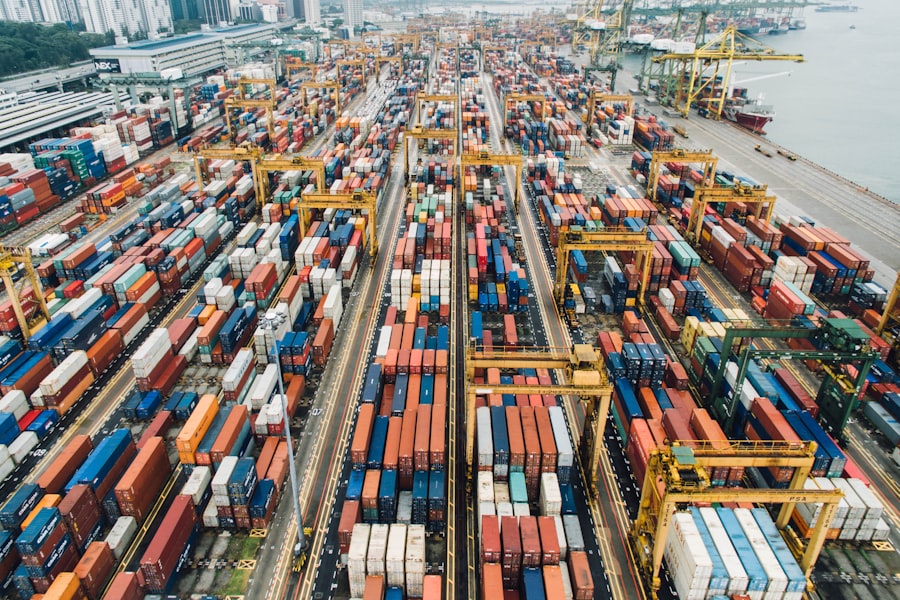
Understanding what a supply chain is naturally leads to the question: why does it matter so much? The answer lies in its profound impact on efficiency, cost, and customer satisfaction.
Efficiency: Streamlining Operations
A well-managed supply chain is a highly efficient one. It minimizes wasted time, resources, and effort at every stage.
Reducing Lead Times
Efficient supply chains shorten the time it takes for a product to go from its origin to your hands. This means quicker access to goods and services.
Optimizing Resource Allocation
By understanding demand and production capabilities, businesses can allocate resources (labor, machinery, capital) more effectively, preventing overproduction or shortages.
Cost Reduction: Saving Money for Everyone
Efficiency directly translates to cost savings. When operations are streamlined, less money is spent on things like storage, transportation, and waste.
Economies of Scale
Bulk purchasing and production, facilitated by a well-oiled supply chain, allow companies to achieve economies of scale, lowering the per-unit cost.
Minimizing Waste and Spoilage
Effective inventory management and timely transportation reduce the risk of goods expiring or becoming obsolete, saving significant financial losses.
Customer Satisfaction: The Ultimate Goal
Ultimately, a robust supply chain leads to happy customers. When products are readily available, delivered on time, and at a reasonable price, customer loyalty and satisfaction soar.
Product Availability
A company with a strong supply chain can reliably stock the products you want, when you want them.
Timely Deliveries
You expect your online orders to arrive promptly, and a well-managed supply chain makes this possible.
Quality Assurance
From sourcing quality raw materials to careful handling during transportation, a good supply chain contributes to the overall quality of the final product you receive.
The Modern Supply Chain: Challenges and Innovations
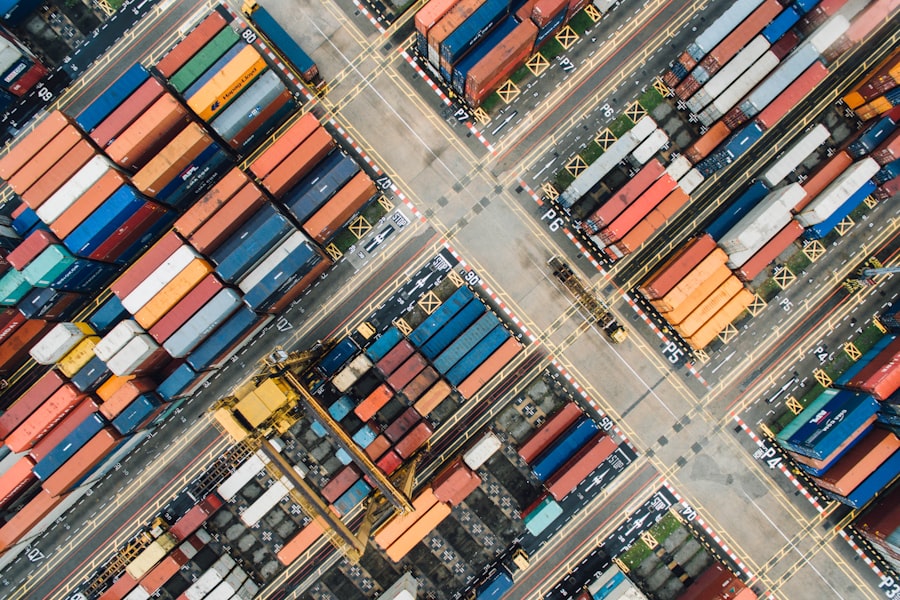
The world of supply chains is constantly evolving, facing new challenges and embracing innovative solutions. You’ve likely experienced some of these changes firsthand.
Globalization and Interdependence
Today’s supply chains are rarely confined to a single country. Products are often sourced, manufactured, and sold across continents. This global interconnectedness brings both opportunities and vulnerabilities.
Sourcing Globally
Companies can access a wider range of raw materials and specialized manufacturing capabilities by sourcing internationally.
Interconnectedness and Risk
However, this also means that disruptions in one part of the world can have ripple effects everywhere. Think of how a port closure in one country can affect the availability of goods on the other side of the planet.
The Digital Revolution: Technology’s Role
Technology has transformed supply chains, making them more transparent, responsive, and efficient.
Data Analytics and AI
Sophisticated software analyzes vast amounts of data to predict demand, optimize routes, and identify potential bottlenecks before they become major problems. Artificial intelligence is playing an increasingly significant role in automation and decision-making.
Internet of Things (IoT)
Sensors placed on goods or in warehouses can track their location, temperature, and condition in real-time, providing unparalleled visibility.
Blockchain Technology
This secure, transparent ledger system is being explored to track goods from origin to destination, enhancing traceability and combating counterfeit products.
Sustainability and Ethical Sourcing
There’s a growing awareness of the environmental and social impact of supply chains. Consumers and regulators are demanding more responsible practices.
Reducing Environmental Footprint
This involves optimizing transportation routes to reduce emissions, using more sustainable materials, and minimizing waste.
Ethical Labor Practices
Ensuring fair wages and safe working conditions for all workers involved in the supply chain is a critical focus.
Resilience and Risk Management
Recent global events, like pandemics and geopolitical tensions, have highlighted the importance of building supply chain resilience.
Diversification of Suppliers
Rather than relying on a single supplier, companies are diversifying their sourcing to mitigate the impact of disruptions.
Scenario Planning
Proactive planning for various potential disruptions, from natural disasters to trade wars, is becoming essential.
In exploring the complexities of supply chain management, you may find it insightful to read a related article that delves into the various components and challenges faced in this field. Understanding these intricacies can enhance your grasp of logistics and distribution strategies. For a deeper dive into the subject, check out this informative piece on supply chain dynamics at MyGeoQuest, which offers valuable insights and practical examples.
Your Role in the Supply Chain Ecosystem
| Key Concepts | Definition |
|---|---|
| Supply Chain | The sequence of processes involved in the production and distribution of a commodity. |
| Logistics | The management of the flow of goods between the point of origin and the point of consumption. |
| Inventory Management | The supervision of non-capitalized assets and stock items. |
| Procurement | The process of finding and acquiring goods, services, or works from an external source. |
It might seem like supply chains are just for businesses, but as the end consumer, you are a vital part of the equation. Your choices and understanding can influence how supply chains operate.
Understanding Lead Times and Delays
When you order something online, you usually see an estimated delivery date. Understanding that this isn’t just guesswork, but a calculated prediction based on complex logistics, helps set realistic expectations. If there’s a delay, it’s often due to a hiccup somewhere in that intricate network.
The Impact of Your Demand
Your purchasing decisions send signals up the supply chain. High demand for a particular product encourages manufacturers to produce more, which in turn increases the demand for raw materials. Conversely, declining demand can lead to reduced production.
Making Conscious Choices
As awareness of supply chain issues grows, so does your power to make more informed choices.
Supporting Local Businesses
When you buy from local producers or retailers, you are often shortening the supply chain, reducing transportation impacts, and supporting your local economy.
Choosing Sustainable Products
By opting for products that are ethically sourced and environmentally friendly, you are sending a clear message to companies about the kind of supply chains you want to support.
Being Patient
In an era of instant gratification, it’s important to remember that complex processes take time. A little patience can go a long way in appreciating the journey a product has taken.
In conclusion, the supply chain, far from being an impenetrable enigma, is a dynamic and essential system that underpins our modern world. It’s the silent orchestrator that brings everything from your morning coffee to the very device you’re using to read this, into your life. By demystifying its components and understanding the intricate dance of its players, you gain a deeper appreciation for the incredible effort and coordination required to deliver the products and services we often take for granted. It’s a testament to human ingenuity, collaboration, and the constant pursuit of efficiency, a journey that continues to evolve with every passing day.

The Taiwan Strait: The Most Dangerous Place in the Global Economy
FAQs
What is a supply chain?
A supply chain is a network of organizations, people, activities, information, and resources involved in the production and distribution of a product or service. It includes all the steps from the raw materials to the final product reaching the end consumer.
What are the key components of a supply chain?
The key components of a supply chain include suppliers, manufacturers, distributors, retailers, and customers. It also involves transportation, warehousing, inventory management, and information systems to coordinate and manage the flow of goods and services.
What is the importance of a supply chain?
A well-managed supply chain is crucial for businesses to meet customer demands, reduce costs, improve efficiency, and maintain a competitive edge in the market. It also plays a significant role in ensuring the quality and timely delivery of products or services.
What are the different types of supply chains?
There are various types of supply chains, including agile supply chains, lean supply chains, responsive supply chains, and sustainable supply chains. Each type is designed to meet specific business needs and market demands.
How does technology impact supply chains?
Technology has a significant impact on supply chains by enabling better communication, real-time tracking of goods, data analytics for decision-making, automation of processes, and the integration of various supply chain components. This helps businesses to streamline operations and improve overall efficiency.