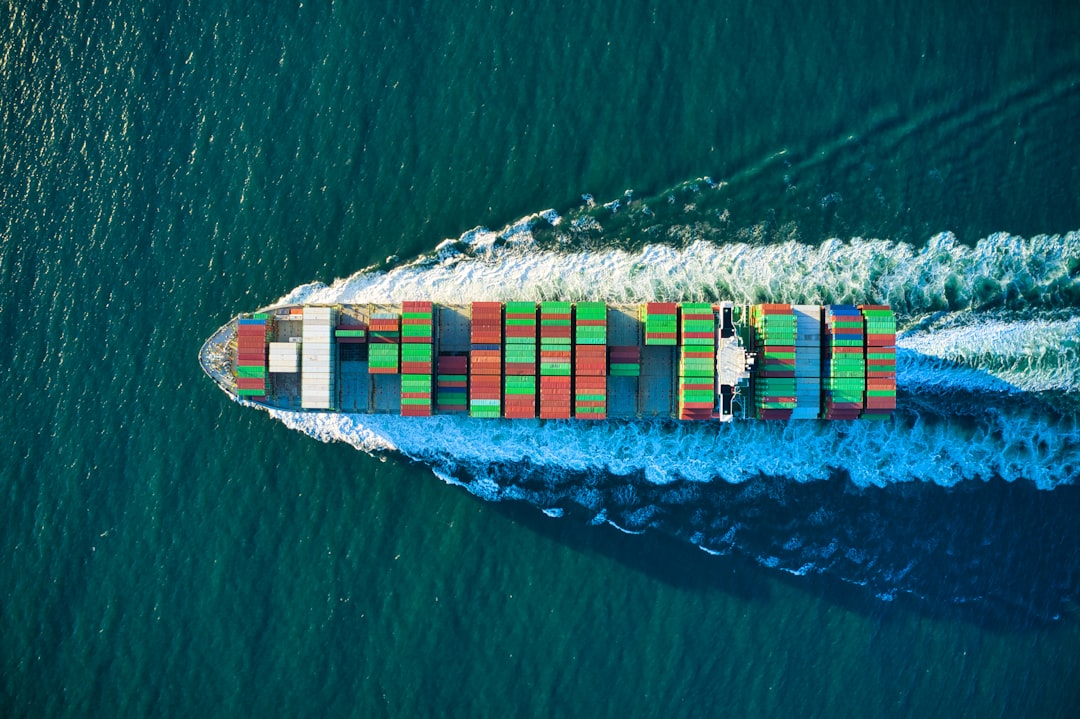
You stand at the edge of the vast, shimmering ocean, a seemingly endless expanse that has, for millennia, beckoned humanity to explore, connect, and – most importantly – trade. You’ve seen the images: colossal container ships, laden with goods from every corner of the globe, gliding across horizons. You’ve heard the whispers of bustling ports, of goods arriving and departing, fueling economies and shaping cultures. But have you ever truly stopped to ponder the intricate dance of maritime trade, the invisible currents that carry not just cargo, but also civilization itself?
This isn’t just about ships moving from point A to point B. It’s a complex ecosystem of logistics, economics, regulations, and human endeavor that underpins so much of your modern life. From the clothes on your back to the technology in your hands, the vast majority of it has, at some point, been carried by the sea. So, let us embark on a journey together, navigating the fascinating world of maritime trade, and unveil the secrets that lie beneath the waves of global commerce.
For as long as humans have been driven by the need to exchange goods and ideas, the seas have presented themselves as the ultimate highway. Think about it: the land, with its mountains, forests, and deserts, is a formidable barrier. Building roads, maintaining them, and traversing them with heavy loads is arduous and slow. Rivers offer a lifeline, but their reach is limited. The ocean, on the other hand, offers a vast, often unobstructed path, capable of carrying far more, far faster, than any overland route.
The Advantage of Capacity: Carrying More with Less
One of the most compelling reasons for the dominance of maritime trade lies in its sheer capacity. Imagine trying to move millions of tons of crude oil, car components, or manufactured goods across continents. The sheer number of trucks and trains required would be staggering, the logistics nightmarish, and the environmental impact immense. Ships, however, can carry these enormous quantities in a single voyage. You can have a single supertanker carrying enough oil to fuel a small nation for weeks, or a massive container ship holding thousands upon thousands of individual shipping containers, each packed with a diverse array of products. This inherent efficiency translates directly into cost-effectiveness, a crucial factor in global trade.
The Power of Bulk: Economies of Scale in Action
This incredible capacity leads directly to the concept of economies of scale. When you can move more goods with a proportionally smaller increase in cost, your per-unit cost plummets. This is the bedrock of why so much of what you consume is manufactured far away and then shipped across oceans. The cost of manufacturing a t-shirt in Asia, for instance, might be significantly lower than producing it locally. Even after adding the cost of shipping, the overall price for you remains competitive, allowing for affordable access to a wider range of goods and products. This principle applies to everything from agricultural produce to heavy machinery.
Connecting Worlds: Bridging Distances and Cultures
Beyond pure economics, maritime trade has been the primary force connecting disparate cultures and civilizations throughout history. From the ancient Phoenicians charting new routes to the Silk Road traders who navigated treacherous seas to reach distant markets, the exchange of goods has always been intertwined with the exchange of ideas, technologies, and traditions. You can see this legacy in the global spread of languages, cuisines, and religious practices. The ships of today, plying these same ancient routes, continue this tradition, fostering a more interconnected and, arguably, more understanding world.
Maritime trade plays a crucial role in the global economy, facilitating the movement of goods across vast distances. For a deeper understanding of this vital sector, you can explore the article on maritime logistics and its impact on international trade at MyGeoQuest. This resource provides insights into the complexities of shipping routes, port operations, and the challenges faced by the maritime industry today.
The Modern Marvels: The Anatomy of a Global Shipping Fleet
Today’s maritime trade is a far cry from the rickety sailing ships of yesteryear. It’s a highly sophisticated industry, leveraging cutting-edge technology and massive infrastructure to move goods with unparalleled efficiency. You might be familiar with the iconic images of massive container ships, but the world of maritime trade encompasses a diverse fleet, each specialized for its particular cargo.
Container Ships: The Backbone of Global Commerce
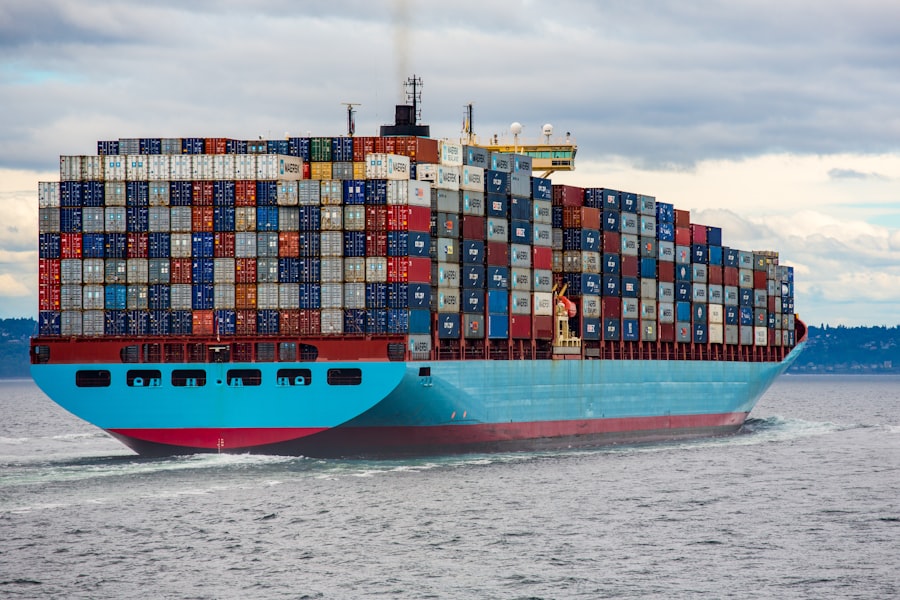
When you think of modern shipping, you likely picture container ships. These behemoths are the workhorses of global trade, designed to transport standardized shipping containers of various sizes (TEUs – Twenty-foot Equivalent Units, and FEUs – Forty-foot Equivalent Units). Their structure is optimized for stacking containers to incredible heights, maximizing space and allowing for quick loading and unloading at ports. The standardization of containers has been a revolution in itself, simplifying handling, reducing damage, and enabling seamless transfer between ships, trains, and trucks. You might have seen these at ports, with cranes dwarfing everything around them, meticulously orchestrating the loading and unloading process.
Tankers: Carrying the World’s Liquids
From the oil that fuels your vehicles to the chemicals that underpin countless industries, liquids are a vital part of global trade. Tankers are specifically designed to carry these commodities safely and efficiently. There are various types, including crude oil tankers (VLCCs – Very Large Crude Carriers, ULCCs – Ultra Large Crude Carriers), product tankers for refined fuels, and chemical tankers for a wide array of specialized liquids. Their construction prioritizes containment, preventing leaks and ensuring the integrity of the cargo.
Bulk Carriers: Moving Raw Materials
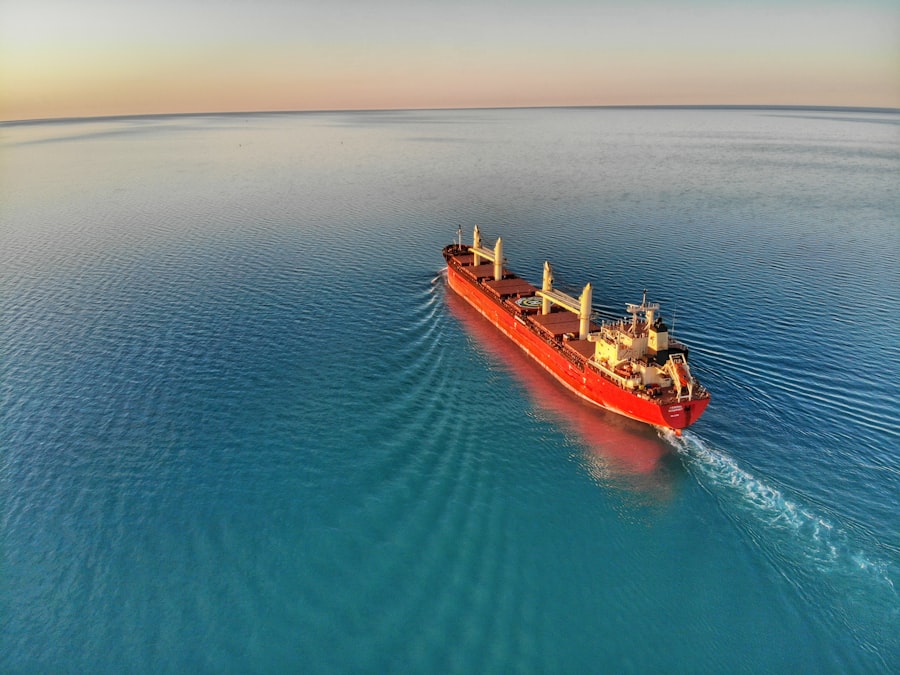
Imagine the vast quantities of iron ore needed to build your cities, the coal that powers your industries, or the grain that feeds your populations. These unpackaged commodities are transported by bulk carriers. These ships have enormous holds, designed to be filled with loose materials. They are a critical component in supplying the raw materials that fuel global manufacturing and agriculture.
Specialized Vessels: Beyond the Common Cargo
The world of maritime trade isn’t limited to these primary categories. You’ll encounter specialized vessels for transporting cars (car carriers), livestock, liquefied natural gas (LNG carriers – highly complex and temperature-controlled), and even heavy-lift ships designed to move massive offshore structures or industrial equipment. Each of these vessels is a testament to the engineering prowess required to meet the diverse demands of global commerce.
The Engines of Exchange: How Goods Navigate the Seas
The journey of your goods from factory to your doorstep is a meticulously planned operation. Maritime trade isn’t just about the ships; it’s a complex web of logistics, coordination, and infrastructure that ensures everything runs smoothly.
Ports: The Arteries of the Maritime Network
Ports are the vital hubs where ships meet land. They are bustling centers of activity, equipped with specialized cranes, vast storage yards, and intricate road and rail connections. Modern ports are highly automated, with sophisticated systems for managing traffic, streamlining cargo handling, and ensuring efficient turnaround times for vessels. You might see them as massive concrete structures, but within them lies a complex ecosystem of human and technological effort.
Terminal Operations: The Art of Loading and Unloading
Within the port, terminal operators are the orchestrators of movement. They manage the cranes, the yard operations, and the flow of containers or bulk cargo. Their goal is to load and unload ships as quickly and safely as possible, minimizing the time spent in port and maximizing the efficiency of the entire supply chain. This involves intricate scheduling, precise movements, and constant communication between different stakeholders.
Intermodal Connectivity: The Seamless Transition
Crucially, ports are not isolated entities. They are designed to connect seamlessly with other modes of transport. Containers are transferred from ships to trains or trucks, allowing for onward journeys inland. This “intermodal” connectivity is essential for ensuring that goods can reach their final destinations efficiently and cost-effectively. You can think of it as a beautifully choreographed relay race, where the baton of cargo is passed from one mode of transport to another.
Logistics and Supply Chain Management: The Invisible Architects
Behind every successful maritime trade operation is a sophisticated network of logistics and supply chain management. This involves planning, coordinating, and optimizing the flow of goods from origin to destination. You might never see the person who booked the ship, arranged the customs clearance, or tracked the container’s journey, but their work is vital. These professionals ensure that goods arrive on time, in good condition, and at the best possible cost.
Freight Forwarders: The Navigators of Complexity
Freight forwarders act as intermediaries, connecting shippers with carriers and handling the myriad details of international shipping. They are experts in customs regulations, shipping documentation, and transportation modes. They essentially act as your experienced guide through the often-complex landscape of global logistics.
Supply Chain Visibility: Knowing Where Your Goods Are
In today’s interconnected world, supply chain visibility is paramount. Shippers and receivers want to know where their goods are at every stage of the journey. Advanced tracking systems, often utilizing GPS and RFID technology, provide real-time updates, allowing for better planning and the proactive identification of potential disruptions.
The Rules of the Waves: Navigating the Regulatory Seas
Maritime trade, by its global nature, is subject to a complex web of international, national, and regional regulations. These rules are in place to ensure safety, security, promote fair competition, and protect the environment. You might not always be aware of them, but they form the essential framework that allows ships to navigate the seas responsibly.
International Maritime Organization (IMO): Setting the Global Standards
The International Maritime Organization (IMO) is a specialized agency of the United Nations responsible for regulating shipping. They develop and maintain a comprehensive framework of international conventions, codes, and recommendations that cover every aspect of maritime safety, security, and environmental protection. Think of them as the rulebook for all international shipping.
SOLAS and MARPOL: Pillars of Safety and Environment
Two of the most significant IMO conventions are SOLAS (International Convention for the Safety of Life at Sea) and MARPOL (International Convention for the Prevention of Pollution from Ships). SOLAS sets minimum safety standards for the construction, equipment, and operation of merchant ships, while MARPOL aims to prevent and minimize pollution of the marine environment from ships. These are critical for ensuring that ships are safe, well-maintained, and operate with minimal impact on the ocean.
National Laws and Customs: Localizing the Global
While international conventions provide a global framework, each nation also has its own specific maritime laws and customs regulations. These can cover aspects like port entry procedures, cargo inspections, and environmental controls. Navigating these national requirements is a crucial part of international trade, often managed by freight forwarders and customs brokers.
Customs and Border Protection: The Gatekeepers of Goods
Customs authorities play a critical role in international trade. They are responsible for ensuring that goods entering or leaving a country comply with all relevant laws and regulations, including tariffs, import/export restrictions, and product safety standards. Your goods will undergo scrutiny at customs to ensure they meet the requirements of the destination country.
Security Measures: Protecting Against Threats
In today’s world, maritime security is a paramount concern. International agreements and national policies are in place to protect ships and ports from piracy, terrorism, and other security threats. This includes measures like vessel tracking, port security audits, and cargo screening.
Maritime trade plays a crucial role in the global economy, facilitating the movement of goods across vast distances. For those interested in exploring this topic further, you can read a related article that delves into the intricacies of shipping routes and their impact on international commerce. Understanding these dynamics is essential for anyone looking to grasp the full scope of maritime trade. To learn more, check out this insightful piece on shipping and trade.
The Future of the Waves: Innovations Shaping Tomorrow’s Trade
| Aspect | Explanation |
|---|---|
| Definition | Maritime trade refers to the exchange of goods and services via sea routes between different countries or regions. |
| Importance | It is crucial for global economy as it allows for efficient transportation of goods, facilitates international trade, and supports economic development. |
| Volume | Maritime trade accounts for over 80% of global trade by volume, making it the most important mode of transportation for international trade. |
| Major Routes | Key maritime trade routes include the Suez Canal, Panama Canal, and the Strait of Malacca, which are vital for connecting major trading regions. |
| Challenges | Maritime trade faces challenges such as piracy, geopolitical tensions, environmental concerns, and infrastructure limitations. |
The world of maritime trade is not static. It’s constantly evolving, driven by technological advancements, environmental concerns, and changing global demands. You are likely to see significant transformations in how goods are moved by sea in the coming years.
Decarbonization and Green Shipping: A Sustainable Horizon
The environmental impact of shipping is a growing concern, and the industry is actively pursuing decarbonization efforts. You’ll see increased adoption of alternative fuels like LNG, methanol, and ammonia, as well as the development of electric and hybrid propulsion systems. Regulations are pushing for cleaner emissions and more sustainable practices.
Alternative Fuels and Propulsion: Powering the Future Eco-Consciously
The transition to cleaner fuels is a monumental undertaking. From modifications to existing vessels to the development of entirely new engine technologies, the industry is investing heavily in finding ways to power ships with a reduced carbon footprint. This means cleaner air and a healthier ocean for future generations.
Automation and Digitalization: The Smart Ship Revolution
The digital revolution is transforming maritime trade. You’ll see increasing automation in port operations, with autonomous vehicles and robotic systems handling cargo. Ships themselves are becoming smarter, with advanced navigation systems, real-time data analysis, and even the potential for autonomous sailing in the future.
Autonomous Vessels: The Next Frontier
The concept of fully autonomous ships is no longer science fiction. While still in its early stages, the development of unmanned vessels promises to increase efficiency, reduce human error, and potentially lower operating costs. Imagine ships that can navigate and operate with minimal human intervention.
Resilient Supply Chains and Trade Diversification: Adapting to a Changing World
Recent global events have highlighted the vulnerabilities of long, complex supply chains. The future will likely see further efforts to build more resilient and diversified supply chains, potentially involving more regionalized shipping networks and increased emphasis on agility and flexibility. You might see a shift towards shorter, more secure trade routes.
So, as you look out at the vastness of the ocean, remember that it’s more than just water. It’s a dynamic, complex, and indispensable system that connects you to the rest of the world. Maritime trade, with its ancient roots and its forward-looking innovations, continues to be the silent, powerful engine that drives global commerce and shapes the world you live in. You are, in so many ways, a product of the waves.

The Taiwan Strait: The Most Dangerous Place in the Global Economy
FAQs
What is maritime trade?
Maritime trade refers to the transportation of goods, commodities, and products via ships and vessels across oceans and seas. It is a crucial aspect of global trade and commerce, facilitating the movement of goods between countries and continents.
How important is maritime trade to the global economy?
Maritime trade is vital to the global economy, as it accounts for the majority of international trade. It enables the transportation of raw materials, finished goods, and energy resources, contributing to economic growth and development worldwide.
What are the key players in maritime trade?
Key players in maritime trade include shipping companies, port authorities, freight forwarders, and maritime insurance providers. Additionally, governments and international organizations play a significant role in regulating and facilitating maritime trade.
What are the main challenges in maritime trade?
Challenges in maritime trade include piracy, geopolitical tensions, environmental concerns, and fluctuating fuel prices. Additionally, issues such as port congestion, trade barriers, and regulatory compliance can impact the efficiency of maritime trade.
How does maritime trade impact the environment?
Maritime trade can have environmental impacts, including air and water pollution, ballast water discharge, and the risk of oil spills. Efforts are being made to mitigate these impacts through regulations and the development of more sustainable shipping practices.