
You stand at the precipice of a vast, interconnected world, where the flow of goods and services shapes economies and influences lives on a colossal scale. Navigating global trade routes isn’t merely about moving products from point A to point B; it’s a complex, strategic dance requiring foresight, adaptability, and a deep understanding of the intricate mechanisms that govern international commerce. This guide is your compass, your map, and your toolkit as you embark on this exhilarating journey.
Before you can effectively chart your course, you must first comprehend the terrain you’re about to traverse. Global trade is an ever-evolving ecosystem, influenced by a myriad of factors, from geopolitical shifts to technological advancements. Recognizing the inherent complexities and opportunities within this landscape is the foundational step towards successful navigation.
The Pillars of Modern Trade: Key Players and Their Roles
The global trade arena is populated by a diverse cast of actors, each playing a crucial role in the seamless (or sometimes not-so-seamless) movement of goods. Understanding these players will help you identify your position and leverage their contributions.
Governments and International Organizations: The Rulemakers and Facilitators
Governments are the ultimate arbiters of trade policy within their borders. They establish tariffs, quotas, and regulations, acting as gatekeepers and, at times, gate-openers. International organizations like the World Trade Organization (WTO) strive to create a more predictable and equitable trading environment, setting guidelines and mediating disputes. Recognizing the regulatory frameworks they impose is paramount. You need to understand how import/export laws, customs procedures, and trade agreements specific to your target markets will impact your operations. Ignorance here can lead to significant delays, fines, or even the outright seizure of your goods. Keep an eye on trade pacts like the Comprehensive and Progressive Agreement for Trans-Pacific Partnership (CPTPP) or the EU’s single market, as these can significantly alter the cost and complexity of doing business.
Businesses: The Engine of Commerce
From multinational corporations to small and medium-sized enterprises (SMEs), businesses are the lifeblood of global trade. They are the ones identifying demand, sourcing supply, manufacturing, and ultimately, moving goods across borders. Your business is the central actor in this drama, and your strategic decisions will dictate your success. Consider your company’s capacity, your risk tolerance, and your specific product or service. Are you a manufacturer looking to expand sales? A service provider seeking international clients? A retailer sourcing unique products? Each role demands a tailored approach to navigating trade routes.
Logistics and Shipping Companies: The Arteries of Global Exchange
These are the essential conduits. Shipping lines, airlines, trucking companies, and freight forwarders are responsible for the physical movement of your goods. Their efficiency, cost, and reliability directly impact your bottom line. Understanding their networks, service offerings, and pricing structures is non-negotiable. Don’t underestimate the power of a well-chosen logistics partner; they can be the difference between on-time delivery and costly delays.
Financial Institutions: The Facilitators of Payment and Risk Management
Banks, payment processors, and insurance providers are crucial for facilitating transactions and mitigating financial risks. International payments, currency exchange, and trade finance all fall under their purview. Secure and efficient payment mechanisms are vital for building trust and ensuring fair exchange.
Identifying and Capitalizing on Trade Opportunities
The world is brimming with unmet needs and emerging markets. Your strategic advantage lies in your ability to identify these opportunities and develop pathways to reach them.
Market Research and Demand Analysis: The Compass for Your Ventures
Before you even consider a shipping container, you must understand where the demand lies. Thorough market research is your bedrock. This involves analyzing demographic trends, economic indicators, consumer behavior, and competitor activity in potential target markets. Are there growing economies with increasing disposable income? Are there niche markets underserved by local suppliers? Your research should inform your product adaptation or development strategies. You need to ask yourself: Is there a genuine need for what I offer? How can I present it to be most appealing to this specific market? Tools like import/export data databases, market research reports, and even simple online searches for consumer trends can provide invaluable insights.
Emerging Markets and Developing Economies: The Frontiers of Growth
These regions often present significant growth potential due to burgeoning populations and expanding middle classes. However, they also come with unique challenges, including logistical hurdles, regulatory complexities, and political instability. Careful due diligence is essential.
The Risks and Rewards of Uncharted Territories
Understand that venturing into emerging markets requires a higher degree of risk assessment. You might face less developed infrastructure, fluctuating currency values, and potentially less transparent legal systems. However, the rewards can be substantial, with less competition and the opportunity to establish a first-mover advantage.
Navigating Regulatory and Cultural Nuances
Each emerging market has its own unique set of rules, customs, and business etiquette. You must invest time in understanding these nuances to avoid misunderstandings and build strong relationships. This might involve engaging local consultants, learning key phrases in the local language, and respecting cultural traditions.
The Evolution of Global Trade: Technology and Innovation
The digital revolution has fundamentally reshaped how we conduct international business. Embracing these advancements is no longer optional; it’s a necessity for staying competitive.
E-commerce and Digital Marketplaces: Opening New Channels
Online platforms have democratized access to global markets. Businesses can now reach customers directly, bypassing traditional intermediaries and reducing barriers to entry. Your website, your presence on global e-commerce platforms like Alibaba, Amazon Global Selling, or Shopify’s international features, and your digital marketing strategies are now critical components of your trade route.
Supply Chain Digitization and Transparency: Enhancing Efficiency
Technologies like blockchain, IoT sensors, and AI are revolutionizing supply chain management. They offer unprecedented visibility, allowing for real-time tracking of goods, predictive maintenance, and optimized inventory management. This increased transparency not only boosts efficiency but also builds trust among stakeholders.
Cybersecurity in International Trade: Protecting Your Digital Assets
As trade becomes increasingly digitized, so too do the risks of cyber threats. Protecting your sensitive data, intellectual property, and financial transactions from online vulnerabilities is absolutely critical. Implement robust cybersecurity measures, train your employees, and stay informed about evolving cyber risks.
Global trade routes have significantly evolved over the centuries, shaping economies and cultures across the globe. For a deeper understanding of how these trade routes have influenced modern commerce and international relations, you can explore the article on MyGeoQuest that delves into the historical context and current trends of global trade. Check it out here: MyGeoQuest.
Charting Your Course: Strategic Approaches to Trade Route Selection
Once you understand the global trading environment and have identified potential opportunities, the next crucial step is to strategically select the most effective trade routes for your business. This involves a careful evaluation of various transportation modes, logistical considerations, and risk factors.
Evaluating Transportation Modes: The Backbone of Your Logistics
The physical movement of your goods is the most tangible aspect of global trade. Choosing the right transportation mode is critical for balancing speed, cost, and capacity.
Sea Freight: The Workhorse of Bulk and Cost-Effectiveness
For large volumes and non-time-sensitive goods, ocean freight remains the undisputed champion. It offers economies of scale and a significantly lower cost per unit compared to air or land transport. However, it’s also the slowest option.
Container Shipping: The Standardized Solution
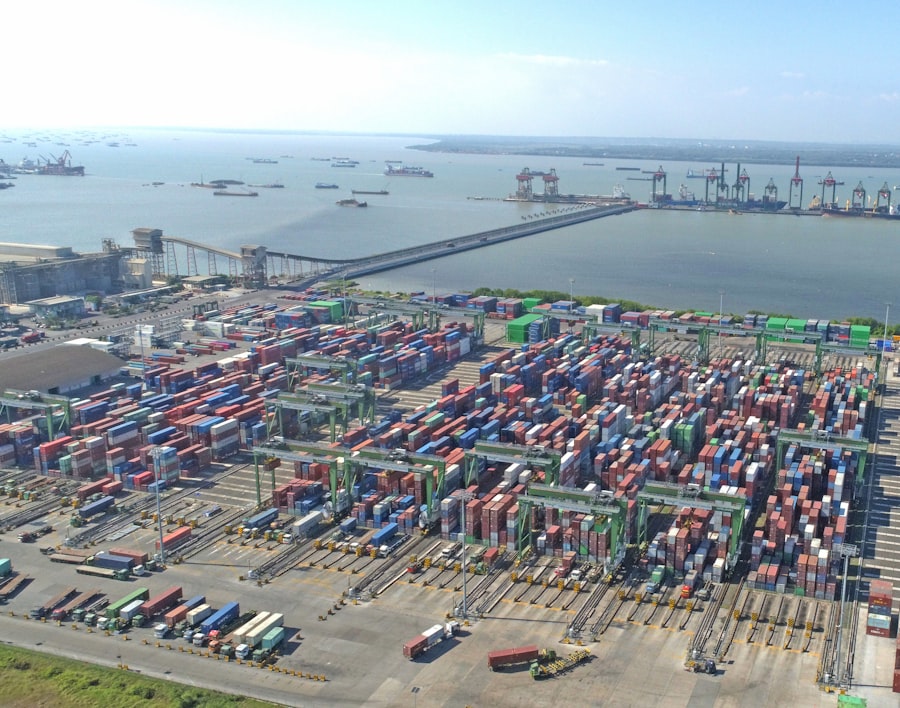
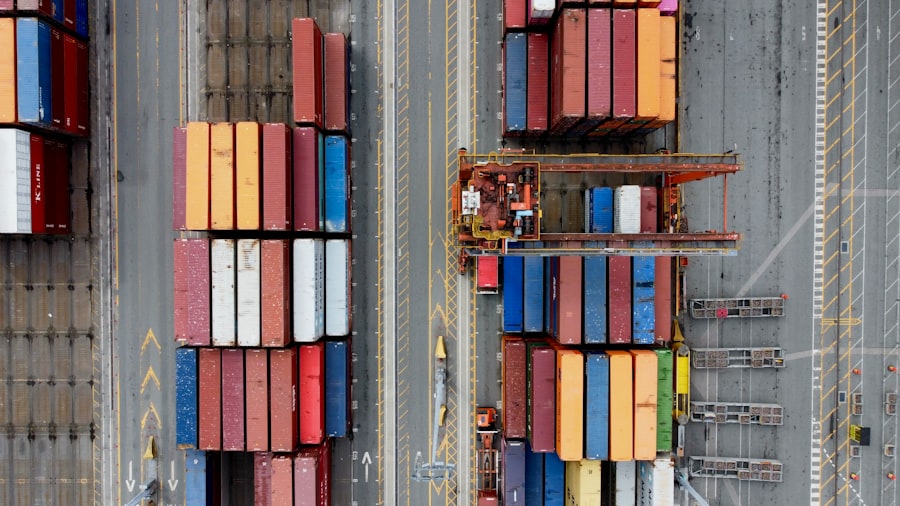
The advent of containerization revolutionized sea freight, standardizing cargo handling and significantly reducing transit times. Understanding container types (e.g., dry vans, reefer containers, open tops) and their implications for your cargo is essential.
Ro-Ro (Roll-on/Roll-off) Vessels: For Vehicles and Equipment
If you’re shipping vehicles, heavy machinery, or other rolling stock, Ro-Ro vessels offer a direct and efficient solution.
Air Freight: The Speedster for High-Value and Perishable Goods
When speed is paramount, air freight is your go-to. It’s ideal for high-value cargo, perishables, and urgent shipments. However, it comes with a significantly higher price tag.
Passenger vs. Cargo Flights: Understanding Your Options
You can leverage cargo-only flights or utilize space on passenger flights. The choice depends on the urgency, volume, and cost considerations.
Special Handling for Perishables and Dangerous Goods
Air transport regulations for perishable items and dangerous goods are stringent. You’ll need to ensure compliance with all IATA (International Air Transport Association) regulations.
Land Transportation: The Connectors and Last-Mile Specialists
Trucks and rail often form the vital links within continental trade or serve as crucial components of intermodal transportation.
Road Freight: Flexibility and Door-to-Door Service
Trucking offers excellent flexibility and door-to-door delivery capabilities, making it ideal for shorter distances and complex routes.
Rail Freight: For Long-Distance Bulk Haulage
Rail is an efficient and environmentally friendly option for transporting large quantities of goods over long distances.
Intermodal Transportation: The Synergy of Multiple Modes
Often, the most effective trade routes involve a combination of different transportation modes. This intermodal approach optimizes cost and efficiency by leveraging the strengths of each transport type. For example, your goods might travel by sea from Asia to a European port, then by rail to a distribution center, and finally by truck to their final destination.
Global trade routes have significantly evolved over the years, shaping economies and cultures across the globe. Understanding these routes is essential for grasping the complexities of international commerce. For a deeper insight into the historical context and future trends of global trade, you can explore a related article that discusses various factors influencing these routes. This informative piece can be found here, providing valuable perspectives on how trade dynamics continue to change in our interconnected world.
Logistics and Supply Chain Optimization: Streamlining the Flow
Beyond just choosing transportation modes, optimizing your entire logistics and supply chain is key to efficient global trade.
Warehouse and Distribution Network Design: Strategic Placement of Assets
Where you store your goods and how you distribute them significantly impacts delivery times and costs. Establishing strategically located warehouses or utilizing third-party logistics (3PL) providers can be a game-changer.
Inventory Management and Forecasting: Minimizing Costs and Stockouts
Accurate inventory management and forecasting are crucial to avoid costly overstocking or detrimental stockouts. Technologies and careful analysis can help you achieve this.
Last-Mile Delivery Strategies: Reaching the End Consumer
The final leg of the journey is often the most challenging and expensive. Developing effective last-mile delivery strategies is essential for customer satisfaction.
Customs Brokerage and Compliance: Navigating the Red Tape
Navigating customs procedures can be a labyrinth. Engaging skilled customs brokers and ensuring strict compliance with import and export regulations are paramount to avoid delays and penalties.
Understanding Tariffs, Duties, and Taxes: The Cost of Crossing Borders
You must have a clear understanding of all applicable tariffs, duties, and taxes in your target markets. These can significantly impact your product’s final price.
Documentation and Declarations: Accuracy is Key
Inaccurate or incomplete documentation is a primary cause of customs delays. Ensuring all paperwork is meticulously prepared and accurate is non-negotiable.
Risk Management in the Supply Chain: Preparing for the Unexpected
Global supply chains are inherently susceptible to disruptions, from natural disasters to geopolitical events. Proactive risk management is essential.
Contingency Planning and Diversification: Building Resilience
Develop contingency plans for various scenarios and consider diversifying your sourcing and transportation routes to mitigate risks.
Cargo Insurance: Protecting Your Investment
Adequate cargo insurance is a vital safety net to protect your valuable goods against loss or damage during transit.
Choosing Your Partners Wisely: The Power of Collaboration
You cannot navigate global trade alone. Building strong relationships with reliable partners is fundamental to your success.
Selecting Freight Forwarders and Logistics Providers: Experts in Movement
Your freight forwarder or logistics provider will be your primary partner in managing the physical movement of your goods. Vet them thoroughly.
Key Criteria for Selection: Reliability, Network, and Expertise
Look for partners with a proven track record, an extensive global network, and specialized expertise in your industry or target markets.
Negotiation and Contract Management: Securing Favorable Terms
Don’t shy away from negotiating terms and ensuring your contracts clearly define responsibilities and service level agreements (SLAs).
Working with Customs Brokers: Your Gateway to Compliance
A good customs broker can save you time, money, and a great deal of headaches.
Understanding Their Role in Clearance and Documentation
Ensure you understand precisely what services your customs broker provides and how they will manage your clearance processes.
Building Relationships with Suppliers and Distributors: The Foundation of Your Network
Strong relationships with your suppliers and distributors are

The Taiwan Strait: The Most Dangerous Place in the Global Economy
FAQs
What are global trade routes?
Global trade routes are the pathways and networks through which goods, services, and resources are exchanged between different countries and regions around the world. These routes can include sea routes, air routes, and land routes.
Why are global trade routes important?
Global trade routes are important because they facilitate international trade and commerce, allowing countries to access a wider range of goods and resources, and enabling economic growth and development. They also promote cultural exchange and interconnectedness between different parts of the world.
What are some examples of historical global trade routes?
Some examples of historical global trade routes include the Silk Road, which connected China with the Mediterranean region; the Trans-Saharan trade routes, which linked North Africa with sub-Saharan Africa; and the maritime trade routes of the Indian Ocean, which connected East Africa, the Middle East, India, and Southeast Asia.
How have global trade routes evolved over time?
Global trade routes have evolved over time due to advancements in transportation and communication technologies, changes in political and economic systems, and shifts in global trade patterns. For example, the development of steamships and later air travel revolutionized global trade routes in the 19th and 20th centuries.
What are some challenges facing global trade routes today?
Some challenges facing global trade routes today include geopolitical tensions and conflicts, trade barriers and tariffs, environmental concerns related to transportation emissions, and disruptions caused by natural disasters or global health crises. Additionally, issues related to labor rights and supply chain transparency have also become important considerations for global trade routes.