
You stand at the precipice, gazing out across a continent vibrant with ancient cultures and pulsating with emergent power. Asia, a mosaic of nations, histories, and ambitions, presents a geopolitical landscape as complex as it is profound. To navigate this intricate tapestry is to understand the forces that shape its present and will undoubtedly define its future, and yours. This is not a passive observation; it is an active engagement, a continuous assessment of shifting sands and rising tides. Your journey through this dynamic arena requires a keen eye, a discerning mind, and a willingness to adapt to an ever-evolving strategic environment.
You observe the undeniable gravitational pull of the United States and China, two colossal powers whose ambitions and rivalries cast long shadows across the continent. Their intricate dance of cooperation and competition forms the bedrock of much of Asian geopolitics. You must understand how their actions, whether diplomatic overtures or military posturing, ripple through regional alliances and influence the decisions of smaller, yet equally important, players.
The American Pivot and its Enduring Reach
You recall the era of the “pivot to Asia,” a strategic reorientation by the United States that signaled a renewed commitment to the region. While the specifics of this emphasis may shift with administrations, America’s enduring security commitments, its economic ties, and its promotion of a rules-based international order remain potent forces. You see how this manifests in security dialogues, joint military exercises, and trade agreements, all designed to maintain a balance and offer an alternative to a singular, dominant power. You recognize that your own interests might align with this established order, or perhaps challenge it, depending on your unique perspective and objectives.
The Dragon’s Ascent: China’s Assertive Rise
You witness China’s meteoric rise, transforming from an emergent economic power to a global player with increasingly assertive geopolitical ambitions. Its Belt and Road Initiative (BRI), a monumental infrastructure and investment project, is not merely about bricks and mortar; it is a testament to its desire to reshape global trade and influence. You must analyze the implications of China’s growing military capabilities, its expanding naval presence, and its strategic partnerships across the continent. Are these developments a sign of increased regional stability and economic prosperity, or do they portend a more contested future? Your understanding of China’s motivations – historical grievances, economic imperative, national rejuvenation – is paramount.
The Ripple Effect: Impact on Middle Powers and Smaller Nations
You understand that the dynamics between these titans are not played out in a vacuum, but profoundly affect every nation within Asia. You observe how middle powers, like Japan, South Korea, India, and Australia, navigate this duality, striving to maintain their own agency while often hedging their bets. You see how smaller nations, from the Philippines to Vietnam to the countries of Southeast Asia, find themselves caught between competing spheres of influence, forced to make strategic choices that can have significant implications for their sovereignty and economic well-being. Your analysis must extend beyond the headlines to grasp the nuanced strategies employed by these nations to preserve their interests.
In the ever-evolving landscape of Asia geopolitics, understanding the intricate relationships between nations is crucial. A related article that delves into these dynamics is available at My Geo Quest, where it explores the strategic alliances and tensions shaping the region. This insightful piece provides a comprehensive analysis of current events and their implications for global stability, making it a valuable resource for anyone interested in the geopolitical landscape of Asia.
The Scramble for Influence: Regional Dynamics and Emerging Alliances
Beyond the overarching influence of superpowers, you recognize a vibrant and often volatile landscape of regional dynamics. Existing alliances are being tested, and new partnerships are emerging, driven by shared interests, historical ties, and the ever-present need for security and economic prosperity. You must decipher these complex webs of relationships to understand the true pulse of the continent.
The Quad: A Counterbalance in the Indo-Pacific
You keenly observe the development of the Quadrilateral Security Dialogue (Quad), a strategic forum involving the United States, Japan, India, and Australia. You understand its purported aims: promoting a “free and open Indo-Pacific,” enhancing maritime security, and countering China’s growing assertiveness. You analyze its effectiveness, its limitations, and the reactions it elicits from other regional actors. Is it a genuine attempt at multilateral cooperation, or a thinly veiled strategic alliance? Your assessment will shape your understanding of future security architectures in the region.
ASEAN’s Balancing Act: Navigating a Complex Neighborhood
You acknowledge the crucial role of the Association of Southeast Asian Nations (ASEAN) as a regional hub and a proponent of multilateralism. You see how ASEAN states, from Singapore to Indonesia, strive to maintain their centrality and neutrality amidst great power competition. You analyze their various strategies, from diplomatic engagement with all major powers to the pursuit of regional autonomy. You recognize that ASEAN’s success in managing these inherent tensions is vital for regional stability. How do you interpret their efforts to build consensus and address common challenges like maritime disputes and economic integration?
The India-China Conundrum: A Himalayan Frontier of Contention
You cannot ignore the complex and often fraught relationship between India and China. Their shared border, a long and contested frontier, is a persistent source of tension. You examine the economic interdependence that coexists with strategic mistrust, the border skirmishes that punctuate periods of relative calm, and India’s growing strategic partnerships aimed at balancing China’s influence. You understand that the trajectory of this relationship has profound implications for the entire Asian geostrategic landscape.
The Economic Arena: Trade, Investment, and Interdependence
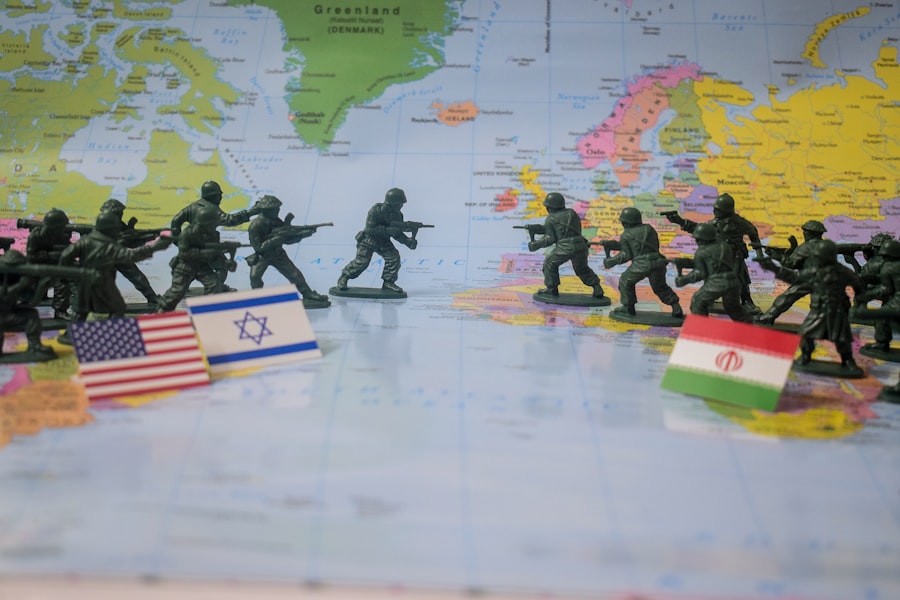
You recognize that geopolitical influence in Asia is inextricably linked to economic power. Trade routes, investment flows, and economic interdependence form the invisible sinews that bind nations together, but also create vulnerabilities and leverage points. You must understand how economic strategies are deployed as tools of both cooperation and coercion.
The Silk Road’s Modern Iteration: BRI’s Global Reach
You have already considered the Belt and Road Initiative (BRI) as a geopolitical project, but you must also understand its economic underpinnings. You analyze the vast network of infrastructure projects, the ambitious financing schemes, and the potential economic benefits and risks for participating nations. Is the BRI a pathway to shared prosperity, or a mechanism to create dependency and expand China’s economic dominion? Your assessment of its economic implications is as crucial as its strategic ones.
The Digital Frontier: Technology, Data, and the New Silk Roads
You recognize that the economic landscape is increasingly shaped by the digital realm. You witness the race for technological dominance in areas like 5G, artificial intelligence, and semiconductor manufacturing. You understand how control over data, intellectual property, and digital infrastructure translates into geopolitical advantage. Your own participation in this digital economy, and your understanding of its implications for national security and individual privacy, are critical.
Supply Chains and Resilience: The Vulnerabilities of Interconnectedness
You observe how the COVID-19 pandemic and geopolitical tensions have exposed the fragility of global supply chains. You see how nations are reassessing their reliance on single sources for essential goods and technologies. Your analysis of these shifts in supply chain strategies – diversification, reshoring, friend-shoring – is vital for understanding future trade patterns and economic resilience in Asia.
The Maritime Domain: Oceans of Opportunity and Contested Waters
You look out at the vast expanse of the Asia-Pacific’s seas, recognizing them not just as bodies of water, but as vital arteries of trade, strategic chokepoints, and arenas of competition. The security and freedom of navigation across these maritime spaces are paramount for regional stability and global commerce.
The South China Sea: A Crucible of Disputes
You acknowledge the South China Sea as a flashpoint, a region rife with overlapping territorial claims and a constant underlying tension. You analyze the actions of various claimants, the role of international law, and the increasing military presence of concerned nations. You understand how the resolution, or lack thereof, of these disputes will shape the future of regional security and maritime commerce. You consider your own interests in ensuring freedom of navigation and respect for international norms in this critical waterway.
The Strait of Malacca: A Lifeline of Global Trade
You recognize the vital strategic importance of the Strait of Malacca, a narrow waterway through which a significant portion of global maritime trade flows. You understand how any disruption to this vital artery would have far-reaching economic consequences. You analyze the security measures in place and the efforts to ensure its continued openness and safety for all nations.
Naval Modernization and Power Projection: A Shifting Balance of Power
You observe the ongoing naval modernization efforts by several Asian nations, particularly China and its neighbors. You see the development of advanced naval assets, aircraft carriers, and submarines, all indicative of a desire for enhanced power projection capabilities. You analyze how this arms race impacts the regional balance of power and the potential for naval confrontations.
In the ever-evolving landscape of Asia geopolitics, understanding the intricate relationships between nations is crucial. A recent article delves into the strategic maneuvers of regional powers and their implications for global stability. For those interested in a deeper analysis, you can explore the insights provided in this related article, which highlights the challenges and opportunities that arise from these complex dynamics.
The Human Factor: Demographics, Ideologies, and Cultural Currents
| Country | Population | GDP (USD) | Military Spending (USD) |
|---|---|---|---|
| China | 1.4 billion | 14.3 trillion | 261 billion |
| India | 1.3 billion | 2.9 trillion | 71.1 billion |
| Japan | 126 million | 5.2 trillion | 47.6 billion |
| Russia | 144 million | 1.7 trillion | 65.1 billion |
You understand that geopolitics is not solely about power and economics; it is also deeply intertwined with the aspirations, beliefs, and diversity of the people who inhabit Asia. Demographics, prevailing ideologies, and evolving cultural currents all play a significant role in shaping national policies and regional interactions.
Aging Societies and Growing Youth Bulges: Demographic Divergences
You recognize the stark demographic divergences across Asia. You see aging societies in countries like Japan and South Korea, facing challenges related to labor shortages and pension burdens. Conversely, you observe nations with burgeoning youth populations, such as India and Indonesia, grappling with issues of education, employment, and social integration. These demographic trends have profound implications for economic growth, political stability, and social cohesion.
The Spectrum of Governance: Democracies, Authoritarian Regimes, and Hybrid Systems
You acknowledge the diverse spectrum of governance models across Asia. You see established democracies, robust authoritarian states, and various hybrid systems in between. You understand how these different political frameworks influence foreign policy, human rights, and internal stability. You analyze how the interplay between these systems shapes regional dialogues and the promotion of certain values.
The Rise of Nationalism and Identity Politics: Reshaping National Narratives
You observe the resurgence of nationalism and the growing influence of identity politics across the continent. You see how these forces shape national narratives, influence public opinion on foreign policy, and can sometimes lead to increased friction between nations. You analyze how these trends impact diplomatic relations and the potential for regional cooperation.
Cultural Exchange and Soft Power: Building Bridges and Understanding
You recognize the growing importance of cultural exchange and soft power in shaping perceptions and fostering understanding. You see how nations leverage their rich cultural heritage, their media, and their educational institutions to build influence and promote their values. Your own engagement with these cultural currents can foster deeper connections and a more nuanced appreciation of the diverse peoples of Asia.
Navigating Asia’s geopolitical landscape is an ongoing endeavor, an intellectual and strategic undertaking that demands continuous learning and adaptation. You are not a detached observer, but an active participant, whose understanding of these dynamics will inform your decisions and shape your engagement with this pivotal continent. The challenges are undeniable, but so too are the opportunities for cooperation, innovation, and shared prosperity. Your journey through this complex theater is just beginning.

The Taiwan Strait: The Most Dangerous Place in the Global Economy
FAQs
What is geopolitics in Asia?
Geopolitics in Asia refers to the study of the influence of geographical factors on politics and international relations in the Asian continent. It involves analyzing the strategic importance of geographical locations, natural resources, and the relationships between different countries in the region.
What are some key geopolitical issues in Asia?
Some key geopolitical issues in Asia include territorial disputes, military alliances, nuclear proliferation, economic competition, and the influence of major powers such as China, India, Japan, and the United States. The region also faces challenges related to maritime security, energy resources, and the impact of climate change.
How does geopolitics impact the relationships between Asian countries?
Geopolitics significantly impacts the relationships between Asian countries by shaping their foreign policies, security strategies, and economic cooperation. Territorial disputes, historical rivalries, and power struggles influence the dynamics of regional alliances and conflicts, as well as the pursuit of diplomatic initiatives and trade agreements.
What role do major powers play in Asia’s geopolitics?
Major powers such as China, India, Japan, and the United States play a significant role in shaping Asia’s geopolitics. They exert influence through military presence, economic investments, diplomatic initiatives, and regional partnerships. Their actions and policies have a direct impact on the balance of power and security dynamics in the region.
How does Asia’s geopolitics impact global affairs?
Asia’s geopolitics has a significant impact on global affairs due to the region’s economic importance, military capabilities, and strategic alliances. Developments in Asia can influence international trade, energy security, and geopolitical stability, as well as shape the policies of major powers and international organizations.