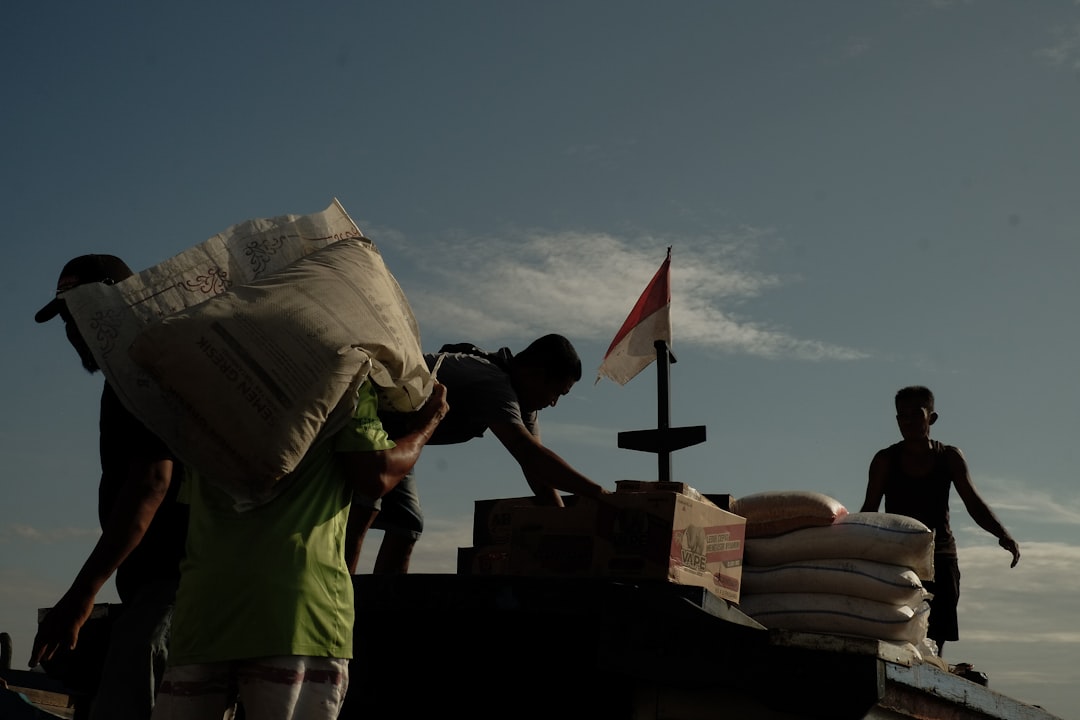
You’re sitting in the hushed darkness of the cinema, the trailers have faded, and the opening credits of “Feeding the Future: A Food Security Documentary” begin to roll. From the very first frame, you’re not just an observer; you’re an invited participant, pulled into a global narrative that feels both urgent and deeply personal. This isn’t just a film; it’s an exploration, a challenge, and a call to action, all woven together through the lens of your own potential impact.
The documentary wastes no time in laying bare the fundamental premise: the planet’s ability to feed its ever-growing population is not a given. You are presented with a stark reality, one that transcends political borders and economic divides. It’s the story of how we got here, a complex tapestry of historical shifts, agricultural revolutions, and evolving societal needs that have led us to a precarious point. “Feeding the Future” aims to illuminate these foundational issues, ensuring you grasp the gravity of the situation before delving into potential solutions.
The Global Appetite: Population Growth and Resource Strain
You’re shown the dizzying trajectory of human population growth. Visualizations paint a clear picture: more people means more mouths to feed, and consequently, a greater demand on our planet’s finite resources. This isn’t just about abstract numbers; it’s about the pressure on fertile land, the depletion of freshwater sources, and the increasing strain on ecosystems already struggling to cope. You’ll feel the weight of this escalating demand, realizing that the current methods of food production are, in many ways, already at their limit.
The Invisible Threads: Interconnectedness of Food Systems
The film masterfully illustrates how your plate of food is connected to a vast and intricate global network. You see the journey of a single grain of rice, a humble potato, or a carton of milk, tracing its path from distant fields, through complex processing plants, across oceans and continents, to your local grocery store. This journey highlights the vulnerabilities inherent in such a system. A single drought in one region, a political upheaval in another, or a disease outbreak can have ripple effects that you might never have considered, ultimately impacting the availability and affordability of food for everyone, including yourself.
The Shadow of Inequality: Hunger in a World of Plenty
Perhaps the most profound and disturbing aspect you’ll encounter is the stark contrast between food abundance and widespread hunger. The documentary doesn’t shy away from showing you communities where malnutrition is a daily reality, juxtaposed with images of supermarkets overflowing with an astonishing variety of produce. This disparity is presented not as an unavoidable tragedy, but as a systemic failure, a failure of distribution, access, and economic justice. You’ll be confronted with the uncomfortable truth that food insecurity isn’t solely a matter of production, but also of ensuring that everyone has the means and opportunity to access the food that is available.
In the context of food security, the documentary highlights the pressing challenges faced by communities around the world. For further insights into this critical issue, you can explore a related article that delves into innovative solutions and strategies for enhancing food security. Check out the article at MyGeoQuest for a comprehensive overview of the topic and its implications for global sustainability.
Seeds of Change: Innovations in Sustainable Agriculture
As the film transitions from outlining the problems, you’re introduced to a wave of innovation that offers a glimmer of hope. “Feeding the Future” shines a spotlight on individuals, communities, and researchers who are pushing the boundaries of agricultural science and practice. These aren’t abstract scientific theories; they are tangible, real-world solutions being implemented right now, demonstrating that a more sustainable and equitable food future is not only possible but is already taking root.
The Wisdom of the Earth: Regenerative Farming Practices
You’ll witness the transformative power of regenerative agriculture. Gone are the days of industrial farming models that often deplete soil health and rely heavily on chemical inputs. Instead, you’ll see farmers embracing practices that work in harmony with nature. Think of cover cropping, no-till farming, crop rotation, and the integration of livestock. These methods aren’t just about producing food; they’re about rebuilding soil, enhancing biodiversity, capturing carbon, and strengthening the resilience of rural landscapes. You might find yourself questioning the dominant agricultural paradigms you’ve always known, marveling at the potential of working with the land rather than against it.
In exploring the critical issue of food security, the recent documentary sheds light on the challenges faced by communities around the world. It highlights innovative solutions and the importance of sustainable practices in agriculture. For those interested in a deeper understanding of this topic, a related article can be found at this link, which discusses various strategies to enhance food security and promote resilience in vulnerable populations.
Urban Oases: The Rise of Vertical Farms and Rooftop Gardens
The documentary takes you into the heart of cities, revealing how food production is no longer confined to the countryside. You’ll be amazed by the ingenuity of vertical farms, towering structures where crops are grown hydroponically or aeroponically in controlled environments. You’ll also explore the vibrant world of rooftop gardens and community urban farms, transforming underutilized spaces into productive food hubs. These urban agricultural initiatives offer a compelling solution to issues of fresh food access in densely populated areas, reducing transportation costs and minimizing spoilage. You might start to see your own city with new eyes, imagining the potential for green spaces to become sources of sustenance.
Precision and Efficiency: The Role of Technology
“Feeding the Future” doesn’t dismiss the role of technology; rather, it champions its responsible application. You’ll see how sensors, drones, and data analytics are being used to optimize irrigation, monitor crop health, and apply fertilizers and pesticides only where and when they are needed, minimizing waste and environmental impact. You’ll also learn about advancements in crop breeding, developing varieties that are more resilient to disease, drought, and changing climates. These technological innovations are presented not as replacing human ingenuity, but as powerful tools that can help us produce more with less.
Beyond the Farm Gate: Rethinking Distribution and Access
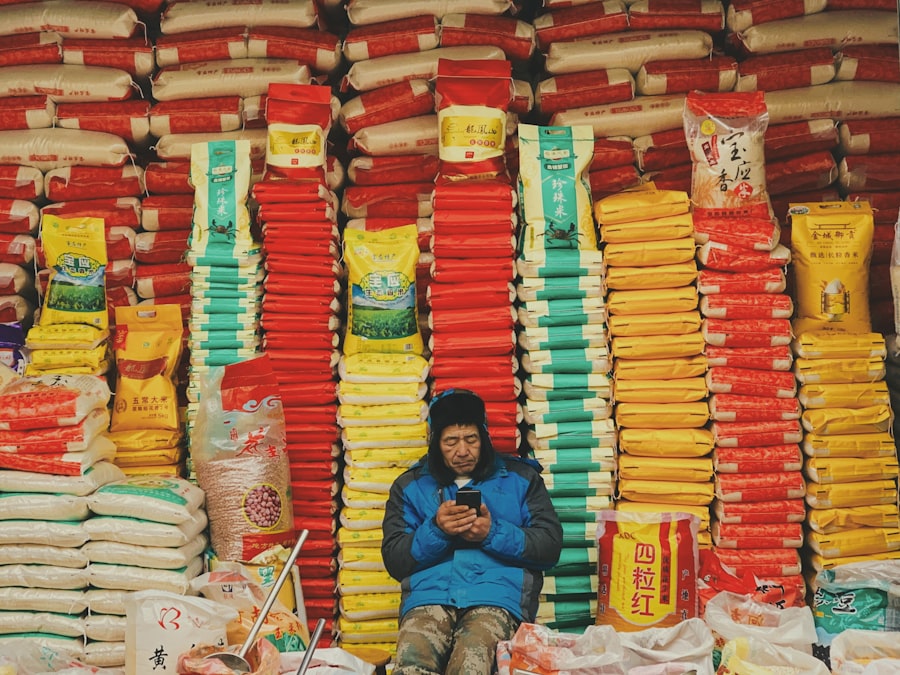
The film powerfully argues that even the most abundantly produced food is useless if it doesn’t reach the people who need it. You’ll be exposed to the logistical hurdles and policy barriers that contribute to food insecurity, and the innovative approaches being developed to overcome them. This section of the documentary makes it clear that the challenges of feeding the future extend far beyond the agricultural fields themselves.
Bridging the Gaps: Reducing Food Waste and Loss
The sheer scale of food waste and loss is a staggering revelation. You’ll be shown statistics that might shock you: mountains of perfectly edible food discarded at every stage of the supply chain, from farm to fork. The documentary highlights initiatives aimed at tackling this issue head-on. Think of improved storage and transportation infrastructure, innovative packaging solutions, and creative programs that redirect surplus food to those in need. You’ll likely start scrutinizing your own consumption habits, becoming more mindful of the food you buy and how you store it.
The Power of Community: Local Food Systems and Food Banks
You’ll encounter the vital role of community-driven initiatives. Local food systems, from farmers’ markets to community-supported agriculture (CSA) programs, are presented as powerful ways to connect consumers directly with producers, fostering transparency and strengthening local economies. The documentary also shines a light on the indispensable work of food banks and other charitable organizations, acting as crucial safety nets for individuals and families facing immediate food insecurity. You’ll see how collective action, on a grassroots level, can make a significant difference.
Policy as a Lever: Government’s Role in Food Security
“Feeding the Future” doesn’t shy away from the political dimensions of food security. You’ll explore how government policies, both positive and negative, can profoundly impact the availability and affordability of food. This includes discussions about agricultural subsidies, trade agreements, food assistance programs, and regulations related to land use and environmental protection. The film advocates for policy shifts that prioritize sustainability, equitable access, and the well-being of both producers and consumers. You’ll be encouraged to consider the influence of policy and perhaps even your own role in advocating for change.
The Consumer’s Influence: Your Power in the Food Chain
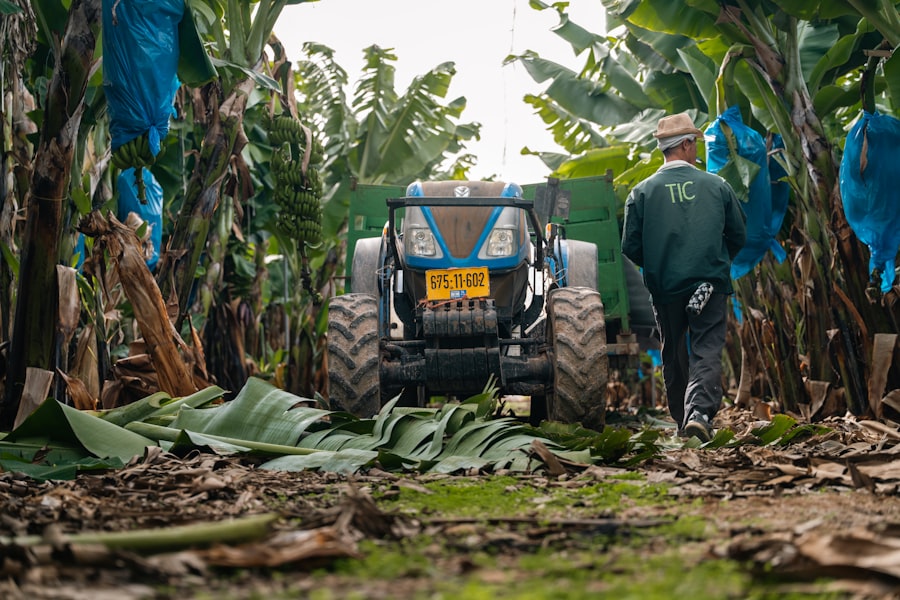
As the documentary progresses, a central theme emerges: you, the individual consumer, are not a passive participant in the food system. You have agency, and your choices have a tangible impact. “Feeding the Future” empowers you with knowledge, urging you to recognize the power you wield with every purchase, every meal you prepare, and every conversation you have about food.
Conscious Choices: The Impact of Your Grocery Basket
You are presented with a compelling case for making more conscious food choices. This involves understanding food labels, seeking out sustainably produced and ethically sourced products, and supporting farmers and businesses that align with your values. You’ll learn about the environmental footprint of different foods, the labor practices involved in their production, and the impact of your dietary choices on your own health and the planet’s. The film isn’t about dictating what you should eat, but about equipping you with the information to make informed decisions that resonate with your conscience.
From Plate to Politics: Advocating for a Better System
The documentary encourages you to go beyond individual purchasing power and engage in broader advocacy. You’ll be shown examples of individuals and groups who are actively lobbying for policy changes, raising public awareness, and participating in campaigns for food justice. Your voice, when united with others, can be a powerful force for systemic change. “Feeding the Future” inspires you to think about how you can contribute to creating a food system that is fair, sustainable, and nutritious for everyone.
Small Actions, Big Impact: Everyday Habits Matter
Ultimately, “Feeding the Future” leaves you with a profound understanding that even seemingly small changes in your everyday habits can contribute to a larger movement. Whether it’s reducing your food waste, choosing to buy local, or simply engaging in conversations about food security, your actions matter. The film aims to move you from passive awareness to active engagement, fostering a sense of responsibility and empowerment in your relationship with food. You’ll leave the cinema not just informed, but inspired to be a part of the solution, to play your part in “Feeding the Future.”

The Taiwan Strait: The Most Dangerous Place in the Global Economy
FAQs
What is food security?
Food security refers to the availability, access, and utilization of safe and nutritious food for all individuals. It encompasses the ability of people to afford and obtain enough food to meet their dietary needs and preferences for an active and healthy life.
What is a food security documentary?
A food security documentary is a film or video production that explores the issues and challenges related to food security. It may feature interviews with experts, real-life stories of individuals or communities facing food insecurity, and discussions about potential solutions and interventions.
Why are food security documentaries important?
Food security documentaries are important because they raise awareness about the complexities of food security, including the underlying causes of hunger and malnutrition, the impact of food insecurity on individuals and communities, and the efforts being made to address these issues. They can also inspire action and advocacy for positive change.
What are some examples of food security documentaries?
Examples of food security documentaries include “A Place at the Table,” which examines hunger in America, “Food, Inc.,” which explores the industrial food system and its impact on food security, and “The True Cost,” which looks at the social and environmental costs of the fashion industry, including its impact on food security.
Where can I watch food security documentaries?
Food security documentaries can be found on various streaming platforms, such as Netflix, Amazon Prime, and Hulu, as well as on websites dedicated to documentary films. They may also be available for purchase or rental through online stores or local video rental services.