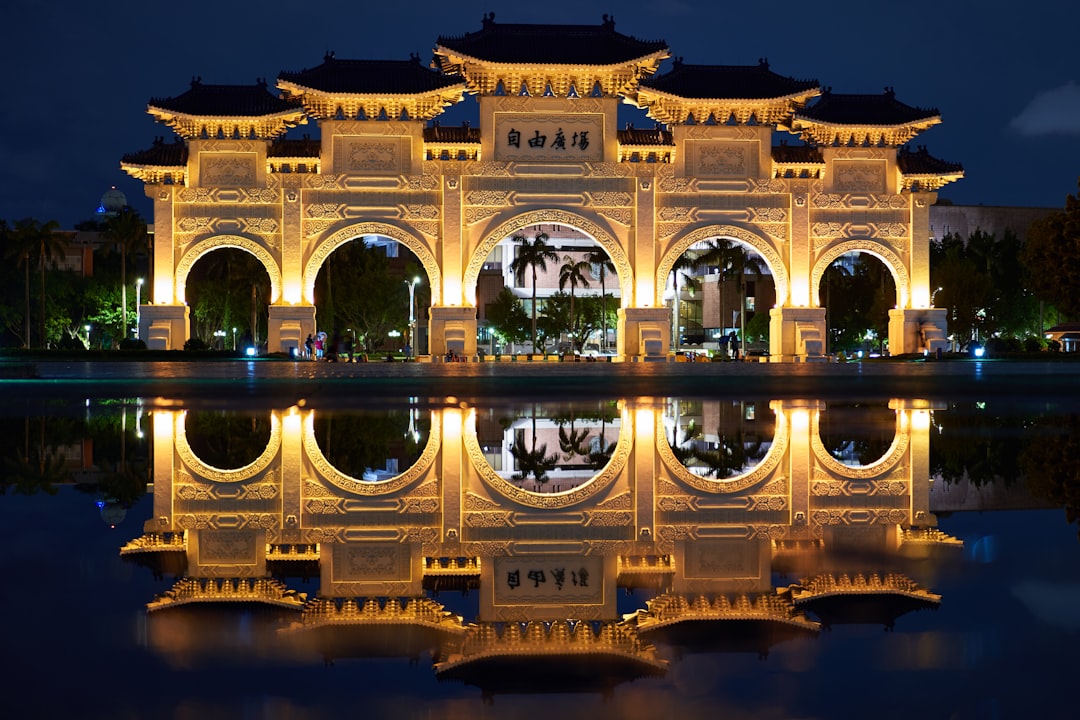
You stand at a crossroads, a place of immense strategic significance, looking out across the shimmering waters of the Asia-Pacific. This is Taiwan, and its importance reverberates far beyond its island shores. To truly grasp why Taiwan matters, you must understand its multifaceted role – a testament to its economic prowess, its geopolitical positioning, its democratic principles, and its crucial contribution to global security.
When you think of global trade, you likely picture vast container ships, sprawling industrial complexes, and intricate supply chains. Taiwan is a linchpin in that intricate web, a quiet titan whose economic might underpins much of what you rely on daily. Its contribution to the world economy is disproportionate to its size, a carefully cultivated resilience built on innovation, dedication, and strategic foresight.
The Semiconductor Superpower: Fueling the Digital Age
You are holding a smartphone, working on a laptop, perhaps even driving a car equipped with advanced technology. What do these devices have in common? They are almost certainly powered by semiconductors manufactured in Taiwan. You know Taiwan Semiconductor Manufacturing Company (TSMC) not just as a name, but as the undisputed leader in advanced chip production. The company’s technological edge and manufacturing capacity are so dominant that it’s virtually impossible for the global tech industry to function without it.
- The Foundry Model: Taiwan pioneered and perfected the “foundry” business model, where companies focus solely on manufacturing chips designed by others. This specialization allowed for immense efficiency and a rapid pace of innovation, making Taiwan the go-to for the world’s leading chip designers.
- The Cutting Edge: TSMC consistently pushes the boundaries of semiconductor technology, developing smaller, faster, and more energy-efficient chips. This relentless pursuit of innovation ensures that Taiwan remains at the forefront of the digital revolution, impacting everything from artificial intelligence to advanced defense systems.
- Economic Dependency: The world’s reliance on Taiwanese semiconductors creates a significant economic leverage point. Disruptions to Taiwan’s chip supply chains would have catastrophic consequences for global industries, from automotive to consumer electronics, impacting economies worldwide. You want to understand the implications of this dependency? Consider the ripple effect of a shortage on your own daily life and the global marketplace.
Beyond Semiconductors: A Diversified Economic Landscape
While semiconductors often steal the spotlight, Taiwan’s economic strength extends far beyond integrated circuits. You’ll find a robust and diverse economy, a testament to its entrepreneurial spirit and adaptability.
- Advanced Manufacturing: Taiwan is a significant player in other high-tech manufacturing sectors, including electronics, machinery, and precision instruments. Many of the components that make up the complex machinery you use in factories around the world originate from Taiwan.
- Innovation and R&D: The Taiwanese government and private sector have consistently invested heavily in research and development. This commitment fosters a culture of innovation, leading to breakthroughs in various fields and ensuring Taiwan’s continued competitiveness in the global market. You can see this reflected in the number of patents filed and the growing influence of Taiwanese companies in emerging technologies.
- Global Trade Hub: Taiwan’s strategic location and its well-developed infrastructure make it a vital hub for international trade and logistics. Its ports are among the busiest in the world, facilitating the movement of goods across the Asia-Pacific region and beyond.
In exploring the significance of Taiwan in the context of global geopolitics, a related article that delves deeper into the strategic implications of Taiwan’s position is available at MyGeoQuest. This article examines the economic, military, and cultural factors that contribute to Taiwan’s importance on the world stage. For more insights, you can read the article here: Why Taiwan Matters.
The Crossroads of Geopolitical Power: Taiwan’s Strategic Location
You are looking at a map of East Asia. Taiwan is not just an island; it is a critical nexus, a geographical fulcrum around which immense geopolitical forces pivot. Its location is not accidental; it’s a defining factor in its global importance.
The First Island Chain: A Strategic Barrier and Gateway
The “First Island Chain” is a concept often discussed in military and geopolitical circles. It refers to a series of islands stretching from the Japanese archipelago, through Taiwan, down to the Philippines. Taiwan sits squarely in the middle of this strategically vital chain, acting as both a barrier and a gateway in the East China Sea and the South China Sea.
- Naval Access and Control: For any power seeking to project influence into the Pacific Ocean, controlling or having unimpeded access through the Taiwan Strait is paramount. Taiwan’s position allows it to influence naval movements and shipping lanes vital for global commerce and military operations. You can imagine the strategic implications for navies operating in the region.
- Dominance and Containment: From a military perspective, Taiwan’s possession can either enable a power to exert dominance over the waters and skies of East Asia or serve as a crucial element in containing the expansion of another power. The strategic balance in the region is intrinsically linked to Taiwan’s status.
- Chokepoint Significance: The Taiwan Strait itself is a critical chokepoint, a narrow waterway through which a significant portion of global maritime traffic passes. Any disruption to this strait would have immediate and far-reaching economic and security consequences. You can think of it as a vital artery that, if severed, would have devastating effects.
The South China Sea: Acontested Maritime Frontier
Taiwan’s southern coast borders the South China Sea, a region of immense economic and strategic importance, marked by territorial disputes and significant maritime activity. Your proximity to this contested area amplifies Taiwan’s strategic value.
- Maritime Security: Taiwan plays a role in ensuring maritime security and freedom of navigation within the South China Sea. Its coast guard and naval patrols contribute to the overall stability and safety of this crucial waterway.
- Resource Rich Waters: The South China Sea is believed to be rich in oil and gas reserves, making it a highly contested area. Taiwan’s position within this region adds another layer of complexity to the ongoing disputes and negotiations.
- Regional Alliances: Taiwan’s strategic location also makes it a focal point for regional security alliances and partnerships. Its cooperation with countries like the United States, Japan, and Australia is vital for maintaining a balanced regional order.
The Beacon of Democracy: Taiwan’s Ideological Significance
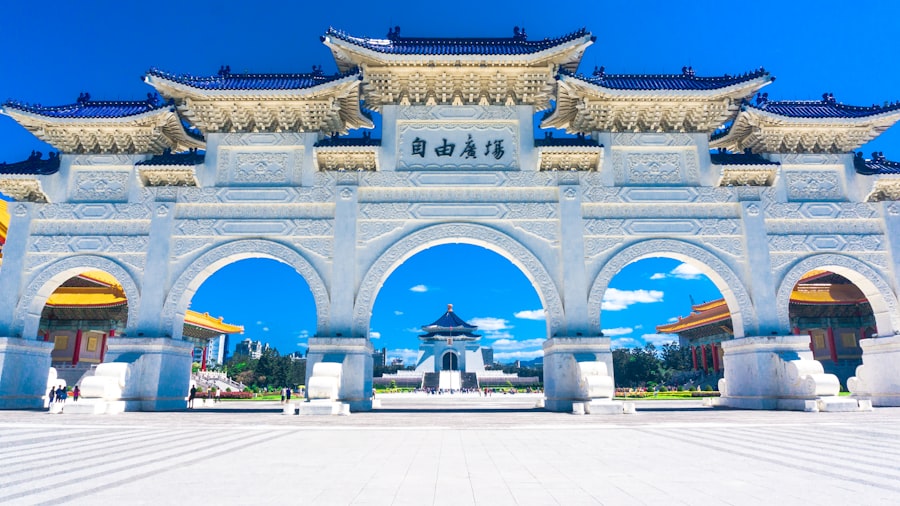
Beyond its economic and geographical importance, you must recognize Taiwan as a vibrant and resilient democracy in a region where authoritarianism is prevalent. This ideological distinction is not merely symbolic; it has profound implications for the global narrative and the future of governance.
A Bastion of Freedom: Resisting Authoritarian Pressure
In a world where democratic values are increasingly challenged, Taiwan stands as a powerful example of a successful democratic transition and a bulwark against authoritarianism. Your commitment to democratic principles is a source of inspiration and a testament to the will of your people.
- Free and Fair Elections: Taiwan’s democratic system is characterized by regular, free, and fair elections, a free press, and robust civil liberties. This stands in stark contrast to the political systems of its neighbors.
- Human Rights and Rule of Law: You uphold the rule of law, protect human rights, and foster a society where individuals have the freedom to express themselves and participate in political life. This commitment resonates with democratic nations worldwide.
- A Model for Others: Taiwan’s democratic success serves as a potent model for other societies yearning for self-determination and freedom. It demonstrates that economic prosperity and democratic governance are not mutually exclusive, even in the face of significant external pressures.
The Ideological Divide: A Struggle for Hearts and Minds
The ideological struggle between democracy and authoritarianism is a defining feature of the 21st century. Taiwan finds itself on the front lines of this struggle, a living testament to the appeal of freedom and self-governance.
- Soft Power and Influence: Taiwan’s democratic identity exerts a significant soft power influence in the region and globally. Its values and governance model are attractive to many, offering an alternative to authoritarian systems.
- The Narrative of Freedom: By maintaining its democratic system, Taiwan actively shapes the narrative around governance and human rights. It provides evidence that the path of freedom is viable and worth striving for, even under duress. You can see this reflected in international discussions and the aspirations of people in less free societies.
- International Support: The strength of Taiwan’s democratic credentials is a key factor in garnering international sympathy and support. Many nations see it as a matter of principle to stand with a fellow democracy against intimidation.
The Frontline of Global Security: Taiwan’s Role in Maintaining Peace
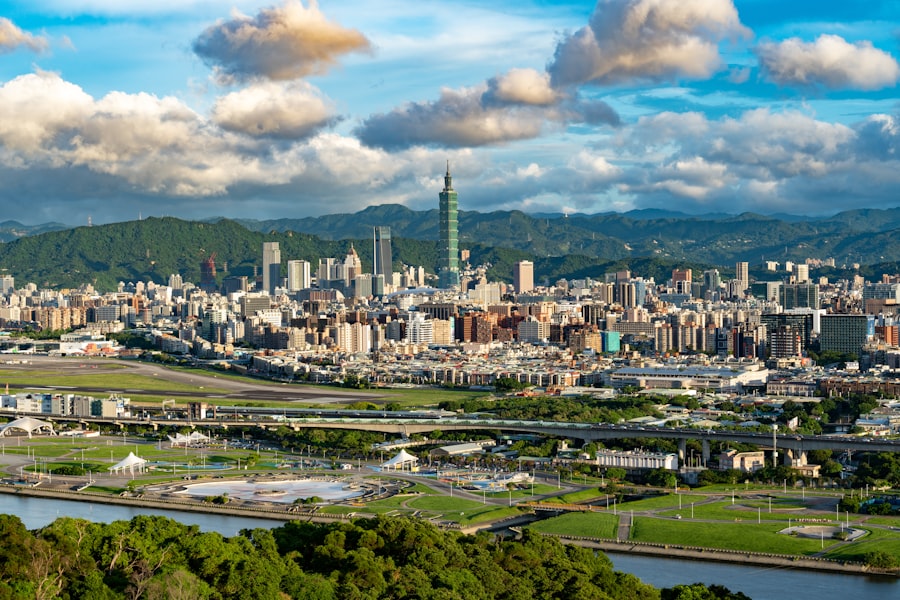
You cannot discuss Taiwan’s importance without acknowledging its critical role in maintaining regional and, by extension, global security. Its stability is intrinsically linked to the peace and prosperity of the entire Asia-Pacific.
Deterrence and Stability: The Unseen Shield
Taiwan’s well-trained and well-equipped military, coupled with its strategic defenses, forms a crucial component of deterrence in the region. Your ability to defend yourself is not just about your survival; it’s about preventing a larger conflict.
- The Cost of Aggression: A successful invasion of Taiwan would be a tremendously costly endeavor, both in human lives and economic resources, for any aggressor. This deterrent effect helps maintain a fragile peace.
- Forward Defense: Taiwan serves as a crucial element of forward defense for its allies and partners. Its existence prevents a potential adversary from easily projecting power deep into the Pacific.
- Intelligence and Early Warning: Taiwan’s proximity to mainland China provides valuable intelligence and early warning capabilities, contributing to the overall situational awareness of regional security forces.
The Global Implications of Conflict: A Domino Effect
The potential consequences of a conflict over Taiwan are not confined to the immediate vicinity. You must recognize the cascading effects that such a scenario would unleash upon the global order.
- Economic Catastrophe: As highlighted earlier, the disruption to global supply chains, particularly in semiconductors, would trigger an unprecedented economic crisis, impacting every nation.
- Regional Instability: A conflict in the Taiwan Strait would almost inevitably draw in other regional powers, leading to a wider conflagration with unpredictable outcomes.
- Undermining International Norms: An unprovoked attack on a democratic entity like Taiwan would severely undermine the principles of international law and peaceful dispute resolution, creating a more dangerous and unstable world for everyone. You can imagine a world where might truly makes right; this is what a conflict over Taiwan risks.
Understanding the geopolitical significance of Taiwan is crucial, and a related article that delves deeper into this topic can be found here. The piece explores the intricate balance of power in the Asia-Pacific region and highlights how Taiwan’s strategic location and democratic values contribute to its importance on the global stage. For those interested in the complexities surrounding Taiwan’s role, this article provides valuable insights that enhance the discussion on why Taiwan matters. You can read more about it in this informative article.
The International Community’s Stake: Why the World Watches Taiwan
| Reason | Explanation |
|---|---|
| Geopolitical Importance | Taiwan is strategically located in the Asia-Pacific region, making it a key player in regional security and stability. |
| Economic Powerhouse | Taiwan is a major producer of semiconductors and electronics, contributing significantly to the global supply chain. |
| Democratic Model | Taiwan’s successful transition to democracy serves as an example for other countries in the region. |
| Security Alliance | Taiwan’s security is closely linked to the interests of the United States and its allies in the region. |
| Cultural Influence | Taiwanese culture, including its cuisine, music, and arts, has gained international recognition and popularity. |
You are not alone in recognizing Taiwan’s significance. The international community watches Taiwan with bated breath, understanding that its fate is intertwined with the broader principles of freedom, democracy, and global stability.
The Principle of Self-Determination: A Universal Value
Taiwan’s struggle for self-determination and its right to choose its own future are principles that resonate with nations committed to democratic values. Your voice is heard, and your aspirations are understood by many.
- Upholding Democratic Aspirations: Supporting Taiwan is seen by many as upholding the fundamental right of a people to govern themselves free from external coercion.
- The Precedent of Appeasement: Many observers believe that appeasing aggression against Taiwan would set a dangerous precedent, emboldening autocratic regimes elsewhere and undermining the international order.
The Diplomacy of Balance: Navigating a Complex Landscape
The international response to Taiwan is often characterized by a delicate diplomatic dance, balancing economic interests, security concerns, and ideological commitments. Your ongoing existence is a testament to this complex interplay.
- Strategic Ambiguity: The policy of “strategic ambiguity” by some nations regarding their response to an attack on Taiwan reflects the intricate calculations involved in maintaining regional peace.
- Coalitions of Support: The growing international recognition of Taiwan’s democratic values and strategic importance has led to informal and formal coalitions of support, demonstrating a shared commitment to its security and prosperity.
- The Future of the Indo-Pacific: Ultimately, the future of Taiwan is inextricably linked to the future of the Indo-Pacific region. Its continued stability and democratic self-governance are crucial for a peaceful and prosperous world. You understand that the stakes are incredibly high, and the world is watching.

The Taiwan Strait: The Most Dangerous Place in the Global Economy
FAQs
What is the significance of Taiwan in global politics?
Taiwan holds strategic importance due to its location in the Asia-Pacific region and its economic and military capabilities. It also plays a crucial role in the ongoing tensions between China and the United States.
How does Taiwan’s status impact international relations?
Taiwan’s status as a self-governing entity with its own government and military, but not recognized as a sovereign state by the United Nations, creates complex dynamics in international relations, particularly in the context of China-Taiwan relations and the One-China policy.
What are the economic implications of Taiwan’s role in global trade?
Taiwan is a major player in global trade, particularly in the technology and semiconductor industries. Its economic influence extends to supply chains and trade relationships with countries around the world.
How does Taiwan’s democracy influence global politics?
Taiwan’s transition to democracy and its commitment to democratic values have made it a symbol of hope and inspiration for other countries in the region and around the world. Its democratic system also impacts its foreign policy and international alliances.
What are the security implications of Taiwan’s geopolitical position?
Taiwan’s location in the Asia-Pacific region and its proximity to China make it a key factor in regional security dynamics. The potential for conflict over Taiwan’s status has significant implications for global security and stability.