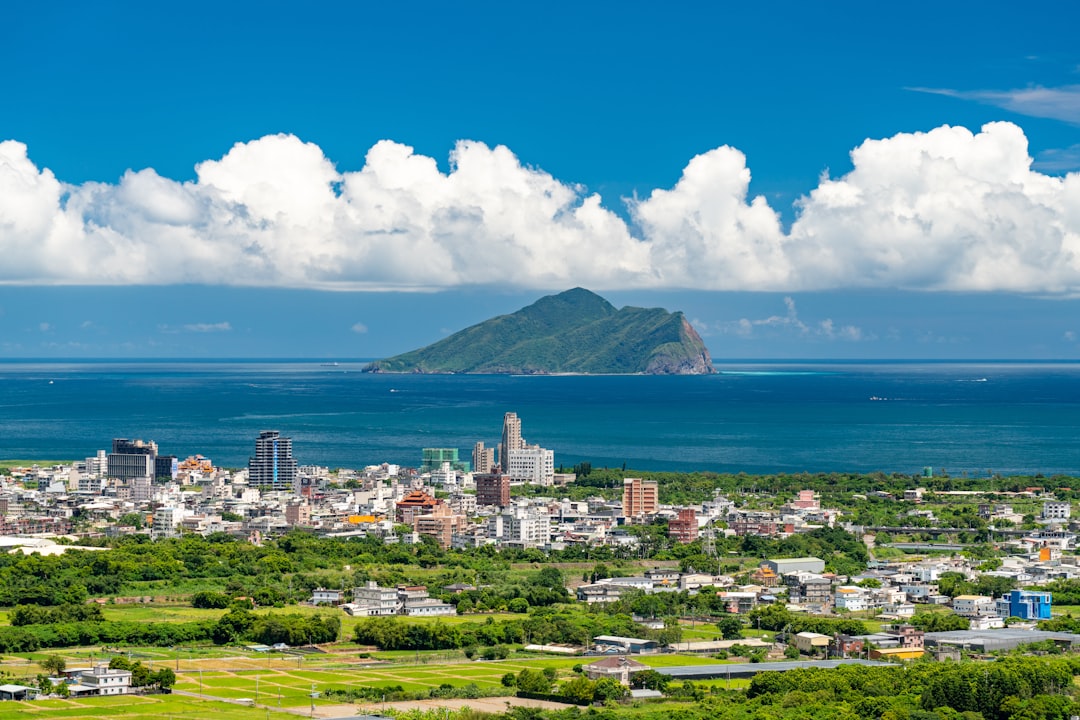
The Global Importance of Taiwan
You might not think of Taiwan, a small island nation off the coast of mainland China, as a pivotal player on the global stage. Yet, beneath its vibrant surface, Taiwan hums with a profound and multifaceted importance that resonates across continents. It’s a place where democracy, innovation, and strategic positioning converge, making it a critical nexus in the intricate web of international relations. Understanding Taiwan is to understand a significant piece of the 21st-century puzzle, from technological advancement to the delicate balance of power in Asia. Its resilience, its economic prowess, and its unique geopolitical standing make it far more than just an island; it’s a vital organ in the body of global stability and progress.
The Bastion of Democracy in a Region of Autocracy
Your perception of Taiwan’s global importance is undeniably shaped by its democratic identity. In a region where autocratic systems often dominate, Taiwan stands as a beacon of democratic ideals and practices. This distinction is not merely symbolic; it has tangible implications for global democratic movements and the values that nations champion.
A Model for Democratic Transition and Governance
You’ve likely witnessed the world grappling with the challenges of democratic governance. Taiwan’s journey offers a compelling case study. Its peaceful transition to democracy, from martial law to a multi-party system, is a testament to the will of its people and the strength of its institutions. This success story provides inspiration and practical lessons for other nations aspiring to democratic reforms. It showcases how a society can evolve and mature politically, fostering an environment of freedom and inclusion.
The Soft Power of Taiwanese Values
The democratic values that Taiwan embodies – freedom of speech, freedom of the press, and the right to fair elections – exert a significant “soft power” influence. This influence extends beyond its borders, resonating with individuals and groups who yearn for similar liberties. You see this in international forums where Taiwan advocates for human rights and in the cultural exchanges that showcase its open and free society. This soft power is a crucial component of its global standing, building goodwill and fostering alliances.
A Counterpoint to Authoritarian Expansion
In a world where authoritarian tendencies are on the rise, Taiwan’s democratic success serves as a crucial counterpoint. It demonstrates that an alternative model of governance is not only possible but can also be prosperous and stable. For many, Taiwan represents a viable and attractive model, offering hope and a tangible example that can challenge the narrative often promoted by authoritarian regimes. Your understanding of this regional dynamic is vital for appreciating Taiwan’s strategic importance.
In exploring the critical role Taiwan plays in the global economy, particularly in semiconductor manufacturing, it is essential to consider the broader implications of this dependency. A related article that delves deeper into the geopolitical and economic factors surrounding Taiwan’s significance is available at this link. This article provides insights into how Taiwan’s technological advancements and strategic position are shaping international relations and trade dynamics.
The Unrivaled Epicenter of Advanced Semiconductor Manufacturing
Perhaps the most concrete and undeniable aspect of Taiwan’s global importance lies in its absolute dominance of the semiconductor industry. This is not hyperbole; it is a stark reality that underpins much of the modern world’s technological infrastructure.
The “Silicon Shield” and Global Dependence
You interact with semiconductors every single day, often without realizing it. They are the brains behind your smartphones, your computers, your cars, your medical devices, and the servers that power the internet. Taiwan, through companies like Taiwan Semiconductor Manufacturing Company (TSMC), produces an astonishing percentage of the world’s most advanced semiconductors. This near-monopoly has earned Taiwan the moniker of the “Silicon Shield.” Its importance is such that any disruption to its semiconductor production would send shockwaves through the global economy, impacting nearly every industry.
The Architects of the Digital Age
TSMC and its Taiwanese counterparts are not just manufacturers; they are the architects of the digital age. Their ability to produce the most intricate and powerful chips allows for the continued innovation and advancement of technology across the globe. From artificial intelligence to 5G networks, these tiny components are the bedrock upon which these revolutionary technologies are built. Your reliance on these advancements inherently links you to Taiwan’s industrial might.
The Fragility of Supply Chains
The concentration of advanced semiconductor manufacturing in Taiwan also highlights the fragility of global supply chains. You’ve seen how disruptions, whether due to natural disasters or geopolitical tensions, can have widespread consequences. The world’s over-reliance on Taiwan for these critical components creates a vulnerability that is keenly understood by governments and industries worldwide, further underscoring Taiwan’s pivotal role.
Impact on National Security and Economic Stability
The implications of Taiwan’s semiconductor leadership extend beyond mere economic prosperity. It has direct consequences for national security and global economic stability. Countries that depend on these chips, particularly for their defense industries, are acutely aware of Taiwan’s strategic position. Any threat to Taiwan’s semiconductor production capabilities is perceived as a direct threat to their own security and economic well-being. You can see how this creates a complex web of alliances and strategic considerations.
The Technological Arms Race
In the ongoing technological arms race between nations, control over advanced chip manufacturing is paramount. Taiwan’s position at the forefront of this industry gives it an outsized influence in shaping the future of military technology and cyber capabilities. This significance is felt in the strategic calculations of major global powers.
Diversification Efforts and Their Limitations
While many nations are pursuing strategies to diversify their semiconductor manufacturing capabilities, the sheer technological expertise and established infrastructure in Taiwan make it incredibly difficult to replicate. The time, investment, and specialized knowledge required create a substantial barrier to entry. You can observe the ongoing efforts, but also the inherent challenges in significantly reducing global dependence on Taiwan in the short to medium term.
A Strategic Geopolitical Fulcrum in the Indo-Pacific
You cannot discuss Taiwan’s global importance without acknowledging its critical geopolitical location. Situated in the heart of the Indo-Pacific, it sits at a crossroads of vital trade routes and a region of increasing strategic competition.
The First Island Chain and Maritime Security
Taiwan is a key component of what is known as the “First Island Chain,” a series of islands that arc from Japan to Southeast Asia. This chain is strategically vital for controlling maritime access and projecting power in the Western Pacific. Taiwan’s position within this chain gives it significant military and strategic importance, influencing naval routes and regional security dynamics. You can visualize how its geography dictates control and influence in this vast maritime theater.
Navigational Lifelines and Global Trade
The waters surrounding Taiwan are some of the busiest shipping lanes in the world, carrying a significant portion of global trade. Any disruption to these lanes due to conflict would have immediate and devastating consequences for economies worldwide. Taiwan’s security and stability are therefore inextricably linked to the smooth functioning of global commerce.
The Balance of Power in the Pacific
Taiwan’s geopolitical stance significantly influences the balance of power in the Indo-Pacific. Its well-defended shores and its potential strategic alliances with democratic powers act as a crucial deterrent against regional aggression. The way this balance is managed has ripple effects across the entire region and beyond.
The Cross-Strait Relationship: A Global Flashpoint
The defining geopolitical challenge for Taiwan is its complex and often fraught relationship with the People’s Republic of China (PRC). The PRC claims Taiwan as part of its territory and has not ruled out the use of force to achieve unification. This existential threat elevates Taiwan’s importance on the global stage, making it a focal point of international concern.
The Ambiguity of Recognition and Policy
Most countries acknowledge the PRC’s “One China Policy” but maintain unofficial relations with Taiwan. This delicate diplomatic dance underscores the global sensitivity surrounding Taiwan’s status. The way major powers navigate this ambiguity has profound implications for regional stability and international law. Your understanding of this diplomatic tightrope is essential.
The Risk of Escalation and Global Impact
A conflict over Taiwan would be catastrophic, not only for the immediate region but also for the entire global order. The economic repercussions alone would be immense, given Taiwan’s role in global supply chains. Furthermore, the potential for a wider conflict involving major global powers would be a significant threat to international peace and security. You can readily see why Taiwan is considered a potential flashpoint for global conflict.
Alliances and Strategic Partnerships
Taiwan’s geopolitical importance is further amplified by its strategic partnerships with nations that share its democratic values and strategic interests. These relationships are crucial for its defense and its ability to project influence.
The Unspoken Security Guarantees
While not always explicitly stated, nations like the United States provide an implicit security guarantee to Taiwan, a stance that significantly impacts regional deterrence. The nature and strength of these partnerships are closely watched by all regional actors and have a direct bearing on the perceived likelihood of aggression.
Cooperation in a Volatile Region
Taiwan actively engages in security and intelligence cooperation with like-minded democracies in the Indo-Pacific. This collaboration helps to monitor regional threats, share information, and coordinate responses, contributing to the overall security architecture of the region. Your perception of this cooperative effort is key to understanding Taiwan’s role.
A Hub of Innovation and Technological Advancement
Beyond its semiconductor prowess, Taiwan is a vibrant hub of innovation across a spectrum of technological fields. Its entrepreneurial spirit and its investment in research and development contribute significantly to global progress.
Beyond Semiconductors: A Diverse Tech Ecosystem
While semiconductors occupy the spotlight, Taiwan’s technological ecosystem is far more diverse. You’ll find cutting-edge advancements in areas like artificial intelligence, biotechnology, green energy, and advanced manufacturing. This diversification strengthens its economic resilience and its contribution to solving global challenges.
Shaping the Future of AI and Smart Technologies
Taiwanese companies are making significant strides in artificial intelligence, the Internet of Things (IoT), and smart city technologies. These innovations are transforming industries and improving the quality of life for people worldwide, showcasing Taiwan’s role as a driver of future technological trends.
Driving the Green Energy Revolution
With a global emphasis on sustainability, Taiwan is also emerging as a leader in green energy technologies. Its investments in renewable energy sources and energy efficiency solutions contribute to the global effort to combat climate change. You can see how this aligns with broader international goals.
The Role of Research and Development
Taiwan places a strong emphasis on research and development, fostering a culture of scientific inquiry and technological exploration. Its universities and research institutions are at the forefront of innovation, collaborating with both domestic and international partners. Your awareness of these R&D efforts highlights the continuous flow of new ideas emerging from the island.
Nurturing a Skilled Workforce
The success of Taiwan’s tech sector is underpinned by a highly educated and skilled workforce. The emphasis on STEM education and continuous training ensures a constant supply of talent capable of driving innovation and meeting the demands of a rapidly evolving technological landscape.
Intellectual Property and Global Competition
Taiwan’s robust intellectual property protection regime is crucial for attracting foreign investment and fostering innovation. This commitment to IP rights ensures that its technological advancements are recognized and protected, enabling it to compete effectively on the global stage.
The intricate dynamics of global supply chains highlight the critical role Taiwan plays in the semiconductor industry, making it a focal point for international relations and economic stability. For a deeper understanding of the geopolitical implications surrounding Taiwan’s significance, you can explore a related article that delves into the complexities of this situation. This insightful piece can be found here, providing a comprehensive overview of why the world is increasingly dependent on Taiwan’s technological prowess.
A Model of Resilience and Adaptability
Throughout its history, Taiwan has demonstrated remarkable resilience and adaptability in the face of numerous challenges. This capacity to overcome adversity is a testament to the spirit of its people and the strength of its society.
Surviving Geopolitical Tremors
From the immediate aftermath of the Chinese Civil War to ongoing geopolitical pressures, Taiwan has consistently navigated complex and often hostile environments. Its ability to maintain its economic prosperity and democratic freedoms under such circumstances is a remarkable achievement. You can appreciate the enduring strength required to sustain this balance.
Economic Diversification in the Face of Uncertainty
Taiwan has actively pursued economic diversification, reducing its reliance on single markets or industries. This strategic approach has helped it weather global economic downturns and geopolitical uncertainties, proving its ability to adapt and thrive.
Civil Society and Public Engagement
A strong and vibrant civil society plays a crucial role in Taiwan’s resilience. Active public engagement, robust media, and a commitment to democratic principles empower citizens to hold their government accountable and actively participate in shaping the nation’s future. Your understanding of this grassroots strength is vital.
The Strength of the Taiwanese People
Ultimately, Taiwan’s global importance is deeply rooted in the strength, ingenuity, and determination of its people. Their commitment to democracy, their embrace of innovation, and their resilience in the face of adversity have shaped the island into the critical geopolitical and economic player it is today. It is their collective spirit that underpins every facet of Taiwan’s significance on the world stage. You are witnessing a nation that, despite its size, punches far above its weight, shaping the world in profound and enduring ways.

The Taiwan Strait: The Most Dangerous Place in the Global Economy
FAQs
What is Taiwan’s role in the global economy?
Taiwan is a major player in the global economy, particularly in the technology and manufacturing sectors. It is a leading producer of semiconductors, computer hardware, and electronic components, and is a key link in the global supply chain.
How does Taiwan’s political status impact the world?
Taiwan’s political status is a source of tension between China and the rest of the world. The unresolved issue of Taiwan’s sovereignty has the potential to disrupt regional stability and global trade, making it a matter of international concern.
What are the implications of Taiwan’s strategic location?
Taiwan’s strategic location in the Asia-Pacific region makes it a crucial hub for trade and security. Its proximity to major shipping lanes and its position as a democratic ally in the region have significant implications for global geopolitics.
How does Taiwan contribute to technological innovation?
Taiwan is a leader in technological innovation, particularly in the semiconductor industry. Its companies play a critical role in the development and production of advanced electronic components that are essential for a wide range of modern technologies.
What are the potential risks associated with Taiwan’s dependence on the world?
Taiwan’s dependence on the world for trade and technology exposes it to potential risks, such as geopolitical tensions, supply chain disruptions, and economic instability. These risks have implications not only for Taiwan but also for the global economy.