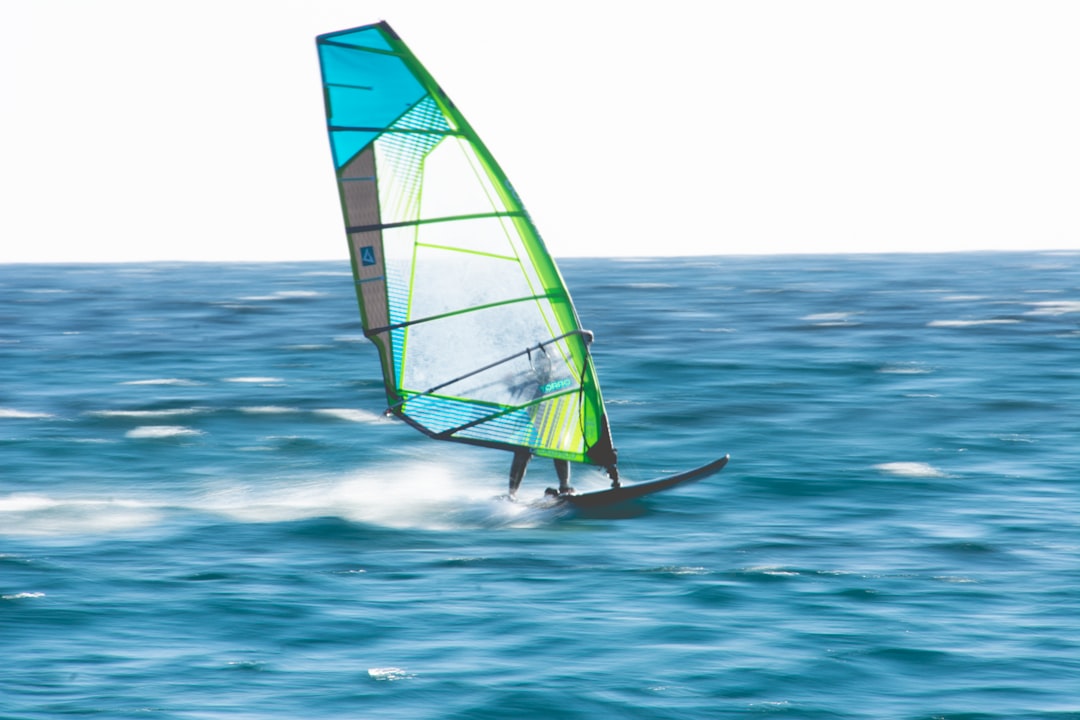
The Drake Passage, a body of water situated between the southern tip of South America and Antarctica, is renowned for its tumultuous seas and unpredictable weather patterns. This narrow stretch of ocean, measuring approximately 800 kilometers (500 miles) wide, serves as a critical conduit for maritime traffic between the Atlantic and Pacific Oceans. Its unique geographical position contributes to the formation of some of the most challenging sailing conditions in the world.
The confluence of the cold waters from the Southern Ocean and the warmer currents from the Atlantic creates a volatile environment that can shift from calm to chaotic in a matter of moments. The passage is not only significant for its navigational importance but also for its ecological richness. It is home to a diverse array of marine life, including whales, seals, and various seabird species.
However, the beauty of this region is often overshadowed by its reputation for extreme weather conditions. Sailors and researchers alike must respect the Drake Passage’s power, as it can quickly transform from a serene expanse into a treacherous arena of towering waves and fierce winds. Understanding the dynamics of this waterway is essential for anyone planning to traverse its waters.
Key Takeaways
- The Drake Passage is a narrow stretch of water between South America’s Cape Horn and the South Shetland Islands of Antarctica, known for its extreme weather conditions and strong winds.
- Extreme wind speeds in the Drake Passage pose significant dangers to ships, including the risk of capsizing and structural damage.
- Proper preparation for a journey through the Drake Passage involves thorough safety briefings, securing loose items, and ensuring all equipment is in good working condition.
- Navigating the Drake Passage presents challenges such as unpredictable currents, icebergs, and limited visibility due to fog and storms.
- Safety measures for extreme wind speeds include reducing speed, altering course, and ensuring all passengers and crew are wearing appropriate safety gear.
The Dangers of Extreme Wind Speeds
Extreme wind speeds in the Drake Passage pose significant dangers to vessels navigating through its waters. Winds can reach speeds exceeding 100 kilometers per hour (62 miles per hour), creating massive waves that can rise to heights of 15 meters (49 feet) or more. Such conditions not only threaten the structural integrity of ships but also endanger the lives of crew members and passengers on board.
The sheer force of these winds can lead to capsizing, loss of control, and severe injuries, making it imperative for mariners to be acutely aware of weather forecasts and wind patterns before embarking on their journey. Moreover, the psychological impact of navigating through such extreme conditions cannot be underestimated. The fear and anxiety that accompany high winds can affect decision-making and overall morale on board.
Crew members may find themselves grappling with stress and fatigue as they work tirelessly to maintain control of the vessel amidst the chaos. This combination of physical danger and psychological strain underscores the importance of preparation and awareness when traversing the Drake Passage.
Preparing for the Journey

Preparation is key when it comes to navigating the unpredictable waters of the Drake Passage. Mariners must equip themselves with comprehensive knowledge about the region’s weather patterns, potential hazards, and necessary safety protocols. This preparation begins long before setting sail; it involves studying historical weather data, consulting with experienced sailors, and understanding the capabilities and limitations of their vessel.
A well-prepared crew is more likely to respond effectively to sudden changes in weather conditions, ensuring a safer journey. In addition to knowledge, physical preparation is equally important. Vessels should be outfitted with appropriate safety gear, including life jackets, emergency beacons, and first aid kits.
Regular maintenance checks are essential to ensure that all equipment is functioning properly. Crew members should also engage in training exercises that simulate emergency scenarios, allowing them to practice their responses in a controlled environment. By fostering a culture of preparedness, crews can enhance their confidence and resilience when faced with the challenges posed by extreme wind speeds in the Drake Passage.
Navigational Challenges
| Location | Number of Navigational Challenges | Severity |
|---|---|---|
| City A | 25 | High |
| City B | 15 | Medium |
| City C | 30 | Low |
Navigating through the Drake Passage presents a myriad of challenges that extend beyond just dealing with high winds. The region is characterized by strong currents, shifting tides, and unpredictable weather patterns that can change rapidly. These factors complicate navigation, making it difficult for even experienced sailors to maintain a steady course.
The presence of icebergs and other obstacles further adds to the complexity, requiring constant vigilance and adaptability from those on board. Additionally, the lack of reliable landmarks in this vast expanse of water can disorient sailors, particularly during periods of low visibility caused by fog or heavy rain. Modern navigational tools such as GPS systems and radar can assist in charting a course; however, they are not infallible.
Mariners must remain adept at traditional navigation techniques, including celestial navigation and dead reckoning, to ensure they can safely traverse this challenging waterway even when technology fails.
Safety Measures for Extreme Wind Speeds
Implementing effective safety measures is crucial for mitigating the risks associated with extreme wind speeds in the Drake Passage. One fundamental strategy involves establishing clear communication protocols among crew members. Regular updates on weather conditions and any changes in sailing plans should be communicated promptly to ensure everyone is on the same page.
This transparency fosters teamwork and allows for quick decision-making in response to emerging threats. Another vital safety measure is conducting regular drills that prepare crew members for emergencies related to high winds. These drills should cover various scenarios, including man-overboard situations, loss of power, and damage control procedures.
By practicing these responses in advance, crews can build confidence and improve their ability to act decisively when faced with real-life challenges. Additionally, vessels should be equipped with advanced stabilization technology that can help counteract the effects of high winds and rough seas, enhancing overall safety during transit.
The Impact of Wind Speeds on Travel Time

Wind speeds in the Drake Passage can significantly impact travel time for vessels attempting to navigate through its waters. High winds can create rough seas that slow down progress, forcing ships to reduce their speed for safety reasons. In some cases, vessels may need to alter their course entirely or even delay their journey until conditions improve.
This unpredictability can lead to extended travel times, which can have logistical implications for both commercial shipping operations and research expeditions. Moreover, the impact of wind speeds on travel time extends beyond just immediate delays; it can also affect scheduling and resource allocation for future voyages. For instance, shipping companies may need to adjust their timetables or allocate additional resources to account for potential delays caused by adverse weather conditions.
Understanding these dynamics is essential for effective planning and management in maritime operations involving the Drake Passage.
Strategies for Coping with High Winds
Coping with high winds while navigating the Drake Passage requires a combination of strategic planning and real-time decision-making. One effective strategy involves adjusting sail configurations to minimize wind resistance while maximizing control over the vessel’s movement. By reducing sail area during extreme wind events, sailors can decrease the likelihood of capsizing or losing control while still maintaining forward momentum.
Another important strategy is to monitor weather forecasts closely and remain flexible with travel plans. If conditions are forecasted to worsen significantly, it may be prudent to delay departure or seek shelter in a safe harbor until conditions improve. Additionally, maintaining an open line of communication with other vessels in the area can provide valuable insights into changing weather patterns and potential hazards ahead.
Technology and Wind Speed Monitoring
Advancements in technology have revolutionized how sailors monitor wind speeds and weather conditions in challenging environments like the Drake Passage. Modern vessels are often equipped with sophisticated meteorological instruments that provide real-time data on wind speed, direction, temperature, and atmospheric pressure. This information allows crews to make informed decisions about navigation and safety measures based on current conditions.
Furthermore, satellite technology has enhanced long-range weather forecasting capabilities, enabling sailors to anticipate changes in wind patterns before they set sail. Mobile applications and online platforms provide access to up-to-date weather information, allowing mariners to stay informed about potential storms or high wind events as they approach the passage. By leveraging these technological advancements, sailors can enhance their situational awareness and improve their overall safety while navigating through one of the world’s most challenging maritime environments.
Historical Incidents of Extreme Wind Speeds in the Drake Passage
The history of maritime navigation through the Drake Passage is marked by numerous incidents involving extreme wind speeds that have led to tragic outcomes. One notable event occurred in 1982 when a research vessel encountered unexpectedly high winds while conducting studies in the region. The vessel capsized due to towering waves generated by gusts exceeding 90 kilometers per hour (56 miles per hour), resulting in significant loss of life and highlighting the dangers inherent in this waterway.
Another infamous incident took place in 2004 when a cruise ship was caught in a severe storm while traversing the passage. The vessel experienced extreme rolling due to high winds and rough seas, leading to injuries among passengers and crew members alike. These historical incidents serve as stark reminders of the unpredictable nature of the Drake Passage and underscore the importance of preparedness and caution when navigating its waters.
Expert Advice for Dealing with Extreme Wind Speeds
Experts emphasize that dealing with extreme wind speeds in the Drake Passage requires a proactive approach rooted in preparation and adaptability. They recommend that sailors familiarize themselves with local weather patterns and historical data specific to their intended travel dates. Understanding seasonal variations can provide valuable insights into what conditions may be expected during a voyage.
Additionally, experts advise maintaining a flexible itinerary that allows for adjustments based on real-time weather updates. This flexibility can be crucial in avoiding dangerous situations caused by sudden changes in wind speed or direction.
The Future of Navigating the Drake Passage in Extreme Wind Conditions
As climate change continues to influence global weather patterns, navigating the Drake Passage may become increasingly complex due to shifting wind patterns and more frequent extreme weather events. Researchers are actively studying these changes to better understand their implications for maritime navigation in this critical region.
Moreover, advancements in vessel design may lead to innovations that improve stability and safety during extreme wind events. As technology continues to evolve, it is expected that new materials and engineering techniques will enhance ship resilience against harsh conditions encountered in the Drake Passage. Ultimately, a combination of improved forecasting capabilities, advanced vessel technology, and ongoing education will shape the future landscape of navigating this challenging waterway amidst extreme wind conditions.
The Drake Passage, known for its notoriously strong winds and turbulent seas, is a critical area for understanding global ocean currents and climate patterns. An article on MyGeoQuest delves into the dynamics of this region, exploring how wind speeds in the Drake Passage influence ocean circulation and weather systems. For more detailed insights, you can read the full article by visiting MyGeoQuest’s page on the Drake Passage. This resource provides valuable information on the environmental significance of this passage and its impact on global climate.
WATCH NOW! Drake Passage: Earth’s Deadliest Waters Revealed
FAQs
What is the Drake Passage?
The Drake Passage is the body of water between the southern tip of South America and the northern tip of the Antarctic Peninsula. It is known for its rough seas and strong winds.
What are the wind speeds in the Drake Passage?
The wind speeds in the Drake Passage can reach up to 50 knots (57 mph) on average, with gusts reaching even higher speeds. These strong winds are due to the unimpeded flow of air around the Antarctic continent.
Why are the wind speeds in the Drake Passage so high?
The high wind speeds in the Drake Passage are primarily due to the lack of landmasses to obstruct the flow of air around the Antarctic continent. This creates a continuous and powerful wind pattern in the region.
How do the high wind speeds in the Drake Passage affect the area?
The high wind speeds in the Drake Passage contribute to the rough and turbulent seas in the region, making it one of the most challenging maritime routes in the world. These winds also play a role in the region’s unique climate and ecosystem.