
The Drake Passage, a body of water situated between the southern tip of South America and Antarctica, is renowned for its tumultuous seas and breathtaking vistas. Spanning approximately 600 kilometers, this passage serves as a critical maritime route for vessels traveling to and from the Antarctic region. Named after the English explorer Sir Francis Drake, who navigated these waters in the late 16th century, the Drake Passage is often characterized by its unpredictable weather patterns and strong currents.
This unique geographical feature not only connects two major landmasses but also plays a significant role in the global climate system.
The confluence of the Atlantic and Pacific Oceans creates a dynamic environment where waves can reach staggering heights, and winds can whip up to gale force.
For many travelers, crossing the Drake Passage is a rite of passage, marking the beginning of their Antarctic journey. The experience is not merely about reaching a destination; it is about embracing the raw power of nature and the thrill of adventure that comes with traversing such a formidable stretch of ocean.
Key Takeaways
- The Drake Passage is a body of water between South America’s Cape Horn and the South Shetland Islands of Antarctica, known for its rough seas and challenging sailing conditions.
- Weather and climate in the Drake Passage can be unpredictable, with strong winds, high waves, and rapidly changing conditions, making it important for travelers to be prepared for all types of weather.
- Peak season for Drake Passage cruises is during the austral summer (November to March), while shoulder season offers lower prices and fewer crowds, but also more challenging weather conditions.
- Wildlife spotting opportunities in the Drake Passage include sightings of whales, seals, penguins, and various seabird species, making it a popular destination for nature enthusiasts and wildlife photographers.
- Safety precautions and emergency protocols are crucial for Drake Passage cruises, as the challenging conditions require experienced crew and well-equipped vessels to ensure the safety of passengers.
Weather and Climate Considerations
The weather in the Drake Passage can be notoriously unpredictable, making it essential for travelers to be well-informed before embarking on their journey. The region experiences a maritime climate, characterized by cool temperatures and frequent storms. During the summer months, which typically span from November to March, temperatures can range from 0°C to 10°C (32°F to 50°F).
However, even during this peak season, sudden weather changes can occur, leading to rough seas and challenging conditions. Travelers should be prepared for a variety of weather scenarios when crossing the Drake Passage. Fog, rain, and strong winds are common occurrences, and it is not unusual for passengers to experience both sunshine and snow within a single day.
Understanding these climatic nuances is crucial for ensuring a safe and enjoyable voyage. It is advisable for travelers to monitor weather forecasts closely and remain flexible with their plans, as conditions can change rapidly in this remote part of the world.
When planning a cruise through the Drake Passage, understanding the differences between peak season and shoulder season can significantly impact the overall experience. The peak season for Antarctic cruises typically runs from late December to early February. During this time, travelers can expect milder weather, longer daylight hours, and an abundance of wildlife activity.
This period is particularly popular among tourists seeking to witness the stunning landscapes and diverse ecosystems that Antarctica has to offer. Conversely, shoulder season—encompassing late November to early December and late February to early March—offers its own unique advantages. While the weather may be less predictable during these months, travelers can benefit from fewer crowds and potentially lower prices.
Additionally, shoulder season provides opportunities for unique wildlife sightings, such as penguin chicks hatching or whales migrating back north. For those willing to embrace a bit of uncertainty in exchange for a more intimate experience with nature, shoulder season can be an appealing option.
Wildlife Spotting Opportunities
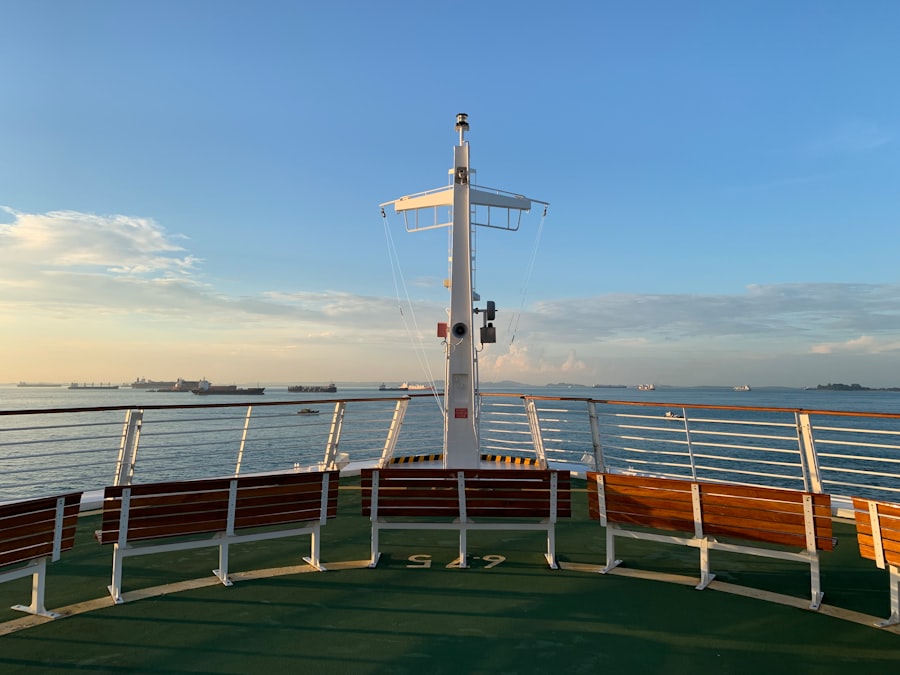
One of the most compelling reasons to embark on a cruise through the Drake Passage is the chance to encounter an array of wildlife in their natural habitats. The waters surrounding this passage are teeming with life, including various species of seals, whales, and seabirds. Travelers may have the opportunity to spot majestic humpback whales breaching the surface or playful orcas swimming alongside their vessels.
The sight of these magnificent creatures in their natural environment is often a highlight for many adventurers. In addition to marine life, the islands and shores of Antarctica are home to numerous bird species and colonies of penguins. Travelers can expect to see Gentoo, Adélie, and Emperor penguins waddling along icy shores or diving into frigid waters in search of food.
Birdwatchers will delight in spotting albatrosses gliding gracefully overhead or skuas hunting for their next meal. The diversity of wildlife in this region makes every crossing through the Drake Passage an exhilarating experience filled with opportunities for unforgettable encounters.
Safety Precautions and Emergency Protocols
| Category | Metric | Value |
|---|---|---|
| Safety Precautions | Fire Extinguishers | 20 |
| Safety Precautions | Emergency Exits | 4 |
| Emergency Protocols | Evacuation Drills | Monthly |
| Emergency Protocols | First Aid Kits | 10 |
Given the unpredictable nature of the Drake Passage, safety precautions are paramount for all travelers embarking on this journey. Cruise operators typically conduct thorough safety briefings before departure, outlining emergency protocols and procedures for passengers. It is essential for travelers to pay close attention during these briefings and familiarize themselves with safety equipment onboard, such as life jackets and emergency rafts.
In addition to understanding emergency protocols, travelers should also take personal safety measures seriously. This includes dressing appropriately for the conditions—layering clothing to accommodate fluctuating temperatures—and being mindful of their surroundings while on deck. The crew is trained to handle emergencies effectively; however, passengers should remain vigilant and follow instructions at all times to ensure a safe crossing through these challenging waters.
Cruise Itinerary Options
Cruise itineraries through the Drake Passage vary widely depending on the operator and specific voyage chosen. Some itineraries focus on direct crossings to Antarctica, while others may include stops at various islands along the way. Popular destinations include the South Shetland Islands and the Antarctic Peninsula, where travelers can explore stunning landscapes and engage in activities such as kayaking or ice hiking.
Many cruise operators also offer themed itineraries that cater to specific interests, such as photography or wildlife observation. These specialized cruises often include expert guides who provide insights into the unique ecosystems encountered along the journey. Regardless of the chosen itinerary, each cruise through the Drake Passage promises breathtaking scenery and unforgettable experiences that will leave lasting memories.
Specialized Expedition Cruises

For those seeking a more immersive experience in Antarctica, specialized expedition cruises offer unique opportunities to explore this remote region in greater depth. These cruises often feature smaller vessels that allow for closer encounters with wildlife and more intimate exploration of remote areas. Expedition cruises typically include knowledgeable guides who share their expertise on local ecosystems, history, and geology.
Activities on specialized expedition cruises may include guided hikes on glaciers, zodiac excursions to explore icebergs up close, or even camping onshore for a night under the stars. These immersive experiences provide travelers with a deeper understanding of Antarctica’s fragile environment while fostering a sense of connection with nature that larger cruise ships may not offer.
Packing Tips for Drake Passage Cruises
Packing for a cruise through the Drake Passage requires careful consideration due to the region’s variable weather conditions. Travelers should prioritize layering clothing that can be easily added or removed as temperatures fluctuate throughout the day. Waterproof outer layers are essential for protection against wind and rain, while thermal base layers will help retain body heat during colder moments.
In addition to clothing, travelers should also pack essential gear such as binoculars for wildlife spotting, cameras for capturing stunning landscapes, and personal items like sunscreen and lip balm to protect against sun exposure—even in cooler temperatures. A good pair of waterproof boots is crucial for exploring wet shorelines or snowy terrain. By preparing adequately with appropriate gear, travelers can ensure they are comfortable and ready for any adventure that awaits them in this remarkable region.
Booking and Planning in Advance
Booking a cruise through the Drake Passage requires careful planning and consideration due to limited availability during peak season. Travelers are encouraged to start researching options well in advance—often several months or even a year ahead—to secure their desired itinerary and accommodations. Many cruise operators offer early booking discounts or promotions that can make planning ahead financially advantageous.
In addition to securing a spot on a cruise, travelers should also consider arranging additional activities or excursions that may enhance their experience. Whether it’s booking pre- or post-cruise accommodations in Ushuaia or planning guided tours in nearby areas, having a well-thought-out itinerary can maximize enjoyment during this once-in-a-lifetime journey.
Alternative Routes and Transportation Options
While crossing the Drake Passage is a popular choice for reaching Antarctica, there are alternative routes and transportation options available for adventurous travelers. Some cruise operators offer fly-cruise packages that allow passengers to bypass the rough waters altogether by flying directly to key destinations in Antarctica. This option can be particularly appealing for those who may be prone to seasickness or prefer a more direct route.
Additionally, some travelers may choose to explore other regions of South America before embarking on their Antarctic adventure. Destinations such as Patagonia or Tierra del Fuego offer stunning landscapes and rich cultural experiences that can complement an Antarctic cruise perfectly. By considering alternative routes and transportation options, travelers can create a more personalized journey that suits their interests.
The Experience of Crossing the Drake Passage
Crossing the Drake Passage is often described as an exhilarating experience that combines anticipation with awe-inspiring natural beauty. As vessels navigate through these storied waters, passengers are treated to breathtaking views of rugged coastlines and expansive ocean vistas that stretch as far as the eye can see. The thrill of encountering powerful waves and unpredictable weather adds an element of adventure that many travelers cherish.
For many adventurers, crossing the Drake Passage symbolizes not just a physical journey but also an emotional one—a transition from civilization into one of Earth’s last great wildernesses. The camaraderie formed among fellow passengers during this shared experience often leads to lasting friendships forged through mutual excitement and discovery. Ultimately, crossing the Drake Passage is more than just a means of transportation; it is an unforgettable chapter in an extraordinary adventure that leaves an indelible mark on all who dare to traverse its waters.
If you’re planning a trip to Antarctica, understanding the best time to cruise the Drake Passage is crucial for a smooth and enjoyable journey. The Drake Passage, known for its unpredictable weather and rough seas, can be more manageable during certain times of the year. For more insights on planning your Antarctic adventure, you might find this related article on MyGeoQuest helpful. It offers valuable tips and information to ensure you have the best experience possible while navigating this iconic stretch of water.
WATCH NOW! Drake Passage: Earth’s Deadliest Waters Revealed
FAQs
What is the best time to cruise the Drake Passage?
The best time to cruise the Drake Passage is during the austral summer, which runs from November to March. This is when the weather is milder and the seas are generally calmer, making for a more comfortable crossing.
Why is the austral summer the best time to cruise the Drake Passage?
During the austral summer, the weather in the Drake Passage is relatively mild, with temperatures ranging from 0°C to 10°C (32°F to 50°F). The seas are also generally calmer during this time, making for a more pleasant and comfortable crossing.
What are the weather conditions like in the Drake Passage during the austral summer?
During the austral summer, the weather in the Drake Passage can be unpredictable, with a mix of sunshine, rain, and snow. However, temperatures are relatively mild, and the seas are generally calmer compared to other times of the year.
Are there any specific months within the austral summer that are better for cruising the Drake Passage?
November and December are considered to be the best months for cruising the Drake Passage, as the seas are generally calmer during this time. However, January to March also offer favorable conditions for cruising the passage.
What should I consider when planning a cruise through the Drake Passage?
When planning a cruise through the Drake Passage, it’s important to consider the weather conditions, the size and stability of the ship, and your own tolerance for rough seas. It’s also advisable to consult with a travel agent or cruise operator for the most up-to-date information on the best time to cruise the passage.