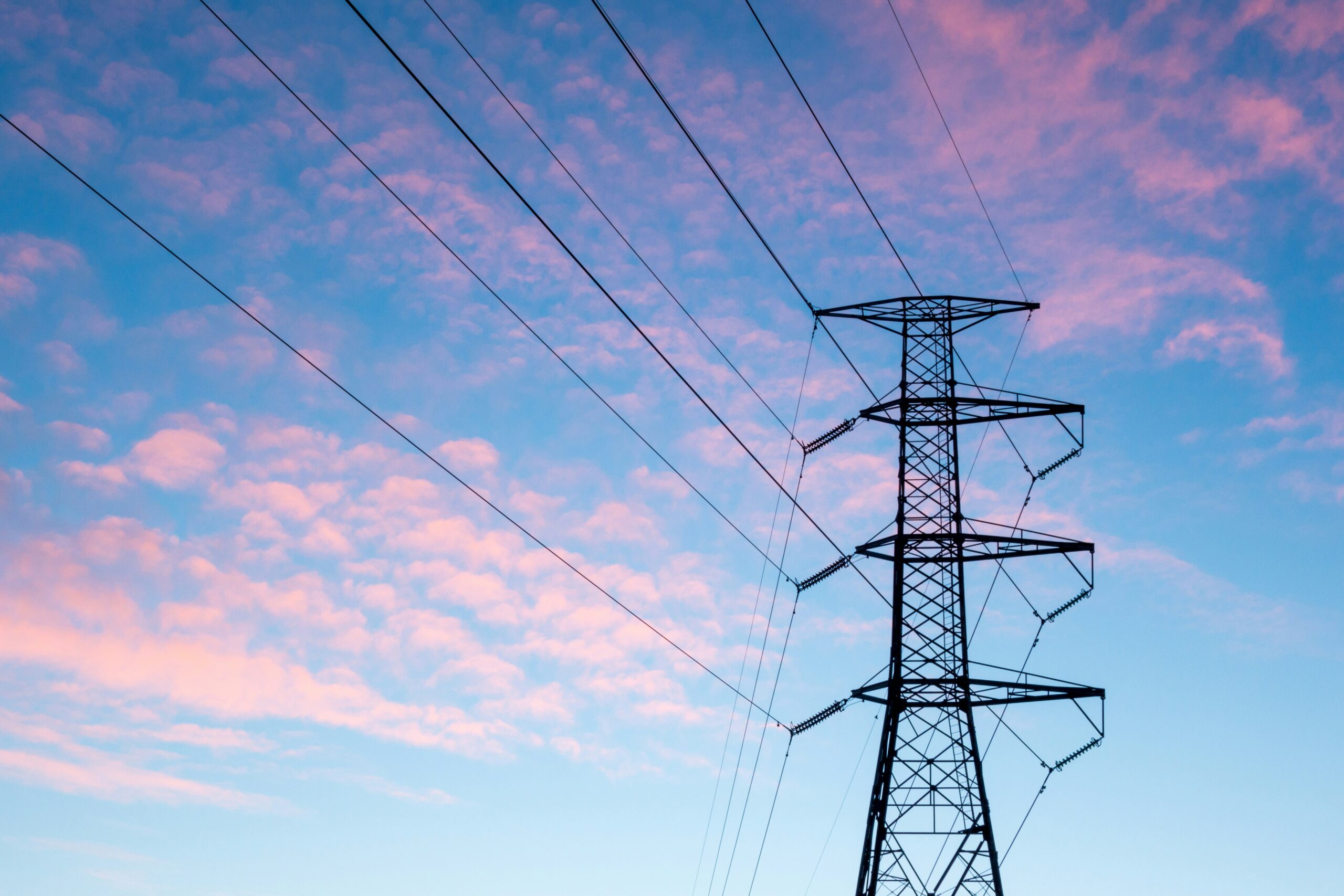
The silent, unseen arteries of our modern world are the electric transmission lines. They crisscross landscapes, stretching from vast power plants to the homes and businesses that rely on electricity every moment of the day. Yet, for many, the intricate ballet of moving power across these colossal structures remains a mystery, a complex web of engineering and physics that is difficult to grasp. This article aims to demystify electric transmission, breaking down the process into easily understandable concepts, illuminating the essential role it plays in our interconnected society, and exploring the constant evolution that keeps our lights on.
Electricity doesn’t simply appear; it is generated through a variety of sources, each with its own unique characteristics and requirements for transmission. Understanding these origins is the first step in appreciating the journey of electrical power.
Harnessing Nature’s Might: Renewable Energy Sources
The push towards sustainability has placed renewable energy sources at the forefront of power generation. While these sources offer environmental benefits, they also present unique challenges for transmission.
Solar Power: The Sun’s Abundant Gift
Solar farms, sprawling arrays of photovoltaic panels, capture sunlight and convert it into usable electricity. The direct current (DC) produced by solar panels must typically be converted to alternating current (AC) before it can be efficiently transmitted over long distances. Locations of major solar generation can be geographically dispersed, often in sunny regions far from population centers, necessitating robust transmission infrastructure to bring this clean energy to where it’s needed.
Wind Power: Dancing with the Breezes
Wind turbines, elegant giants of the plains and offshore waters, harness the kinetic energy of wind. Like solar, wind turbines generate electricity that often needs to be conditioned for transmission. The intermittent nature of wind also presents a challenge – its availability fluctuating with weather patterns. This variability requires grid operators to have flexible transmission systems capable of managing unpredictable influxes and shortfalls of power. Developing new transmission lines to connect remote wind farms to existing grids is a significant undertaking.
Hydropower: The Force of Flowing Water
Hydroelectric dams, harnessing the power of falling water, have been a cornerstone of electricity generation for decades. These large-scale facilities often have predictable power output, making them a reliable baseload source. However, the ideal locations for hydropower dams are often in mountainous or remote areas, requiring extensive transmission infrastructure to connect them to demand centers. Environmental concerns and the impact on river ecosystems are also factors that influence the development and accessibility of hydropower.
Traditional Power Generation: The Steadfast Pillars
While the focus shifts to renewables, traditional power plants, fueled by fossil fuels or nuclear energy, continue to provide a significant portion of our electricity. These sources typically offer more stable and predictable power output.
Fossil Fuel Power Plants: Combustion for Kilowatts
Coal, natural gas, and oil-fired power plants generate electricity through combustion, heating water to create steam that drives turbines connected to generators. These plants are often located closer to fuel sources or demand centers, but their operational flexibility and transmission requirements still need to be considered within the broader grid. The environmental impact of burning fossil fuels is a key driver for the transition to cleaner energy sources.
Nuclear Power: The Atom’s Potent Energy
Nuclear power plants utilize nuclear fission to generate heat, which then produces steam to drive turbines. These facilities are capable of producing large amounts of electricity reliably and with low greenhouse gas emissions during operation. However, the significant upfront costs and long construction times, along with concerns about waste disposal and safety, are important considerations. Nuclear power plants are typically large, centralized facilities, requiring robust transmission connections to distribute their substantial output.
Electric transmission is a critical component of modern energy systems, enabling the efficient transfer of electricity from generation sites to consumers. For a deeper understanding of how electric transmission works and its significance in the energy landscape, you can explore this informative article: Electric Transmission Explained. This resource provides insights into the technologies involved, the challenges faced, and the future of electric transmission in a rapidly evolving energy market.
The Crucial Journey: Moving Power Across the Grid
Once electricity is generated, it embarks on a remarkable journey across the vast network of transmission lines. This process is not as simple as plugging into an outlet; it involves several critical steps to ensure efficiency and safety.
Stepping Up the Voltage: The Role of Transformers
The electricity generated at power plants is typically at a relatively low voltage. To transmit this electricity efficiently over long distances, its voltage must be significantly increased. This is the primary role of step-up transformers.
Why Higher Voltage? Minimizing Energy Loss
The fundamental principle here is Ohm’s Law and the concept of power loss due to resistance. As electricity flows through a conductor, some energy is converted into heat. This energy loss is proportional to the square of the current and the resistance of the wire. By increasing the voltage, the current can be proportionally decreased for the same amount of power. Imagine trying to push a large volume of water through a narrow pipe – it requires a lot of force. Similarly, a high current flowing through a wire creates significant resistance and energy loss. By significantly increasing the voltage, the current needed to deliver the same amount of power is drastically reduced, thereby minimizing energy lost as heat during transmission. This is akin to widening the pipe to allow the water to flow more easily with less resistance.
The Mechanics of Transformation: Transformers Explained
Transformers are ingenious electromagnetic devices that work on the principle of mutual induction. They consist of two or more coils of wire wound around a common iron core. When an alternating current flows through the primary coil, it creates a fluctuating magnetic field in the iron core. This changing magnetic field then induces a voltage in the secondary coil. By altering the number of turns in the primary and secondary coils, the voltage can be either increased (step-up) or decreased (step-down). For transmission, the voltage is “stepped up” to hundreds of thousands of volts, making the journey across the country economically feasible.
The Transmission Lines Themselves: Conductors of Power
The iconic towers and wires that span our landscapes are the physical conduits for this electricity. Their design and construction are crucial for reliable power delivery.
High-Voltage Conductors: The Wires That Carry Power
The conductors themselves are typically made of aluminum or copper, chosen for their excellent electrical conductivity and relatively low weight. To minimize their resistance and maximize their carrying capacity, these conductors are often stranded, with multiple smaller wires bundled together. This design also helps to reduce the effects of “skin effect,” where alternating current tends to flow more on the outer surface of a conductor. The sheer scale of these conductors is impressive, designed to carry immense amounts of electrical energy safely.
The Giants of the Sky: Transmission Towers
Transmission towers, often towering hundreds of feet into the air, provide the necessary structural support for the high-voltage conductors. They are designed to withstand extreme weather conditions, including high winds, ice loading, and even earthquakes in some regions. The spacing between towers is determined by factors such as the length of the cables, the terrain, and safety regulations. The robust engineering of these towers ensures that the transmission lines remain stable and secure, preventing costly outages.
Insulators: Keeping Danger at Bay
Crucial to the safety and functionality of transmission lines are the insulators. These are made of materials like porcelain or glass, which are excellent electrical insulators. They prevent the high-voltage current from flowing into the supporting towers and grounding out. Large, often multi-disc insulators are used for high-voltage lines, providing a significant barrier to electricity’s undesirable path. The electrical “breakdown” strength of these insulators is paramount, ensuring they can withstand the immense electrical pressure without failing.
Balancing the Load: Ensuring a Steady Flow
The demand for electricity is rarely constant. It fluctuates throughout the day, the week, and the year, driven by factors like weather, industrial activity, and daily routines. Transmission systems must be able to manage these variations to maintain a stable and reliable power supply.
The Concept of Grid Stability: A Delicate Equilibrium
Grid stability refers to the ability of the power grid to remain synchronized and operational under varying conditions. This involves maintaining a balance between the amount of electricity being generated and the amount being consumed. Any significant imbalance can lead to voltage fluctuations, frequency deviations, and ultimately, widespread power outages. Imagine a juggler trying to keep multiple balls in the air simultaneously – the transmission grid requires constant, precise adjustments to maintain equilibrium.
Frequency Control: The Rhythm of the Grid
The frequency of the alternating current is a critical indicator of grid stability. In many parts of the world, the standard frequency is 60 Hertz (Hz) or 50 Hz. If the generation slightly exceeds consumption, the frequency will rise, and if consumption exceeds generation, the frequency will fall. Grid operators constantly monitor and adjust the output of power plants to keep the frequency within a very tight tolerance. Unexpected large demand surges or the sudden loss of a major generator can cause the frequency to drop rapidly, triggering protective mechanisms to prevent a cascade failure.
Voltage Regulation: Maintaining the Right Pressure
Voltages must also be kept within acceptable limits throughout the transmission and distribution system. Both over-voltage and under-voltage conditions can damage electrical equipment and disrupt service. Voltage is managed through a combination of transformer tap changers, capacitor banks, and reactive power compensators, which all play a role in adjusting the voltage levels at different points in the grid.
Navigating Challenges: The Obstacles in Transmission

The task of transmitting electricity is not without its significant challenges. From geographical barriers to the sheer complexity of managing such a vast network, overcoming these obstacles is a continuous effort.
Geographical Hurdles: Crossing Land and Sea
The ideal locations for power generation are not always near where people live and work. This necessitates transmitting electricity across vast distances, often over difficult terrain.
Mountains and Valleys: Engineering for the Terrain
Transmitting electricity across mountainous regions requires robust tower designs capable of handling steep inclines and varying soil conditions. Special foundation engineering is often required, and the routing of lines must carefully consider avalanche zones, rockfalls, and other natural hazards. The visual impact of transmission lines in pristine natural landscapes also presents an ongoing challenge, leading to ongoing debates about the aesthetic and environmental considerations of new infrastructure.
Crossing Water Bodies: Submarine Cables and Aerial Crossings
When transmission lines need to cross rivers, lakes, or even oceans, sophisticated engineering solutions are employed. Submarine cables are specially designed to withstand the pressure and corrosive environment of underwater installations. For wider bodies of water, extremely long-span towers might be erected on artificial islands or the seabed. Aerial crossings via high-tension cables strung between massive towers are also common.
Weather’s Full Force: The Impact of Nature
Extreme weather events pose a constant threat to the integrity of transmission lines. From powerful winds to icy conditions, nature can significantly disrupt the flow of electricity.
Lightning Strikes: A Direct Threat
Lightning, a naturally occurring electrical discharge, can directly strike transmission lines and towers, causing surges in voltage and current. While transmission systems are designed with lightning arresters and the conductors themselves are grounded, severe strikes can still cause damage and outages. The design of towers and the placement of grounding wires are critical in mitigating these risks.
Ice and Wind Loads: The Weight of the Elements
In colder climates, ice accumulation on transmission lines can significantly increase their weight, leading to sagging and potential breakage. High winds can also cause the lines to sway and vibrate, a phenomenon known as aeolian vibration, which can lead to fatigue and failure over time. Protective measures include specialized conductor designs to shed ice and dynamic line rating systems that adjust the maximum allowable power flow based on real-time weather conditions.
Aging Infrastructure: The Need for Modernization
Much of the existing transmission infrastructure in developed countries was built decades ago. While it has served us well, it is increasingly showing its age, leading to increased maintenance needs and a greater susceptibility to failures.
Historical Context: Building for a Different Era
When many of these lines were constructed, electricity demand was lower, and the grid was less interconnected. The technological capabilities of the time also influenced design choices. Today’s demands for higher capacity, greater reliability, and the integration of diverse energy sources require a modernization of this aging infrastructure.
The Cost of Upgrades: Balancing Investment and Need
Upgrading or replacing aging transmission lines is a significant financial undertaking. The process involves extensive planning, permitting, and construction, often impacting communities along the route. Balancing the economic realities of these upgrades with the need for a resilient and modern grid is a constant challenge for utilities and regulatory bodies.
The Evolving Landscape: Innovation in Transmission

The field of electric transmission is not static. Continuous innovation is driving improvements in efficiency, reliability, and the ability to integrate new energy sources.
Smart Grid Technologies: The Future of Power Delivery
The concept of the “smart grid” represents a fundamental shift in how electricity is managed and delivered. It involves the integration of digital communication and control technologies throughout the entire power system.
Enhanced Monitoring and Control: Real-Time Insights
Smart grids provide real-time data on the flow of electricity, voltage levels, and potential issues across the network. This allows grid operators to identify and respond to problems much more quickly, often before they cause widespread outages. Advanced sensors and communication networks enable a level of situational awareness never before possible.
Automated Responses and Self-Healing Capabilities: Preventing Outages
With advanced diagnostics and control systems, smart grids can automatically reroute power in response to faults and even isolate problem areas to prevent cascading failures. This “self-healing” capability significantly enhances the resilience of the power system, ensuring that power remains available even in the face of disruptions. Imagine the grid being able to fix itself without human intervention.
High-Voltage Direct Current (HVDC): A Powerful Alternative
While alternating current (AC) has been the standard for transmission for over a century, High-Voltage Direct Current (HVDC) technology offers distinct advantages in certain scenarios.
Efficiency Over Long Distances: Minimizing Reactance Loss
HVDC transmission is particularly efficient for transmitting large amounts of power over very long distances, such as hundreds or even thousands of miles. Unlike AC, there is no reactive power loss in DC transmission, meaning more of the energy sent is delivered to its destination. This makes it ideal for connecting remote renewable energy sources to distant load centers.
Connecting Asynchronous Grids: Bridging Different Systems
HVDC lines can also be used to connect two AC grids that are not synchronized, or that operate at different frequencies. This allows for greater inter-regional power trading and provides an additional layer of flexibility and reliability to the overall power system. For example, it can enable the transfer of power between countries with different grid standards.
Advanced Materials and Designs: Pushing the Boundaries
Researchers and engineers are constantly exploring new materials and design principles to improve the performance and capacity of transmission infrastructure.
Composite Core Conductors: Lighter and Stronger
New conductor technologies, such as those with a composite core (e.g., carbon fiber), offer increased strength and reduced weight compared to traditional conductors. This allows for longer spans between towers, potentially reducing the environmental footprint and visual impact of new lines, as well as enabling the upgrade of existing lines to carry more power without replacing towers.
Dynamic Line Rating: Maximizing Capacity
The traditional way of rating transmission lines has been based on worst-case-scenario conditions. Dynamic Line Rating (DLR) uses real-time weather data and sensor technology to determine the actual capacity of a transmission line at any given moment. This allows grid operators to push more power through existing lines when conditions are favorable, effectively increasing the capacity of the existing grid without building new ones. This is a crucial step in maximizing the utilization of our current transmission assets.
Electric transmission is a crucial aspect of modern energy systems, enabling the efficient transfer of electricity from power plants to consumers. For those looking to deepen their understanding of this topic, a related article can be found on MyGeoQuest, which explores the intricacies of electric transmission and its impact on renewable energy integration. You can read more about it in this informative piece here. This resource provides valuable insights into the technology and infrastructure that support our electrical grid.
The Future of Power: A Connected and Sustainable Tomorrow
| Aspect | Explanation |
|---|---|
| Electric Transmission | The process of transporting electricity from power plants to substations and then to the end users. |
| Transmission Lines | High-voltage lines that carry electricity over long distances with minimal loss. |
| Substations | Facilities that transform electricity from high voltage to lower voltage for distribution. |
| Grid Reliability | The ability of the transmission system to deliver electricity consistently and without interruptions. |
The electric transmission system is the backbone of our modern, interconnected world. As we navigate the complexities of energy transition, climate change, and increasing demand, the continuous evolution of transmission technology will be paramount. By demystifying this essential infrastructure, we gain a deeper appreciation for the engineering marvel that brings light, warmth, and power to our lives, and we can better understand the critical role it will play in shaping a sustainable and electrified future. The silent giants that span our horizons are not just wires and towers; they are the vital arteries that power our progress.

The Hidden Weakness in America’s Power Grid
FAQs
What is electric transmission?
Electric transmission is the process of transporting electricity from power plants to substations and then to the end users, such as homes and businesses. This is typically done through a network of power lines and transformers.
How does electric transmission work?
Electric transmission works by using high-voltage power lines to transport electricity over long distances with minimal loss. The electricity is generated at power plants, then stepped up to high voltages for efficient transmission. At substations, the voltage is stepped down for distribution to end users.
What are the components of an electric transmission system?
The main components of an electric transmission system include power plants, transformers, substations, and power lines. Power plants generate electricity, which is then transmitted through high-voltage power lines to substations. Transformers are used to step up or step down the voltage as needed.
Why is electric transmission important?
Electric transmission is important because it allows electricity to be transported from where it is generated to where it is needed. This enables the efficient distribution of electricity to homes, businesses, and industries, supporting economic growth and quality of life.
What are the challenges of electric transmission?
Challenges of electric transmission include the need for continuous maintenance and upgrades to aging infrastructure, as well as the siting and permitting of new transmission lines. Additionally, ensuring grid reliability and resilience in the face of extreme weather events and cyber threats is an ongoing challenge for electric transmission systems.