
The Drake Passage, a body of water situated between the southern tip of South America and Antarctica, serves as a critical maritime corridor for explorers, scientists, and adventurers alike. Named after the English sea captain Sir Francis Drake, who navigated these treacherous waters in the late 16th century, the passage is renowned for its tumultuous seas and unpredictable weather patterns. Stretching approximately 800 kilometers (500 miles) wide, it connects the Atlantic and Pacific Oceans, making it a vital route for maritime traffic.
The Drake Passage is not only a geographical landmark but also a gateway to one of the most remote and pristine regions on Earth. This passage has long captured the imagination of those drawn to the allure of the Antarctic. Its significance extends beyond mere navigation; it is a crucial area for understanding oceanic currents, climate patterns, and marine biodiversity.
The Drake Passage is often regarded as the “Sailing Highway to Antarctica,” where adventurers embark on journeys to explore the icy continent’s breathtaking landscapes and unique ecosystems. As such, it stands as a testament to human curiosity and the relentless pursuit of knowledge about our planet’s most enigmatic regions.
Key Takeaways
- The Drake Passage is a body of water between South America’s Cape Horn and the South Shetland Islands of Antarctica, known for its rough seas and challenging weather conditions.
- The significance of the Drake Passage in Antarctic exploration lies in its role as the main gateway for ships traveling to and from the Antarctic Peninsula, making it a crucial route for scientific research and exploration.
- The unique weather and sea conditions of the Drake Passage are characterized by strong winds, large waves, and rapidly changing weather, creating a challenging environment for sailors and researchers.
- The Drake Passage is home to a diverse range of wildlife and marine life, including seabirds, penguins, seals, and whales, making it a popular destination for wildlife enthusiasts and nature lovers.
- Historical expeditions and exploration of the Drake Passage have played a significant role in shaping our understanding of Antarctica and its surrounding waters, with famous explorers like Sir Ernest Shackleton and Captain James Cook making notable voyages through the passage.
The significance of the Drake Passage in Antarctic exploration
The Drake Passage has played an instrumental role in the history of Antarctic exploration. For centuries, it has served as a gateway for explorers seeking to uncover the mysteries of the southernmost continent. The passage’s strategic location has made it a focal point for numerous expeditions, from early navigators to modern-day researchers.
Its waters have witnessed the daring voyages of legendary figures such as Ernest Shackleton and Robert Falcon Scott, who braved its fierce conditions in their quests for discovery. Moreover, the Drake Passage is significant for its contribution to scientific research. The unique oceanographic conditions found within this stretch of water have made it an ideal location for studying climate change, marine ecosystems, and ocean currents.
Researchers have utilized the passage as a natural laboratory to observe how these factors interact with one another and influence global weather patterns. As such, the Drake Passage has become synonymous with both adventure and scientific inquiry, embodying the spirit of exploration that drives humanity to seek knowledge about the world.
The unique weather and sea conditions of the Drake Passage

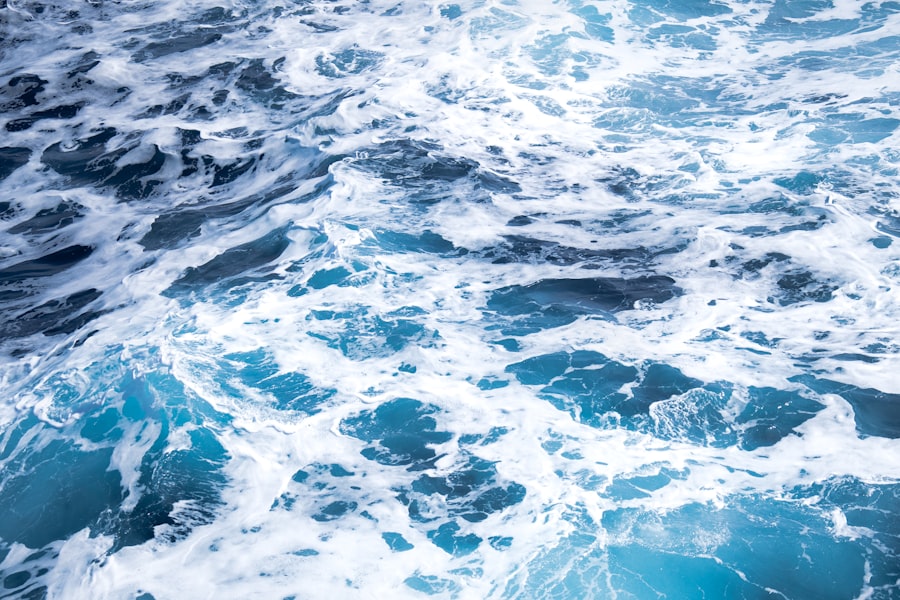
The weather and sea conditions in the Drake Passage are notoriously unpredictable, often described as some of the most challenging in the world. The convergence of cold polar waters from Antarctica and warmer currents from the Atlantic creates a volatile environment that can shift rapidly. Sailors navigating these waters must be prepared for sudden storms, towering waves, and fierce winds that can reach speeds of up to 60 knots.
This unpredictability has earned the passage its reputation as a formidable challenge for even the most seasoned mariners.
The mixing of different water masses fosters a rich marine environment that supports diverse species of fish, seabirds, and marine mammals.
However, these same conditions can pose risks to vessels traversing the passage. Navigators must remain vigilant and adaptable, as weather forecasts can change dramatically within hours. Understanding these dynamics is crucial for anyone attempting to cross this iconic maritime route.
Wildlife and marine life in the Drake Passage
| Category | Metrics |
|---|---|
| Whales | Several species of whales, including humpback, minke, and orca, can be found in the Drake Passage. |
| Penguins | Large colonies of penguins, such as the chinstrap, gentoo, and Adélie, inhabit the islands and shores of the Drake Passage. |
| Seals | Fur seals and elephant seals are commonly spotted in the waters and on the shores of the Drake Passage. |
| Albatross | The Drake Passage is home to several species of albatross, including the wandering albatross, which has the largest wingspan of any bird. |
The Drake Passage is teeming with wildlife, making it a haven for nature enthusiasts and researchers alike. The nutrient-rich waters support an abundance of marine life, including various species of fish, krill, and plankton that form the foundation of the Antarctic food web. This rich biodiversity attracts a plethora of seabirds, such as albatrosses and petrels, which can often be seen gliding gracefully above the waves.
These birds are not only a sight to behold but also play a vital role in maintaining the ecological balance of the region. In addition to avian life, the passage is home to several species of marine mammals, including seals and whales. Humpback whales, orcas, and minke whales are frequently spotted during expeditions, captivating observers with their majestic presence.
The presence of these creatures highlights the importance of the Drake Passage as a critical habitat for marine biodiversity. Conservation efforts are essential to protect these species and their habitats from potential threats posed by climate change and human activity.
Historical expeditions and exploration of the Drake Passage
The history of exploration in the Drake Passage is rich and varied, marked by tales of bravery and resilience. Early navigators faced immense challenges as they sought to chart these treacherous waters. Sir Francis Drake himself was one of the first Europeans to navigate through this passage in 1578 during his circumnavigation of the globe.
His journey opened up new possibilities for trade and exploration, paving the way for future expeditions. In the early 20th century, explorers such as Ernest Shackleton embarked on ambitious voyages through the Drake Passage in search of adventure and scientific discovery. Shackleton’s infamous Endurance expedition in 1914-1916 exemplified both the perilous nature of these waters and the indomitable spirit of human exploration.
His crew faced unimaginable hardships after their ship became trapped in ice, yet their survival story remains an enduring testament to human resilience in the face of adversity. These historical expeditions have left an indelible mark on our understanding of Antarctica and continue to inspire modern explorers.
Modern-day expeditions and tourism in the Drake Passage
In recent years, modern-day expeditions have transformed how people experience the Drake Passage. With advancements in technology and navigation, travelers can now embark on comfortable cruise ships equipped with state-of-the-art amenities while still experiencing the thrill of crossing this iconic waterway. Tour operators offer a range of itineraries that allow adventurers to explore not only the passage itself but also nearby destinations such as the South Shetland Islands and the Antarctic Peninsula.
Tourism in the Drake Passage has grown significantly, attracting thousands of visitors each year who seek to witness its breathtaking landscapes and unique wildlife. However, this increase in tourism also raises concerns about environmental sustainability and conservation efforts in such a fragile ecosystem. Responsible tourism practices are essential to ensure that future generations can continue to enjoy this remarkable region while minimizing human impact on its delicate environment.
Challenges and dangers of crossing the Drake Passage
Crossing the Drake Passage is not without its challenges and dangers. The unpredictable weather patterns can create hazardous conditions that test even experienced sailors’ skills. Sudden storms can arise without warning, leading to rough seas that can cause vessels to pitch and roll violently.
This unpredictability requires careful planning and preparation for anyone attempting to navigate these waters. Additionally, there are inherent risks associated with wildlife encounters in the passage. While sightings of whales and seals can be exhilarating, they also necessitate caution to avoid disturbing these animals or their habitats.
Navigators must remain vigilant and adhere to guidelines designed to protect both wildlife and human safety during crossings. Understanding these challenges is crucial for ensuring a safe and successful journey through this remarkable maritime corridor.
Research and scientific studies conducted in the Drake Passage
The Drake Passage serves as a vital site for scientific research aimed at understanding climate change, oceanography, and marine ecosystems. Researchers from around the world flock to this region to study its unique oceanographic conditions and their implications for global climate patterns. The mixing of cold polar waters with warmer currents creates an environment ripe for investigation into how these interactions influence weather systems both locally and globally.
In addition to climate studies, researchers also focus on marine biodiversity within the passage. Long-term monitoring programs track changes in species populations and distributions, providing valuable insights into how environmental changes impact marine life. These studies contribute significantly to our understanding of ecological dynamics in one of Earth’s most remote regions, highlighting the importance of continued research efforts in safeguarding its future.
Environmental conservation efforts in the Drake Passage
Given its ecological significance, environmental conservation efforts in the Drake Passage are paramount. Various organizations work tirelessly to protect this fragile ecosystem from threats posed by climate change, overfishing, and pollution. Initiatives aimed at promoting sustainable fishing practices help ensure that marine resources are managed responsibly while preserving biodiversity within these waters.
Additionally, international agreements such as the Antarctic Treaty System play a crucial role in safeguarding Antarctica’s environment, including the waters surrounding it. These agreements establish guidelines for research activities, tourism regulations, and conservation measures designed to minimize human impact on this pristine region. Collaborative efforts among nations are essential for ensuring that future generations can continue to appreciate and study this remarkable area.
The impact of climate change on the Drake Passage and Antarctica
Climate change poses significant challenges for both the Drake Passage and Antarctica as a whole. Rising global temperatures are leading to increased melting of ice sheets and glaciers in Antarctica, contributing to rising sea levels worldwide. This phenomenon not only threatens coastal communities but also disrupts marine ecosystems dependent on stable ice conditions.
Furthermore, changes in ocean temperatures affect marine life within the passage itself. Alterations in species distributions can have cascading effects throughout the food web, impacting everything from krill populations to larger predators like whales. Understanding these changes is crucial for developing effective conservation strategies aimed at mitigating climate change’s impact on this vital region.
Tips for travelers and adventurers exploring the Drake Passage
For those considering an adventure through the Drake Passage, preparation is key to ensuring a safe and enjoyable experience. Travelers should research reputable tour operators that prioritize safety protocols while offering informative itineraries focused on wildlife observation and environmental education. Packing appropriate clothing for varying weather conditions is essential; layers are recommended due to rapid temperature fluctuations.
Additionally, travelers should familiarize themselves with guidelines regarding wildlife encounters to minimize disturbances while maximizing opportunities for observation. Engaging with knowledgeable guides can enhance understanding of both natural history and conservation efforts within this remarkable region. By approaching their journey with respect for nature’s wonders, adventurers can contribute positively to preserving this extraordinary maritime corridor for future generations.
In conclusion, crossing the Drake Passage offers an unparalleled opportunity to experience one of Earth’s last frontiers while contributing to ongoing efforts aimed at understanding its complexities and protecting its fragile ecosystems. Whether through scientific research or adventurous exploration, this iconic waterway continues to inspire awe and curiosity among all who venture into its depths.
The Drake Passage is a significant body of water located between the southern tip of South America and Antarctica, known for its challenging navigation conditions and rich marine biodiversity. For those interested in exploring more about the geographical significance and the unique features of the Drake Passage, you can find a related article on the MyGeoQuest website. This article provides detailed insights and maps that highlight the location and importance of the Drake Passage in global ocean currents. To learn more, visit the article by clicking on this link.
WATCH NOW! Drake Passage: Earth’s Deadliest Waters Revealed
FAQs
What is Drake Passage?
Drake Passage is the body of water between the southern tip of South America and the northern tip of the Antarctic Peninsula.
Where is Drake Passage located on a map?
Drake Passage is located in the southern part of the Atlantic Ocean, between Cape Horn in South America and the South Shetland Islands of Antarctica.
Why is Drake Passage significant?
Drake Passage is known for its rough seas and strong winds, making it a challenging and important route for ships traveling between the Atlantic and Pacific Oceans.
What countries are near Drake Passage?
The countries near Drake Passage include Chile in South America and Argentina and the United Kingdom in Antarctica.
What is the climate like in Drake Passage?
The climate in Drake Passage is characterized by strong winds, rough seas, and cold temperatures, as it is located in the Southern Ocean and experiences the effects of the Antarctic Circumpolar Current.