
The Drake Passage, a body of water that separates South America from Antarctica, is renowned for its tumultuous seas and breathtaking vistas. Stretching approximately 600 miles, this passage is often regarded as one of the most challenging maritime routes in the world. Named after the English explorer Sir Francis Drake, who navigated these waters in the late 16th century, the Drake Passage serves as a gateway for adventurers seeking to explore the icy landscapes of Antarctica.
For many, crossing the Drake Passage is not merely a means of transportation; it is an integral part of the Antarctic experience. The journey through these waters offers a unique opportunity to witness the raw power of nature, as well as the chance to encounter diverse marine life.
As travelers embark on this voyage, they are often filled with anticipation and curiosity about what lies ahead. The passage is not just a physical barrier; it symbolizes the transition from the familiar comforts of civilization to the stark beauty of one of the planet’s last frontiers.
Key Takeaways
- The Drake Passage is a treacherous body of water between South America and Antarctica known for its rough seas and strong winds.
- Preparing for a journey across the Drake Passage requires packing appropriate clothing and gear for cold and potentially wet conditions.
- Crossing the Drake Passage can be a challenging experience due to the unpredictable weather and rough seas, but it is also an opportunity for wildlife spotting including whales, dolphins, and seabirds.
- Weather and sea conditions in the Drake Passage can change rapidly, so it’s important to be prepared for potential delays or itinerary changes.
- Onboard activities and amenities such as lectures, workshops, and comfortable accommodations can enhance the experience of crossing the Drake Passage and approaching Antarctica.
Preparing for the Journey
Preparation for a journey across the Drake Passage requires careful planning and consideration. Travelers must equip themselves with appropriate clothing and gear to withstand the unpredictable weather conditions that can range from sunny skies to fierce storms within a matter of hours. Layering is essential, as temperatures can fluctuate dramatically.
Waterproof jackets, thermal undergarments, and sturdy footwear are just a few of the items that should be included in one’s packing list. Additionally, travelers are advised to bring seasickness medication, as the passage is notorious for its rough seas. Beyond physical preparations, mental readiness is equally important.
The anticipation of crossing the Drake Passage can evoke a mix of excitement and anxiety. Travelers often find it beneficial to educate themselves about the region’s history, wildlife, and environmental significance before embarking on their journey. This knowledge not only enhances their appreciation of the experience but also helps them engage more meaningfully with fellow travelers and crew members.
As they prepare for this adventure, they are reminded that crossing the Drake Passage is not just about reaching a destination; it is about embracing the journey itself.
Day 1: Departure and Crossing the Drake Passage

As dawn breaks on the first day of their journey, travelers gather at the port, filled with a sense of adventure and anticipation. The ship, a sturdy vessel designed for polar exploration, looms large against the backdrop of the harbor. Once aboard, passengers are greeted by friendly crew members who provide safety briefings and an overview of what to expect during their crossing.
The excitement in the air is palpable as they set sail, leaving behind the familiar shores of South America. The initial hours at sea are often marked by calm waters, allowing travelers to acclimate to their surroundings. However, as they venture further into the Drake Passage, they may soon encounter the infamous swells that characterize this region.
The ship begins to rock gently at first, but as they approach the midpoint of their journey, the waves can become more pronounced. For some, this may be a moment of trepidation; for others, it is an exhilarating experience that heightens their sense of adventure. The crew remains vigilant, ensuring that all safety protocols are followed while providing updates on weather conditions and expected sea states.
Wildlife Spotting
| Location | Number of Species | Popular Wildlife |
|---|---|---|
| Yellowstone National Park | 300+ | Bison, Elk, Grizzly Bears |
| Maasai Mara, Kenya | 95+ | Lions, Elephants, Giraffes |
| Great Barrier Reef, Australia | 1,500+ | Sea Turtles, Sharks, Dolphins |
One of the most thrilling aspects of crossing the Drake Passage is the opportunity for wildlife spotting. As travelers gaze out over the vast expanse of water, they may catch glimpses of seabirds soaring overhead or marine mammals breaching in the distance. Albatrosses, with their impressive wingspans, glide gracefully alongside the ship, while playful dolphins may occasionally swim alongside, creating a sense of connection with nature that is both exhilarating and humbling.
The waters of the Drake Passage are teeming with life, and those on board are encouraged to keep their eyes peeled for signs of activity. Whales are often spotted during this crossing, with species such as humpbacks and orcas making appearances. The thrill of witnessing these majestic creatures in their natural habitat adds an element of wonder to the journey.
Passengers often gather on deck with cameras in hand, sharing their excitement as they capture fleeting moments of wildlife encounters that will become cherished memories.
Weather and Sea Conditions
The weather conditions in the Drake Passage can be notoriously unpredictable, which adds an element of adventure to any journey through these waters. Travelers may experience everything from bright sunshine to heavy rain and strong winds within a single day. The passage is known for its rapidly changing weather patterns, influenced by its unique geographical location at the confluence of several ocean currents.
This variability can lead to rough seas that challenge even seasoned mariners. As travelers navigate these conditions, they learn to appreciate the power of nature and its ability to shape their experience. The crew provides regular updates on weather forecasts and sea conditions, ensuring that passengers remain informed and prepared for any changes.
While some may find themselves feeling queasy during particularly rough patches, others embrace the challenge with enthusiasm, viewing it as an integral part of their Antarctic adventure. Ultimately, it is this unpredictability that makes crossing the Drake Passage a memorable experience.
Onboard Activities and Amenities
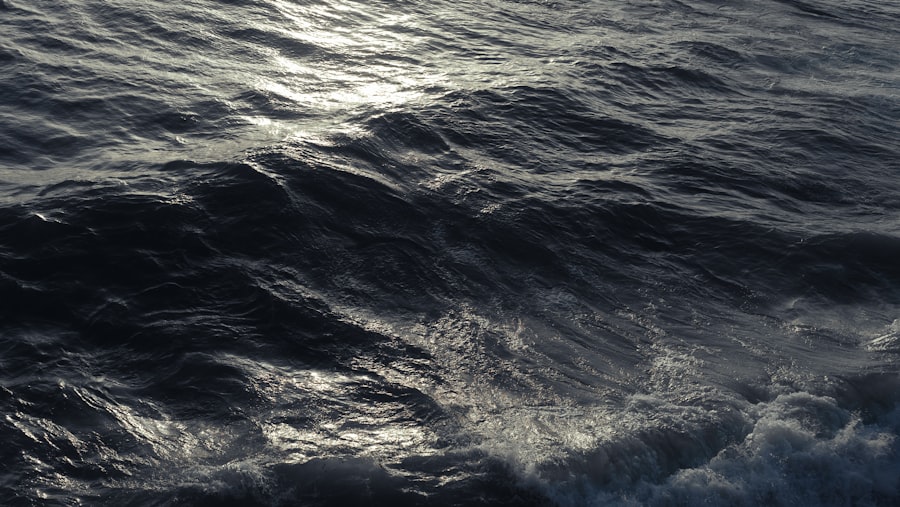
To enhance the journey across the Drake Passage, many expedition vessels offer a range of onboard activities and amenities designed to keep passengers engaged and entertained. From educational lectures led by knowledgeable naturalists to interactive workshops on photography or wildlife identification, there are ample opportunities for travelers to learn more about their surroundings while at sea. These activities not only enrich their understanding of Antarctica but also foster camaraderie among fellow passengers.
In addition to educational offerings, many ships provide comfortable lounges where travelers can relax and socialize while enjoying panoramic views of the ocean. Dining options often feature local cuisine and fresh ingredients, allowing passengers to savor delicious meals while sharing stories about their experiences thus far. As evening falls and the ship continues its journey through the Drake Passage, passengers may gather for stargazing on deck or participate in themed events that celebrate their shared adventure.
These onboard experiences create lasting memories that complement the breathtaking landscapes awaiting them in Antarctica.
Day 2: Approaching Antarctica
As dawn breaks on Day 2, travelers awaken to a sense of excitement as they approach Antarctica. The ship’s crew announces that land is in sight, and passengers rush to deck to catch their first glimpse of this pristine continent. The sight of towering icebergs and snow-capped mountains rising majestically from the ocean fills them with awe and wonder.
This moment marks not just a geographical transition but also an emotional one—a realization that they are about to embark on an extraordinary exploration. Throughout the day, as they draw closer to Antarctica’s shores, travelers are treated to stunning views of glaciers calving into the sea and dramatic landscapes shaped by millennia of ice and wind. The ship navigates through icy waters dotted with floating icebergs, each one unique in its shape and color.
Passengers often find themselves captivated by these natural wonders, taking photographs and marveling at nature’s artistry. As they approach their first landing site, anticipation builds for what lies ahead—an opportunity to step foot on this remote continent and experience its unparalleled beauty firsthand.
Land Excursions and Exploration
Upon reaching Antarctica, travelers have the chance to participate in guided land excursions that allow them to explore this extraordinary environment up close. These excursions typically involve small boat landings on designated sites where passengers can disembark onto rocky shores or pristine beaches. Accompanied by experienced guides who share insights about the region’s ecology and history, travelers embark on hikes or nature walks that reveal breathtaking landscapes and unique wildlife.
The opportunity to observe these animals in their natural habitat is often described as a highlight of any Antarctic adventure. Travelers are encouraged to respect wildlife guidelines while enjoying these encounters—keeping a safe distance from animals while capturing photographs that will serve as lasting reminders of their journey.
Each excursion offers a new perspective on Antarctica’s beauty and fragility, deepening travelers’ appreciation for this remote wilderness.
Historical Significance of the Drake Passage
The historical significance of the Drake Passage extends far beyond its challenging waters; it has played a pivotal role in maritime exploration and scientific research over centuries. Early explorers sought passage through these treacherous waters in search of new trade routes and territories during an era marked by discovery and conquest. Sir Francis Drake himself was among those who navigated these waters in pursuit of adventure and riches in the late 1500s.
In modern times, the Drake Passage has become a vital route for scientific expeditions studying climate change and marine ecosystems in one of Earth’s most pristine environments. Researchers utilize this passage as a gateway to access Antarctica’s unique ecosystems while monitoring changes in ocean currents and temperatures that impact global climate patterns. The historical context surrounding this region adds depth to travelers’ experiences as they reflect on humanity’s relationship with nature throughout history.
Return Journey
As travelers begin their return journey across the Drake Passage, they carry with them memories that will last a lifetime—moments spent marveling at breathtaking landscapes, encountering wildlife up close, and forging connections with fellow adventurers. The ship sets sail back toward South America amidst a mix of emotions; there is a sense of nostalgia for what has been experienced but also excitement for what lies ahead. During this leg of their journey, passengers often find themselves reflecting on their time spent in Antarctica—the beauty they witnessed, the challenges they faced while crossing turbulent waters, and how these experiences have shaped their perspectives on nature and conservation.
Onboard activities continue to engage travelers as they share stories about their adventures while enjoying meals together—a reminder that even as they leave this remote continent behind, its impact will remain with them long after they return home.
Conclusion and Reflections
In conclusion, crossing the Drake Passage is more than just a physical journey; it represents an exploration into one’s own sense of adventure and connection with nature. From preparing for unpredictable weather conditions to witnessing breathtaking wildlife encounters and immersing oneself in Antarctica’s stunning landscapes, every aspect contributes to an unforgettable experience that resonates deeply within each traveler. As they reflect on their journey across this iconic passage—filled with challenges yet brimming with beauty—travelers often find themselves inspired by what they have seen and learned about our planet’s fragile ecosystems.
The memories created during this expedition serve as reminders not only of personal growth but also of humanity’s responsibility to protect these remote environments for future generations to enjoy. Ultimately, crossing the Drake Passage becomes a transformative experience that leaves an indelible mark on all who embark upon it—a testament to nature’s power and beauty waiting just beyond our shores.
The Drake Passage is a notorious stretch of water that connects the Atlantic and Pacific Oceans, known for its challenging conditions and significant impact on maritime travel. For those interested in learning more about the duration and experience of traversing this passage, a related article can be found on MyGeoQuest. This article provides insights into the factors affecting travel time across the Drake Passage, including weather conditions and navigational strategies. To explore this topic further, you can read the article by visiting MyGeoQuest.
WATCH NOW! Drake Passage: Earth’s Deadliest Waters Revealed
FAQs
What is the duration of the Drake Passage crossing?
The duration of the Drake Passage crossing can vary depending on weather conditions and the specific route taken, but it typically takes around 2-3 days to cross.
Why does the Drake Passage crossing take 2-3 days?
The Drake Passage is known for its rough seas and unpredictable weather, which can slow down the crossing. Additionally, the distance to be covered is significant, contributing to the duration of the journey.
Are there any factors that can affect the duration of the Drake Passage crossing?
Yes, weather conditions play a significant role in the duration of the crossing. Strong winds and rough seas can slow down the progress of the ship, while calmer conditions may allow for a quicker crossing.
What is the best time of year to make the Drake Passage crossing?
The austral summer, from November to March, is generally considered the best time to make the Drake Passage crossing, as the weather is relatively milder compared to the rest of the year.
Are there any alternative routes or transportation options for crossing the Drake Passage?
While the most common way to cross the Drake Passage is by ship, there are also options for flying over the passage. Some tour operators offer fly-cruise packages that allow travelers to bypass the rough seas of the passage.