
The landscape upon which a nation is forged profoundly shapes its destiny, acting as both a formidable challenge and a guiding hand. Geography, in its myriad forms, from towering mountain ranges and vast oceans to fertile river valleys and arid deserts, dictates the very fabric of human civilization. It influences the movement of peoples, the availability of resources, the patterns of trade, and the strategies of warfare, ultimately molding the unique character and trajectory of every geopolitical entity.
The initial sprouts of civilization, the very seeds of nationhood, were sown in regions blessed by geographical bounty. These were not accidental occurrences but direct consequences of favorable land and water features.
River Valleys: The Lifeblood of Early Empires
The great river valleys of Mesopotamia, Egypt, India, and China stand as testament to the indispensable role of rivers in the birth of complex societies. These waterways provided not only a consistent source of fresh water for agriculture, enabling settled life and surplus food production, but also acted as natural highways for transportation and communication.
Irrigation and Agricultural Surplus
The predictable flooding and fertile silt deposited by rivers like the Tigris, Euphrates, Nile, Indus, and Yellow River allowed for the development of sophisticated irrigation systems. This mastery over water management led to abundant harvests, which in turn supported larger populations, specialization of labor, and the emergence of cities. Without the ability to generate an agricultural surplus, the monumental tasks of state-building, religious development, and technological innovation would have been impossible. The Nile’s annual inundation, for instance, was so religiously observed and economically vital in ancient Egypt that it contributed to a sense of temporal order and divine connection, a cornerstone of their civilization.
Navigational Arteries for Trade and Expansion
Beyond sustenance, these rivers served as the primary arteries for trade and the expansion of early settlements. They facilitated the movement of goods, ideas, and people, connecting disparate communities and fostering economic interdependence. The ability to transport grain, pottery, and other commodities along these waterways was crucial for the growth of urban centers and the consolidation of political power. The Euphrates and Tigris, in particular, linked Mesopotamia to the Mediterranean and the Persian Gulf, fostering cross-cultural exchange and the development of long-distance trade networks that laid the groundwork for global commerce.
Coastal Access: Gateway to the World
Nations situated along coastlines and possessing natural harbors have historically enjoyed a distinct advantage in terms of trade, exploration, and cultural diffusion. Their proximity to the sea opened up a world of possibilities, transforming them into maritime powers and hubs of international interaction.
Maritime Trade and Economic Prosperity
Coastal nations have consistently leveraged their access to the sea to engage in profitable maritime trade. The ability to transport goods efficiently and to distant markets fostered economic prosperity and the accumulation of wealth. City-states like Venice, Genoa, and later, nations like Great Britain, built their empires and global influence on the back of their powerful navies and extensive trading fleets. The Phoenicians, with their extensive network of colonies across the Mediterranean, are a prime example of how coastal geography can foster immense economic and cultural influence.
Cultural Exchange and Diffusion
The constant flow of ships and travelers along coastal routes facilitated vibrant cultural exchange. New ideas, technologies, and customs were readily introduced and integrated, leading to dynamic and often cosmopolitan societies. Ports became melting pots of cultures, where different languages were spoken, and diverse traditions coexisted, enriching the national identity and fostering innovation. The spread of Hellenistic culture across the Mediterranean following Alexander the Great’s conquests was greatly aided by the existing maritime trade routes established by earlier civilizations.
In exploring the intricate relationship between geography and the control of nations, a related article that delves deeper into this subject is available at this link: How Geography Shapes Political Boundaries. This article examines how physical landscapes, climate, and natural resources influence the formation of political entities and their interactions on the global stage, providing valuable insights into the ways geography can dictate the power dynamics between nations.
Natural Barriers and Defensibility: Mountains, Seas, and Deserts
While some geographical features facilitate connection and growth, others serve as formidable barriers, inherently shaping a nation’s defense strategies, its internal cohesion, and its engagement with neighbors.
Mountain Ranges: Natural Fortifications and Isolation
Imposing mountain ranges have historically acted as powerful natural fortifications, providing a degree of isolation and protection from external threats. While this can foster a unique cultural development and a sense of self-reliance, it can also lead to isolation and hinder economic integration.
Defensive Advantages and Strategic Importance
The strategic value of mountains lies in their ability to channel invading forces into narrow passes or to make overland invasions prohibitively difficult. Nations situated within mountain strongholds, such as Switzerland or Nepal, have often been able to maintain their independence for extended periods by leveraging their natural defenses. The Caucasus Mountains, for instance, have historically served as a buffer zone between various empires and peoples, fostering distinct ethnic and linguistic groups within their enclaves.
Development of Unique Cultures and Languages
The relative isolation afforded by mountainous terrain can also lead to the preservation and development of unique cultures, languages, and traditions. Communities separated by steep peaks and rugged valleys may evolve distinct dialects, customs, and even political structures, fostering a strong sense of local identity. The distinct linguistic families found in the Himalayas are a prime example of this phenomenon, where geographical barriers have preserved linguistic diversity.
Continental Interiors: Challenges of Access and Defense
Nations located deep within continental interiors, far from the moderating influence of oceans and lacking significant navigable waterways, often face unique challenges related to access, trade, and defense.
Vulnerability to Overland Invasions
Without natural maritime defenses, continental nations can be more vulnerable to overland invasions. Their borders may be more porous, requiring significant investment in permanent fortifications and standing armies to deter potential aggressors. The historical experience of Poland, frequently invaded from both west and east, illustrates the challenges faced by nations in open plains.
Dependence on Land-Based Trade Routes
Trade and economic development in continental interiors are heavily reliant on land-based routes. The efficiency and cost-effectiveness of these routes can significantly impact a nation’s economic competitiveness. The Silk Road, a network of ancient trade routes connecting the East and West, was vital for the prosperity of many landlocked nations, but its efficacy was subject to political stability and the infrastructure supporting it.
Island Nations: Isolation and Maritime Dominance
Island nations, by their very nature, are afforded a significant degree of isolation by surrounding bodies of water. This isolation can offer a unique blend of advantages and disadvantages, shaping their economies, security, and cultural development.
Protection from Invasion and Strategic Outposts
The surrounding ocean acts as a natural moat, offering considerable protection from large-scale land invasions. This has allowed many island nations to develop distinct societies with minimal external interference. Furthermore, strategically located islands can serve as vital outposts for trade, military projection, and intelligence gathering, as evidenced by the historical importance of islands like Singapore or Malta.
Dependence on Maritime Trade and Communication
Conversely, island nations are inherently dependent on maritime trade for economic survival. They must import many essential goods and export their own products, making them vulnerable to disruptions in sea lanes and reliant on strong naval capabilities. Communication and transportation between islands within an archipelago or between an island nation and the mainland also necessitates a robust maritime infrastructure. Japan’s historical reliance on its navy for defense and its economic prosperity underscores this dependence.
Resource Endowment: The Foundation of Economic Power
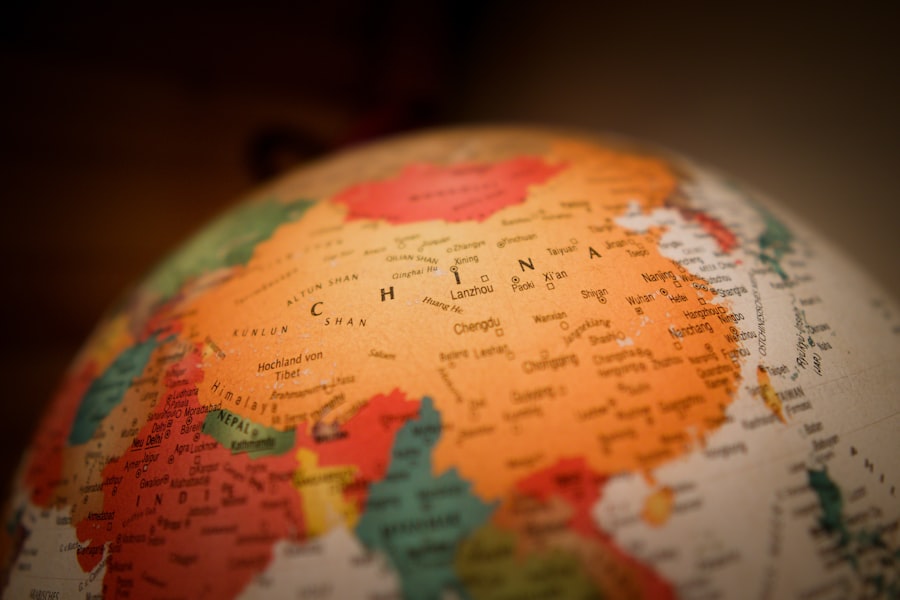
The geographical distribution of natural resources plays a pivotal role in determining a nation’s economic potential, its industrial development, and its geopolitical standing. Access to
valuable minerals, fertile land, and abundant water sources can provide a significant advantage.
Mineral Wealth: Driving Industrialization and Global Trade
The presence of rich mineral deposits, such as coal, iron ore, oil, gas, and precious metals, has been a primary driver of industrialization and economic power throughout history. Nations fortunate enough to possess these resources have often been able to develop strong manufacturing sectors and become key players in global commodity markets.
The Impact of Strategic Resources on Geopolitics
The control and exploitation of strategic resources, particularly fossil fuels and rare earth minerals, have a profound impact on international relations and can be a source of both wealth and conflict. The geopolitical significance of oil-rich regions in the Middle East, for example, has shaped global politics for decades. The discovery of diamonds in South Africa transformed its economic landscape and its role in the global economy.
Resource Curse and Economic Diversification
However, an over-reliance on rich resource endowments can also lead to the “resource curse”—a phenomenon where countries with abundant natural resources tend to have higher levels of inequality, corruption, and slower economic growth. This often occurs when resource wealth is not effectively managed or reinvested in diversifying the economy, leading to a neglect of other productive sectors. Nations like Norway have successfully managed their oil wealth through a sovereign wealth fund, investing in sustainable development and avoiding the pitfalls of the resource curse.
Agricultural Potential: Sustaining Populations and Enabling Growth
The fertility of land and the availability of water are fundamental to agricultural productivity, which in turn underpins a nation’s ability to sustain its population and generate economic surplus.
Food Security and Population Growth
Regions with fertile soil and reliable water sources can support large populations and ensure food security, a prerequisite for social stability and economic development. Nations that are largely self-sufficient in food production are less vulnerable to external shocks and can allocate resources to other areas of development. The vast agricultural plains of the American Midwest have been instrumental in the United States’ rise as a global food producer and economic powerhouse.
Cash Crops and Export Economies
Beyond subsistence agriculture, the cultivation of cash crops for export can be a significant source of national income. However, this can also make a nation vulnerable to fluctuating global market prices and can lead to a dependence on a narrow range of agricultural products, hindering broader economic diversification. Many countries in sub-Saharan Africa have historically relied on the export of staple crops like coffee and cocoa, facing challenges with price volatility and sustainable agricultural practices.
Climate and Environment: Shaping Lifestyles and Vulnerabilities
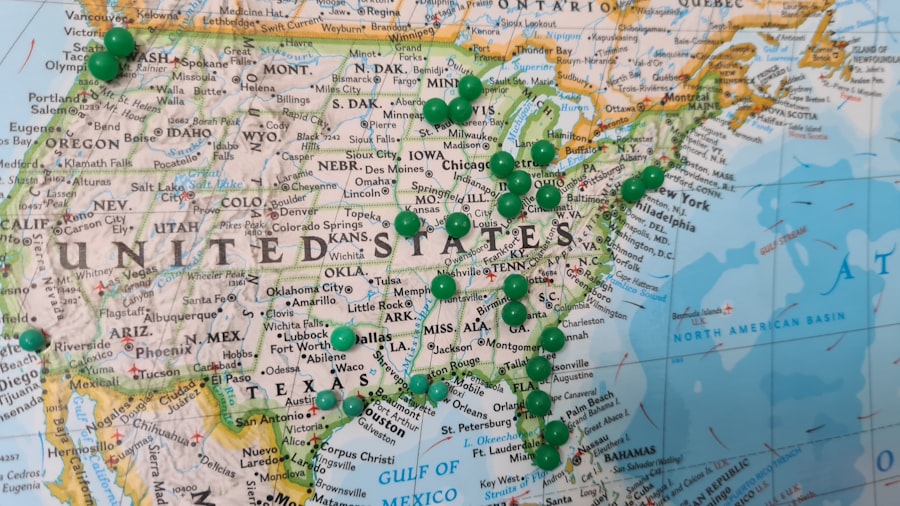
The prevailing climate and environmental conditions of a region have a profound influence on the lifestyles of its inhabitants, the types of industries that can flourish, and the inherent vulnerabilities a nation faces.
Climate Zones and Human Adaptation
Different climate zones necessitate varying degrees of human adaptation in terms of housing, clothing, diet, and agricultural practices. From the harsh conditions of the Arctic to the tropical humidity of the Amazon, climate shapes human behavior and societal development.
Impact on Agriculture and Industry
Climate directly impacts agricultural output, determining which crops can be grown and the length of the growing season. It also influences the feasibility of certain industries, such as tourism, renewable energy (solar or wind power), and outdoor recreational activities. The wine industry’s success in regions like Bordeaux or California is intricately linked to their specific temperate climates.
Natural Disasters and Resilience
Certain climate patterns also make regions more susceptible to natural disasters such as hurricanes, earthquakes, floods, and droughts. A nation’s geographical position can therefore dictate its level of risk and the resources it must dedicate to disaster preparedness and response. Coastal nations in the Caribbean are inherently vulnerable to hurricanes, requiring significant infrastructure and emergency planning.
Environmental Challenges: Resource Management and Sustainability
Modern nations grapple with a growing array of environmental challenges, many of which are directly linked to their geography and the exploitation of their natural resources.
Water Scarcity and Desertification
In arid and semi-arid regions, water scarcity is a critical issue that can lead to competition for resources, migration, and conflict. Desertification, the process by which fertile land becomes desert, poses a significant threat to agricultural productivity and livelihoods. Nations like those in the Sahel region of Africa face these challenges daily.
Pollution and Climate Change Impacts
Pollution of air, water, and soil, along with the overarching threat of climate change, are global environmental issues with geographically specific impacts. Rising sea levels threaten low-lying coastal areas and island nations, while altered weather patterns can exacerbate existing vulnerabilities. The melting glaciers in the Himalayas pose a long-term threat to water supplies for millions across Asia.
Geography plays a crucial role in shaping the destinies of nations, influencing everything from economic development to cultural interactions. For a deeper understanding of this fascinating relationship, you can explore a related article that delves into the various ways geography impacts national identity and governance. This insightful piece can be found at My Geo Quest, where you will discover how physical landscapes and resources can dictate the course of history and the formation of societies.
Strategic Location and Geopolitical Influence: Hubs and Buffers
| Geographical Factor | Impact on Nations |
|---|---|
| Climate | Determines agricultural productivity and influences economic development |
| Topography | Affects transportation and communication networks, as well as defense strategies |
| Natural Resources | Influences a nation’s wealth, trade, and industrial development |
| Access to Waterways | Facilitates trade and transportation, impacting economic growth and cultural exchange |
| Location | Determines a nation’s proximity to other countries, impacting diplomacy and international relations |
A nation’s geographical location, particularly its position relative to major landmasses, oceans, choke points, and other powerful states, fundamentally shapes its strategic importance and its capacity for geopolitical influence.
Proximity to Major Powers and Geopolitical Alliances
A nation’s proximity to powerful neighbors can dictate its foreign policy and its susceptibility to influence or coercion. Nations located between larger powers often find themselves acting as buffers or negotiating complex alliances to ensure their security and autonomy. Poland’s historical position between Germany and Russia exemplifies the challenges of being a strategically located buffer state.
Control of Choke Points and Trade Routes
Nations that control vital maritime choke points, such as straits or canals, wield significant economic and strategic leverage. These locations are crucial for global trade and military movement, making their control highly coveted. The Strait of Hormuz, controlling a significant portion of the world’s oil supply, is a prime example of a geographically indispensable choke point.
Access to Global Trade Networks and Influence
A nation’s ability to connect to global trade networks through its ports, waterways, and land routes greatly influences its economic competitiveness and its participation in international affairs. Nations that are well-connected and integrated into global supply chains tend to exert greater influence on the world stage. The strategic location of Singapore, at the crossroads of major shipping lanes, has propelled it to become a global hub for trade and finance.
Landlocked Nations: Challenges and Opportunities
While geographical advantages are readily apparent, landlocked nations face distinct challenges in trade and connectivity. They must often rely on their neighbors for transit access, which can be a source of both cooperation and contention. However, innovative solutions such as developing strong air cargo industries, investing in regional transport infrastructure, and forging robust economic partnerships can mitigate these disadvantages. Bolivia, for instance, has worked to develop its transportation networks and regional trade agreements to overcome its landlocked status.
In conclusion, the intricate interplay between a nation and its geography is an undeniable force in shaping its past, present, and future. From the fertile river valleys that cradled its first civilizations to the strategic straits that control global commerce, geography provides the stage upon which human history unfolds, influencing everything from a nation’s resource wealth and defensive capabilities to its cultural identity and its place in the global order. Understanding these geographical influences is crucial for comprehending the rise and fall of empires, the dynamics of international relations, and the very essence of what it means to be a nation.

Why Europe Can’t Escape This Cold War Pipeline
FAQs
1. How does geography affect a nation’s economy?
Geography can affect a nation’s economy in various ways, such as access to natural resources, climate, and terrain. For example, countries with abundant natural resources like oil or minerals may have a stronger economy, while those with harsh climates or difficult terrain may struggle to develop certain industries.
2. How does geography impact a nation’s political power?
Geography can impact a nation’s political power by influencing its ability to defend itself, access trade routes, and project military force. For example, countries with natural barriers like mountains or oceans may be more secure from invasion, while those with strategic access to important waterways may have greater influence in global trade.
3. How does geography influence a nation’s culture and society?
Geography can influence a nation’s culture and society by shaping its traditions, customs, and ways of life. For example, countries with diverse landscapes may have different agricultural practices, cuisines, and artistic traditions, while those with access to certain natural resources may develop unique industries and technologies.
4. How does geography impact a nation’s infrastructure and development?
Geography can impact a nation’s infrastructure and development by posing challenges to transportation, communication, and urbanization. For example, countries with rugged terrain may struggle to build roads and railways, while those prone to natural disasters like flooding or earthquakes may face difficulties in constructing stable infrastructure.
5. How does geography influence a nation’s relationships with other countries?
Geography can influence a nation’s relationships with other countries by shaping its borders, access to trade routes, and strategic positioning. For example, countries with shared borders or proximity to important waterways may have closer ties with neighboring nations, while those with strategic geographic locations may play a significant role in regional or global politics.