
The intricate web of European oil logistics forms the lifeblood of the continent’s economy, powering industries, heating homes, and fueling transportation networks. From the vast extraction fields to the end-user, a complex and dynamic system operates to ensure a steady and secure supply of crude oil and its refined products. This guide delves into the multifaceted world of European oil logistics, exploring its key components, challenges, and the strategic approaches employed to maintain its efficiency and resilience.
The European Oil Landscape: Sources and Demand Dynamics
Understanding European oil logistics necessitates an appreciation of the continent’s oil supply and demand profile. While Europe is a significant consumer of oil, its domestic production plays a less dominant role compared to global giants. This creates a fundamental reliance on imports, shaping the entire logistical infrastructure.
Crude Oil Supply Sources
Europe’s crude oil imports originate from a diverse range of global producers. Historically, reliance on Russia was substantial, but geopolitical shifts have spurred a significant diversification of supply chains.
The Shifting Sands of Russian Supply
For decades, Russia was the primary supplier of crude oil to Europe, flowing through a network of pipelines and delivered by sea. The Nord Stream and Druzhba pipelines, once vital arteries, now carry significantly reduced volumes, necessitating a rapid reimagining of import strategies. This transition, driven by sanctions and political imperatives, has been one of the most impactful recent developments in European oil logistics.
Diversification of Import Routes
In response to reduced Russian supply, Europe has actively sought alternative sources. The Middle East, particularly Saudi Arabia, Iraq, and the United Arab Emirates, has increased its market share. North Africa, with countries like Libya and Algeria, also contributes, though often with more volatile supply. West Africa, including Nigeria and Angola, is another important region. Furthermore, the US has emerged as a significant exporter of crude oil, its arrival in Europe often facilitated by large Very Large Crude Carriers (VLCCs).
The Role of Non-OPEC Producers
Beyond traditional OPEC members, other global producers are also contributing to Europe’s oil basket. Countries like Norway, a significant domestic producer, continue to supply a portion of Europe’s demand, particularly to its northern regions. The Caspian Sea region, through pipelines like the BTC (Baku-Tbilisi-Ceyhan) pipeline and its maritime extensions, also plays a role in bringing oil to European markets.
European Oil Demand Profile
The demand for oil in Europe is multifaceted, driven by various sectors. While the transition to renewable energy is a long-term goal, oil remains indispensable for many core economic activities.
Transportation Sector Dominance
The transportation sector, encompassing road, air, and sea freight, is the largest consumer of refined oil products in Europe. Gasoline and diesel fuel are essential for personal mobility and commercial transport. Aviation fuel (kerosene) powers the extensive air travel network, and marine fuel powers the continent’s vital shipping industries.
Industrial Consumption
Various industries rely on oil and its derivatives for a range of applications. Petrochemicals, crucial for producing plastics, synthetic fibers, and countless other materials, are a significant consumer. The manufacturing sector also uses oil-based fuels and lubricants.
Heating and Power Generation
While the electrification of heating is progressing, oil still plays a role in residential and commercial heating, particularly in regions with less developed gas infrastructure or during peak demand periods. In some instances, oil is also used for power generation, especially in emergency backup systems or during periods of high electricity demand.
For a deeper understanding of the complexities surrounding European oil logistics, you may find the article on MyGeoQuest particularly insightful. It delves into the intricacies of supply chains, transportation methods, and the geopolitical factors that influence oil distribution across the continent. To explore this topic further, visit the article at MyGeoQuest.
Infrastructure: The Arteries of European Oil Logistics
The efficient movement of oil across Europe relies on a sophisticated and interconnected network of infrastructure. This includes pipelines, ports, storage facilities, and refineries, each playing a crucial role in the supply chain.
Pipeline Networks: The Backbone of Bulk Transport
Pipelines are the most efficient and cost-effective means of transporting large volumes of crude oil and refined products over long distances. Europe boasts an extensive and aging pipeline network, requiring continuous investment and maintenance.
Cross-Border Interconnections
The interconnected nature of European pipelines is a defining feature of its logistics. Pipelines often cross national borders, facilitating the movement of oil from import terminals to inland refining centers and then to distribution hubs. The Druzhba pipeline, despite its reduced Russian throughput, still symbolizes the historical importance of transcontinental oil transport.
Refined Product Pipelines
Beyond crude oil, a dedicated network of pipelines exists for the transportation of refined products like gasoline, diesel, and jet fuel. These pipelines connect refineries to major distribution depots and airports, ensuring timely delivery to end-users.
Challenges and Investments
The age of many European pipelines presents significant challenges, including corrosion, leak detection, and the need for upgrades to meet modern safety and environmental standards. Significant investments are continuously being made to modernize and expand this vital infrastructure, including exploring new routes and capacities for non-Russian crude.
Port Facilities: Gateways for Global Supply
European ports are critical entry points for crude oil imports and export hubs for refined products. Their capacity, depth, and proximity to refineries and major consumption centers are vital logistical considerations.
Deepwater Ports and VLCC Handling
The increasing use of Very Large Crude Carriers (VLCCs) for long-haul oil transportation necessitates deepwater ports capable of accommodating these massive vessels. Major European terminals like Rotterdam, Antwerp, and Marseille are equipped to handle VLCCs, enabling efficient offloading of crude oil.
Refinery Proximity and Terminal Operations
The strategic location of ports in close proximity to refineries is a key logistical advantage, minimizing the need for extensive overland transport of crude. Efficient terminal operations, including rapid loading and unloading, are crucial to minimize demurrage costs and ensure a continuous flow of oil.
Environmental and Safety Considerations
Ports are also at the forefront of environmental and safety considerations in oil logistics. Stringent regulations govern oil spill prevention, containment, and emergency response. Investment in advanced mooring systems, tugboat services, and pollution control equipment is paramount.
Storage Facilities: Buffers and Strategic Reserves
Storage terminals are essential for managing the flow of oil, ensuring supply continuity, and maintaining strategic reserves. These facilities are strategically located at import terminals, near refineries, and at key distribution points.
Crude Oil Storage Tanks
Vast crude oil storage tanks hold imported crude before it is fed into refineries. These tanks act as buffers, allowing for flexibility in refinery operations and the management of supply chain disruptions.
Refined Product Storage
Similar storage facilities exist for refined products, ensuring a consistent supply of gasoline, diesel, and other fuels to markets. This is particularly important for meeting seasonal demand peaks or responding to unforeseen supply interruptions.
Strategic Petroleum Reserves (SPRs)
Many European countries maintain Strategic Petroleum Reserves (SPRs) to safeguard against major supply disruptions. These reserves, held in underground caverns or above-ground tanks, can be released to the market in times of crisis, mitigating economic and social impacts.
Refineries: The Transformation Hubs
Refineries are the core of the oil product supply chain, transforming crude oil into a range of usable fuels and feedstocks. The location and operational efficiency of refineries are critical to European oil logistics.
Integrated Refinery Complexes
Many major European refineries are integrated complexes, often situated near deepwater ports, allowing for efficient import of crude and export of refined products. These complexes are highly optimized for processing various crude grades and producing a diverse product slate.
Decarbonization and Future of Refineries
The long-term future of refineries is intertwined with Europe’s decarbonization goals. While refiners are investing in cleaner technologies and exploring the production of biofuels and synthetic fuels, the demand for traditional refined products is expected to evolve. This transition presents significant logistical challenges and opportunities for adaptation.
Transportation Modes: Moving the Liquid Gold
Once oil is extracted and refined, it needs to be transported to its final destinations. A variety of transportation modes are employed, each with its own advantages and limitations.
Maritime Shipping: The Global Workhorse
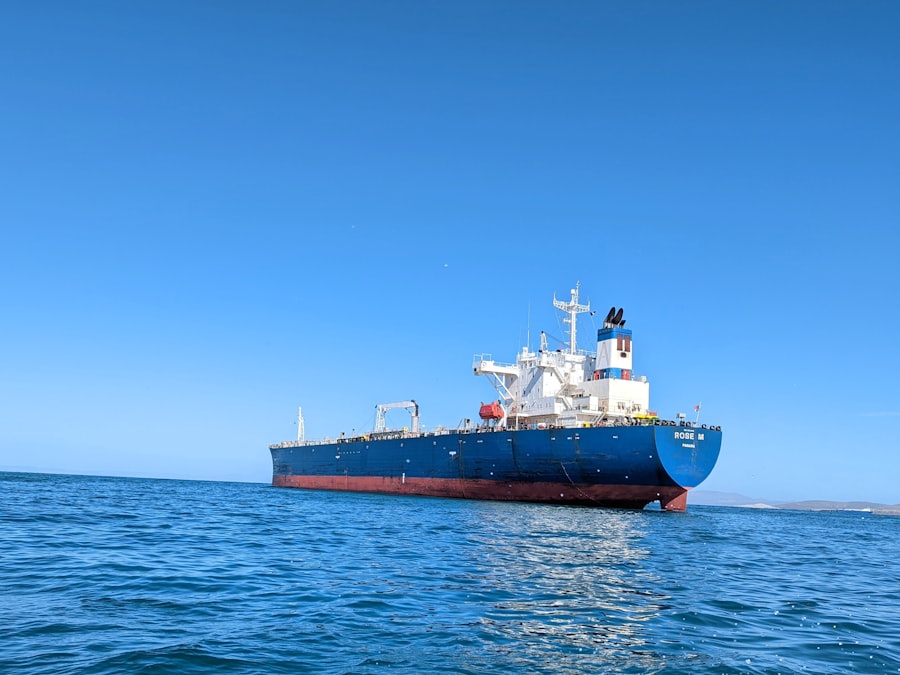
Ocean tankers are the primary mode of transporting crude oil and many refined products into and out of Europe. The vast majority of Europe’s imported crude arrives by sea.
Tanker Types and Capacities
From smaller product tankers to massive VLCCs, a range of vessel types are utilized, dictated by the volume and destination of the cargo. VLCCs are essential for long-haul routes, while smaller tankers are used for regional and coastal deliveries.
Shipping Routes and Congestion
Key shipping routes into Europe include those from the Persian Gulf, North Sea, and the Atlantic. Port congestion and the availability of vessels can significantly impact transit times and costs. The Suez Canal, a critical chokepoint, can also influence shipping dynamics.
Bunker Fuel and Emissions
The maritime shipping sector itself is a significant consumer of bunker fuel, a heavy residue from crude oil. Efforts are underway to reduce emissions from shipping, including the development of alternative fuels and more efficient vessel designs, which will have a knock-on effect on oil logistics.
Rail Transport: Connecting Inland Markets
Railways play a vital role in transporting refined products from refineries and distribution terminals to inland markets, particularly in landlocked regions.
Tank Car Fleets and Efficiency
Specialized tank cars are used to move gasoline, diesel, and other fuels by rail. Rail transport offers an efficient and relatively environmentally friendly alternative for bulk movement over land.
Intermodal Transport Integration
Rail transport is often integrated into broader intermodal logistics solutions, facilitating the movement of goods from ports to inland destinations, often in conjunction with road transport for the final leg of delivery.
Road Transport: The Last Mile Delivery
Road tankers are indispensable for the final delivery of oil products to service stations, industrial sites, and individual consumers.
Distribution Networks and Fleet Management
A complex network of road tankers operates across Europe, requiring efficient fleet management and route optimization to ensure timely deliveries and minimize operational costs.
Safety and Regulatory Compliance
The transportation of liquid fuels by road is subject to stringent safety regulations and hazardous materials handling protocols. Compliance with these regulations is paramount for operational safety and environmental protection.
Inland Waterways: A Sustainable Option
In some European regions, inland waterways like rivers and canals offer a more sustainable and cost-effective mode of transport for oil products, particularly for larger volumes over shorter to medium distances.
Barge Operations and Capacity
Barges, often pushed or pulled by tugs, can carry significant volumes of refined products. This mode of transport is particularly prevalent in countries with extensive navigable river systems, such as Germany and the Netherlands.
Environmental Benefits and Infrastructure
Inland waterway transport generally has a lower carbon footprint per ton-mile compared to road or rail, contributing to Europe’s sustainability goals. However, the reliance on navigable waterways means that infrastructure maintenance and water levels can impact operations.
Challenges and Risks in European Oil Logistics
The European oil logistics system, while robust, faces a range of challenges and inherent risks that can impact supply security and market stability.
Geopolitical Instability and Supply Disruptions
Geopolitical events are a significant factor influencing oil supply and logistics. Conflicts, sanctions, and political tensions in major producing regions can lead to sudden and severe disruptions.
Impact of International Sanctions
The imposition of international sanctions on oil-producing countries can force a rapid rerouting of supply chains and an increase in logistical complexity. Europe’s recent experience with diversifying away from Russian oil is a prime example.
Regional Conflicts and Instability
Conflicts in oil-producing regions, such as the Middle East or parts of Africa, can directly impact production volumes and create significant risks for maritime shipping routes, increasing insurance premiums and requiring security measures.
Cybersecurity Threats
As the oil logistics network becomes increasingly digitized and interconnected, cybersecurity threats pose a growing risk. Disruptions to IT systems can impact refinery operations, pipeline control, and logistical scheduling.
Attacks on Infrastructure Control Systems
Malicious actors could target industrial control systems (ICS) of refineries, pipelines, or terminals, leading to production stoppages, safety hazards, or environmental incidents.
Data Breaches and Operational Disruption
The theft or corruption of sensitive data related to supply chains, pricing, or customer information can cause significant disruption and financial losses.
Environmental Regulations and Sustainability Pressures
Increasingly stringent environmental regulations and growing societal pressure for decarbonization are transforming the oil logistics landscape.
Emissions Reduction Targets
Europe’s commitment to reducing greenhouse gas emissions impacts all aspects of the oil supply chain, from extraction and refining to transportation. This necessitates investments in cleaner technologies and the exploration of alternative fuels.
Oil Spill Prevention and Response
The risk of oil spills, whether from tankers, pipelines, or storage facilities, remains a constant concern. Strict regulations on spill prevention, containment, and cleanup are in place, requiring significant investment in technology and emergency preparedness.
Infrastructure Ageing and Underinvestment
Much of Europe’s existing oil logistics infrastructure, particularly pipelines, is aging. A lack of sufficient investment in modernization and upgrades can lead to increased maintenance costs, operational inefficiencies, and a higher risk of failures.
Pipeline Integrity and Maintenance
Maintaining the integrity of aging pipelines requires vigilant monitoring, leak detection, and timely repairs. The cost of these interventions can be substantial.
Capacity Constraints and Bottlenecks
In some areas, existing infrastructure may struggle to keep up with demand or to adapt to new supply routes, creating capacity constraints and logistical bottlenecks.
In exploring the complexities of European oil logistics, it is essential to consider various factors that influence the industry, including transportation routes, regulatory frameworks, and market dynamics. A related article that delves deeper into these aspects can be found here, offering valuable insights into the challenges and innovations shaping the future of oil logistics in Europe. For those interested in understanding the broader implications of these logistics, the article provides a comprehensive overview that complements the discussion on European oil supply chains. You can read more about it in this detailed analysis.
Strategic Approaches and Future Outlook
Navigating European oil logistics requires proactive strategies and a forward-looking approach to adapt to evolving market dynamics and mitigate risks.
Diversification of Supply and Trade Routes
A cornerstone of secure oil logistics is the diversification of both supply sources and trade routes. This reduces reliance on any single region or transit point.
Building Resilience Through Multiple Suppliers
Establishing strong relationships with a broad spectrum of oil-producing nations ensures that if one supplier is disrupted, others can step in to fill the gap.
Developing Alternative Maritime and Land Routes
Exploring and utilizing new maritime shipping lanes and overland transportation corridors provides flexibility and reduces vulnerability to chokepoints.
Investment in Modern Infrastructure and Technology
Continuous investment in upgrading and modernizing infrastructure is crucial to enhance efficiency, safety, and environmental performance.
Smart Grid Technologies for Pipelines
The implementation of smart grid technologies for pipeline monitoring and control can improve leak detection, optimize flow rates, and enhance overall operational safety.
Digitalization and Data Analytics
Leveraging digitalization and advanced data analytics can provide real-time insights into supply chain performance, predict potential disruptions, and optimize logistical operations.
Transition to Lower-Carbon Fuels and Energy Diversification
The long-term future of oil logistics is intrinsically linked to Europe’s energy transition. Adapting to a lower-carbon future is not just an environmental imperative but also a strategic necessity.
Investment in Biofuels and Synthetic Fuels
Refineries and logistics providers are increasingly exploring the production and distribution of biofuels, synthetic fuels, and hydrogen, which will require new logistical pathways and infrastructure.
Integration of Renewable Energy Sources
While the focus is on oil, the broader energy landscape is shifting. The integration of renewable energy sources into the energy mix will influence overall demand patterns and the role of traditional fossil fuels.
Enhanced Collaboration and Information Sharing
Effective collaboration among all stakeholders in the oil logistics chain – from producers and refiners to transporters and regulators – is essential for smooth operations and crisis management.
Public-Private Partnerships
Fostering public-private partnerships can facilitate the development of critical infrastructure and ensure alignment on strategic objectives.
Real-Time Information Exchange
Establishing robust mechanisms for real-time information exchange regarding supply, demand, inventory levels, and potential disruptions can significantly improve the responsiveness and resilience of the entire logistics network.
In conclusion, navigating European oil logistics is a complex undertaking that demands constant vigilance, strategic planning, and a commitment to innovation. The continent’s ability to secure its energy supply rests on the shoulders of a sophisticated and adaptable logistical infrastructure, one that is continually evolving to meet the challenges and opportunities of a dynamic global energy market. By understanding the intricacies of this vital sector, stakeholders can better contribute to a stable, secure, and increasingly sustainable energy future for Europe.

Why Europe Can’t Escape This Cold War Pipeline
FAQs
What is the current state of oil logistics in Europe?
The current state of oil logistics in Europe involves a complex network of pipelines, storage facilities, and transportation methods to ensure the efficient distribution of oil across the continent.
What are the main challenges in European oil logistics?
Some of the main challenges in European oil logistics include geopolitical tensions, regulatory requirements, infrastructure limitations, and the need to adapt to changing market demands and environmental concerns.
How is oil transported in Europe?
Oil is transported in Europe through various means including pipelines, tankers, rail, and road transportation. Each method has its own advantages and limitations, and the choice of transportation depends on factors such as distance, volume, and cost.
What role do storage facilities play in European oil logistics?
Storage facilities play a crucial role in European oil logistics by providing a buffer between oil production and consumption, ensuring a steady supply of oil to meet demand fluctuations, and serving as strategic reserves for emergency situations.
What are the future trends in European oil logistics?
Future trends in European oil logistics include the adoption of digital technologies for improved efficiency and transparency, the development of alternative fuels and renewable energy sources, and the continued focus on sustainability and environmental responsibility.