
The Power of Urban Clustering: Why Cities Thrive Together
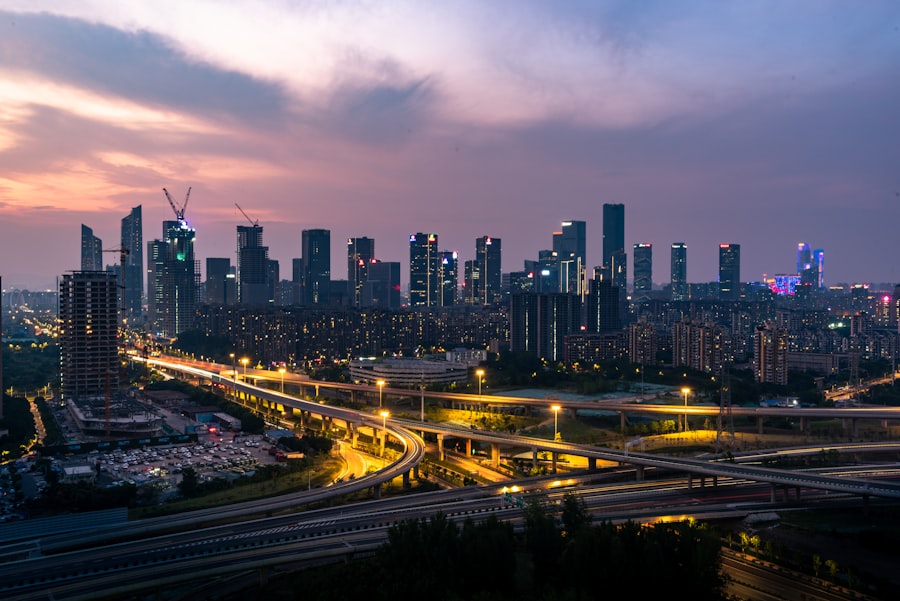
Cities, vibrant hubs of human endeavor, do not exist in isolation. Instead, they form intricate webs of interconnectedness, often clustering together in dense geographical formations. This phenomenon, known as urban clustering, is not a mere coincidence but a powerful driver of economic growth, innovation, and social development. Cities that thrive together, drawing strength from their proximity to one another, offer a compelling case study in the benefits of collaboration and shared resources. Understanding the dynamics of urban clustering provides invaluable insights into the forces that shape our modern world and the strategies that can foster even greater prosperity.
The tendency for cities to form in close proximity is deeply rooted in historical and geographical factors. Early settlements, for instance, often arose near vital resources like navigable rivers, fertile agricultural land, or strategic defensive locations. As these settlements grew into towns and cities, their expansion was naturally influenced by the presence of neighboring urban centers. This proximity facilitated trade, the exchange of ideas, and the pooling of labor and expertise.
Natural Resource Distribution and Accessibility
The availability and accessibility of natural resources have always been primary determinants of settlement patterns. Cities historically established themselves where resources were abundant and

Why Japan Can’t Build Another Tokyo
FAQs
What is clustering in the context of cities?
Clustering refers to the phenomenon of cities and economic activities concentrating in specific geographic areas, leading to the formation of urban agglomerations.
What are the reasons for cities to cluster together?
Cities cluster together due to various factors such as access to resources, transportation networks, economies of scale, knowledge spillovers, and agglomeration economies.
How does clustering benefit cities and businesses?
Clustering benefits cities and businesses by promoting innovation, knowledge sharing, specialization, and efficiency through the concentration of resources, talent, and infrastructure.
What are some examples of cities that have successfully clustered together?
Examples of cities that have successfully clustered together include Silicon Valley in California for technology and innovation, Wall Street in New York City for finance, and Hollywood in Los Angeles for entertainment.
What are the potential drawbacks of cities clustering together?
Potential drawbacks of cities clustering together include increased competition, higher cost of living, congestion, and inequality, as well as the risk of systemic shocks affecting the entire cluster.