
The world is in constant flux, driven by technological advancements, burgeoning populations, and the ever-present need for progress. At the heart of this relentless evolution lies infrastructure – the intricate network of systems and structures that underpins modern society. From the roads we travel on to the digital highways that connect us, the power grids that energize our lives, and the water systems that sustain us, infrastructure is the silent, indispensable architect of our present and the foundational blueprint for our future. This article delves into the transformative power of modern infrastructure, exploring its multifaceted components, the innovations shaping its development, and the critical role it plays in building a sustainable and prosperous tomorrow.
Infrastructure is not a static entity; it’s a dynamic and ever-expanding concept that adapts to the changing needs and aspirations of humanity. Historically, infrastructure primarily referred to tangible, physical assets. However, the advent of digital technologies and the increasing interconnectedness of our world have broadened its definition to encompass critical digital and data-related systems. Understanding this evolution is key to appreciating the complexities and opportunities that lie ahead.
Traditional Infrastructure Reimagined
The foundational elements of infrastructure – transportation, energy, water, and waste management – are undergoing a profound transformation. They are no longer viewed as independent silos but as interconnected systems that must be optimized for efficiency, resilience, and sustainability.
Transportation Networks: Connecting People and Economies
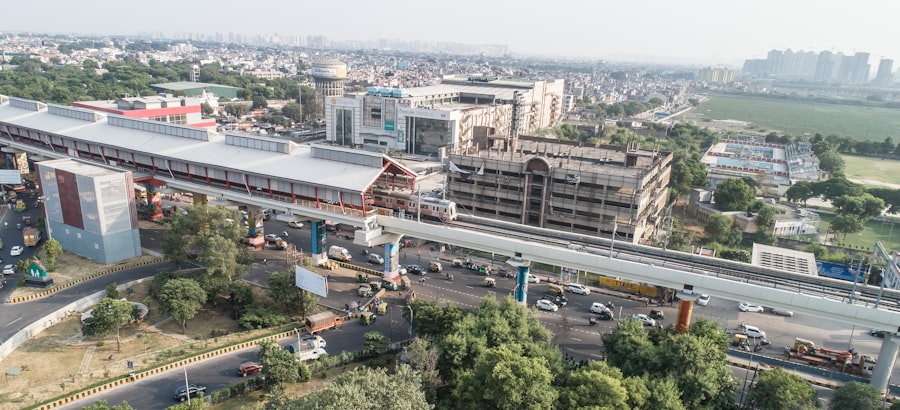
The arteries of commerce and daily life, transportation networks are at the forefront of infrastructural innovation. Smart roads embedded with sensors, self-driving vehicles, and high-speed rail are revolutionizing how we move people and goods. The focus is shifting from simply building more roads to creating intelligent, integrated transportation systems that reduce congestion, enhance safety, and minimize environmental impact.
The Rise of Smart Cities and Mobility
Smart cities are leveraging technology to create seamless urban mobility experiences. Integrated public transit systems, real-time traffic management, and multimodal transportation hubs are becoming commonplace. The goal is to enable citizens to move effortlessly from point A to point B using a combination of walking, cycling, ride-sharing, and public transport, all managed through intelligent platforms.
Sustainable Logistics and Supply Chains
The efficiency of supply chains is directly linked to the robustness of transportation infrastructure. Modern infrastructure development prioritizes sustainable logistics, including the use of electric vehicles for last-mile delivery, optimized route planning to reduce fuel consumption, and the development of intermodal transport hubs to facilitate the seamless transfer of goods between different modes of transportation.
The Future of Rail and Hyperloop
High-speed rail continues to be a cornerstone of sustainable

Why Japan Can’t Build Another Tokyo
FAQs
What is modern infrastructure?
Modern infrastructure refers to the physical and organizational structures, facilities, and systems that are essential for the functioning of a society or enterprise in the present day. This includes transportation networks, communication systems, energy grids, water and sewage systems, and more.
What are the key components of modern infrastructure?
Key components of modern infrastructure include transportation systems (roads, bridges, airports, public transit), communication networks (internet, phone lines, wireless networks), energy systems (power plants, electrical grids, renewable energy sources), water and sewage systems, and public facilities (schools, hospitals, government buildings).
Why is modern infrastructure important?
Modern infrastructure is important because it supports economic development, enhances quality of life, and ensures the safety and well-being of a population. It also facilitates the efficient functioning of businesses and industries, and enables the delivery of essential services such as healthcare, education, and public safety.
How is modern infrastructure funded and maintained?
Modern infrastructure is funded and maintained through a combination of public and private investment. Governments at various levels (local, state, federal) allocate funds for infrastructure projects, while private companies may also invest in infrastructure development. Maintenance is typically carried out by government agencies or private contractors.
What are some challenges facing modern infrastructure?
Challenges facing modern infrastructure include aging systems in need of repair or replacement, inadequate funding for maintenance and upgrades, vulnerability to natural disasters and cyber attacks, and the need to adapt to changing technology and environmental concerns. Addressing these challenges requires strategic planning, investment, and collaboration between public and private stakeholders.