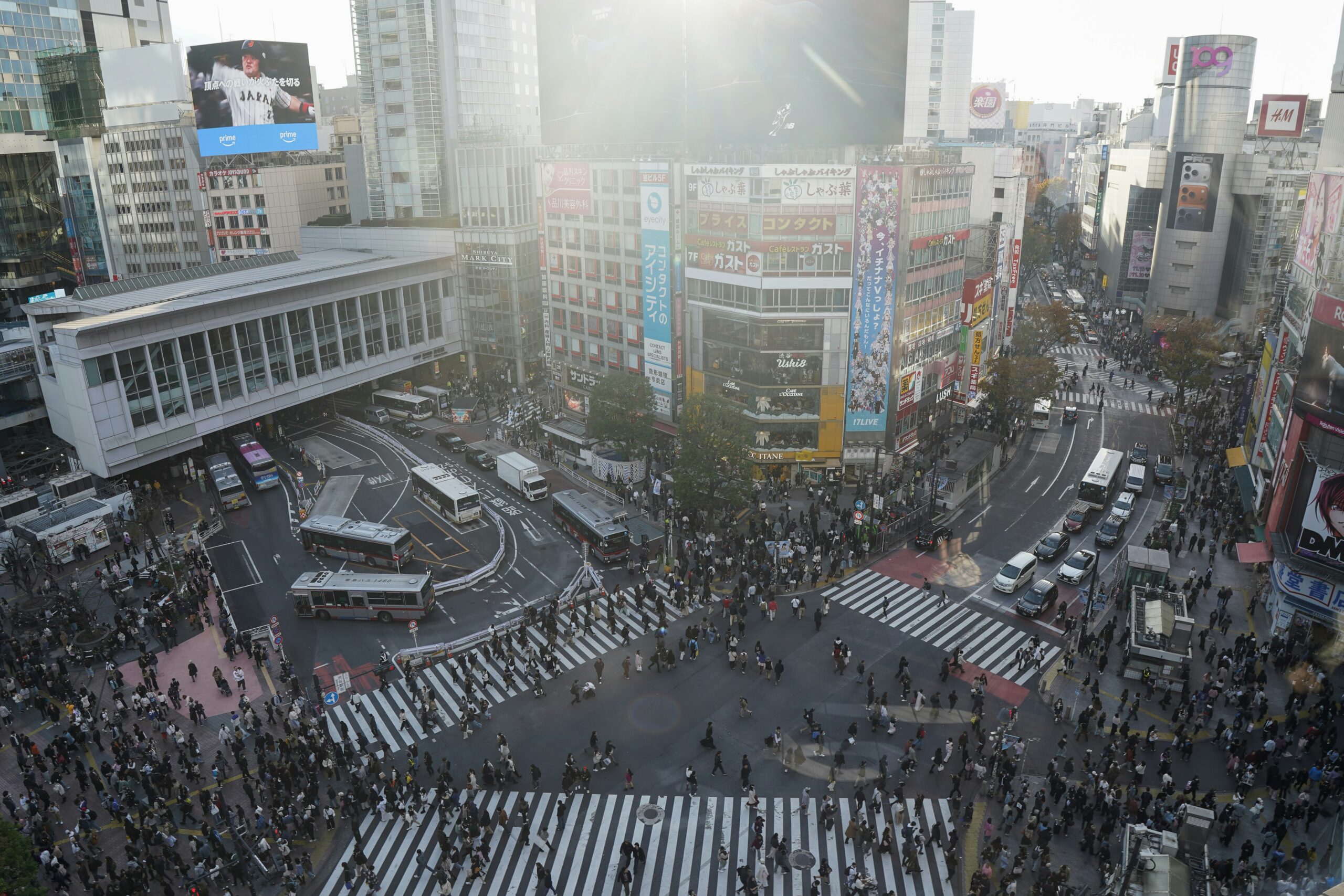
Japan, an archipelago nation nestled in the Pacific Ocean, is a land of breathtaking beauty and profound cultural heritage. Yet, this same geographical position places it squarely within one of the world’s most geologically active regions, making it a land intimately acquainted with the raw power of nature. Understanding Japan’s natural disasters is not merely an academic pursuit; it is a crucial element in comprehending the nation’s history, its societal resilience, and its forward-looking approach to mitigating risk. For centuries, the Japanese people have lived under the shadow of seismic tremors, volcanic eruptions, devastating tsunamis, and destructive typhoons. These recurring events have not only shaped the landscape but have also profoundly influenced the nation’s psyche, fostering a deep respect for nature’s might and a remarkable capacity for adaptation and recovery.
The constant threat of natural calamities has instilled in Japan a unique preparedness culture. From meticulously engineered infrastructure designed to withstand earthquakes to sophisticated early warning systems, the nation has consistently prioritized safeguarding its population. This article delves into the multifaceted nature of Japan’s natural disasters, exploring their geological underpinnings, the most prevalent types of events, the historical impact they have had, and the innovative strategies employed by the Japanese people to coexist with and, to a degree, tame these formidable forces.
Japan’s susceptibility to a wide range of natural disasters stems directly from its unique geological setting. The nation sits at the convergence of four major tectonic plates: the Pacific Plate, the Philippine Sea Plate, the Eurasian Plate, and the North American Plate (though often the Okhotsk Plate is considered in this region). This complex interplay of colossal geological forces creates a highly dynamic environment, ripe for seismic and volcanic activity.
The Ring of Fire: A Defining Feature
Japan is a prominent part of the Pacific Ring of Fire, a horseshoe-shaped zone that encircles the Pacific Ocean and is home to a vast majority of the world’s active volcanoes and seismic activity. This “ring” is where numerous tectonic plates meet and interact, primarily through convergence and subduction.
Subduction Zones and Their Consequences
The dominant process occurring around Japan is subduction, where one tectonic plate slides beneath another. The Pacific Plate and the Philippine Sea Plate are being subducted beneath the Eurasian and North American Plates. This process is critical for understanding earthquakes and tsunamis:
- Earthquake Generation: As plates subduct, they grind against each other, accumulating immense stress. When this stress exceeds the rock’s strength, it is released suddenly, generating seismic waves that propagate through the Earth’s crust. The vast majority of Japan’s earthquakes are megathrust earthquakes, occurring at the interface between the subducting and overriding plates. These can be extremely powerful.
- Tsunami Formation: A significant portion of these powerful subduction zone earthquakes occur beneath the ocean floor. If the vertical displacement of the seafloor is substantial, it can displace a massive volume of water, generating tsunamis. The depth and magnitude of the earthquake, as well as the seafloor topography, all contribute to the size and destructive potential of the resulting waves.
Volcanic Hotspots: A Fiery Legacy
Beyond plate boundaries, Japan also experiences volcanic activity due to the magma rising from the mantle as a result of the subduction processes. The immense heat and pressure generated by melting crust break through the overlying rock, forming volcanoes.
Active Volcanoes: A Constant Threat
Japan boasts over 100 active volcanoes and is home to a significant proportion of the world’s active volcanic systems. These volcanoes are not just geological curiosities; they pose a direct threat to surrounding communities through:
- Eruptions: Volcanic eruptions can range from gentle effusions of lava to explosive events that eject ash, gas, and pyroclastic flows over vast distances. These ash clouds can disrupt air travel, accumulate on roofs, and pose respiratory hazards. Pyroclastic flows, superheated avalanches of gas and volcanic matter, are among the most devastating natural phenomena, capable of incinerating everything in their path.
- Lahars (Volcanic Mudflows): Heavy rainfall or the melting of snow and ice on volcanic slopes can mix with volcanic ash and debris to create lahars, fast-moving mudflows that can travel many miles down river valleys, burying settlements and infrastructure.
- Volcanic Gases: Volcanoes release gases such as sulfur dioxide and carbon dioxide, which can be toxic in high concentrations and contribute to acid rain.
Seismic Faults: The Earth’s Cracks
In addition to the large-scale subduction zones, Japan is crisscrossed by numerous active fault lines within its continental plates. These faults represent fractures in the Earth’s crust where movement can occur.
Inland Earthquakes: A Different Kind of Danger
While megathrust earthquakes are responsible for the most catastrophic tsunamis, inland earthquakes originating from these intraplate faults can also be highly destructive.
- Proximity to Urban Centers: Many of these faults run directly beneath or near major urban areas. This proximity means that even moderately powerful earthquakes can cause significant damage to buildings and infrastructure in densely populated regions.
- Shaking Intensity: The shaking intensity of an inland earthquake can be more localized and more violent than that of an earthquake that occurs further offshore, leading to greater structural damage in the immediate vicinity of the fault.
Japan is known for its susceptibility to natural disasters, including earthquakes, tsunamis, and typhoons, due to its geographical location along the Pacific Ring of Fire. For a deeper understanding of how these phenomena impact the country and the measures taken for disaster preparedness and response, you can read the related article on this topic at My Geo Quest. This resource provides valuable insights into the science behind these natural events and the cultural significance of disaster resilience in Japan.
The Spectrum of Danger: Major Natural Disasters in Japan
Japan’s geological vulnerability manifests in a variety of devastating natural disasters. While earthquakes and tsunamis often dominate headlines, the nation also faces significant threats from typhoons and volcanic activity, each with its unique characteristics and impacts.
Earthquakes: The Ever-Present Tremor
Earthquakes are arguably the most defining natural disaster for Japan. The nation experiences tens of thousands of earthquakes annually, though most are too small to be felt by humans. However, the potential for large, destructive earthquakes is a constant reality.
The Impact of Seismic Activity
- Devastation and Loss of Life: Catastrophic earthquakes, such as the Great Kanto Earthquake of 1923 and the Great Hanshin Earthquake of 1995, have caused widespread destruction, claiming hundreds of thousands of lives and leveling cities. More recently, the 2011 Tohoku earthquake and tsunami resulted in immense devastation and a

Why Japan Can’t Build Another Tokyo
FAQs
What are the most common natural disasters in Japan?
Japan is prone to earthquakes, tsunamis, typhoons, and volcanic eruptions. These natural disasters are a result of the country’s location on the Pacific Ring of Fire and its proximity to tectonic plate boundaries.
How does Japan prepare for natural disasters?
Japan has strict building codes, early warning systems for earthquakes and tsunamis, and regular drills to prepare citizens for emergencies. The government also invests in infrastructure to mitigate the impact of natural disasters.
What are the most devastating natural disasters in Japan’s history?
The 2011 Tohoku earthquake and tsunami was one of the most devastating natural disasters in Japan’s history, resulting in over 15,000 deaths and causing a nuclear disaster at the Fukushima Daiichi power plant. The 1923 Great Kanto earthquake and the 1995 Kobe earthquake also had significant impacts.
How does Japan respond to natural disasters?
Japan has a well-coordinated response system involving government agencies, the military, and volunteer organizations. The country also receives international aid and support during major disasters.
What measures are being taken to mitigate the impact of natural disasters in Japan?
Japan continues to invest in advanced technology for early warning systems, disaster-resistant infrastructure, and public education to increase preparedness. The government also conducts research and development to improve disaster resilience.