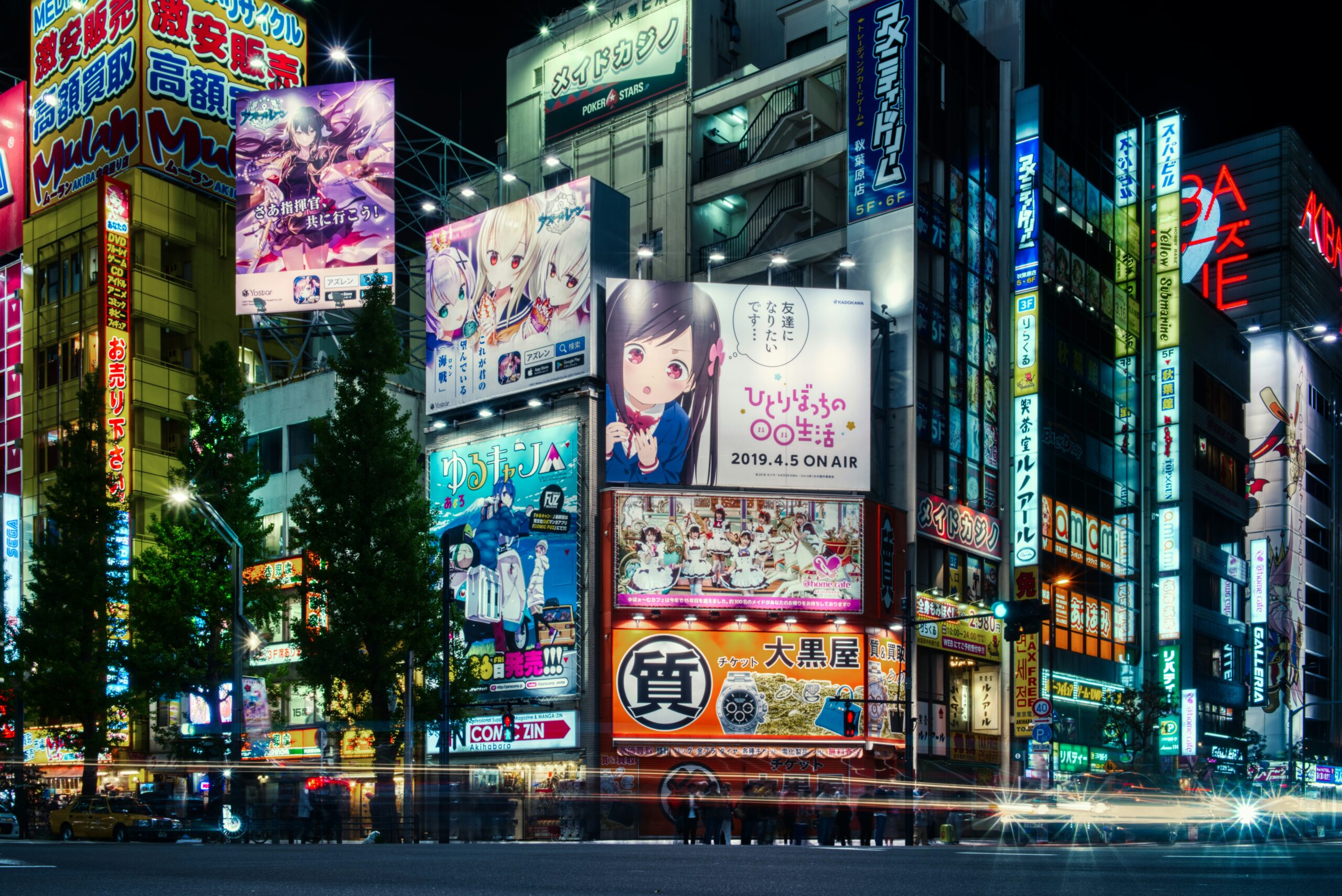
Tokyo, a city that pulses with an unparalleled energy, a vibrant tapestry woven from ancient traditions and relentless modernity, is undeniably a global icon. It boasts a breathtaking skyline, cutting-edge technology, and a rich cultural heritage that attracts millions annually. Yet, beneath the glittering surface of this megacity lies a stark reality for its inhabitants: the extraordinarily high cost of living. From the cramped yet coveted apartments to the daily necessities, the financial demands of residing in Tokyo can be daunting. This article will delve into the multifaceted factors that contribute to Tokyo’s status as one of the world’s most expensive cities, exploring the economic, geographical, and social forces at play.
At the heart of Tokyo’s exorbitant cost of living lies the fundamental issue of land. Japan, an island nation, is characterized by its limited usable land, and Tokyo, as its densely populated capital, amplifies this challenge to an extreme degree. The relentless influx of people seeking opportunities in business, education, and culture has created an insatiable demand for space, a demand that invariably outstrips the available supply. This fundamental imbalance between supply and demand has a palpable and far-reaching impact on almost every aspect of life in the city.
The Density Dilemma: A Small Island, A Massive Population
Tokyo’s geographical footprint, while large in terms of metropolitan area, is inherently constrained by its island nature. Unlike continental cities that can sprawl outwards relatively freely, Tokyo’s expansion is effectively capped by the ocean. This physical limitation means that every square meter of land is incredibly valuable. The sheer density of people packed into this finite space creates a competitive environment for housing, commercial properties, and even public amenities. The constant need to build upwards and more efficiently only further intensifies the pressure on available land.
Residential Real Estate: A Price Tag That Defies Logic
The most visible manifestation of land scarcity is in Tokyo’s residential property market. Apartment prices, particularly in desirable central wards like Minato, Shibuya, and Chiyoda, are astronomical. Even small, compact apartments, often lacking in amenities that Western dwellers might consider standard, command prices that would be unthinkable in many other global cities.
The Size-Price Paradox: Small Spaces, Big Bucks
A common experience for newcomers to Tokyo is the shock of discovering the minuscule sizes of apartments offered at exorbitant rents. A 15-20 square meter studio apartment, which might be considered a cramped living space elsewhere, can easily cost upwards of ¥100,000 (approximately $700 USD) per month in a reasonably accessible area. Larger apartments suitable for families are often priced in the millions of yen, making homeownership a distant dream for many.
Location, Location, Location: The Commuter’s Curse
The desirability of a particular neighborhood plays a crucial role in its property values. Proximity to major business districts, prestigious universities, and vibrant entertainment hubs significantly inflates prices. This often forces residents to make a difficult choice between living in more affordable, but geographically inconvenient, outer wards and enduring longer, more expensive commutes. The “salaryman” culture, where long working hours are the norm, makes the proximity to work a highly sought-after, and therefore costly, commodity.
Commercial Real Estate: Fuelling the Service Economy
The scarcity of land doesn’t just impact residents; it also dictates the cost of doing business. Prime commercial real estate in Tokyo is among the most expensive in the world. This directly translates to higher operating costs for businesses, from small cafes and boutiques to large corporations. These increased costs are then inevitably passed on to consumers in the form of higher prices for goods and services, creating a cascading effect throughout the economy.
The Retail Ripple Effect: From Department Stores to Corner Shops
The cost of renting retail space in prominent shopping districts is immense. This means that the prices of clothing, electronics, and other consumer goods sold in these prime locations reflect the high overheads of the retailers. Even smaller, independent businesses struggle to find affordable spaces, leading them to either set up in less central areas or pass on their higher rent expenses to their customers.
Office Space and the Corporate Backbone
The cost of prime office space in Tokyo’s business districts, such as Marunouchi and Shinjuku, is a significant factor for businesses operating in the city. Companies must factor in these substantial rental costs, which contribute to higher product and service prices, as well as potentially impacting employee salaries and benefits. The prestige associated with having an office in a central Tokyo location often outweighs the pure financial calculation for many companies.
Tokyo is often cited as one of the most expensive cities in the world, and a deeper understanding of its high living costs can be found in a related article that explores various factors contributing to this phenomenon. From the scarcity of land and high demand for housing to the overall cost of goods and services, the article provides valuable insights into why residents and visitors alike feel the financial pinch in this bustling metropolis. For more information, you can read the full article here: Why Tokyo is So Expensive.
The Yen’s Strength and International Economic Factors
While land scarcity is a primary driver, the inherent strength of the Japanese Yen also plays a significant role in Tokyo’s perceived expensiveness, particularly for those earning income or spending foreign currency. While the Yen has seen fluctuations, periods of its appreciation against other major currencies can make imported goods and services considerably more expensive for residents and travelers alike.
The Global Perspective: Currency Exchange Rates and Purchasing Power
When the Yen is strong, a dollar or euro doesn’t buy as many yen as it did previously. This directly impacts the cost of imported goods, from luxury brands to everyday necessities like certain food items or electronics. Even for those earning in Yen, the cost of international travel or purchases from foreign websites can become prohibitively expensive during periods of Yen strength.
Imported Goods: A Premium Price Tag
Many of the products available in Tokyo, particularly premium brands and specialized items, are imported. When the Yen is strong, the cost of bringing these goods into Japan increases significantly. This cost is then passed on to the consumer, making these items more expensive than they might be in their country of origin. This effect is particularly noticeable in sectors like fashion, high-end electronics, and certain gourmet food items.
International Travel and Global Services
For Japanese citizens or residents living in Tokyo and planning international trips, a strong Yen can make global travel more expensive. Conversely, for foreigners visiting Tokyo, a strong Yen means their home currency buys fewer yen, making everything from accommodation to dining out more costly. This dynamic can influence tourism trends and international business investment.
The Service Sector’s Dependence on Imported Components and Expertise
Beyond just consumer goods, many services in Tokyo can be indirectly impacted by currency fluctuations. For example, industries that rely on imported components or specialized international expertise might face higher operational costs when the Yen is weak relative to the currencies of their suppliers or service providers. This can ultimately contribute to the overall cost of living.
The High Cost of Convenience and Quality
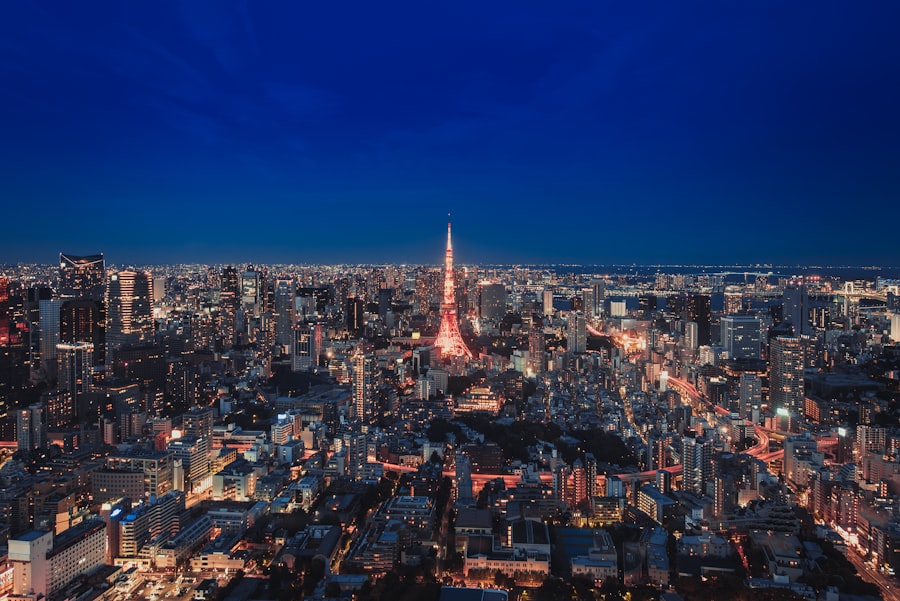
Beyond the fundamental economic and geographical factors, Tokyo’s cost of living is also influenced by the premium placed on convenience, quality, and meticulous attention to detail that underpins Japanese society. This commitment to excellence, while admirable, often comes with a higher price tag.
The “Omotenashi” Effect: Service with a Smile, and a Price
Japanese hospitality, known as “omotenashi,” is legendary for its attentiveness and dedication to customer satisfaction. This level of service, from perfectly presented meals to meticulously tidy hotel rooms, is deeply ingrained in the culture. While profoundly appreciated, this high standard of service often translates to higher labor costs, which are then reflected in the prices of goods and services.
Food and Dining: A Culinary Journey, At a Cost
Tokyo is a global culinary capital, boasting an unprecedented number of Michelin-starred restaurants and an incredible diversity of dining experiences. However, this comes at a price. Fresh, high-quality ingredients, often sourced locally with immense care, combined with the skill and labor of expert chefs, contribute to the cost of dining out. Even seemingly simple meals at a well-regarded establishment can rack up a significant bill.
The Art of Presentation: Aesthetics Add to the Price
The Japanese aesthetic often emphasizes beauty and meticulous presentation. This is evident in everything from the packaging of a simple pastry to the plating of a complex dish. While this adds to the overall experience, it also requires additional time, skill, and resources, which contribute to the final cost.
Quality and Durability: The “Made in Japan” Premium
There is a widespread perception and often a reality of high quality and durability associated with “Made in Japan” products. This commitment to craftsmanship and longevity can lead to higher manufacturing costs, which are then passed on to consumers. While the initial investment might be higher, these durable goods are often designed to last, potentially offering value over the long term.
The Lifespan of Goods: Investing in Quality
From appliances to textiles, Japanese consumers often prioritize quality and durability. This preference for goods that last longer can contribute to a higher perceived cost of individual items, but it also means less frequent replacement and a potentially more sustainable consumption pattern.
The Impeccable Public Transportation Network
While a triumph of engineering and efficiency, Tokyo’s world-class public transportation system, while remarkably affordable compared to private car ownership in many cities, still represents a significant daily expense for many. The sheer volume of usage and the extensive network require substantial ongoing investment and operational costs.
The Commuter’s Daily Toll: Fares and Passes
For individuals who commute daily using Tokyo’s intricate network of trains and subways, the cumulative cost of fares can add up considerably over time. While travel cards and monthly passes offer some savings, it remains a notable expense in the monthly budget.
The High Cost of Daily Necessities
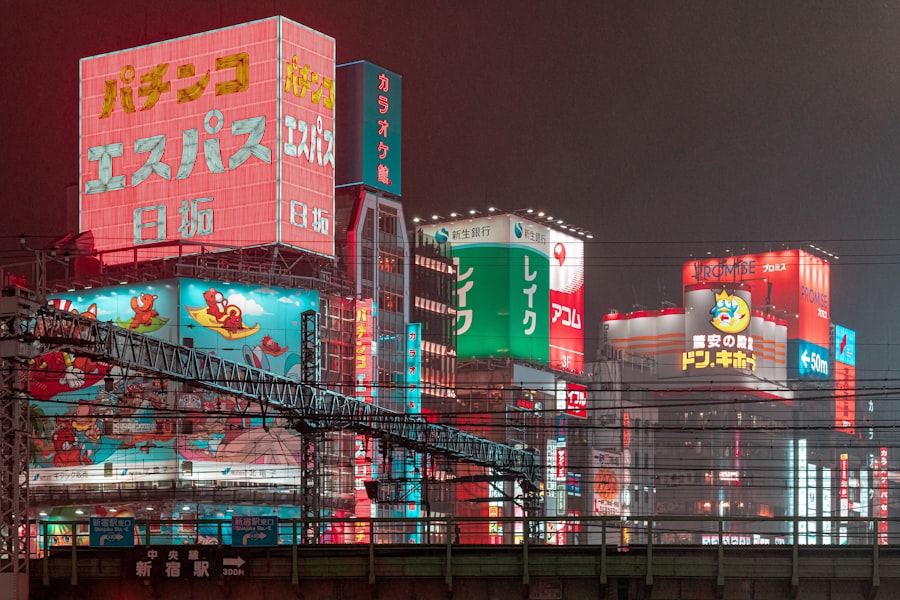
Beyond housing and transportation, the cost of everyday essentials in Tokyo can also surprise those unfamiliar with the city’s pricing structures. While some items might be competitive, others are consistently more expensive than in many other parts of the world.
Food and Groceries: A Tale of Two Markets
The cost of groceries in Tokyo can be a mixed bag. While staple items like rice and some local vegetables might be reasonably priced, imported foods, specialty items, and high-quality produce can be significantly more expensive. The emphasis on freshness and seasonality also plays a role.
The Supermarket Swing: From Aisles to Alleys
Shopping at large supermarkets in suburban areas can offer more competitive pricing for everyday groceries. However, smaller convenience stores and specialty food shops located in central, high-rent districts often charge a premium for their convenience and prime locations.
The Nutritional Premium: Healthy Choices Can Be Pricey
Maintaining a particularly healthy diet, replete with organic produce and specialized health foods, can be a costly endeavor in Tokyo. The demand for these niche products, coupled with the logistics of sourcing and distribution, often results in higher prices compared to conventional alternatives.
Utilities and Services: The Hidden Costs of Urban Living
While Japan has made strides in energy efficiency, the cost of utilities such as electricity, gas, and water can be a significant, albeit often overlooked, component of the monthly budget. These costs are influenced by global energy prices and the nation’s reliance on imported fuel.
Energy Consumption in Compact Living Spaces
Despite the often-compact nature of Tokyo apartments, the cost of electricity, particularly during the hot summer months for air conditioning and the cold winter months for heating, can add up substantially. This reflects the general energy costs within Japan.
The Digital Divide: Internet and Mobile Costs
The cost of internet and mobile phone services in Japan has historically been perceived as higher than in some other developed nations, though recent government initiatives have aimed to reduce these prices. Nonetheless, these essential services represent a recurring expense for all residents.
Tokyo is often cited as one of the most expensive cities in the world, a fact that can be attributed to various factors such as high demand for real estate, a robust economy, and the cost of living. For a deeper understanding of the economic dynamics at play, you can explore a related article that discusses the intricacies of Tokyo’s real estate market and its impact on overall expenses. This insightful piece can be found here, shedding light on why living in this vibrant metropolis comes with a hefty price tag.
The Social and Cultural Factors Driving Expenses
| Reasons | Explanations |
|---|---|
| High demand | Tokyo is a densely populated city with limited space, leading to high demand for housing and real estate. |
| Cost of living | Tokyo has a high cost of living, including expensive groceries, transportation, and entertainment. |
| Quality of life | Tokyo offers a high quality of life with excellent infrastructure, healthcare, and education, contributing to its high cost. |
| Global city | Tokyo is a major global financial and cultural hub, attracting businesses and individuals from around the world, driving up prices. |
| Land scarcity | Tokyo’s limited land availability and strict zoning regulations contribute to high property prices. |
Beyond the tangible economic and geographical drivers, subtle but significant social and cultural factors also contribute to Tokyo’s high cost of living. These ingrained societal norms and expectations subtly influence spending habits and create a market that accommodates higher price points for certain goods and services.
The Peer Pressure of Affluence: Keeping Up Appearances
In a city as economically robust and globally connected as Tokyo, there can be a subtle, yet palpable, pressure to maintain a certain standard of living and appearance. This can manifest in the desire to dine at popular restaurants, wear fashionable clothing, and participate in trend-driven activities, all of which contribute to increased spending.
The Influence of Fashion and Trends: A Constant Cycle
Tokyo is renowned for its cutting-edge fashion and dynamic trends. Keeping up with these ever-evolving styles can be expensive, as consumers are encouraged to purchase new items regularly to remain fashionable.
Social Gatherings and Entertainment: The Cost of Connection
Socializing in Tokyo, whether it’s drinks at a stylish bar, a meal at a trendy restaurant, or attending popular entertainment events, can become a significant expense. The high cost of venues and services in prime locations directly influences the price of these social activities.
The Value Placed on Education and Childcare
For families, the cost of education and childcare in Tokyo can be a substantial financial burden. The emphasis on high-quality education, including private tutoring and reputable preschools, contributes to these elevated expenses.
The Competitive Educational Landscape: From Preschool to University
The highly competitive nature of the Japanese education system means that parents often invest heavily in their children’s schooling. This includes private kindergartens, cram schools (juku), and university tuition, all of which contribute significantly to household budgets.
Childcare Costs: Balancing Work and Family
The demand for quality childcare in a city where both parents often work can lead to high fees for nurseries and daycare centers. This is a critical expense for working families and a significant factor in the overall cost of raising a child in Tokyo.
The Economic Cycle of Innovation and Investment
Tokyo is a hub of innovation and a magnet for investment, particularly in technology and the service sector. This constant drive for advancement and the influx of capital can create a dynamic economy where the demand for skilled labor and cutting-edge solutions drives up costs across various industries.
The Technology Premium: Early Adoption and High-End Gadgets
Japan is often at the forefront of technological innovation. Consumers in Tokyo are frequently early adopters of the latest gadgets and technologies, which often come with a premium price tag. This demand fuels the market for high-end electronics and tech-related services.
The Service Economy’s Demand for Expertise
The sophisticated and service-oriented nature of Tokyo’s economy means there is a high demand for skilled professionals in various sectors. This competition for talent can lead to higher salary expectations, which are then factored into the cost of services provided.
In conclusion, the high cost of living in Tokyo is not attributable to a single factor but rather a complex interplay of geographical constraints, economic forces, and deeply ingrained cultural values. The scarcity of land drives up property values, the strength of the Yen impacts the cost of imports, and a societal emphasis on quality, convenience, and meticulous service commands a premium. While the challenges are undeniable, residents and visitors alike often find that the unique experiences, unparalleled opportunities, and vibrant culture of this extraordinary city offer a compelling, albeit expensive, reward. Understanding these multifaceted drivers is crucial for anyone contemplating a move to, or a visit to, this captivating global metropolis.

Why Japan Can’t Build Another Tokyo
FAQs
1. What factors contribute to the high cost of living in Tokyo?
Tokyo’s high cost of living can be attributed to factors such as high demand for housing, limited space, expensive real estate, and a strong economy.
2. How does the cost of housing in Tokyo compare to other major cities?
The cost of housing in Tokyo is among the highest in the world, with limited space and high demand leading to expensive real estate prices and rental costs.
3. What are some other expenses that contribute to the high cost of living in Tokyo?
In addition to housing, other expenses such as food, transportation, and entertainment also contribute to the high cost of living in Tokyo.
4. How does the strong economy in Tokyo impact the cost of living?
Tokyo’s strong economy leads to high wages and a high standard of living, but it also contributes to the high cost of living as demand for goods and services remains high.
5. Are there any benefits to living in Tokyo despite the high cost of living?
Despite the high cost of living, Tokyo offers a high standard of living, excellent public transportation, safety, and a wide range of cultural and entertainment opportunities.