Japan’s demographic shift presents a profound challenge to its urban fabric, with many cities grappling with the consequences of rapid population decline. This phenomenon, often referred to as urban shrinkage, is painting a starkly different picture than the meteoric rise of metropolises seen in many parts of the world. Instead of booming skylines and expanding suburbs, a growing number of Japanese municipalities are facing depopulation, aging infrastructure, and a dwindling tax base. The reasons behind this trend are multifaceted, stemming from a confluence of low birth rates, an aging population, and an ongoing migration of younger generations towards the few remaining massive urban centers. Understanding and addressing this complex issue is paramount for Japan’s future economic stability and social cohesion.
Japan’s demographic crisis is not a sudden storm but a slow, persistent tide that has been reshaping the nation for decades. Central to this shift is a declining birth rate far below replacement levels. For years, the total fertility rate has hovered around 1.4 children per woman, significantly less than the 2.1 needed to maintain a stable population. This low fertility is driven by a complex interplay of social, economic, and cultural factors. Economic pressures, including the high cost of raising children and the demanding nature of many careers, dissuade young couples from having families. Furthermore, changing societal expectations regarding marriage and child-rearing, coupled with a perceived lack of adequate support systems for working mothers, contribute to this trend. The result is a shrinking pool of young people entering the workforce and contributing to the tax base.
The Silent Stagnation: Fertility Rates and Their Impact
The persistently low fertility rates are the bedrock of Japan’s population decline. Unlike many Western nations where periods of low fertility have been interspersed with modest rebounds, Japan’s decline has been remarkably consistent. This has led to a cumulative effect, where each subsequent generation is smaller than the last.
Societal Shifts and the Delay of Parenthood
The traditional life course of marriage and childbearing has been significantly altered. Young Japanese individuals are increasingly prioritizing education and career development, often leading to a delay in marriage and, consequently, parenthood. The economic uncertainties of precarious employment further exacerbate this tendency, making the prospect of starting a family seem financially unfeasible for many.
Economic Pressures and the Burden of Child-Rearing
The perception that raising children in Japan is prohibitively expensive is a significant deterrent. The cost of education, housing, and daily necessities leaves little room for families with multiple children. This economic reality forces many to choose between career advancement and family expansion, with the latter often taking a backseat.
The Graying of the Archipelago: An Aging Population Accelerates Decline
Compounding the issue of low birth rates is Japan’s rapidly aging population. With one of the highest life expectancies in the world, the proportion of elderly citizens within the population continues to grow. This demographic imbalance creates a significant strain on social security systems, healthcare, and the labor market. As the working-age population shrinks, there are fewer individuals to support the growing number of retirees.
The Burden of Care and the Shrinking Workforce
The increasing ratio of elderly individuals necessitates a greater demand for care services and medical attention. However, the aging population also means a shrinking pool of available caregivers, often falling on younger family members who may also be part of the dwindling workforce. This creates a double burden, impacting both economic productivity and familial well-being.
A Generational Divide in Consumption and Innovation
The preferences and consumption patterns of an older population differ significantly from those of younger demographics. This can lead to a stagnation in demand for certain goods and services, impacting economic growth. Furthermore, a greying workforce can sometimes lead to a slower pace of innovation and adoption of new technologies, although many Japanese elderly are actively engaged with technology.
The Siren Song of the Metropolis: Rural-Urban Migration Dynamics
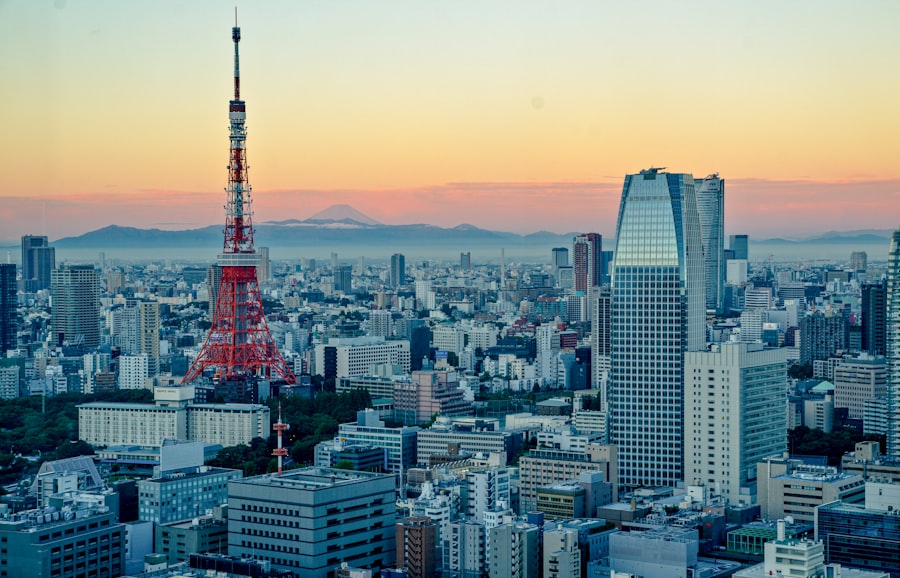
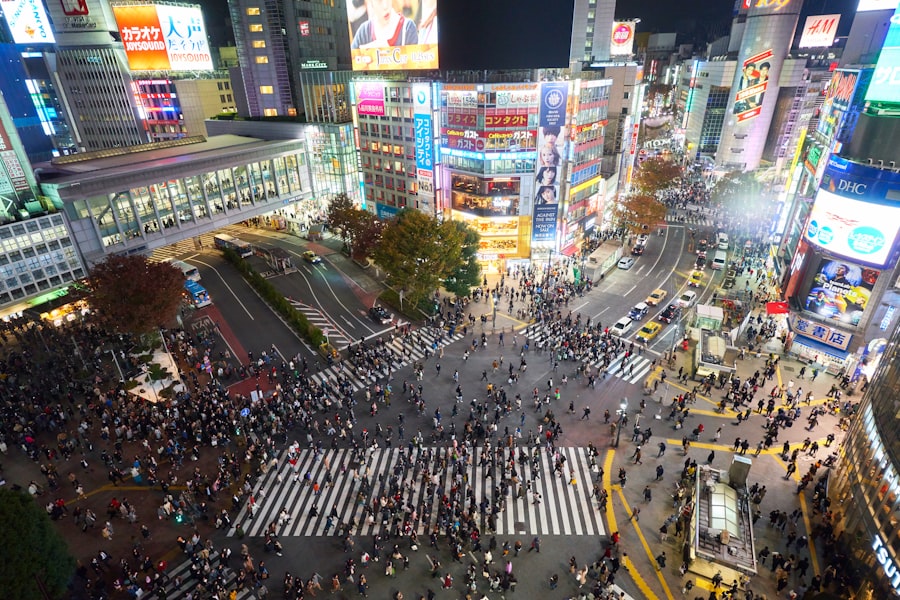
While many regions are experiencing depopulation, Japan’s major metropolitan areas, particularly Tokyo, Osaka, and Nagoya, continue to attract a significant influx of people. This rural-to-urban migration is driven by the concentration of economic opportunities, educational institutions, and a more dynamic social environment in these urban centers. Young people, seeking better job prospects and a more stimulating life, often leave their hometowns, exacerbating the decline in rural and smaller urban areas.
Limited Opportunities in the Periphery
Smaller cities and rural areas often lack the diverse job markets and advanced educational facilities that draw young people to the metropolises. The decline in traditional industries, such as agriculture and manufacturing, has further diminished economic opportunities in these regions.
The Allure of Urban Lifestyle and Social Networks
Beyond economic factors, the vibrant social scenes, cultural attractions, and diverse lifestyle options offered by major cities are powerful magnets for younger generations. The increased connectivity facilitated by modern communication also allows for easier integration into larger social networks in urban environments.
Japan’s shrinking cities present a unique set of challenges and opportunities, as urban areas grapple with declining populations and the implications for infrastructure and community life. A related article that delves into this topic can be found at MyGeoQuest, where it explores the socio-economic factors contributing to urban shrinkage in Japan and potential strategies for revitalization. This resource provides valuable insights into how cities can adapt to changing demographics while fostering sustainable growth.
The Visible Scars: Manifestations of Urban Shrinkage
The abstract demographic trends translate into tangible challenges for shrinking cities across Japan. These challenges manifest in a variety of ways, impacting the physical landscape, the functionality of urban infrastructure, and the very fabric of community life. From abandoned buildings to strained public services, the visible scars of depopulation are becoming increasingly evident.
The Ghost Towns of Tomorrow: Abandoned Houses and Vacant Properties
One of the most visible signs of urban shrinkage is the proliferation of “akiya,” or vacant houses. As populations decline, homes are left unoccupied, often falling into disrepair. This phenomenon not only detracts from the aesthetic appeal of cities but also poses safety and environmental concerns. The sheer number of vacant properties can lead to a decline in property values, further discouraging investment and making it difficult for remaining residents to sell their homes.
The Economic Fallout of Empty Homes
The decline in property values associated with vacant homes can have a significant impact on the local tax base. Reduced property tax revenue limits a municipality’s ability to fund essential public services, creating a vicious cycle of decline. Furthermore, the presence of derelict properties can deter new businesses and residents from moving into an area.
Safety and Environmental Hazards of Neglected Properties
Dilapidated buildings can become breeding grounds for pests, fire hazards, and even collapse, posing risks to neighboring properties and public safety. The visual blight of decaying structures can also demoralize existing residents and contribute to a sense of neglect.
Japan’s shrinking cities have become a pressing issue as urban areas face declining populations and economic challenges. This phenomenon is not only affecting the demographics but also the infrastructure and local economies of these regions. For a deeper understanding of the implications and potential solutions to this issue, you can explore a related article that discusses various aspects of urban decline and revitalization efforts. To read more about this topic, visit this insightful article which delves into the complexities surrounding Japan’s urban landscape.
The Strain on Essential Services: A Diminishing Tax Base, Diminishing Support
As populations shrink and the tax base erodes, municipalities face increasing difficulty in maintaining essential public services. The cost of providing services like healthcare, education, public transportation, and waste management remains relatively fixed, or even increases with an aging population, while the revenue to fund them diminishes. This often leads to service cutbacks, reduced operating hours, and the potential closure of facilities.
The Crisis in Healthcare Access
With fewer younger residents and an increasing elderly population, the demand for healthcare services escalates. However, the shrinking tax base makes it challenging to attract and retain medical professionals, leading to a potential shortage of doctors and nurses, particularly in rural and smaller urban areas. This can result in longer wait times and reduced access to quality healthcare for residents.
The Decline of Local Education Systems
Schools in shrinking cities often face declining enrollment, leading to consolidation or even outright closure of educational institutions. This can diminish the quality of education available to children and make it less attractive for young families to settle in these areas, further perpetuating the cycle of depopulation.
The Transportation Conundrum: Empty Buses and Underutilized Networks
Public transportation systems, often designed for larger populations, become increasingly inefficient and costly to maintain as passenger numbers dwindle. Bus routes may be reduced or eliminated, leading to decreased mobility for residents, particularly the elderly and those without private vehicles. This further isolates communities and hinders economic activity.
The Challenge of Maintaining Infrastructure
Beyond public transportation, the general maintenance of roads, bridges, and other public infrastructure becomes a significant financial burden when the tax revenue is insufficient. Deferred maintenance can lead to deteriorating conditions and eventually more costly repairs.
The Disconnect Between Services and Needs
Shrinking cities often face a mismatch between the services they can afford to provide and the evolving needs of their remaining, often older, population. This can lead to a decline in the overall quality of life and exacerbate feelings of isolation and marginalization.
The Policy Imperative: Strategies for a Shrinking Future
Addressing the complex challenges of urban shrinkage requires a multi-pronged approach involving innovative policy interventions and a fundamental rethinking of urban development strategies. Simply waiting for demographic trends to reverse is not a viable option. Governments, at both national and local levels, are exploring a range of measures to mitigate the negative impacts and, where possible, revitalize affected communities.
Revitalization and Attracting New Residents: A Targeted Approach
One key strategy involves focused efforts to revitalize declining areas and attract new residents, including younger families and skilled workers. This can encompass a variety of initiatives aimed at improving living conditions, creating economic opportunities, and fostering a sense of community.
Incentives for New Businesses and Start-ups
Municipalities are exploring tax breaks, subsidies, and streamlined bureaucratic processes to encourage businesses to set up operations in shrinking cities. This can create much-needed jobs and inject economic vitality into the local economy. The focus is often on leveraging existing strengths or fostering new industries that align with local resources and potential.
Promoting Remote Work and Digital Nomads
The rise of remote work presents an opportunity for shrinking cities to attract individuals and families who are not tied to a specific geographic location for employment. Offering affordable housing, reliable internet infrastructure, and attractive lifestyle amenities can make these areas appealing to digital nomads and remote workers seeking a different pace of life.
Leveraging Unique Local Assets and Tourism
Many shrinking cities possess unique cultural heritage, natural beauty, or niche industries that can be leveraged for tourism and economic development. Investing in infrastructure, marketing, and the development of attractions can draw visitors and create new revenue streams. This can also involve supporting local artisans and traditional crafts.
Rethinking Urban Planning and Service Delivery: Adapting to Smaller Populations
Effective urban planning and innovative service delivery models are crucial for adapting to declining populations. This involves optimizing resource allocation, consolidating services where necessary, and developing solutions that are sustainable in the long term.
Smart City Technologies and Efficient Resource Management
The implementation of smart city technologies can help optimize the delivery of public services. This includes smart grids for energy management, intelligent transportation systems to manage reduced public transport, and digital platforms for citizen engagement and service access. These technologies can improve efficiency and reduce costs.
Consolidating Services and Shared Municipalities
In cases of severe depopulation, municipalities may consider consolidating services or even merging with neighboring entities to achieve economies of scale and ensure the continued provision of essential services. This can lead to more efficient resource allocation and a broader tax base.
Embracing Compact City Models and Mixed-Use Development
Rather than spreading resources thinly across a large geographical area, shrinking cities can benefit from focusing development within more compact, walkable areas. This involves promoting mixed-use development, where residential, commercial, and recreational spaces are integrated, creating vibrant, self-sustaining neighborhoods.
Fostering Community Engagement and Social Cohesion: The Human Element of Resilience
Beyond policy and planning, fostering strong community ties and social cohesion is essential for the resilience of shrinking cities. Empowering residents, encouraging volunteerism, and creating opportunities for social interaction can help combat feelings of isolation and build a sense of shared purpose.
Empowering Local Initiatives and Citizen Participation
Encouraging residents to take an active role in shaping their communities is vital. This can involve supporting local initiatives, forming community associations, and providing platforms for citizen input on policy decisions. When residents feel invested, they are more likely to contribute to the revitalization of their city.
Intergenerational Programs and Knowledge Transfer
Creating opportunities for interaction and collaboration between different age groups can be incredibly beneficial. Intergenerational programs can facilitate the transfer of knowledge and skills, foster mutual understanding, and build stronger social bonds. This can be particularly valuable in addressing the needs of an aging population.
Supporting the “Third Sector” and Non-Profit Organizations
Non-profit organizations and community groups often play a crucial role in filling service gaps and providing vital support networks in shrinking cities. Governments can support these organizations through funding, resources, and facilitation, recognizing their essential contribution to community well-being.
The Future Imperfect: Navigating the Challenges of Permanence
The reality of urban shrinkage in Japan is not a temporary setback but a fundamental demographic shift that will continue to shape the nation for decades to come. While the challenges are significant, they also present an opportunity for profound societal and urban transformation. The success of Japan’s shrinking cities will ultimately depend on its ability to embrace innovation, adapt its policies, and foster a sense of collective responsibility.
A Long-Term Perspective on Demographic Realities
It is crucial to acknowledge that a significant reversal of Japan’s low birth rate and aging population is unlikely in the short to medium term. Therefore, policies and strategies must be developed with a long-term perspective, focusing on sustainable adaptation rather than solely on aspirational population growth. This requires a shift in mindset from growth-centric development to one that prioritizes quality of life and resilience.
The Need for Innovation and Adaptability
The strategies employed to address urban shrinkage must be flexible and adaptable. What works in one city may not be effective in another, and continuous evaluation and refinement of approaches will be necessary. Embracing experimentation and learning from both successes and failures will be key.
The Role of National and Local Collaboration
Addressing urban shrinkage requires a coordinated effort between national and local governments. National policies can provide a framework and financial support, while local municipalities are best placed to understand their unique challenges and tailor solutions accordingly. Strong intergovernmental collaboration is essential.
Beyond Decline: Embracing a New Urban Paradigm
The narrative of urban shrinkage can also be reframed from one of inevitable decline to one of evolution and adaptation. It presents an opportunity to build more sustainable, livable, and human-centered cities, freed from the pressures of relentless growth. This new urban paradigm may prioritize quality of life, community well-being, and environmental sustainability over sheer size and economic expansion.
The Potential for a Higher Quality of Life
With reduced population density, shrinking cities can potentially offer a higher quality of life, with less congestion, more green spaces, and a stronger sense of community. The focus can shift from rapid economic growth to fostering a more balanced and fulfilling existence for residents.
A Focus on Sustainable and Resilient Urbanism
The constraints of shrinking populations can drive innovation in sustainable urbanism. This includes developing energy-efficient infrastructure, promoting local food systems, and prioritizing environmental conservation. The resulting cities may be more resilient to future challenges, both environmental and demographic.
A Global Context: Lessons for Other Aging Societies
Japan’s experience with urban shrinkage provides valuable lessons for other aging societies around the world. As many developed nations grapple with similar demographic trends, the strategies and policy innovations emerging from Japan offer a roadmap for navigating the complexities of depopulation and an aging population. The sharing of knowledge and best practices will be crucial in addressing this evolving global challenge.
The Universal Nature of Demographic Change
Population aging and declining birth rates are not unique to Japan. They are global phenomena affecting numerous countries. Japan’s proactive response, while facing its own unique challenges, offers a pioneering study in adaptation and resilience. Observing its successes and failures can inform policies worldwide.
The Importance of Proactive Planning and Social Innovation
The ongoing challenges highlight the critical importance of proactive planning and social innovation. Societies that anticipate and address demographic shifts head-on are better positioned to mitigate negative consequences and create more equitable and sustainable futures for all their citizens. The lessons learned from Japan underscore the need for foresight and a willingness to embrace change.

Why Japan Can’t Build Another Tokyo
FAQs
What are shrinking cities in Japan?
Shrinking cities in Japan refer to urban areas that are experiencing a decline in population and economic activity. This phenomenon is primarily attributed to factors such as aging populations, low birth rates, and rural-to-urban migration.
What are the causes of Japan’s shrinking cities?
The causes of Japan’s shrinking cities include an aging population, low birth rates, and rural-to-urban migration. These factors have led to a decline in the population and economic activity in many urban areas across the country.
How is Japan addressing the issue of shrinking cities?
Japan is addressing the issue of shrinking cities through various initiatives, including urban revitalization projects, efforts to attract young families and businesses to these areas, and the development of policies to support sustainable urban development.
What are the potential consequences of Japan’s shrinking cities?
The potential consequences of Japan’s shrinking cities include a decline in economic activity, an increased burden on social welfare systems, and a loss of cultural heritage and community identity. These issues can also have broader implications for the country’s overall economic and social well-being.
What are some examples of shrinking cities in Japan?
Some examples of shrinking cities in Japan include Nagoya, Sapporo, and Fukuoka. These cities have experienced population declines and are facing challenges related to aging populations and economic stagnation.