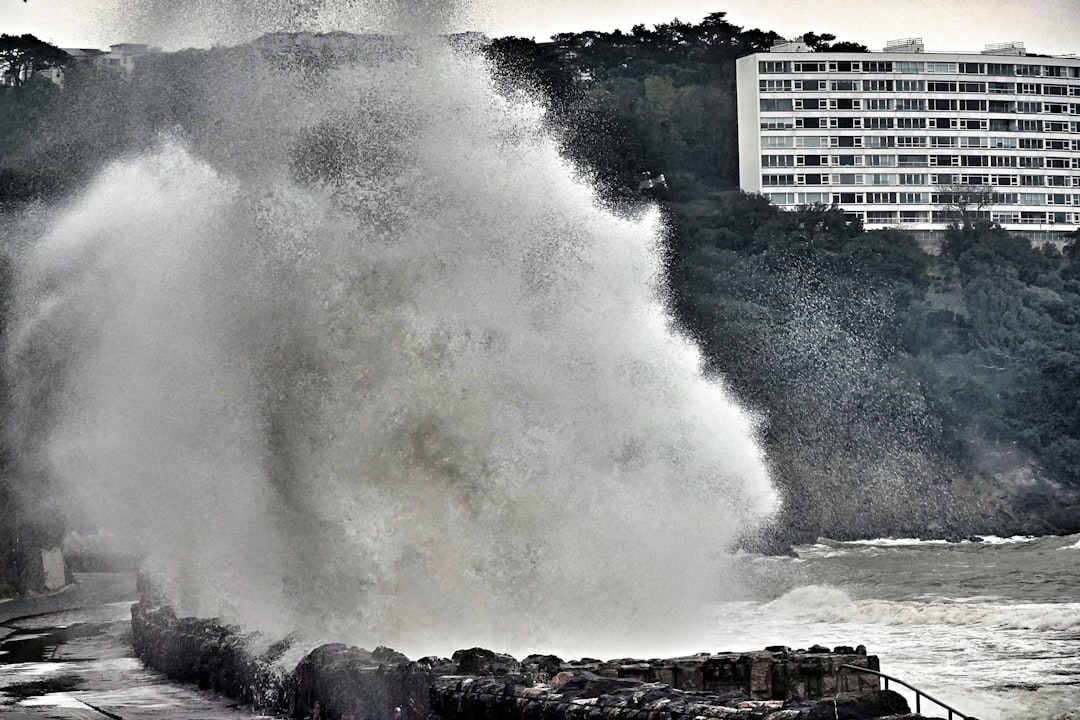
Japan, a nation perpetually poised on the edge of seismic upheaval and the lurking threat of devastating tsunamis, has long been at the forefront of developing and implementing sophisticated protection measures. The memory of catastrophic events, particularly the 2011 Tohoku earthquake and tsunami, has spurred an unparalleled commitment to safeguarding its coastal communities. This dedication manifests in a multi-layered approach, encompassing formidable engineering marvels, early warning systems, evacuation preparedness, and innovative research. Japan’s advanced tsunami protection is not merely a series of structures; it is a testament to resilience, foresight, and a profound respect for the raw power of nature.
Japan’s most visible and substantial tsunami defenses are its colossal seawalls and breakwaters. These immense structures, often stretching for miles along coastlines, stand as the first line of defense against the

Why Japan Can’t Build Another Tokyo
FAQs
What is the purpose of Japan’s tsunami protection measures?
Japan’s tsunami protection measures are designed to minimize the impact of tsunamis on coastal communities, infrastructure, and the economy. These measures include seawalls, tsunami evacuation routes, early warning systems, and land use planning.
How does Japan’s early warning system for tsunamis work?
Japan’s early warning system for tsunamis relies on a network of seismometers and ocean-bottom pressure sensors to detect earthquakes and tsunamis. When a potentially tsunamigenic earthquake is detected, warnings are issued through various channels, including sirens, TV and radio broadcasts, and mobile phone alerts.
What are some of the key features of Japan’s tsunami protection infrastructure?
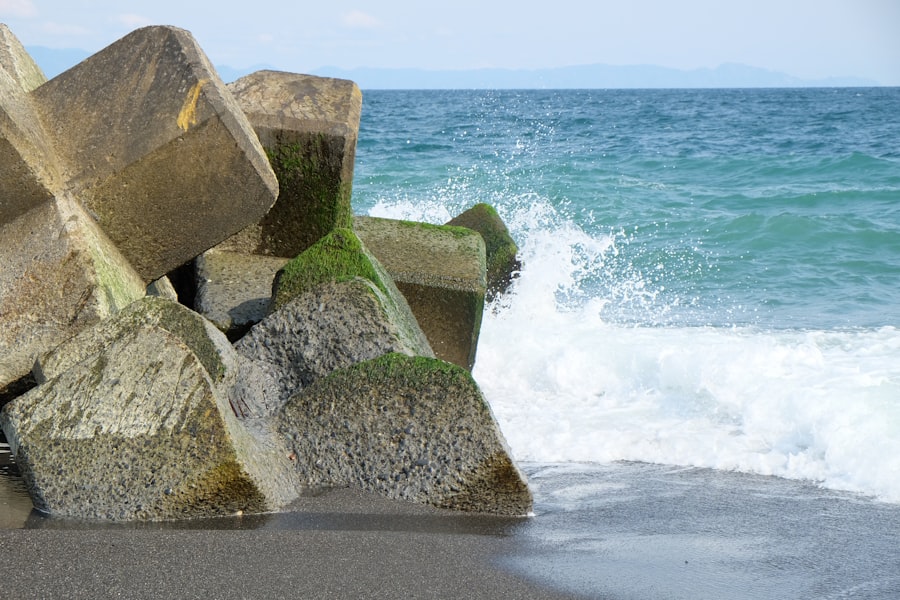
Japan’s tsunami protection infrastructure includes seawalls, breakwaters, and coastal embankments designed to reduce the impact of tsunamis on coastal areas. In addition, the country has designated tsunami evacuation buildings and routes, as well as vertical evacuation structures in some areas.
How does Japan’s land use planning contribute to tsunami protection?
Japan’s land use planning takes into account the risk of tsunamis, with zoning regulations and building codes aimed at reducing vulnerability to tsunamis. This includes restrictions on construction in high-risk areas and requirements for buildings to be designed to withstand tsunami forces.
What are some ongoing challenges in Japan’s efforts to protect against tsunamis?
Despite Japan’s extensive efforts to protect against tsunamis, there are ongoing challenges, including the need for continuous maintenance and upgrades of existing infrastructure, as well as the potential for underestimating the magnitude of future tsunamis. Additionally, the country faces the difficulty of balancing the preservation of natural coastal environments with the need for protective measures.