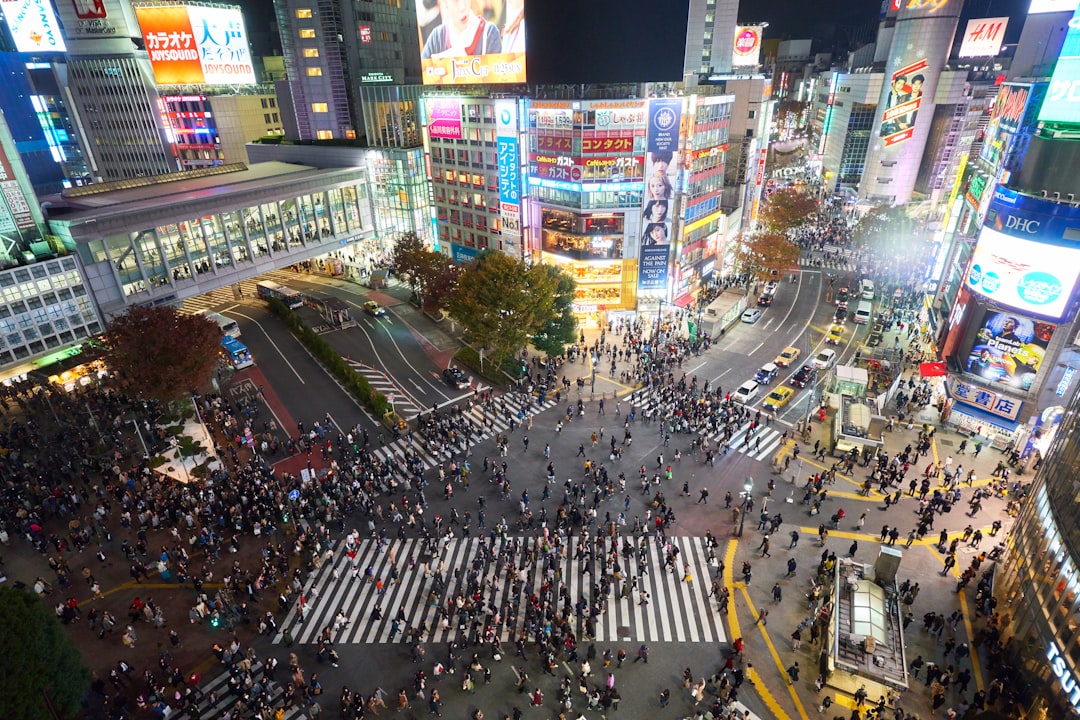
Japan faces a complex and multifaceted challenge stemming from its dense population and limited geographical space, a situation often described as an “overcrowding crisis.” This crisis is not solely about the sheer number of people, but rather the intricate interplay of historical population growth, rapid urbanization, and the island nation’s finite landmass. The consequences are far-reaching, impacting everything from housing affordability and infrastructure strain to environmental pressures and the very fabric of daily life. Understanding this intricate web requires a deep dive into its causes, its manifestations, and the ongoing efforts to mitigate its effects.
Japan’s population has not always been as concentrated as it is today. Its history reveals periods of growth and stagnation, deeply intertwined with its socio-economic and political evolution.
The Meiji Restoration and Imperial Ambitions
The Meiji Restoration, beginning in 1868, marked a pivotal turning point. This period of rapid modernization and industrialization fueled unprecedented population growth. As Japan transformed from a feudal society to a modern nation-state, advancements in public health, sanitation, and agriculture led to a significant decline in mortality rates. Simultaneously, a nationalistic fervor and imperial ambitions encouraged larger families, viewing population as a measure of national strength. This era laid the groundwork for the demographic shifts that would profoundly shape the nation in the decades to come. The influx of people from rural areas to burgeoning urban centers began in earnest, driven by the promise of factory work and economic opportunity.
Post-World War II Baby Boom and Economic Miracle
The period following World War II witnessed another significant population surge, often referred to as the “post-war baby boom.” Fueled by a sense of optimism, renewed peace, and a desire to rebuild the nation, families expanded. This demographic wave coincided with Japan’s remarkable “economic miracle,” a period of sustained high growth that propelled the country to global economic prominence. The expanding economy demanded a larger workforce, further incentivizing population growth. Cities, already expanding, swelled further as people migrated in search of employment in booming industries. This era cemented the concentration of the Japanese population in its major metropolitan areas, laying the foundation for many of today’s overcrowding challenges.
The Shift Towards Lower Fertility Rates and Demographic Imbalance
In stark contrast to the population booms of the past, Japan has more recently experienced a dramatic decline in its fertility rate. Several factors contribute to this phenomenon, including the rising cost of raising children, increased female participation in the workforce and higher education, and evolving social norms regarding marriage and family size. This shift has led to an aging population and a shrinking workforce, creating a demographic imbalance that presents its own set of complex challenges. While the immediate perception of overcrowding might stem from a large population, the long-term implications of a declining birth rate and an aging society are equally, if not more, concerning for Japan’s future sustainability.
Japan’s perception of overcrowding can be attributed to various factors, including its high population density, urbanization, and limited land availability. An insightful article that delves deeper into this issue is available at MyGeoQuest, where it explores the implications of Japan’s demographic trends and urban planning challenges. The article highlights how these elements contribute to the feeling of congestion in both rural and urban areas, making it a compelling read for those interested in understanding the complexities of Japan’s population dynamics.
Urbanization: The Magnetic Pull of Metropolises
The concentration of Japan’s population is not a uniform distribution but rather a stark clustering within its major urban centers. This relentless wave of urbanization is a primary driver of the overcrowding crisis in these areas, creating both opportunities and immense pressures.
Tokyo: The Epicenter of Density
Tokyo, the world’s most populous metropolitan area, stands as the prime example of Japan’s urban overcrowding. Its sheer density of people, infrastructure, and economic activity creates a unique set of challenges. The daily commute for millions of Tokyo residents is a testament to this density, with packed trains and long travel times becoming a normalized feature of life. The constant demand for housing has driven property prices to astronomical levels, making homeownership an aspiration increasingly out of reach for many. The strain on public services, from waste management to healthcare, is immense, requiring constant innovation and significant investment.
Japan’s perception of overcrowding can be attributed to various factors, including its dense urban population and limited land availability. The bustling cities, particularly Tokyo, often leave residents feeling overwhelmed by the sheer number of people in public spaces. For a deeper understanding of this phenomenon, you can explore the article that discusses the intricate relationship between urban planning and population density in Japan. This insightful piece can be found here and provides a comprehensive look at why many Japanese citizens experience a sense of overcrowding in their daily lives.
Osaka, Nagoya, and Other Metropolitan Hubs
Beyond Tokyo, other major metropolitan areas like Osaka and Nagoya also grapple with significant population density. These cities, while perhaps not reaching the same extreme levels as Tokyo, share many of the same overcrowding issues. Industrial and economic development historically concentrated in these regions, drawing substantial populations from surrounding rural areas. The ripple effects of this urbanization are felt across these regions, impacting traffic congestion, housing availability, and the overall quality of urban living. The competition for space is a constant theme, influencing urban planning, infrastructure development, and the preservation of green spaces.
The Decline of Rural Areas and the Urban-Rural Divide
As cities grow, many rural areas in Japan have experienced depopulation. This creates a stark urban-rural divide, with aging populations and dwindling workforces in the countryside. While this might alleviate pressure in some rural locales, it exacerbates the overcrowding in urban centers. The flight of young people to cities contributes to the decline of traditional industries and local economies in rural regions, creating a cycle of depopulation and economic stagnation. This divergence in population density and economic vitality presents a significant challenge for national cohesion and balanced development.
Manifestations of the Overcrowding Crisis
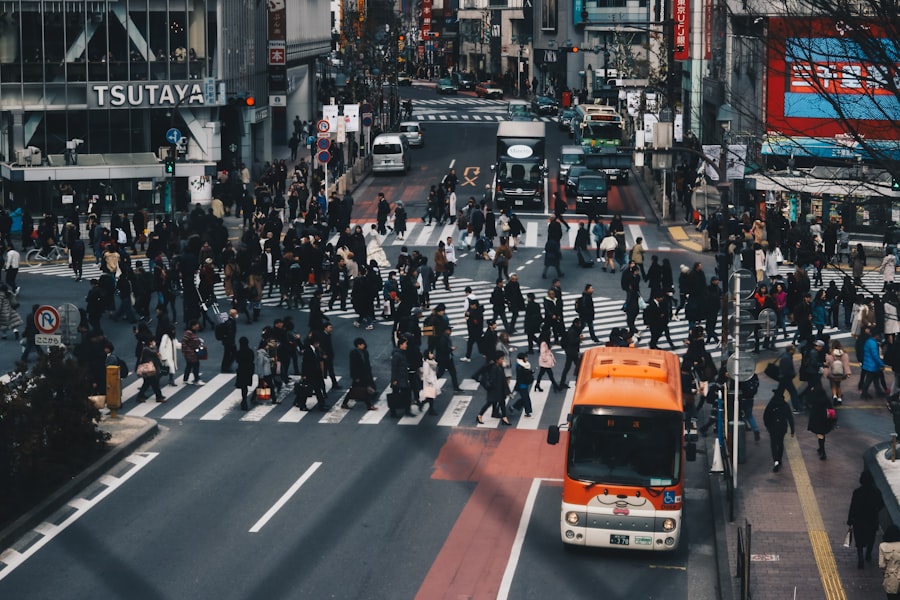
The pressures of a large population in a limited space manifest in tangible

Why Japan Can’t Build Another Tokyo
FAQs
1. What is the population density of Japan?
Japan has a population density of approximately 336 people per square kilometer, making it one of the most densely populated countries in the world.
2. What are the main factors contributing to Japan’s feeling of overcrowding?
Several factors contribute to Japan’s feeling of overcrowding, including limited habitable land due to its mountainous terrain, high urbanization rates, and a rapidly aging population.
3. How does overcrowding impact daily life in Japan?
Overcrowding in Japan can lead to crowded public transportation, long commutes, limited housing options, and increased competition for resources and services. It can also contribute to high levels of stress and mental health issues.
4. What measures has Japan taken to address overcrowding?
Japan has implemented various measures to address overcrowding, including urban planning initiatives, investment in public transportation infrastructure, and efforts to revitalize rural areas to reduce the concentration of population in urban centers.
5. How does Japan compare to other countries in terms of population density?
Japan’s population density is higher than many other countries, including the United States, Canada, and Australia. However, it is lower than some other densely populated countries such as Singapore and Bangladesh.