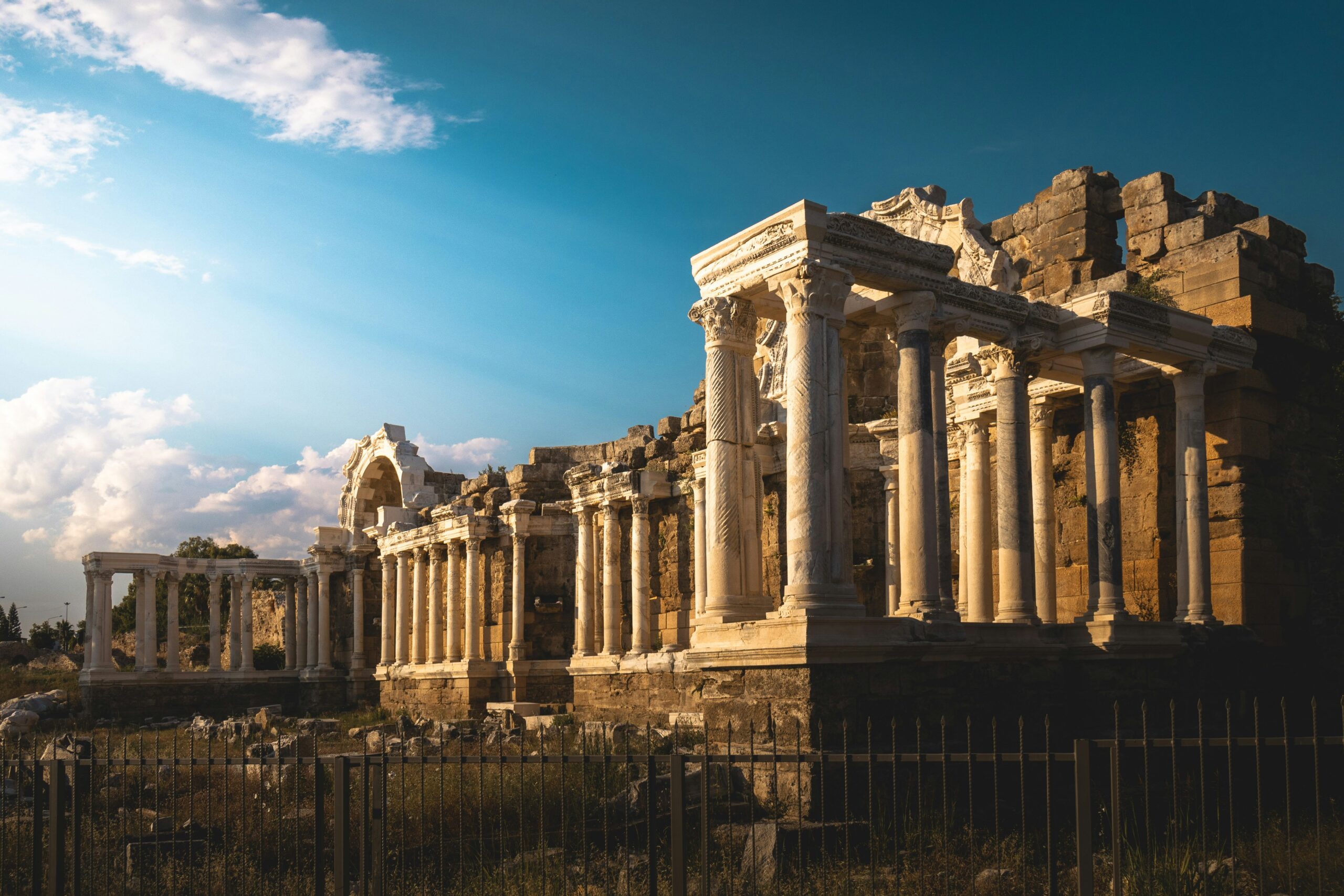
The ceaseless march of progress, a seemingly inexorable force, has undeniably reshaped the human experience. From the flickering embers of ancient hearths to the pulsating glow of global metropolises, civilization’s trajectory has been one of constant innovation and expansion. Yet, this ascendance has not been without its burdens. The weight of civilization, a complex tapestry of its achievements and its inherent costs, presses down upon humanity, demanding introspection and careful stewardship of its future.
The very inception of civilization was a monumental shift from the precarious existence of hunter-gatherer societies to the burgeoning stability of settled agrarian communities. This transition, while offering profound advancements, also sowed the first seeds of its subsequent weight.
The Agrarian Revolution and Its Unforeseen Consequences
The harnessing of agriculture allowed for surplus food production, a revolutionary concept that freed a portion of the population from the daily struggle for sustenance. This surplus, however, created

Why Japan Can’t Build Another Tokyo
FAQs

What is the concept of “civilization has weight”?
The concept of “civilization has weight” refers to the idea that the development and progress of a civilization comes with a certain level of responsibility and impact on the world. It suggests that as a civilization advances, it gains influence and power, but also carries the weight of its actions and decisions.
How does civilization impact the environment?
Civilization has a significant impact on the environment through activities such as industrialization, urbanization, and resource extraction. These activities can lead to deforestation, pollution, habitat destruction, and climate change, among other environmental issues.
What are some examples of the weight of civilization?
Examples of the weight of civilization include the depletion of natural resources, the production of waste and pollution, the displacement of indigenous communities, and the impact on global climate patterns. Additionally, the influence of civilization can be seen in geopolitical power dynamics and international relations.
What are the responsibilities of a civilization?
The responsibilities of a civilization include sustainable resource management, environmental conservation, social justice, and ethical decision-making. Civilizations are also responsible for addressing the consequences of their actions, such as mitigating environmental damage and supporting affected communities.
How can civilizations mitigate their impact and carry their weight responsibly?
Civilizations can mitigate their impact and carry their weight responsibly by implementing sustainable practices, investing in renewable energy sources, promoting conservation efforts, supporting marginalized communities, and participating in international agreements and initiatives aimed at addressing global challenges.