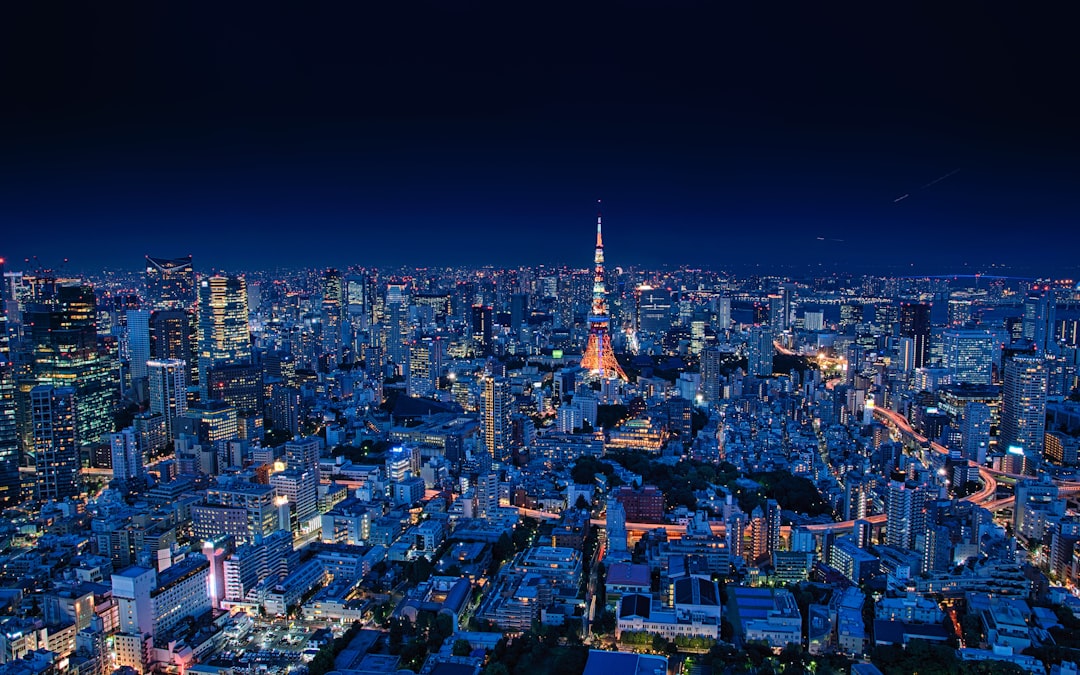
Japan’s urban landscapes, a mesmerizing blend of hyper-modernity and deeply rooted tradition, have long captivated the global imagination. From the neon-drenched streets of Tokyo to the serene temples of Kyoto, these sprawling metropolises are not mere collections of buildings; they are intricate ecosystems meticulously designed and constantly evolving. Understanding Japan’s urban planning is akin to deciphering a complex, multifaceted code, revealing a philosophy profoundly shaped by historical context, natural challenges, and a unique cultural emphasis on harmony and efficiency.
Japan’s journey through urban development is inextricably linked to its swift transition from an agrarian society to an industrial powerhouse in the late 19th and 20th centuries. This era of rapid modernization, particularly post-World War II, witnessed unprecedented urbanization and the construction of vast urban centers. However, this surge came with a significant caveat: Japan’s inherent vulnerability to natural disasters.
The “Making of Modern Japan” and its Urban Manifestations
Following the Meiji Restoration in

Why Japan Can’t Build Another Tokyo
FAQs
What is city planning in Japan?
City planning in Japan refers to the process of designing and organizing urban areas to ensure efficient use of space, infrastructure, and resources. It involves considerations for transportation, housing, public spaces, and environmental sustainability.
What are some key features of city planning in Japan?
Some key features of city planning in Japan include compact urban design, efficient public transportation systems, mixed-use zoning, and a focus on disaster preparedness. Additionally, there is an emphasis on preserving green spaces and incorporating traditional Japanese architecture into modern cityscapes.
How does Japan address population density in city planning?
Japan addresses population density in city planning through the development of high-rise buildings, efficient public transportation networks, and compact urban design. Additionally, the country promotes mixed-use zoning to maximize space and accommodate a growing population.
What role does public transportation play in Japan’s city planning?
Public transportation plays a crucial role in Japan’s city planning, with an extensive network of trains, subways, and buses connecting urban areas. This focus on public transportation helps reduce reliance on cars, minimizes traffic congestion, and promotes sustainable urban development.
How does Japan incorporate sustainability into city planning?
Japan incorporates sustainability into city planning through initiatives such as green building standards, renewable energy integration, waste management systems, and the preservation of natural landscapes. Additionally, there is a focus on creating resilient urban environments that can withstand natural disasters.