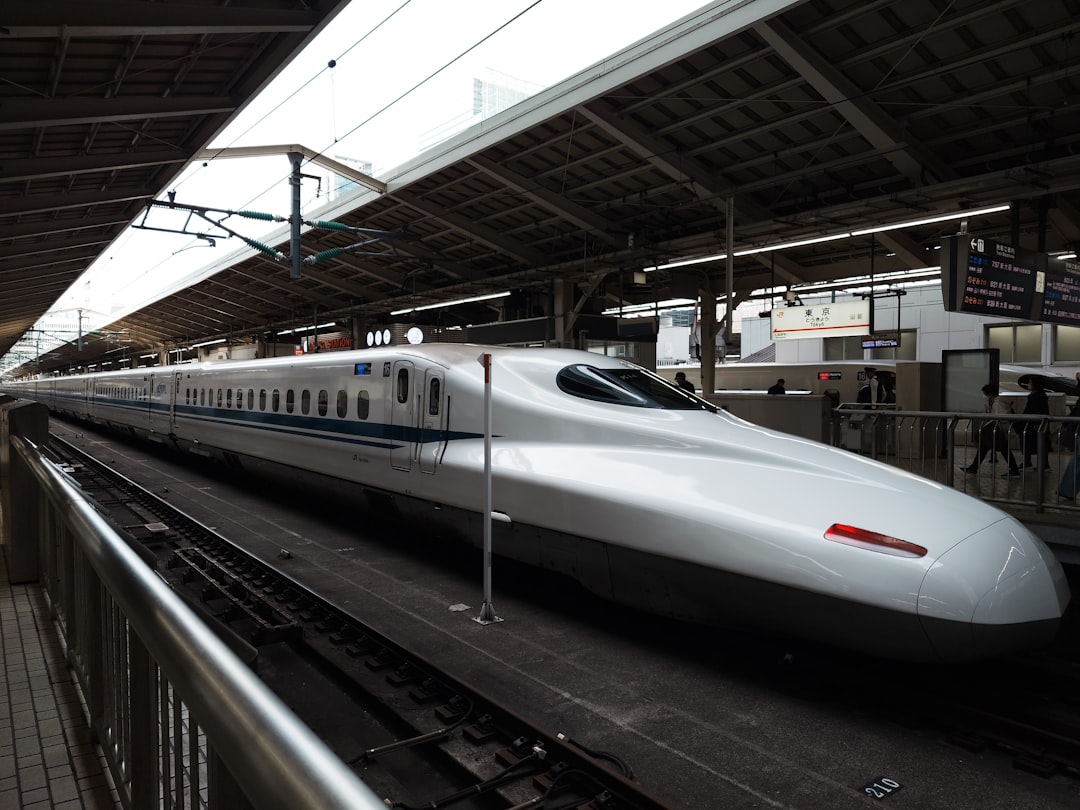
The Shinkansen, widely known as the bullet train, stands as a colossal testament to human ingenuity and a revolutionary force that irrevocably reshaped Japan’s transportation landscape. From its inception amidst the ashes of post-war reconstruction, this marvel of engineering has not only connected cities and facilitated economic growth but also fostered a unique cultural identity centered around punctuality, efficiency, and sophisticated design. Its impact transcends mere transit; it has become a symbol of Japan’s technological prowess and its unwavering commitment to progress, weaving itself into the very fabric of Japanese life. The journey from concept to reality was a monumental undertaking, fraught with technical hurdles and societal skepticism, yet the visionaries behind it persevered, dreaming of a future where travel was faster, safer, and more accessible than ever before. This is the story of how the Shinkansen became more than just a train; it became a revolution.
The seeds of the Shinkansen were sown in the fervent desire for recovery and modernization following the devastation of World War II. Japan, crippled by the war, was faced with the immense task of rebuilding its infrastructure and economy. The existing railway network, largely built during the Meiji era, was inadequate to meet the burgeoning demands of a rapidly industrializing nation. The need for a faster, more efficient way to move people and goods was palpable, acting as a catalyst for ambitious new thinking.
The Pre-Shinkansen Landscape: Slow, Congested, and Inefficient
Prior to the advent of the bullet train, Japanese rail travel was characterized by its limitations. The standard gauge tracks, inherited from pre-war designs, were often shared by both passenger and freight trains, leading to significant congestion and delays. The curvature of the existing lines, dictated by the terrain and limitations of earlier engineering, meant that trains could not achieve high speeds, making long-distance journeys arduous and time-consuming. This slow pace of travel not only hindered economic development by impeding the flow of business and trade but also limited the ability of people to connect with distant relatives and explore their own country. The romantic notion of train travel was often overshadowed by the reality of extended journeys, frequent stops, and the constant threat of derailment due to outdated infrastructure. The cramped carriages and the cacophony of sounds on the older lines were a far cry from the sleek, serene experience the Shinkansen would offer.
The Shinkansen, or bullet train, has significantly transformed Japan’s transportation landscape, enhancing connectivity and promoting economic growth across the nation. An insightful article that delves into the profound impact of the Shinkansen on Japan’s society and economy can be found at My Geo Quest. This resource explores how the introduction of high-speed rail has not only revolutionized travel but also influenced urban development and tourism, making it a crucial aspect of Japan’s modern infrastructure.
The Dream of High-Speed Rail: A Bold Response to National Needs
The concept of high-speed rail was not entirely new, with earlier, albeit less sophisticated, experiments in Germany and France. However, it was in Japan, with its particular set of challenges and aspirations, that the idea truly took flight. Engineers and visionaries recognized that simply upgrading the existing network would not suffice. A radical departure was required, a complete reimagining of what a railway could be. The vision was to create a dedicated, segregated line, built to modern specifications, capable of achieving speeds that would dramatically reduce travel times between major cities. This was not just about passenger convenience; it was about national resilience and economic competitiveness.
The Tokaido Line: The First Frontier of the Bullet Train
The choice of the Tokaido Line as the inaugural route for the Shinkansen was strategic. This corridor, connecting Tokyo and Osaka, the two economic powerhouses of Japan, was the busiest and most crucial railway artery in the country. The existing line, already straining under immense pressure, was a bottleneck that choked the nation’s development. The decision to build a new, high-speed line parallel to it was a bold and costly undertaking, requiring significant investment and political will. This initial project would serve as the proving ground for the revolutionary technologies that would define the Shinkansen. The sheer scale of the task, considering the limited resources available

Why Japan Can’t Build Another Tokyo
FAQs
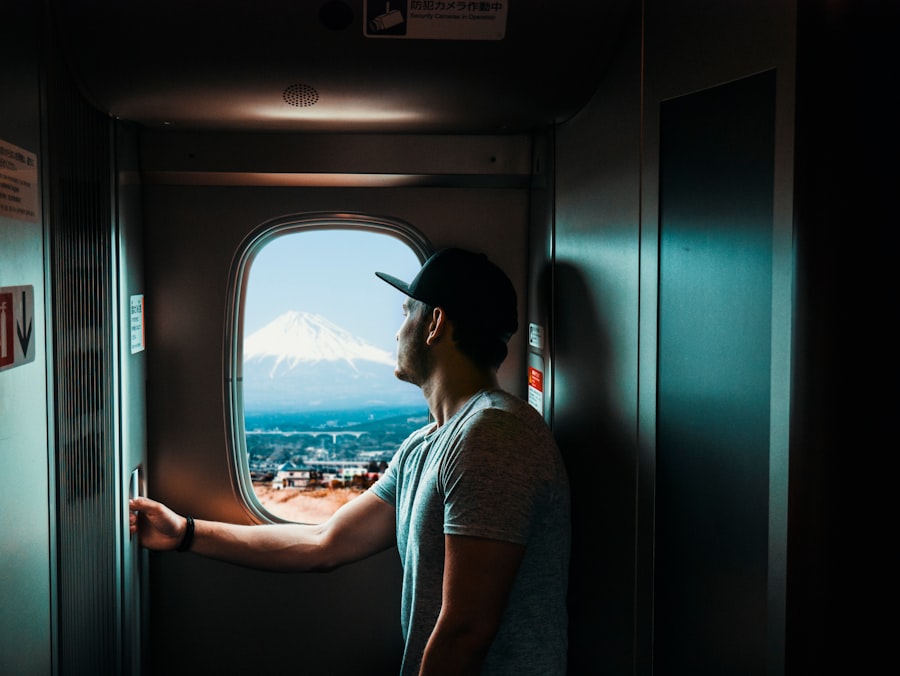
1. What is the Shinkansen?
The Shinkansen, also known as the “bullet train,” is a high-speed railway system in Japan that has been in operation since 1964. It is known for its punctuality, safety, and efficiency.
2. How has the Shinkansen changed Japan?
The Shinkansen has revolutionized transportation in Japan by significantly reducing travel times between major cities, promoting economic growth, and reducing reliance on air travel and automobiles.
3. What impact has the Shinkansen had on the environment?
The Shinkansen has contributed to a reduction in carbon emissions by providing a more sustainable alternative to air and road travel. Its efficient use of electricity and high passenger capacity have helped to minimize its environmental impact.
4. How has the Shinkansen influenced urban development in Japan?
The introduction of the Shinkansen has led to the development of new urban centers and the revitalization of existing ones, as it has made commuting between cities more convenient and accessible.
5. What are the future developments for the Shinkansen?
Japan continues to invest in the expansion and improvement of the Shinkansen network, with plans for new lines, increased speeds, and the introduction of advanced technologies to further enhance its efficiency and sustainability.