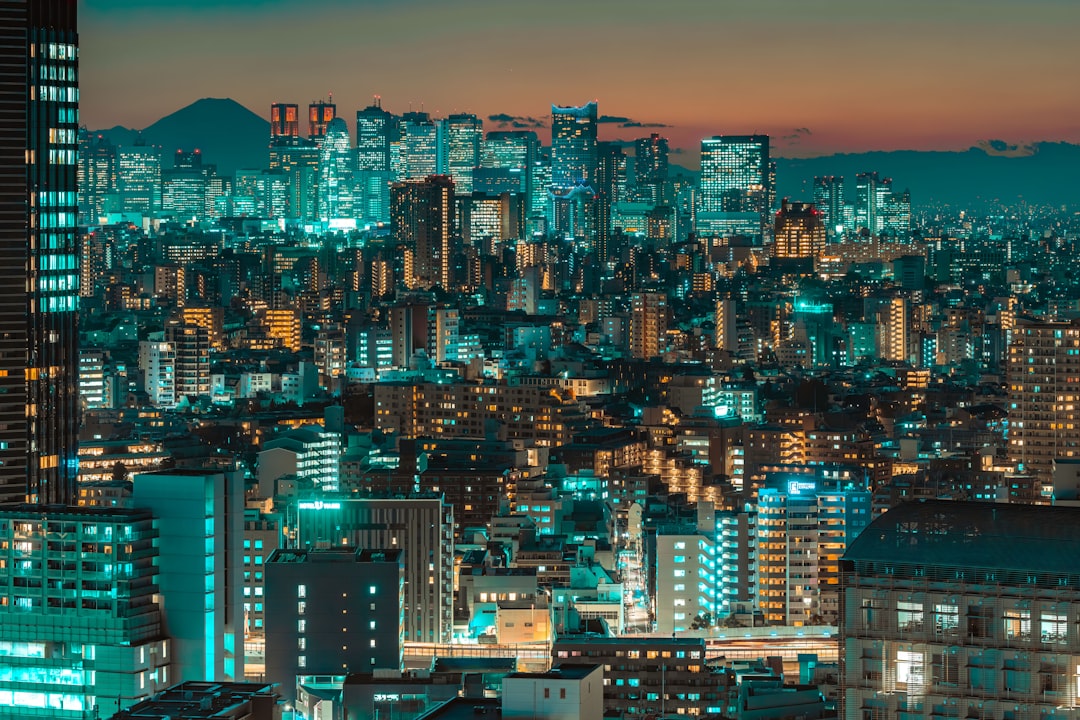
Urban Evolution: Japan’s Cities in the 21st Century
Japan’s urban landscapes are a testament to a dynamic interplay of tradition and hyper-modernity, a constant state of evolution that defines its cities in the 21st century. From the dizzying neon-lit canyons of Tokyo to the serene, garden-infused temples of Kyoto, Japanese urbanism offers a compelling case study in how densely populated metropolises navigate challenges of sustainability, technological integration, demographic shifts, and cultural preservation. This ongoing transformation is not merely architectural; it is a profound societal reshaping, driven by innovation, a deep respect for heritage, and a pragmatic approach to the future.
Tokyo, the beating heart of Japan, continues to exert an unparalleled influence on both national and global affairs. Its sheer scale and relentless pace of development are almost unimaginable, yet within its sprawling boundaries lie pockets of deep-rooted tradition and meticulously designed public spaces. The 21st century has seen Tokyo solidify its position as a truly global city, a magnet for talent, capital, and innovation, while simultaneously grappling with the complexities of managing such an immense population.
Economic Powerhouse and Innovation Incubator
Tokyo’s economic engine shows no signs of slowing. It remains a preeminent global financial center, hosting the Tokyo Stock Exchange and a vast concentration of multinational corporations and Japanese conglomerates. The city’s financial sector is highly sophisticated, characterized by advanced trading systems and a significant pool of investment capital. Beyond finance, Tokyo is a crucible of innovation across a multitude of industries. From cutting-edge robotics and artificial intelligence research emanating from universities and corporate labs to the consistently groundbreaking work in the anime, manga, and gaming sectors, Tokyo is a constant source of new ideas and trends that ripple

Why Japan Can’t Build Another Tokyo
FAQs
What are the major challenges facing Japan’s cities in the future?
Japan’s cities are facing challenges such as an aging population, declining birth rates, and urbanization. These factors are leading to a shrinking workforce and an increased demand for healthcare and social services.
How is Japan’s government addressing the future challenges of its cities?
The Japanese government is implementing various policies and initiatives to address the challenges facing its cities. These include promoting urban revitalization, investing in infrastructure, and supporting innovation and technology to create sustainable and resilient cities.
What are some potential future developments in Japan’s cities?
Potential future developments in Japan’s cities include the use of advanced technology for urban planning and management, the promotion of sustainable and eco-friendly infrastructure, and the creation of smart cities that utilize data and connectivity to improve quality of life for residents.
How will Japan’s cities adapt to an aging population and declining birth rates?
Japan’s cities are exploring various strategies to adapt to an aging population and declining birth rates, such as promoting active aging and creating age-friendly environments, providing support for caregivers, and developing innovative healthcare and social services.
What role will sustainability play in the future of Japan’s cities?
Sustainability will play a crucial role in the future of Japan’s cities, with a focus on reducing carbon emissions, promoting renewable energy sources, and implementing green building practices. The goal is to create environmentally friendly and resilient cities that can withstand the challenges of the future.