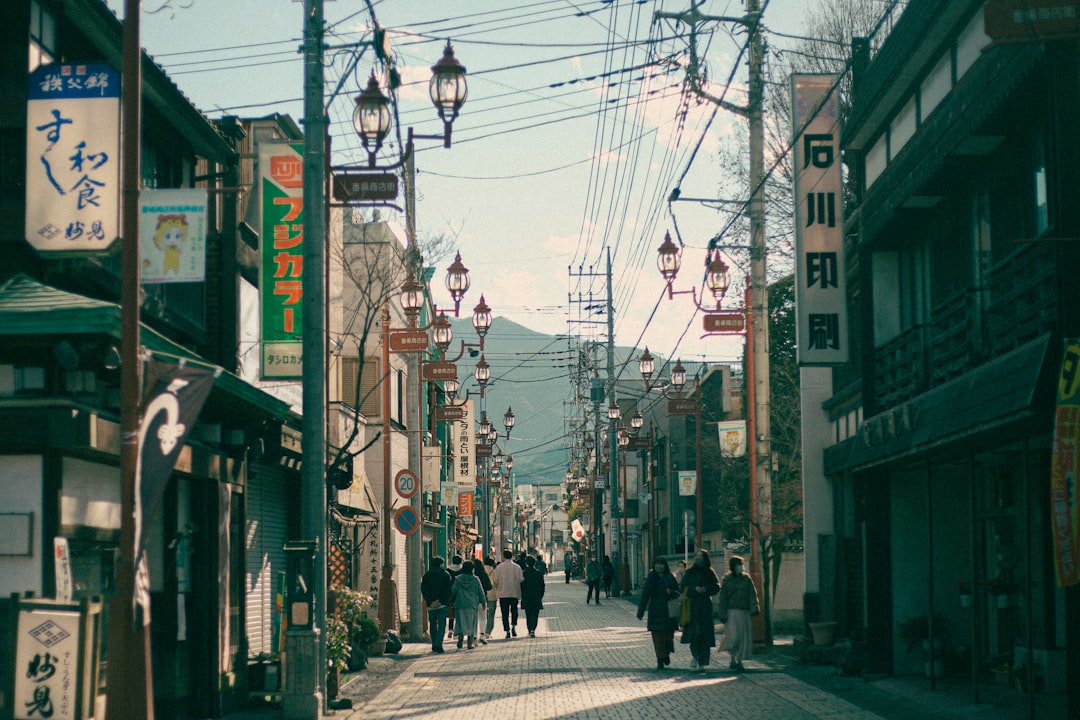
The allure of Japan is undeniable, a land where ancient traditions blend seamlessly with cutting-edge innovation, creating a tapestry of experiences unlike any other. For those seeking a deeper understanding of this captivating nation, a well-crafted documentary offers an invaluable window into its soul. This article delves into what makes a documentary about Japan truly illuminating, exploring the multifaceted elements that contribute to its fascinating narrative and providing a potential framework for such a cinematic journey of discovery.
The Heart of the Narrative: Unveiling Japan’s Core Identity
A compelling documentary about Japan goes beyond mere tourist snapshots. It endeavors to capture the very essence of what it means to be Japanese, exploring the bedrock of their cultural identity. This involves examining the historical underpinnings that have shaped the nation’s values and the contemporary forces that continue to sculpt its evolution.
Roots of Resilience: The Weight of History
To understand modern Japan, one must acknowledge the profound influence of its past. Documentaries often begin by tracing the country’s journey through significant historical periods, highlighting the events and philosophies that have left an indelible mark.
From Isolation to Modernity: The Meiji Restoration and Beyond
The Meiji Restoration, a pivotal period of rapid industrialization and Westernization in the late 19th century, is frequently a focal point. How did Japan, a formerly isolated feudal society, transform into a modern industrial power in such a short span? The documentary might explore the ingenuity and determination of the Japanese people during this transformative era, showcasing the adoption of Western technologies and political systems while striving to preserve their unique cultural identity. This segment could feature archival footage, expert interviews with historians, and perhaps even dramatic reenactments to bring this foundational period to life. The film could also touch upon the nation’s subsequent rise as a global economic powerhouse, its challenges during war, and its remarkable post-war recovery, emphasizing the resilience that seems to permeate the Japanese spirit.
The Echoes of Tradition: Samurai, Shogunate, and Imperialism
Beyond the Meiji Restoration, a deeper dive into earlier periods is crucial. The era of the samurai, with its strict codes of honor and martial prowess, offers a glimpse into a warrior class that shaped the nation’s social structure and ethos. The dominance of the Shogunate, a military dictatorship, and the subsequent re-establishment of imperial rule are also key chapters in understanding Japan’s political evolution. Documentaries might explore the intricate power dynamics, the philosophical underpinnings of bushido (the way of the warrior), and how these historical forces continue to resonate in modern Japanese society, perhaps in subtle ways within corporate culture or even in the meticulous dedication to craftsmanship. The impact of imperialism, both as an aggressor and later as a victim, provides a complex and often challenging aspect of Japan’s history that a responsible documentary would explore with nuance.
If you’re interested in exploring more about Japan’s rich culture and history, you might find the article “Discovering the Hidden Gems of Japan” particularly insightful. This piece delves into lesser-known destinations and traditions that showcase the unique aspects of Japanese life, complementing the themes presented in the Japan Explained documentary. You can read the article here: Discovering the Hidden Gems of Japan.
The Unseen Architects: Philosophy and Spirituality
Beneath the surface of daily life, a rich tapestry of philosophical and spiritual beliefs underpins Japanese culture. These concepts, though often intangible, profoundly influence behavior, aesthetics, and societal norms.
The Way of Zen: Mindfulness and Imperfection
The influence of Zen Buddhism is undeniable, permeating everything from art and architecture to the tea ceremony and martial arts. A documentary could explore mindfulness, the appreciation of the present moment, and the concept of wabi-sabi – the beauty found in imperfection, impermanence, and incompleteness. This could be illustrated through visits to serene Zen gardens, observing the meditative practice of monks, or showcasing artists who embody these principles in their work. The quiet contemplation, the deliberate movements, and the emphasis on inner peace are all facets of Zen that offer a stark contrast to the often chaotic pace of modern life. The documentary could feature conversations with Zen masters, tracing the philosophy’s historical journey from China to Japan and illustrating its practical applications in everyday life, from the mindful preparation of food to the disciplined practice of calligraphy.
Shinto’s Sacred Nature: Harmony with the Environment
Shinto, Japan’s indigenous religion, emphasizes a deep reverence for nature and the divine presence in all things. Documentaries might explore the concept of kami (spirits or deities) residing in mountains, rivers, and ancient trees, and how this animistic belief system fosters a profound sense of connection to the natural world. Visits to Shinto shrines, witnessing traditional festivals dedicated to harvest or seasonal changes, and observing the harmonious integration of human dwellings with the surrounding landscape would offer tangible examples. The documentary could highlight the importance of purity, rituals of cleansing, and the cyclical nature of life and death as understood through Shintoism. It might also explore how this reverence for nature influences Japanese environmental consciousness

Why Japan Can’t Build Another Tokyo
FAQs
What is the purpose of the documentary “Japan explained”?
The purpose of the documentary “Japan explained” is to provide an in-depth exploration of Japan’s culture, history, and society. It aims to educate and inform viewers about various aspects of Japan, including its traditions, technology, economy, and lifestyle.
Who is the target audience for the documentary “Japan explained”?
The target audience for the documentary “Japan explained” includes individuals who are interested in learning about Japan, its culture, and its place in the world. This may include students, travelers, cultural enthusiasts, and anyone with a curiosity about Japan.
What topics are covered in the documentary “Japan explained”?
The documentary “Japan explained” covers a wide range of topics, including Japanese history, traditional arts and crafts, modern technology, pop culture, cuisine, and societal norms. It provides a comprehensive overview of Japan’s past and present, offering insights into various aspects of Japanese life.
Who are the experts or contributors featured in the documentary “Japan explained”?
The documentary “Japan explained” may feature interviews and insights from a diverse range of experts, including historians, cultural scholars, artists, chefs, business leaders, and everyday Japanese citizens. These contributors offer their expertise and perspectives on different aspects of Japanese culture and society.
Where can viewers watch the documentary “Japan explained”?
Viewers can watch the documentary “Japan explained” on various platforms, including streaming services, educational websites, and through DVD or Blu-ray releases. It may also be available for purchase or rental through online retailers or local libraries.