The vast and varied landscape of California, a state synonymous with sun-drenched beaches, towering redwoods, and fertile agricultural valleys, is inextricably linked to its most precious and often contentious resource: water. A new geography documentary, “Exploring California’s Water,” embarks on a comprehensive journey to unravel the complex relationship between this state and its lifeblood, delving into its origins, infrastructure, management, and the inherent challenges it faces. Through stunning cinematography and insightful expert interviews, the film paints a vivid picture of a hydrological system that is both a marvel of engineering and a constant source of ecological and economic tension.
The documentary opens by tracing the origins of California’s water, moving from the snow-capped peaks of the Sierra Nevada to the underground aquifers that lie beneath the arid desert. This initial exploration sets the stage by highlighting the diverse sources that contribute to the state’s water supply, a seemingly vast abundance that is, in reality, a delicately balanced ecosystem in constant flux.
The Majesty of the Mountains: Snowpack as a Reservoir
“Exploring California’s Water” dedicates significant time to the Sierra Nevada, showcasing the dramatic beauty of its high alpine regions. The film emphasizes the critical role of winter snowpack, often referred to as “California’s natural reservoir.” Experts explain how the accumulation of snow acts as a deferred storage system, slowly melting throughout the spring and summer months to feed rivers and streams that are vital for agriculture, urban areas, and ecosystems. Drone footage captures the immense scale of the range, revealing pristine alpine lakes and cascading waterfalls, a stark contrast to the parched landscapes that often come to mind when thinking of California. The visual narrative underscores the vulnerability of this natural storage system to rising global temperatures, a theme that will be revisited throughout the documentary.
The Flow of the Rivers: A Lifeline Through the Landscape
The documentary then follows the major river systems that course through California. The Sacramento, San Joaquin, and Colorado Rivers, each with their unique geographical characteristics and historical significance, are presented not just as bodies of water, but as arteries of life. The film illustrates how these rivers have shaped the state’s development, enabling settlement in otherwise inhospitable regions and fueling the growth of iconic cities. Viewers are taken on a visual journey along their banks, observing the diverse ecosystems they support, from riparian forests to vital wetlands. The narrative highlights how human intervention, through dam construction and diversion, has fundamentally altered the natural flow of these rivers, transforming them into managed resources.
Underground Wealth: The Hidden Depths of Aquifers
Beyond the surface waterways, “Exploring California’s Water” delves into the crucial, yet often unseen, world of California’s aquifers. These vast underground reservoirs, formed over millennia by the infiltration of surface water, are a critical source of water for much of the state. The documentary utilizes sophisticated visualizations to depict the complex geological formations and the layers of sediment that hold these precious reserves. Interviews with hydrogeologists explain the concept of groundwater recharge and the devastating consequences of over-pumping, a pervasive issue in many of California’s agricultural regions. The silent depletion of these vital reserves, often occurring beneath the radar, is presented as a significant environmental challenge that demands urgent attention.
In the fascinating Geography documentary about California’s water crisis, viewers can gain a deeper understanding of the complex issues surrounding water management in the state. For those interested in exploring this topic further, a related article can be found at this link, which delves into the historical context and current challenges faced by California’s water systems. This resource provides valuable insights into the interplay between geography, climate, and human activity in shaping the region’s water landscape.
Engineering the Flow: California’s Water Infrastructure
The ability to harness, store, and transport water across the vast expanse of California is a testament to human ingenuity and ambition. “Exploring California’s Water” showcases the colossal engineering feats that have shaped the state’s hydrological landscape, transforming it into a carefully managed system. These projects, while essential, also present their own set of environmental and social considerations.
The Era of Dams: Taming the Rivers, Storing the Future
The documentary dedicates a significant segment to California’s extensive network of dams and reservoirs. From the iconic Hoover Dam on the Colorado River to the numerous dams within the State Water Project and the Central Valley Project, these structures are presented as pivotal in controlling floods, generating hydroelectric power, and providing a reliable water supply. Aerial shots reveal the imposing scale of these concrete behemoths, dwarfing the landscapes they impound. The film explores the complex engineering principles behind their construction and the sophisticated management systems that control their operation. However, it also acknowledges the ecological impacts of dams, including altered river flows, fish migration barriers, and the inundation of valuable habitats.
In exploring the intricate relationship between geography and water resources, the documentary on California’s water crisis provides a compelling look at the challenges faced by this vital state. For those interested in a deeper understanding of the geographical factors influencing water distribution and management, a related article can be found at MyGeoQuest, which delves into the broader implications of climate change on regional water supplies. This connection between geography and water is crucial for grasping the complexities of sustainability in California.
The Aqueduct Network: A Lifeline Across Landscapes
Perhaps the most iconic elements of California’s water infrastructure are its vast aqueduct systems. “Exploring California’s Water” meticulously maps out these monumental feats of engineering, showcasing how water is transported from often remote sources to the state’s most populous urban centers and its most productive agricultural regions. The documentary features stunning drone footage of the California Aqueduct, a ribbon of concrete coursing through the desert, and the Los Angeles Aqueduct, a testament to early 20th-century vision. Geographers and engineers explain the challenges of gravity, elevation, and water loss, highlighting the precise planning and ongoing maintenance required to keep these systems operational. The film underscores the interconnectedness of the state’s water supply, demonstrating how the water consumed in Southern California might have originated hundreds of miles away in the Sierra Nevada.
Dams, Fisheries, and the Salmon’s Journey
A particularly poignant aspect of the documentary’s exploration of dams is its focus on their impact on anadromous fish populations, particularly salmon. The film uses compelling underwater footage and historical archives to illustrate the challenges faced by salmon attempting to migrate upstream to spawn. Experts discuss the implementation of fish ladders and other mitigation measures, while acknowledging the significant decline in populations that has occurred since the widespread construction of dams. The narrative poses crucial questions about the long-term sustainability of these structures and the potential for re-evaluating water management strategies to better accommodate the needs of both human populations and native ecosystems.
The Art and Science of Water Management: Balancing Competing Needs
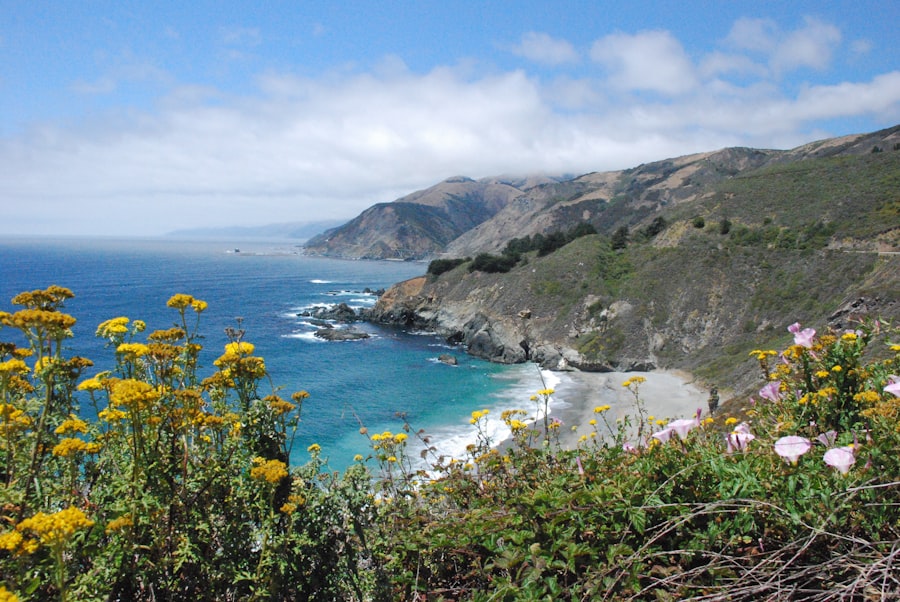
California’s water landscape is not merely a product of geography and engineering; it is also a complex battleground of competing demands and intricate policies. “Exploring California’s Water” delves into the ongoing efforts to manage this vital resource, highlighting the delicate balance that must be struck between agricultural, urban, and environmental needs.
The Agricultural Giant: Thirsty Fields and Innovative Solutions
Agriculture is undeniably the largest consumer of water in California, and the documentary dedicates considerable attention to this sector. Viewers are taken to the fertile Central Valley, where vast fields of produce are cultivated, showcasing the immense scale of irrigation. Farmers, both large-scale operators and smaller family farms, share their perspectives on water scarcity and the challenges of securing reliable water supplies. The film explores various irrigation techniques, from traditional flood irrigation to more efficient drip systems, and highlights the ongoing research and development in water-saving agricultural practices. The economic importance of California’s agricultural output is underscored, creating a stark contrast with the environmental pressures that accompany such intensive water use. The documentary also touches upon the historical context of water rights and entitlements, a deeply entrenched and often controversial aspect of California’s water landscape.
The Thirst of the Cities: Growing Populations, Finite Resources
The documentary addresses the growing water demands of California’s burgeoning urban populations. From the sprawling metropolises of Los Angeles and San Francisco to smaller, rapidly expanding communities, the film illustrates how cities secure their water through a combination of imported water from aqueducts and local groundwater. Interviews with urban planners and water district officials reveal the challenges of meeting the needs of millions of people while facing increasing drought conditions and competition from agriculture. The film explores the implementation of water conservation measures, public awareness campaigns, and the innovative use of recycled water and desalination technologies. The narrative emphasizes the personal impact of water conservation, showcasing households making conscious efforts to reduce their water footprint.
The Ecological Imperative: Protecting Rivers and Ecosystems
Beyond human needs, “Exploring California’s Water” champions the critical importance of water for California’s diverse ecosystems. The documentary visits vital wetlands, riparian corridors, and estuaries, highlighting the intricate web of life that depends on healthy water flows. Experts discuss the challenges of maintaining adequate instream flows to support native fish populations, protect bird habitats, and sustain overall watershed health. The film examines the impact of water diversions on delta ecosystems and the ongoing debates surrounding water allocations for environmental purposes. The narrative underscores the intrinsic value of these natural systems and the ethical considerations involved in their management.
Challenges and the Future: Navigating Drought, Scarcity, and Climate Change
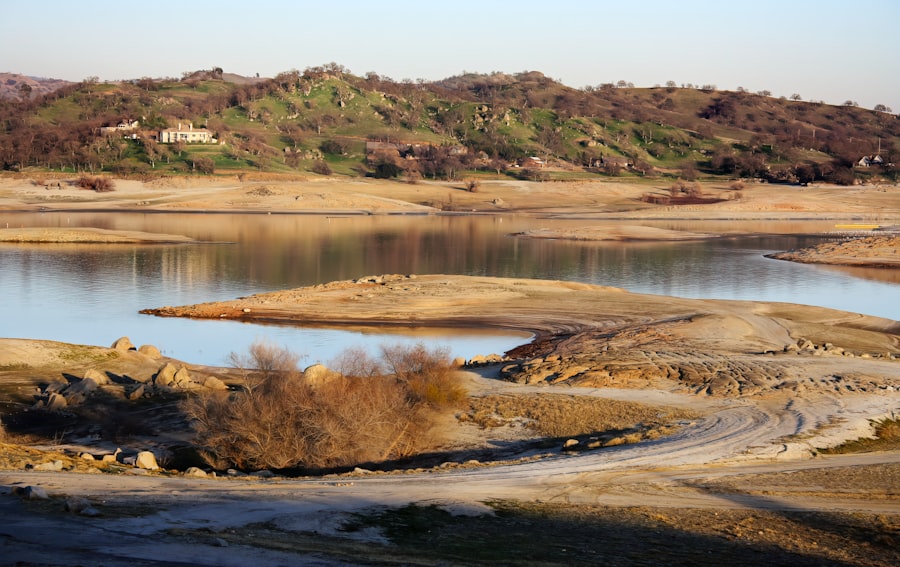
The final segment of “Exploring California’s Water” shifts its focus to the formidable challenges that lie ahead, primarily driven by the escalating impacts of climate change and the recurring reality of drought. The documentary doesn’t shy away from presenting a stark, yet hopeful, vision for California’s water future.
The Specter of Drought: A Recurring Nightmare
California’s history is punctuated by periods of severe drought, and the documentary revisits these critical junctures. Through archival footage and survivor accounts, viewers witness the devastating impacts of prolonged dry spells on agriculture, communities, and the natural environment. Experts explain the cyclical nature of drought in the region and how human activities can exacerbate its effects. The film highlights the ongoing efforts to build resilience, including improved forecasting, water storage strategies, and emergency response plans. The stark imagery of cracked earth and depleted reservoirs serves as a powerful reminder of the fragility of California’s water supply.
Climate Change and the Shifting Hydrological Cycle
The documentary unequivocally links the increasing severity and frequency of climate-related challenges to anthropogenic climate change. Scientists explain how rising global temperatures are altering precipitation patterns, reducing snowpack, and increasing evaporation rates. The film explores the concept of “weather whiplash,” the phenomenon of abrupt swings between extreme conditions, and its implications for water management. The visual contrast between images depicting historic snow abundance and recent, meager snowfalls starkly illustrates this changing reality. The challenges posed by a drier future, with less snow and more intense rainfall events, are thoroughly examined.
Innovation and Adaptation: The Path Forward
Despite the daunting challenges, “Exploring California’s Water” concludes on a note of cautious optimism, highlighting the innovative spirit and adaptive capacity of Californians. The documentary showcases cutting-edge research in water conservation technologies, advanced recycling techniques, and the potential of desalination to supplement urban water supplies. The film also explores the growing interest in groundwater recharge projects and the restoration of natural water management systems, such as wetlands and floodplains. Ultimately, the documentary argues for a fundamental shift in human-water interactions, moving towards a more sustainable and integrated approach to water management, one that respects ecological limits and prioritizes long-term resilience over short-term convenience.
A Call to Collective Action: The Shared Responsibility of Water
The closing moments of “Exploring California’s Water” resonate with a powerful call to collective action. The documentary emphasizes that the future of California’s water is not solely the responsibility of engineers, policymakers, or farmers; it is a shared concern that requires the engagement of every resident. By providing a comprehensive and accessible understanding of this vital resource, the film empowers viewers to become informed participants in the ongoing dialogue about California’s water. The journey presented within the documentary serves as a compelling reminder that understanding the geography of water is the first crucial step towards securing its future for generations to come.

California Built the World’s Greatest Water System… for the Wrong Climate
FAQs
What is the geography documentary California water about?
The geography documentary California water explores the complex and critical issue of water management in California. It delves into the state’s geography, climate, and the challenges it faces in ensuring water sustainability for its growing population and agricultural needs.
What are some key topics covered in the documentary?
The documentary covers topics such as the state’s water sources, including rivers, reservoirs, and groundwater, the impact of climate change on water availability, the history of water management in California, and the various stakeholders involved in water governance.
What are some of the main challenges California faces in managing its water resources?
California faces challenges such as droughts, competing demands for water from urban, agricultural, and environmental sectors, aging infrastructure, groundwater depletion, and the need for sustainable water management practices in the face of a changing climate.
What are some potential solutions discussed in the documentary?
The documentary explores potential solutions such as water conservation and efficiency measures, investment in water infrastructure and storage, groundwater recharge and management, policy reforms, and the importance of public awareness and engagement in water conservation efforts.
Where can I watch the geography documentary California water?
The documentary California water may be available for streaming on various platforms such as streaming services, educational websites, or through purchase or rental from online retailers. Check with your local library or educational institutions for potential screenings or access to the documentary.