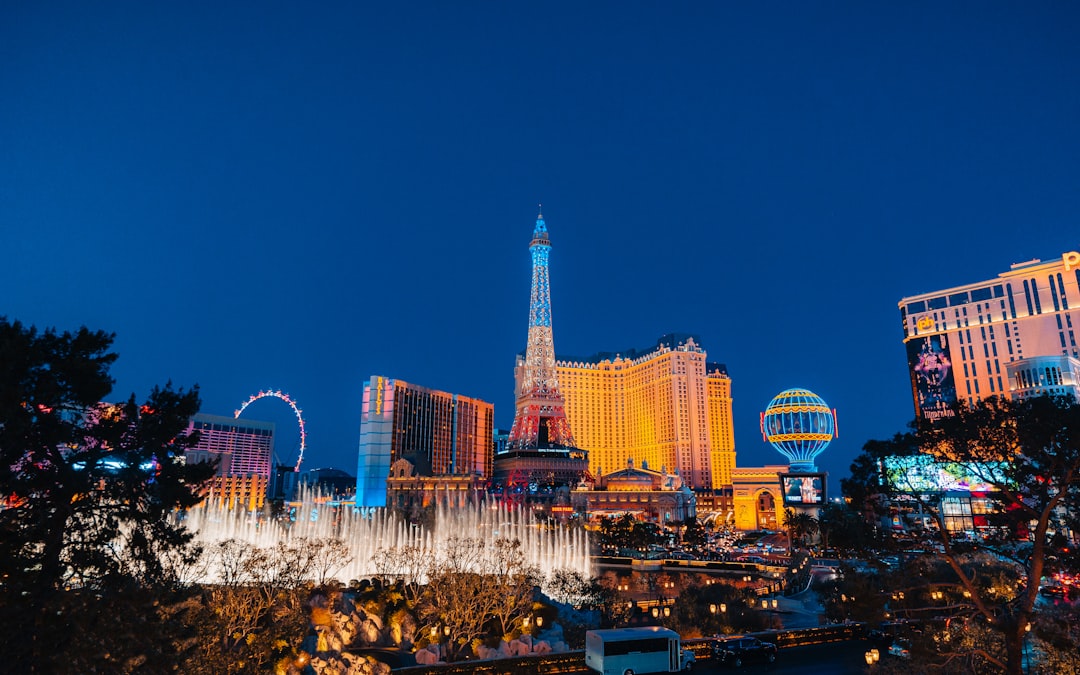
The shimmering oasis of Las Vegas, a testament to human ambition and manufactured pleasure, rises improbably from the arid embrace of the Mojave Desert. Its ceaseless glow, a beacon of entertainment and vice, casts a long shadow, not just across the surrounding landscape, but upon the very planet itself. While its economic contributions are undeniable, a closer examination reveals a deeply concerning environmental footprint, one that raises the unsettling question: in this era of climate crisis, should such a city, at such a location, truly exist? The argument, though seemingly radical, deserves serious consideration when weighed against the ecological realities of its existence.
Las Vegas, by its very nature, is an act of defiance against the desert. Situated in a region receiving less than five inches of rainfall annually, its existence is entirely dependent on an external source of water. This lifeline is primarily the Colorado River, a critically endangered waterway that sustains millions of people and vast agricultural operations across seven U.S. states and Mexico.
The Plight of the Colorado River
The Colorado River is a prime example of a resource stretched beyond its breaking point. Decades of overuse, coupled with the increasing impacts of climate change – manifesting as prolonged droughts and reduced snowpack in the Upper Basin – have led to critically low reservoir levels, most notably at Lake Mead and Lake Powell. These ancient bodies of water, formed by Hoover Dam and Glen Canyon Dam respectively, are not just reservoirs; they are vital arteries for the entire Southwest. Their dwindling presence is a stark visual representation of the water crisis gripping the region. Las Vegas, with its insatiable demand for water, is a significant contributor to this existential threat.
Las Vegas’s Water Consumption Paradox
The city’s water consumption is nothing short of astounding. While individual residential use has seen some improvements due to conservation efforts and the pioneering of recycled water systems, the vast majority of water usage in Las Vegas is attributed to the tourism industry. The sprawling resorts, with their immense swimming pools, elaborate landscaping, and the constant flushing of toilets and showers in thousands of hotel rooms, create a water demand that is disproportionate to the environment it occupies.
Casinos and Pools: Thirsty Giants
The iconic swimming pools and water features that define the Las Vegas Strip are major water consumers. These artificial oases, designed to attract and entertain, require constant replenishment and filtration, leading to significant evaporation losses in the arid desert climate. Beyond leisure, the very operation of the casinos necessitates immense water usage for cooling systems, cleaning, and maintaining the opulent interiors designed to immerse visitors in a world far removed from the harsh realities outside.
Landscaping: An Unnatural Greenery
The meticulously manicured lawns and exotic flora adorning the resorts and public spaces are a stark contrast to the native desert vegetation. While intended to enhance the aesthetic appeal, these landscapes are highly water-intensive, requiring extensive irrigation that further strains the already limited water supply. The notion of an English garden or a lush botanical display is an ecological absurdity in the Mojave, and its perpetuation comes at a steep environmental cost.
The Consequences of Over-Extraction
The continued diversion of water from the Colorado River for Las Vegas’s insatiable thirst has profound consequences. Reduced flows impact ecosystems downstream, threatening the habitats of endangered species. The depletion of aquifers, often relied upon as a supplementary source, can lead to land subsidence and irreversible damage to the groundwater system. Furthermore, the competition for water resources intensifies regional tensions, creating a precarious situation where the needs of a city built on artificiality clash with the fundamental survival needs of a broader population and ecosystem.
Las Vegas, often dubbed the entertainment capital of the world, has sparked debates about its sustainability and ethical implications. An intriguing article that delves into the reasons why Las Vegas shouldn’t exist can be found at this link: Why Las Vegas Shouldn’t Exist. The piece explores the environmental impact of the city’s rapid growth in a desert landscape, the social issues stemming from its gambling culture, and the challenges of water scarcity that threaten its future.
The Energy Guzzler: Powering Perpetual Illumination
Las Vegas is synonymous with light. Its iconic skyline, ablaze with neon and LED displays, signals its existence from hundreds of miles away. This ceaseless illumination, however, comes at a colossal energy cost, further exacerbating the environmental challenges associated not directly with its location, but with its very essence as a modern entertainment hub.
The Carbon Footprint of Entertainment
The sheer scale of energy consumption required to power the mega-resorts, the constant operation of slot machines, the elaborate shows, and the ubiquitous air conditioning systems is staggering. Las Vegas operates on a 24/7 cycle, demanding a continuous and substantial supply of electricity.
HVAC Systems: Constant Climate Control
Maintaining comfortable temperatures within the enclosed casinos and resorts, particularly during the scorching desert summers, demands immense energy for heating, ventilation, and air conditioning (HVAC). These systems are the workhorses of the Las Vegas experience, keeping patrons oblivious to the external climate, but their environmental toll is significant.
Lighting and Electronics: A Blinding Consumption
The dazzling displays of neon, LED signs, and the interior lighting of countless establishments contribute massively to the city’s energy demand. Beyond aesthetics, the energy required to power the vast array of electronic devices, from slot machines to the sophisticated entertainment systems, adds to this considerable burden.
Reliance on Fossil Fuels
Historically, and largely still today, the electricity powering Las Vegas is generated from fossil fuels. Power plants, often located in other states, burn coal and natural gas to meet the city’s enormous energy needs. This reliance directly contributes to greenhouse gas emissions, the primary driver of climate change.
Coal-Fired Power Plants: A Dirty Legacy
While there have been efforts to diversify energy sources, a substantial portion of Nevada’s and surrounding states’ electricity still originates from coal-fired power plants. The carcinogenic nature of coal ash and the massive carbon dioxide emissions from burning coal represent a direct environmental harm, and Las Vegas’s demand fuels this detrimental industry.
Natural Gas: A Transition Fuel with its Own Issues
The transition towards natural gas as a cleaner alternative to coal, while offering some improvement in certain emissions, still contributes to greenhouse gas pollution. Methane leaks during natural gas extraction and transportation are significant, and its combustion still releases carbon dioxide.
The Potential for Renewables: A Missed Opportunity?
While Las Vegas has made strides in incorporating renewable energy sources, such as solar power, the progress is often outpaced by the city’s escalating demand. The vast open spaces surrounding the city offer immense potential for solar energy farms, and indeed, considerable solar infrastructure has been developed. However, the sheer scale of consumption means that the city remains heavily reliant on non-renewable sources to meet its energy-intensive needs. The “Bright Lights, Big City” persona unfortunately often translates to a “Big Energy Footprint, Big Environmental Cost.”
Waste Management in the Desert: A Growing Landfill Problem
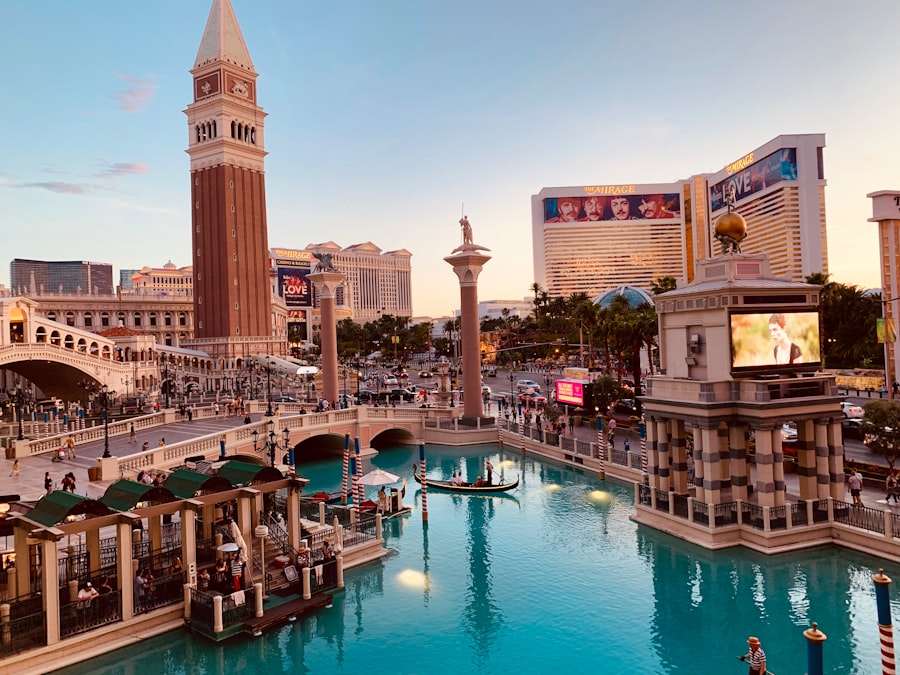
The constant influx of tourists and the transient nature of the hospitality industry generate significant amounts of waste in Las Vegas. Disposing of this refuse in an arid environment presents unique challenges and contributes to its environmental impact.
The Sheer Volume of Waste
From discarded food and packaging from millions of hotel guests and casino patrons to the vast amounts of single-use items associated with entertainment and recreation, Las Vegas produces a prodigious amount of solid waste.
Food Waste: A Culinary Excess
The opulent dining experiences offered in Las Vegas, while a draw for many, also contribute to substantial food waste. Leftovers from buffets, discarded ingredients from high-end restaurants, and uneaten meals from hotel rooms all contribute to the landfill burden.
Packaging and Disposable Goods: A Disposable Culture
The transient nature of tourism inherently leads to a reliance on disposable products – plastic bottles, paper cups, packaging for souvenirs, and single-use amenities in hotel rooms. This culture of disposability generates a continuous stream of waste that requires careful management.
Landfill Challenges in an Arid Climate
Disposing of waste in a desert environment presents its own set of environmental concerns. Traditional landfills can pose risks of leachate contaminating scarce groundwater resources, and the decomposition of organic waste can release methane, a potent greenhouse gas.
Groundwater Contamination Risks
The potential for landfill leachate to seep into the ground and contaminate the already limited groundwater supplies is a significant concern. While modern landfills employ liners and monitoring systems, the long-term risks in an arid and fragile ecosystem cannot be ignored.
Methane Emissions: A Greenhouse Gas Generator
The anaerobic decomposition of organic waste in landfills produces methane. In a desert environment, where decomposition rates can be slower, this methane can persist and contribute to greenhouse gas accumulation, further exacerbating climate change.
Recycling and Waste Reduction Efforts: An Uphill Battle
While efforts have been made to improve recycling rates and implement waste reduction initiatives within the hospitality sector, the sheer volume of waste and the fast-paced nature of the industry make it an ongoing challenge. The city’s focus on attracting more visitors and expanding its offerings often means that waste generation continues to outpace reduction efforts.
Ecological Disruption: The Desert Transformed
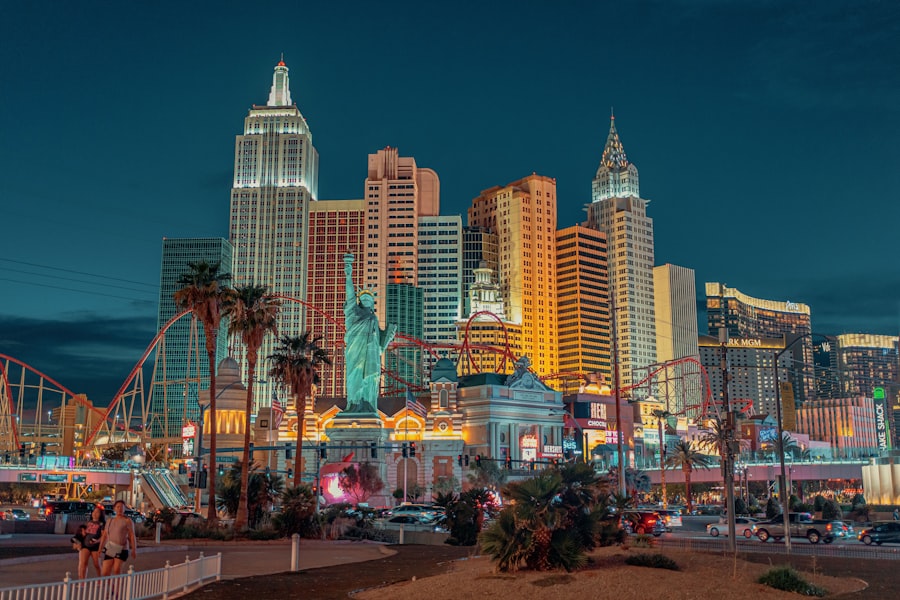
Las Vegas is not just a city; it is an anomaly. Its very creation and sustained existence have fundamentally altered the delicate ecological balance of the Mojave Desert, impacting native flora and fauna.
Habitat Destruction and Fragmentation
The sprawling development of Las Vegas and its surrounding infrastructure has led to the destruction and fragmentation of natural habitats. The desert tortoise, the kit fox, and numerous other species have seen their ancestral lands encroached upon by concrete, asphalt, and human activity.
Urban Sprawl: Paving Over the Pristine
The relentless expansion of residential areas, commercial developments, and transportation networks has consumed vast tracts of desert land that were once crucial for wildlife. This urban sprawl pushes wild animals further into smaller, isolated pockets of their former territories.
Infrastructure Impact: Roads and Utilities
The construction of highways, power lines, and other infrastructure necessary to support a major metropolitan area creates physical barriers and disrupts wildlife corridors. Roadkill is a significant threat to many desert species, and the lights and noise pollution associated with these developments can disorient and displace animals.
Introduction of Invasive Species
The creation of a water-rich environment, albeit artificial, and the constant flow of people and goods into Las Vegas have facilitated the introduction of invasive plant and animal species. These non-native species can outcompete native flora and fauna for resources, disrupting the natural food web and ecosystem dynamics.
Non-Native Plants: Choking Out the Local Flora
Plants that are not indigenous to the Mojave Desert, often introduced through landscaping or transportation, can thrive in the disturbed soils and altered water conditions around the city. These invasive species can spread rapidly, outcompeting native plants that are adapted to the harsh desert environment.
Introduced Animals: Unbalancing the Ecosystem
Similarly, non-native animals, such as escaped pets or species introduced through intentional or unintentional means, can disrupt the balance of the desert ecosystem. They may prey on native species, introduce diseases, or compete for limited food and water resources.
Light and Noise Pollution: Disrupting Natural Rhythms
The relentless artificial light and noise generated by Las Vegas have profound impacts on the nocturnal and crepuscular animals that inhabit the desert. These disruptions can interfere with mating rituals, foraging patterns, and predator-prey relationships.
Nocturnal Wildlife: Lost in the Glare
Many desert animals are active at night, relying on the darkness for survival. The perpetual glow of Las Vegas can disorient these creatures, making them more vulnerable to predation or leading them astray.
Auditory Disturbances: A Constant Cacophony
The constant hum of traffic, the amplified sounds of entertainment, and the general urban din can disrupt the natural communication and sensory experiences of desert wildlife, affecting their ability to find mates, avoid danger, and locate food.
Las Vegas, often seen as a glittering oasis in the desert, raises questions about its sustainability and impact on the environment. In a thought-provoking article, the reasons behind the city’s existence are critically examined, highlighting issues such as water scarcity and ecological disruption. For a deeper understanding of these concerns, you can read more about the challenges facing this iconic city in the article found here. The juxtaposition of luxury and environmental responsibility makes one ponder whether such a place should thrive in the modern world.
The Moral Imperative: A Question of Sustainability and Responsibility
| Reasons | Metrics |
|---|---|
| Water Scarcity | Las Vegas is located in the Mojave Desert, one of the driest regions in North America. |
| Energy Consumption | The city’s excessive use of electricity for lighting, air conditioning, and water supply puts a strain on resources. |
| Environmental Impact | The construction of hotels, casinos, and infrastructure has led to habitat destruction and loss of biodiversity. |
| Urban Heat Island Effect | The city’s high concentration of buildings and pavement contributes to higher temperatures compared to surrounding areas. |
| Dependency on Tourism | The economy is heavily reliant on tourism, making it vulnerable to fluctuations in travel trends and economic downturns. |
The environmental impact of a city like Las Vegas, built in such an ecologically sensitive and resource-scarce location, transcends mere inconvenience. It raises fundamental questions about human responsibility, ethical development, and the long-term sustainability of our way of life.
The Illusion of Abundance
Las Vegas thrives on an illusion of abundance. It offers an escape from reality, a world of limitless entertainment and indulgence. However, this illusion is built upon a foundation of unsustainable resource consumption, primarily water and energy, drawn from a region that can ill afford such extravagance. The constant reinvention of the city, with new mega-resorts and attractions, perpetuates this cycle of demand and environmental strain.
The Cost to Future Generations
The depletion of finite resources like the Colorado River, the contribution to climate change, and the disruption of fragile ecosystems are not short-term inconveniences; they are actions with long-lasting, potentially irreversible consequences for future generations. Is the fleeting pleasure of a few decades worth jeopardizing the water security and ecological health of entire regions for centuries to come?
Redefining Success: Beyond Growth at Any Cost
The discussion around Las Vegas’s environmental impact forces a re-evaluation of what constitutes success. Is it solely about economic growth and perpetual expansion, or should it incorporate ecological responsibility and long-term sustainability? The narrative of Las Vegas as a beacon of innovation and a testament to human ingenuity needs to be balanced with the reality of its environmental toll.
The “Should It Exist?” Debate: A Necessary Conversation
The question of whether Las Vegas “should exist” in its current form and location is not about desiring the disappearance of a city and its inhabitants. Rather, it is a call for a profound reckoning with the principles of sustainable development. It is a necessary debate that forces us to confront the ethical implications of our choices and to consider whether certain endeavors, however dazzling and profitable in the short term, are fundamentally incompatible with the ecological health of our planet. The very existence of Las Vegas, a monument to human desire in the heart of a fragile desert, stands as a stark and potent symbol of this critical, ongoing conversation. The continued viability of the Colorado River, the stability of our climate, and the health of our natural world depend on our willingness to engage with such uncomfortable truths.

Why Las Vegas Shouldn’t Exist
FAQs
1. What are the environmental concerns associated with Las Vegas?
Las Vegas is located in the Mojave Desert, an area with limited water resources. The city’s rapid growth has put a strain on the region’s water supply, leading to concerns about water scarcity and the impact on local ecosystems.
2. How does Las Vegas contribute to climate change?
The city’s reliance on energy-intensive industries such as tourism and entertainment, as well as its sprawling urban development, contribute to high levels of greenhouse gas emissions. This has a significant impact on climate change and global warming.
3. What are the social and economic issues related to Las Vegas’ existence?
Las Vegas has a high poverty rate, with many residents working in low-wage service industry jobs. The city’s economy is heavily reliant on tourism and gambling, making it vulnerable to economic downturns and fluctuations in consumer spending.
4. What are the ethical concerns surrounding Las Vegas?
The city’s reputation for excess and indulgence raises ethical questions about its promotion of materialism, consumerism, and the exploitation of natural resources. Additionally, the prevalence of gambling and its associated social issues, such as addiction and financial hardship, raise ethical concerns.
5. What are the long-term sustainability challenges facing Las Vegas?
As the city continues to grow, it faces ongoing challenges related to water scarcity, energy consumption, waste management, and urban sprawl. These issues pose significant obstacles to the long-term sustainability and viability of Las Vegas as a city.