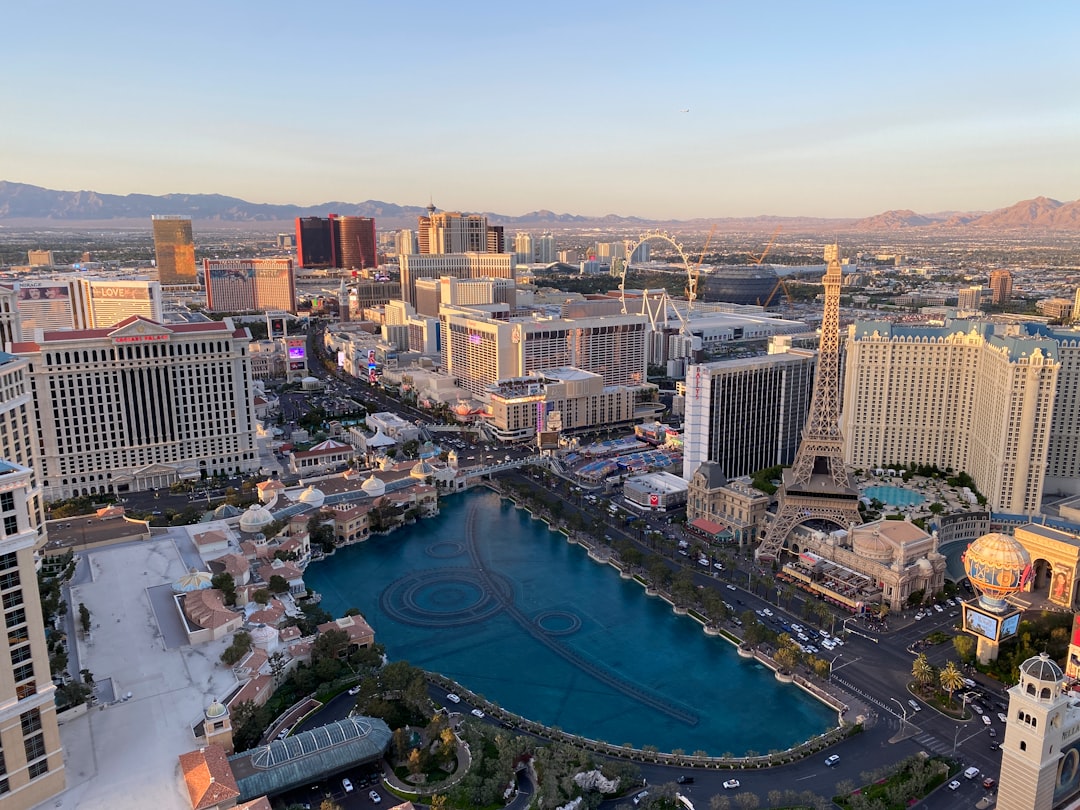
Las Vegas, a city synonymous with excess and dazzling entertainment, occupies a unique geographical position that necessitates a deep and constant understanding of its water supply. Nestled in the heart of the Mojave Desert, an environment characterized by extreme aridity, the city’s very existence hinges on its ability to secure and manage a precious resource: water. For decades, Las Vegas has been a model of innovative water conservation and management strategies, constantly adapting to the challenges posed by its desert environment and the ever-increasing demands of its burgeoning population and thriving tourism industry. To truly comprehend Las Vegas is to understand the intricate system that quenches its thirst, a system built on engineering marvels, inter-state agreements, and a profound respect for the scarcity of water in the West.
The Colorado River: A Lifeblood in the Desert
The overwhelming majority of Las Vegas’s water supply originates from a single, formidable source: the Colorado River. This mighty waterway, stretching over 1,450 miles and draining a basin of approximately 246,000 square miles, is the lifeblood of the arid American West. For Las Vegas, however, the Colorado River is not just a convenient water source; it is the indispensable foundation upon which the city’s entire infrastructure and economy are built. The city’s reliance on this river makes understanding its flow, its management, and the agreements governing its use paramount.
The Hoover Dam: A Monument to Water Management
At the heart of the Colorado River’s engineered control lies the Hoover Dam, a colossal concrete structure that stands as a testament to human ingenuity and the relentless pursuit of water security for the Southwest. Completed in 1936, the dam impounds the Colorado River, creating Lake Mead, a vast reservoir that serves as the primary storage facility for the water allocated to Nevada, Arizona, California, and other downstream users. For Las Vegas, Lake Mead is its pantry, holding the water that flows through its pipes and sustains its more than two million residents. The operation of the dam, its power generation capabilities, and its role in flood control are all integral to the broader water supply picture.
The Role of Lake Mead
Lake Mead is far more than just a pretty backdrop; it is a critical component of the Colorado River Basin’s water storage system. Its capacity, once exceeding 26 million acre-feet, fluctuates significantly based on snowpack in the Rocky Mountains, the primary source of the Colorado River’s water, and the demands of the states that utilize its waters. The levels of Lake Mead have become a highly visible indicator of the health of the Colorado River system. Historically, Las Vegas has benefited from its proximity to Lake Mead, allowing for relatively easy access to its water supply. However, in recent decades, prolonged drought conditions have led to a dramatic decline in Lake Mead’s water levels, raising significant concerns about the long-term sustainability of the water supply for all basin states, including Nevada.
Water Rights and Allocations
The distribution of Colorado River water is governed by a complex web of interstate compacts, court decrees, and federal laws, collectively known as the Law of the River. These agreements, established in the early 20th century, carved up the river’s waters among the seven basin states. Nevada, being the driest state in the union and receiving the smallest allocation, has always had to be particularly judicious in its water management. The Southern Nevada Water Authority (SNWA), the entity responsible for supplying water to the Las Vegas Valley, operates under a strict allocation from the Colorado River Commission of Nevada, which in turn manages the state’s overall entitlement. Understanding these intricate water rights is crucial to understanding the constraints and opportunities within which Las Vegas must operate.
The Intake Structures: Delving into the Depths
To access the water stored in Lake Mead, Las Vegas relies on sophisticated intake structures. These facilities are engineered to draw water from the reservoir at different depths, allowing them to continue supplying the city even as the lake’s surface level recedes. The historical challenges posed by falling lake levels have necessitated the construction of new and deeper intake systems to ensure a continuous flow of water.
The Original Intake
The initial water intake for Las Vegas was designed to draw water from the upper layers of Lake Mead. As the lake level dropped due to drought and increased demand, this original intake began to struggle to reach the water. This highlighted the vulnerability of relying on a single, shallow intake and spurred the development of more robust solutions.
The Lake Mead Intake No. 3
Recognizing the dire need for a more resilient water source, Las Vegas undertook a monumental engineering feat with the construction of Lake Mead Intake No. 3. This project involved drilling a tunnel through rock beneath the lakebed to access water at a much deeper elevation. Completed in 2010, this intake is designed to provide water even when Lake Mead’s surface is at historically low levels, offering a critical lifeline for the region. The sheer scale and complexity of this project underscore the commitment and resourcefulness of Las Vegas in securing its water future.
The Ongoing Need for Monitoring
The effectiveness of these intakes is intrinsically linked to the ongoing monitoring of Lake Mead’s water levels. Real-time data on elevation and available water is fed into sophisticated systems that manage water delivery and ensure that the intakes remain submerged and functional. This continuous observation is a non-negotiable aspect of water supply management in such a dynamic environment.
For a deeper understanding of the complexities surrounding Las Vegas’ water supply, you can explore the article titled “The Future of Water in Las Vegas” available at MyGeoQuest. This article delves into the challenges and innovative solutions being implemented to ensure sustainable water management in the region, highlighting the importance of conservation efforts and technological advancements in addressing the city’s growing water needs.
Beyond the Colorado: Exploring Supplemental Sources
While the Colorado River remains the primary source, Las Vegas has proactively diversified its water portfolio to enhance its resilience and reduce its dependence on a single, increasingly stressed resource. This forward-thinking approach involves exploring and implementing a range of supplemental water strategies.
Groundwater: A Historical and Future Role
For many years, groundwater played a significant role in supplying the Las Vegas Valley, particularly in its early days of development. However, the naturally occurring groundwater in the region is finite and replenishing it is a slow geological process. As the valley grew, reliance on groundwater became unsustainable, leading to significant declines in water tables. Despite this, groundwater remains a part of the water management strategy, albeit with careful regulations and monitoring.
Historical Reliance and Drawdown
In the early decades of Las Vegas’s growth, groundwater wells were a primary source of water. This led to a substantial drawdown of underground aquifers, a phenomenon that could have had severe ecological consequences if not managed. Understanding this historical context is crucial to appreciating why a shift towards surface water and other strategies became imperative.
Sustainable Groundwater Management
The Southern Nevada Water Authority employs strict regulations and pumping limits to ensure that any groundwater utilized is done so sustainably. This involves carefully monitoring groundwater levels and recharge rates, ensuring that extraction does not lead to irreversible depletion of this vital, though limited, resource.
Groundwater Banking: Saving for a Rainy Day
The concept of “groundwater banking” involves the storage of water, often pumped from less arid regions, into underground aquifers for future use. This is a strategic approach to creating a buffer for times of extreme drought or when surface water allocations are significantly reduced. Las Vegas has engaged in agreements to bank water in aquifers outside of the immediate region, providing an additional layer of security.
Agreements with Rural Counties
Las Vegas has entered into agreements with rural Nevada counties to secure rights to pump groundwater from their less populated areas. This water is then transported to the Las Vegas Valley and, in some cases, injected into underground aquifers for storage, creating a valuable reserve.
The Process of Artificial Recharge
Groundwater banking often involves the process of artificial recharge, where water is intentionally introduced into an aquifer to increase its storage capacity. This can be done through injection wells or by allowing water to percolate into the ground in designated recharge areas. The effectiveness of this method depends on the geological characteristics of the aquifer.
The ongoing discussions about the water supply in Las Vegas have raised significant concerns, particularly in light of the region’s arid climate and increasing population. For those interested in a deeper understanding of this critical issue, a related article provides an in-depth analysis of the challenges and strategies involved in managing water resources in such a desert environment. You can read more about it in this insightful piece on water sustainability in the area by visiting this link.
Water Recycling: A Closed-Loop Solution
One of Las Vegas’s most significant achievements in water management is its pioneering work in water recycling and reuse. The city has developed one of the most advanced municipal recycling programs in the world, treating wastewater to a high standard and returning it to the system for various uses. This effectively creates a closed-loop system, minimizing the amount of water lost to evaporation and the ocean.
Treating Wastewater for Reuse
The process of wastewater treatment in Las Vegas involves multiple stages to remove contaminants and ensure the water is safe for reuse. Advanced treatment technologies are employed to achieve a high degree of purity, making the recycled water suitable for a wide range of applications.
Uses of Recycled Water
Recycled water in Las Vegas is not returned to Lake Mead for direct consumption. Instead, it is used for a variety of purposes that do not involve potable use. This includes irrigating golf courses, parks, and common areas, as well as industrial uses and artificial lakes. This strategy significantly reduces the demand on the city’s potable water supply.
The “Water Recycling Plant” or “Water Recycling Facility”
Las Vegas boasts state-of-the-art water recycling facilities that are central to its conservation efforts. These facilities are designed to process vast quantities of wastewater, transforming it into a valuable secondary water resource. The scale and efficiency of these plants are crucial to the city’s water sustainability goals.
Conservation: A Culture of Efficiency
Beyond infrastructure and sourcing, the very ethos of Las Vegas is increasingly shaped by a culture of water conservation. Faced with the stark reality of its desert environment, the city and its residents have embraced innovative and persistent conservation measures.
The Southern Nevada Water Authority (SNWA)
The Southern Nevada Water Authority (SNWA) is the primary agency responsible for water management in the Las Vegas Valley. This regional water authority plays a pivotal role in developing and implementing water conservation programs, educating the public, and enforcing water use restrictions. Their strategic planning and proactive measures have been instrumental in Las Vegas’s success in managing its water resources.
Public Education and Outreach
A cornerstone of the SNWA’s strategy is extensive public education and outreach. They strive to instill a sense of water stewardship among residents and businesses, promoting simple yet effective water-saving practices. Through various campaigns and educational initiatives, they aim to make conservation an ingrained part of the Las Vegas lifestyle.
Rebates and Incentives
To encourage water-efficient practices, the SNWA offers a variety of rebates and incentives. These programs help residents and businesses offset the cost of adopting water-saving technologies, such as low-flow fixtures, efficient landscaping, and drought-tolerant plants. These financial motivations play a significant role in driving behavioral change.
Landscape Transformation: Xeriscaping and Drought-Tolerant Plants
One of the most visible manifestations of Las Vegas’s water conservation efforts is the transformation of its landscapes. The widespread adoption of xeriscaping, which emphasizes the use of drought-tolerant plants and water-wise landscaping techniques, has dramatically reduced landscape irrigation needs.
The “Desert Landscape” Initiative
The SNWA has been a leader in promoting what is often termed the “desert landscape” or “water-wise landscape.” This initiative encourages the removal of water-intensive grass and its replacement with native and adapted plants that require minimal watering. This not only saves water but also creates beautiful and functional outdoor spaces suited to the desert climate.
Restrictions on Grass Cover
To further drive this transformation, Las Vegas has implemented increasingly stringent restrictions on the use of grass in landscaping. These regulations target both residential and commercial properties, with specific limitations on the amount of non-functional turf that can be maintained. The phase-out of ornamental grass has been a significant contributor to water savings.
Indoor Water Conservation: Fixtures and Habits
While outdoor water use often gets the most attention, indoor water conservation is equally critical. Las Vegas has encouraged and mandated the use of water-efficient indoor fixtures and promoted habits that minimize water waste within homes and businesses.
Low-Flow Fixtures
The promotion and mandated use of low-flow toilets, showerheads, and faucets have significantly reduced indoor water consumption. These fixtures are designed to deliver the same utility with a fraction of the water, quietly contributing to overall savings.
Water-Wise Appliance Choices
Encouraging the purchase of water-efficient appliances, such as washing machines and dishwashers, is another key aspect of indoor conservation. These appliances are designed to use less water per cycle, making a substantial difference in household water usage over time.
Pricing Strategies and Water Markets
Economic incentives also play a crucial role in Las Vegas’s water management strategy. Water pricing is structured to reflect the scarcity of the resource and to encourage conscious consumption.
Tiered Water Rates
Las Vegas employs a tiered water rate system, where the cost per unit of water increases as consumption rises. This pricing structure incentivizes lower water usage, making higher consumption more financially burdensome.
Water Markets and Transfers
While not as extensively developed as in some other regions, Las Vegas has explored and engaged in water markets and transfers to supplement its supply or to achieve conservation goals. These complex transactions involve the buying and selling of water rights or the leasing of water resources, always under strict regulatory oversight to ensure the sustainability of all parties involved.
Challenges and the Future of Las Vegas’s Water Supply
Despite its remarkable achievements in water management, Las Vegas faces ongoing challenges and must continually adapt its strategies to ensure a sustainable water future. The inherent scarcity of water in the desert, coupled with the projected growth of the region and the uncertainties of climate change, necessitates a forward-looking and proactive approach.
Climate Change and Drought Volatility
Climate change presents a significant and persistent threat to the Colorado River system. Models suggest changing precipitation patterns, increased evaporation rates from reservoirs, and potentially longer and more severe drought periods. This volatility makes long-term water supply planning a complex and challenging endeavor.
Impact on Snowpack
The snowpack in the Rocky Mountains is the primary source of the Colorado River’s flow. Climate change is predicted to lead to less snow accumulation and earlier snowmelt, meaning less water eventually reaching the river and its reservoirs.
Increased Evaporation
Warmer temperatures lead to increased evaporation from the surfaces of reservoirs like Lake Mead and Lake Powell. This loss of water directly impacts the amount of water available for consumptive use by the basin states.
Population Growth and Development Pressures
The continued growth of Southern Nevada places increasing demands on its water resources. Balancing the needs of a growing population with the constraints of a limited water supply requires constant innovation and strict management.
Urban Expansion
As the Las Vegas Valley expands, so does the demand for water for residential, commercial, and industrial purposes. Careful planning is required to ensure that growth does not outpace the available water resources.
Tourism and Resort Demands
Las Vegas’s booming tourism industry, with its numerous hotels, casinos, and water-intensive attractions, also puts significant pressure on the water supply. While conservation efforts are in place in these establishments, the sheer volume of visitors and their associated water use remains a factor.
Inter-State and Tribal Water Rights Negotiations
The management of the Colorado River is a delicate balancing act involving multiple states and various tribal nations who hold significant water rights. Ongoing negotiations and the need for cooperative agreements are crucial to the long-term sustainability of the entire basin.
Collaborative Management Efforts
Addressing the challenges of the Colorado River requires continuous collaboration and negotiation among the basin states and federal agencies. Finding equitable solutions that balance the needs of all users is essential.
Tribal Water Rights
Tribal nations within the Colorado River Basin hold significant water rights, which are integral to the overall water allocation and management framework. Understanding and respecting these rights is a critical component of any sustainable water strategy.
The Importance of Continued Innovation and Investment
To navigate these challenges, Las Vegas must remain committed to innovation and sustained investment in its water infrastructure and conservation programs. This includes exploring new technologies, fostering research and development, and continuously refining existing strategies. The future of Las Vegas hinges on its ability to adapt, conserve, and innovate in its relentless pursuit of water security. The city’s journey from arid outpost to thriving metropolis is a testament to its resilience, and its continued success will be defined by its unwavering commitment to understanding and managing its most precious resource.

Why Las Vegas Shouldn’t Exist
FAQs
What is the source of Las Vegas’ water supply?
Las Vegas’ water supply comes from the Colorado River, Lake Mead, and groundwater sources. The majority of the city’s water is drawn from Lake Mead, which is the largest reservoir in the United States.
How does Las Vegas treat its water supply?
The Las Vegas Valley Water District and the Southern Nevada Water Authority treat the water supply using a combination of advanced filtration, disinfection, and monitoring processes. This ensures that the water meets or exceeds all federal and state drinking water standards.
What conservation efforts are in place to manage Las Vegas’ water supply?
Las Vegas has implemented various water conservation measures, including strict watering schedules, water-efficient landscaping programs, and rebate incentives for water-saving appliances. The city also promotes public awareness campaigns to encourage residents and businesses to use water more efficiently.
What challenges does Las Vegas face in maintaining its water supply?
Las Vegas faces challenges such as drought, increasing demand due to population growth, and the impact of climate change on the Colorado River. These factors have led to the need for innovative water management strategies and long-term planning to ensure a sustainable water supply for the city.
What is the future outlook for Las Vegas’ water supply?
The future outlook for Las Vegas’ water supply involves continued investment in water conservation, infrastructure upgrades, and diversification of water sources. The city is also exploring alternative water supply options, such as water recycling and desalination, to meet the growing demand and ensure water security for the future.