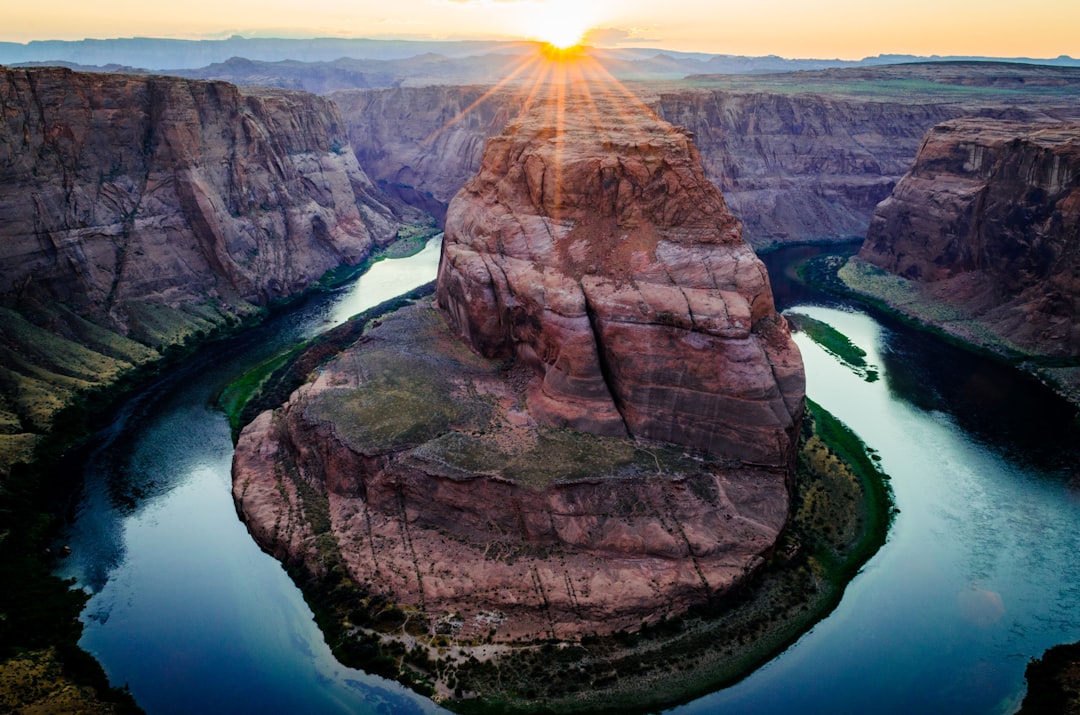
The Colorado River, a lifeblood for the arid Southwest, plays a dual role, serving as an essential water source for millions and as an unexpected backdrop to the glittering entertainment capital of Las Vegas. This vast waterway, stretching over 1,450 miles from the Rocky Mountains to the Gulf of California, has been meticulously managed and channeled to quench the thirst of rapidly growing cities and sustain agricultural economies. Yet, it is in the gleaming shadow of this vital resource that one of the world’s most famous playgrounds, Las Vegas, thrives. The intricate relationship between the ephemeral shimmer of neon and the enduring flow of water is a testament to human ingenuity, complex negotiation, and the ever-present challenge of scarcity in a desert landscape.
The Colorado River’s journey is a dramatic descent from the snow-capped peaks of the Rocky Mountains. Originating in the high elevations of Colorado, where it begins as a series of snowmelt-fed tributaries, the river carves its way through dramatic canyons and vast plains. Its initial course is pristine, a powerful force shaping the rugged geology of the region. However, as it flows downstream, its character transforms, becoming increasingly engineered and managed to meet the insatiable demands of human civilization.
From Mountain Springs to Desert Demands
The headwaters of the Colorado River are the source of its immense power and volume. The annual snowmelt is a critical event, dictating the river’s flow for the year. This pristine water, filtered and purified by the mountain ecosystem, is the ultimate origin of the resource that sustains such a vast and diverse region. However, the Colorado River basin is inherently arid, receiving an average of only 10-15 inches of precipitation annually. This natural scarcity is a fundamental constraint that has necessitated extensive human intervention to harness and distribute the water effectively. The initial free-flowing nature of the river can be a stark contrast to its present-day managed existence, a testament to the pressures of a growing population and expanding agriculture.
The Engineering Marvels: Dams and Diversions
The story of the Colorado River is inextricably linked to the monumental engineering projects that have transformed its natural course. The construction of dams, most notably the Hoover Dam and the Glen Canyon Dam, has been pivotal in controlling floodwaters, storing water for dry periods, and generating hydroelectric power. These colossal structures create vast reservoirs like Lake Mead and Lake Powell, artificial lakes that act as critical water banks for the arid Southwest. Beyond these iconic giants, a complex network of aqueducts, canals, and pumping stations transports water to distant cities and agricultural lands, demonstrating an unparalleled feat of civil engineering. The impact of these projects is profound, enabling sustained human habitation and economic development in regions that would otherwise be uninhabitable.
The Colorado River plays a crucial role in supplying water to Las Vegas, a city that has grown rapidly in the desert. As the demand for water increases due to population growth and tourism, the challenges surrounding water management and conservation become more pressing. For a deeper understanding of the relationship between the Colorado River and Las Vegas, you can read a related article that explores these issues in detail. Check it out here: Colorado River and Las Vegas Explained.
Las Vegas: A Mirage Built on Water
The improbable spectacle of Las Vegas, a global hub of entertainment and tourism, is inextricably linked to the existence of the Colorado River. Without the engineered delivery of water, the city’s existence would be a fleeting impossibility. The vast quantities of water required to sustain its casinos, hotels, golf courses, swimming pools, and the sheer human population are drawn from the lifeblood of the Colorado River. This reliance highlights the delicate balance between indulgence and necessity, between the artificial allure of the desert oasis and the fundamental resource that makes it possible.
The Water Footprint of Indulgence
The water consumption of Las Vegas is staggering. Every aspect of its vibrant existence, from the perpetually cool interiors of casinos to the lush green fairways of its golf courses, requires a significant water budget. The sheer density of development, with towering hotels and sprawling resorts, places an extraordinary demand on the municipal water supply. This demand extends beyond the direct use by tourists and residents, encompassing the water needed for landscaping, cleaning, cooling systems, and the manufacturing of goods and services that support the tourism industry. The concept of “water footprint” becomes particularly relevant when considering the entire lifecycle of tourism in Las Vegas, from the food consumed to the energy used.
The Las Vegas Wash: A Unique Aquatic Ecosystem
An often-overlooked aspect of Las Vegas’s relationship with water is the Las Vegas Wash. This unique waterway, primarily a drainage channel, collects treated wastewater from the metropolitan area and discharges it into Lake Mead. While this might sound like a simple utilitarian function, the Wash has developed into a surprising and valuable ecological habitat. It supports a diverse range of plant and animal life, including fish, birds, and amphibians, creating an unexpected pocket of biodiversity within the desert landscape. This managed ecosystem serves as a crucial component of the city’s water management system, contributing to the overall health of Lake Mead, even as it represents the byproducts of urban life.
The Colorado River Compact: A Delicate Balancing Act
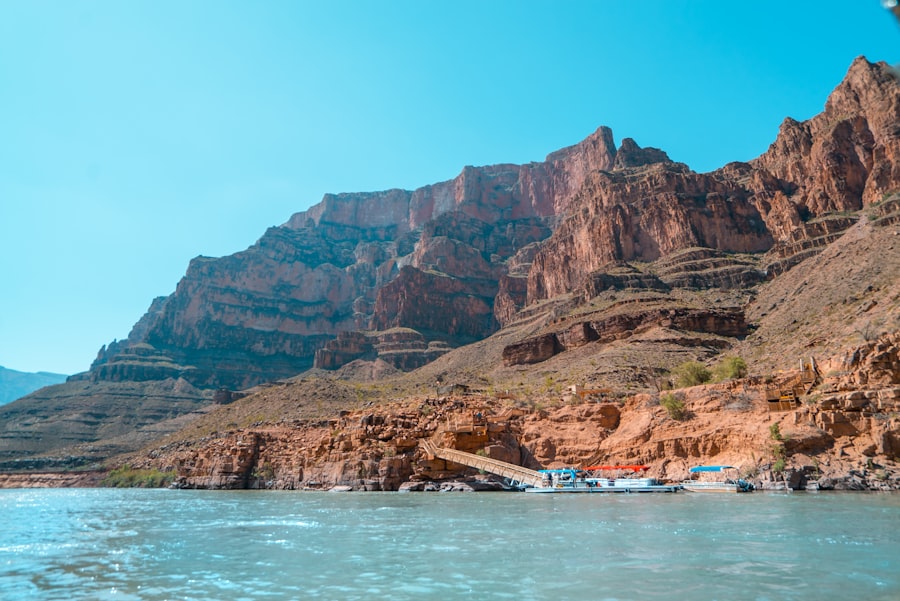
The allocation and management of the Colorado River’s waters are governed by a series of agreements and laws, most notably the Colorado River Compact of 1922. This foundational agreement divided the river basin into two major regions: the Upper Basin (Colorado, New Mexico, Utah, Wyoming) and the Lower Basin (Arizona, California, Nevada). It established a framework for water allocation among the seven basin states, a complex negotiation that has been revisited and challenged over the decades. The compact, while a remarkable achievement for its time, has faced increasing strains due to population growth and prolonged drought.
Apportionment and Allocation: Seventy Years of Agreement
The Colorado River Compact was an ambitious attempt to divide the river’s waters amongst the seven basin states. The agreement stipulated that the Upper Basin states would deliver a certain amount of water to the Lower Basin states annually, while the Lower Basin states would be allocated specific quantities. However, the compact was based on historical flow data that did not account for the extreme variability of the river’s supply. This has led to ongoing debates and legal challenges, particularly as the available water supply has diminished. The concept of “prior appropriation,” a legal doctrine that prioritizes water rights based on historical use, further complicates the allocation landscape.
The Challenge of Scarcity: Drought and Declining Flows
The Colorado River basin is experiencing a prolonged and severe drought, a trend exacerbated by climate change. This has led to historically low levels in Lake Mead and Lake Powell, the two largest reservoirs on the river. The impact of these declining water levels is far-reaching, affecting everything from agricultural irrigation to the availability of drinking water for millions and the power generation capabilities of the dams. The arid region’s inherent susceptibility to drought is amplified by changing weather patterns, making the management of the river an increasingly precarious undertaking. The concept of “use it or lose it” becomes critical as states grapple with reduced allocations.
Sustainability and the Future of Water in Las Vegas
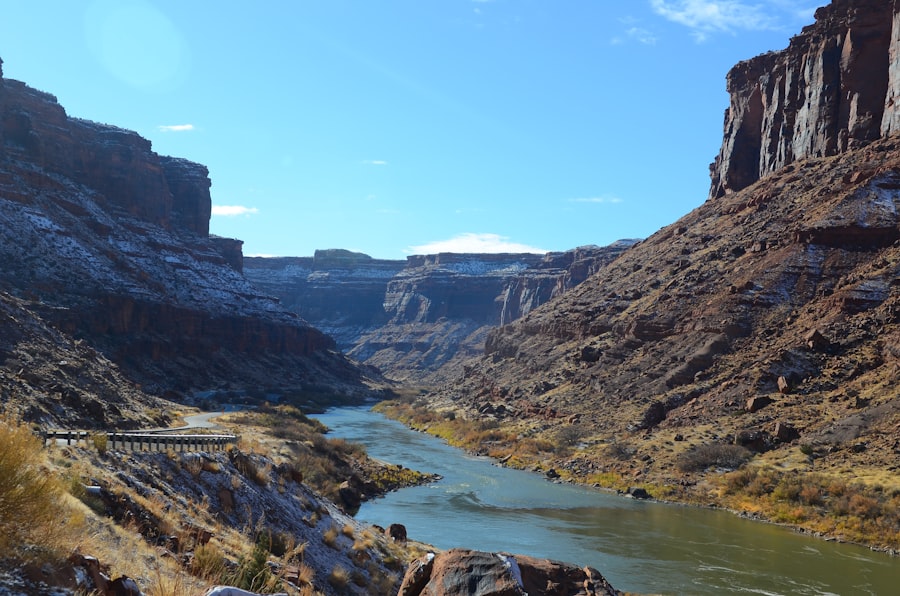
The future of Las Vegas, a city that thrives on abundance, is intrinsically tied to the sustainable management of its water resources. The city has made significant strides in water conservation, implementing innovative programs and policies to reduce its per capita water consumption. However, the ongoing challenges of drought and dwindling river flows necessitate continued vigilance and adaptation. The long-term viability of this desert metropolis depends on its ability to maintain a delicate equilibrium with the natural environment, particularly the vital Colorado River.
Conservation Efforts: A Desert Imperative
Las Vegas has emerged as a leader in urban water conservation. Demonstrating a remarkable commitment to reducing water usage, the city has implemented a series of aggressive measures. These include tiered pricing structures that incentivize lower consumption, restrictions on outdoor watering, and the widespread adoption of drought-tolerant landscaping. The transformation of once water-intensive desert landscapes into more sustainable alternatives showcases the city’s dedication to resource management. The “drought-tolerant landscaping” initiative, in particular, has been a highly visible and effective strategy.
The Need for Innovation and Regional Cooperation
Addressing the future of water in Las Vegas requires a multi-pronged approach, encompassing technological innovation and robust regional cooperation. The development of advanced water treatment and recycling technologies, as well as the exploration of alternative water sources, will be crucial. Furthermore, collaboration among the seven Colorado River basin states is paramount. Joint efforts to develop and implement long-term water management strategies, including potential agreements on further water conservation measures and improved forecasting, are essential for ensuring the continued availability of this vital resource for all users. The concept of “water banking” and collaborative conservation projects are vital.
The Colorado River plays a crucial role in supplying water to Las Vegas, a city that has grown rapidly in the desert. This essential resource faces challenges due to climate change and increasing demand, which could impact the future of both the river and the city. For a deeper understanding of the intricate relationship between the Colorado River and Las Vegas, you can read a related article that explores these issues in detail. Check it out here to learn more about the ongoing efforts to manage this vital water source.
The Intertwined Destinies: River and Resort
| Aspect | Colorado River | Las Vegas |
|---|---|---|
| Length | 1,450 miles | N/A |
| Flow | 1,500-3,000 cubic feet per second | N/A |
| Water Usage | 40 million people rely on its water | 90% of water supply comes from the Colorado River |
| Impact | Provides water for agriculture, industry, and cities | Relies heavily on the Colorado River for water supply |
The relationship between the Colorado River and Las Vegas is a complex and symbiotic one, a narrative of resourcefulness and aspiration. The river, a natural wonder tamed by human ambition, provides the essential element that allows the city’s vibrant entertainment scene to flourish. However, this dependence also highlights the inherent vulnerability of such an existence in an arid environment. The ongoing challenges of drought and dwindling water supplies serve as a constant reminder of the delicate balance that sustains this desert oasis, underscoring the critical need for responsible stewardship and a forward-thinking approach to water management.
A Fragile Paradise: Lessons from the Flow
The story of Las Vegas and the Colorado River offers profound lessons about human ingenuity, the consequences of unfettered consumption, and the imperative of sustainability. The city’s remarkable growth and the sustained flow of water are a testament to human capacity for both creation and management. Yet, the persistent threat of water scarcity serves as a potent reminder that even the most dazzling illusions can be threatened by foundational environmental realities. The concept of a “fragile paradise” aptly describes the allure of Las Vegas, dependent on an often-fragile resource.
Looking Ahead: A Shared Responsibility
The future of both the Colorado River and Las Vegas hinges on a shared understanding and responsibility for water conservation. The success of this iconic entertainment hub is interwoven with the health and availability of the river. As population growth continues and the impacts of climate change intensify, the need for innovative solutions, collaborative governance, and a steadfast commitment to sustainable water practices will only grow. The destinies of the gleaming resorts and the mighty river are inextricably linked, demanding a collective effort to ensure a prosperous and enduring future for both.

Why Las Vegas Shouldn’t Exist
FAQs
What is the Colorado River?
The Colorado River is a major river in the western United States and northwestern Mexico. It is approximately 1,450 miles long and is known for its iconic red rock canyons and scenic landscapes.
How does the Colorado River impact Las Vegas?
The Colorado River provides water to the city of Las Vegas and surrounding areas through the Hoover Dam and Lake Mead. The river is a crucial source of water for the region’s residents, agriculture, and tourism industry.
What is the significance of the Hoover Dam on the Colorado River?
The Hoover Dam, located on the Colorado River, is a key infrastructure that provides hydroelectric power, flood control, and water storage for the southwestern United States. It also created Lake Mead, the largest reservoir in the United States.
What are the environmental challenges facing the Colorado River?
The Colorado River faces various environmental challenges, including water scarcity, drought, and overallocation of its water resources. Climate change and increasing demand for water further exacerbate these challenges.
How does the Colorado River impact the ecosystems along its path?
The Colorado River supports diverse ecosystems, including riparian habitats, wetlands, and wildlife. However, the river’s altered flow due to dams and water diversions has impacted the natural habitats and species that depend on the river for survival.