The unyielding Nevada sun beat down on the nascent settlement, a collection of tents and ramshackle buildings huddled precariously in the arid expanse. Las Vegas, in the early decades of the 20th century, was a tiny railway stop, a fleeting thought in the vastness of the American West. Its inhabitants eked out a living supporting the trains that passed through, their dreams as dry and ephemeral as the desert air. Then, a colossal undertaking began to stir in the Black Canyon, a project so audacious it defied belief. The construction of the Hoover Dam, a monumental feat of engineering, would not only transform the Colorado River but also unlock a future of unparalleled prosperity for the unassuming town of Las Vegas, birthing a city of light and dreams from the dust.
The arid landscape of Southern Nevada presented a formidable challenge to human settlement. Water was a precious commodity, a scarce resource that dictated the limits of growth. Las Vegas, despite its strategic location along the San Pedro, Los Angeles & Salt Lake Railroad, remained a frontier outpost, its potential largely unrealized due to this fundamental limitation. The Colorado River, a powerful yet untamed force, flowed south, its waters largely considered unusable, prone to destructive floods and a dwindling flow during dry periods. The vision for a new America, one that could harness the land’s latent power, began to take shape, and at the heart of this vision was the idea of taming the mighty Colorado.
The Grand Vision: Taming the Colorado River
The early 20th century was an era of ambitious infrastructure projects in the United States. Figures like Herbert Hoover, then Secretary of Commerce and later President, recognized the immense potential of irrigating arid lands and generating hydroelectric power. The Colorado River, with its immense flow, was identified as a prime candidate for such a transformation. However, its unpredictable nature, characterized by devastating floods that ravaged downstream communities and fertile valleys, made its uncontrolled descent a constant threat. The need for regulation was paramount, not only to mitigate disaster but also to unlock its vast resources for human benefit.
Early Advocacy and the Colorado River Compact
The concept of damming the Colorado River was not new but lacked the political will and consensus to materialize for years. Various proposals were put forth, each facing complex geopolitical challenges and competing interests from the seven states that comprised the Colorado River Basin: Arizona, California, Colorado, Nevada, New Mexico, Utah, and Wyoming. The establishment of the Colorado River Commission in the early 1920s, and the subsequent negotiation of the Colorado River Compact of 1922, were critical milestones. This compact, though controversial in its initial form, laid the groundwork for the equitable allocation of the river’s waters, a prerequisite for any large-scale development.
The Boulder Canyon Project
The dam’s eventual authorization came in the form of the Boulder Canyon Project Act of 1928, signed into law by President Calvin Coolidge. Initially envisioned as a dam in Boulder Canyon, geological surveys revealed a more suitable location in the Black Canyon, a narrow gorge offering greater stability and better reservoir potential. Thus, the project officially became the Boulder Canyon Project, with the dam itself eventually named after the man who championed its development, Herbert Hoover. This act represented a monumental commitment by the federal government, a testament to the belief in the power of engineering to shape the American landscape and economy.
The Hoover Dam has played a pivotal role in the growth of Las Vegas, transforming the region into a thriving metropolis. As detailed in the article found at this link, the dam not only provided essential water and hydroelectric power but also facilitated the development of tourism and infrastructure that fueled the city’s expansion. The combination of these factors has made Las Vegas a prominent destination in the American Southwest, showcasing the lasting impact of the Hoover Dam on the area’s economic and social landscape.
More Than Just Water: The Hoover Dam’s Multifaceted Impact
The primary purposes of the Hoover Dam were flood control, irrigation, and hydroelectric power generation. These objectives, when achieved, would profoundly alter the trajectory of the entire region. The dam’s sheer scale and the immense transformation it represented were only the beginning of its impact, initiating a ripple effect that would reach far beyond the immediate agricultural and power-generating benefits.
Controlling the Uncontrollable: Flood Mitigation and Water Security
For centuries, the Colorado River had been a source of both life and destruction. Its annual spring snowmelt could unleash torrents of water, flooding fertile valleys and threatening settlements downstream. The Hoover Dam, with its massive reservoir, Lake Mead, effectively tamed this wild beast. By controlling the river’s flow, the dam provided essential flood control, safeguarding communities and agricultural lands from the devastating impacts of unpredictable surges. This guaranteed water security was a fundamental prerequisite for sustained growth and development in the arid Southwest.
Irrigation for a Thriving Agriculture
The regulated flow of the Colorado River, made possible by the dam, opened up vast tracts of land for irrigation. Regions previously considered too dry for significant agricultural endeavors could now be transformed into fertile croplands. This not only supported local populations but also contributed to the broader agricultural output of the United States, alleviating food shortages and supporting economic diversification in the Southwest.
A Perpetual Source of Power: Hydroelectric Generation
Perhaps one of the most impactful consequences of the Hoover Dam was its ability to generate immense amounts of electricity. The immense pressure of the water held back by the dam’s structure was harnessed by massive turbines, converting kinetic energy into electrical power. This clean, reliable, and relatively inexpensive source of energy was a game-changer for a region that had previously struggled with limited and expensive power options.
The Dawn of a New Era: Las Vegas and the Electric Boom
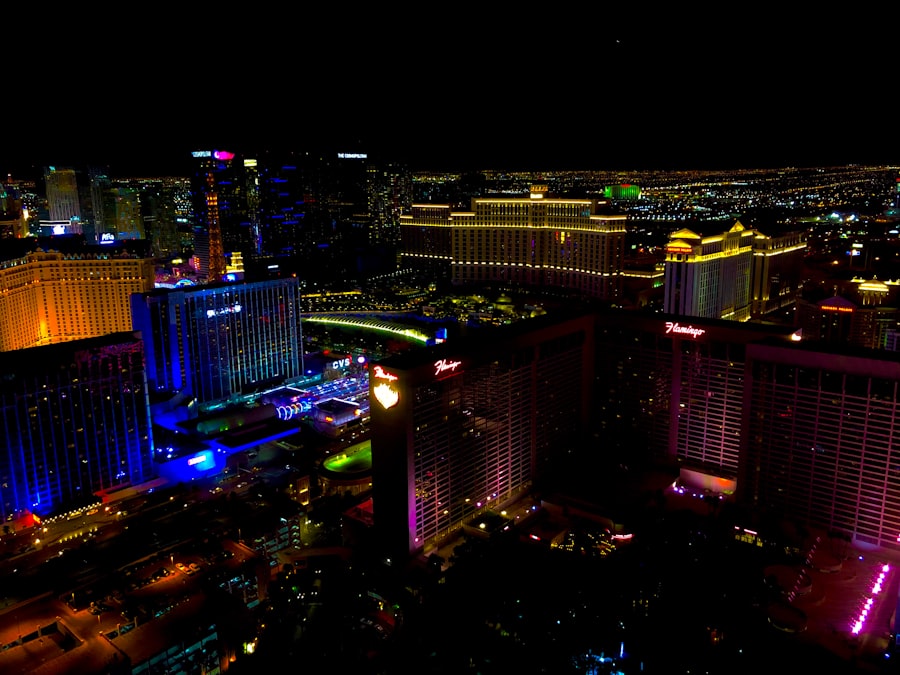
The availability of abundant and affordable electricity was the catalyst that ignited a transformation in Las Vegas. Previously a sleepy railway town, the dam’s power provided the lifeblood for an industry that would come to define the city: entertainment and tourism. The sheer scale of the dam’s power generation was unparalleled, creating an energy surplus that could fuel ambitious new ventures.
Lighting Up the Desert: Electrifying Las Vegas
Before the Hoover Dam, Las Vegas had limited access to electricity, primarily relying on generators for essential services. The dam’s hydroelectric power, channeled through transmission lines, provided a constant and robust supply that was far more extensive and affordable than anything previously available. This opened up a world of possibilities for businesses and residents alike.
The Rise of Neon and the Entertainment Industry
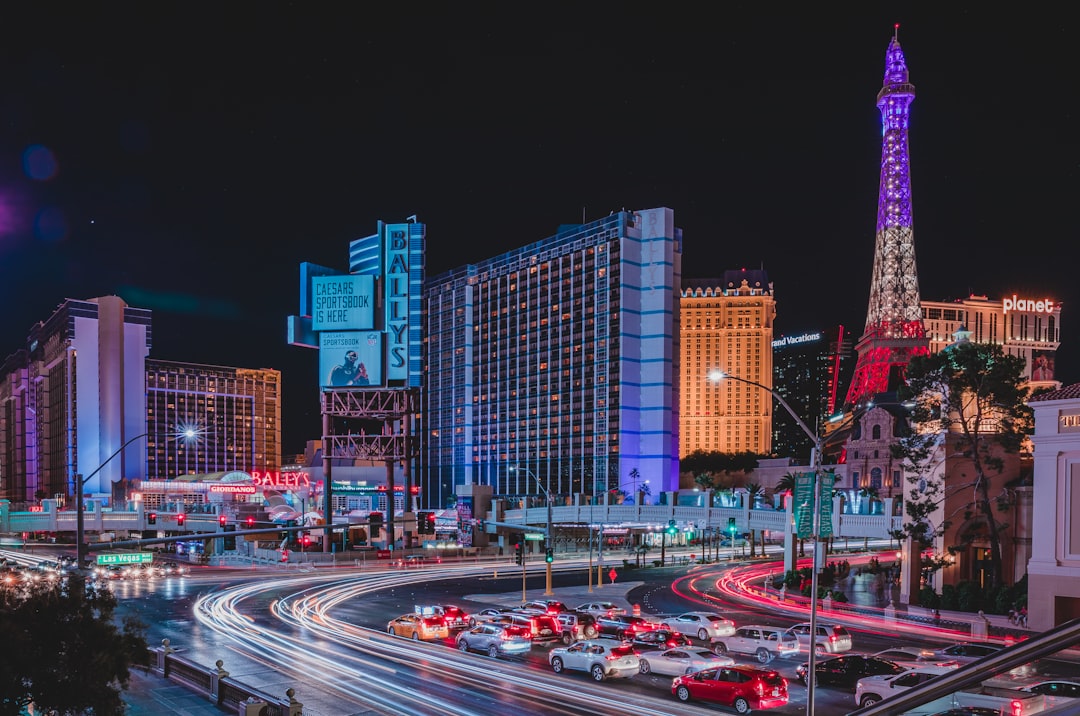
The abundance of electricity was precisely what the burgeoning entertainment industry in Las Vegas needed to truly flourish. Neon signs, the iconic symbol of the city, could now be powered extensively, transforming the stark desert landscape into a vibrant, glowing spectacle. This visual allure became a significant draw for visitors.
From Railway Stop to Entertainment Hub
The dam’s power influx coincided with a curious loophole in Nevada law concerning gambling. This confluence of factors transformed Las Vegas from a mere pit stop for travelers into a destination. The ability to power elaborate casinos, large hotels, and dazzling showrooms allowed the city to cultivate its unique identity as “Sin City” and a mecca for entertainment.
Fueling Industrial Growth Beyond Entertainment
While entertainment became synonymous with Las Vegas, the readily available power from Hoover Dam also fueled other forms of industrial growth. Construction projects, manufacturing facilities, and resource extraction operations found a reliable and cost-effective energy source, further diversifying the city’s economic base and creating numerous job opportunities.
A Population Boom: The Human Tide Drawn by Opportunity
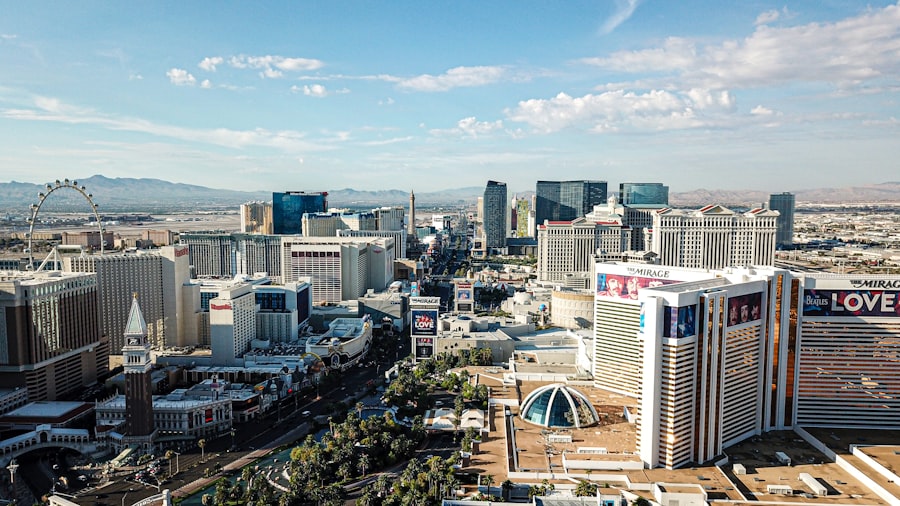
The transformation of Las Vegas was not solely about infrastructure and electricity; it was about people. The promise of jobs, economic opportunity, and a vibrant new lifestyle drew an unprecedented influx of residents to the once-sparse desert. The dam’s construction itself was a massive employment engine, and its subsequent impact on Las Vegas sustained this growth.
The Dam Builders and Beyond: Initial Population Influx
The construction of the Hoover Dam was a colossal undertaking that required thousands of laborers. Many of these workers, drawn by the promise of steady employment, settled in or near Las Vegas. This initial wave of workers provided a crucial human foundation for the city’s future growth.
A Transient Workforce and Emerging Community
The dam’s construction phase saw a large, transient workforce. However, as the project neared completion and its benefits became apparent, many of these individuals chose to remain, attracted by the burgeoning opportunities in the expanding town. This laid the groundwork for a more permanent community.
Sustained Growth and Diversification: Las Vegas Expands
The economic engine powered by Hoover Dam continued to drive population growth for decades. As the entertainment industry boomed and new businesses emerged, Las Vegas became a magnet for job seekers from across the country and beyond. The city’s infrastructure evolved to accommodate this rapid expansion.
The Post-War Boom and Tourism’s Ascendancy
The post-World War II era witnessed an explosion in American travel and leisure. Las Vegas, with its unique brand of entertainment and its vibrant nightlife, became a prime destination. The reliable power supply from Hoover Dam was instrumental in supporting the construction and operation of increasingly elaborate hotels, casinos, and attractions that catered to this burgeoning tourist market.
Economic Diversification Beyond Gaming
While gaming and entertainment remained the primary drivers of the Las Vegas economy, the availability of a robust power grid facilitated diversification. Businesses in sectors like manufacturing, logistics, and technology found Las Vegas an attractive location, further solidifying its economic stability and attracting a wider range of talent.
The construction of the Hoover Dam not only transformed the landscape of the American Southwest but also played a pivotal role in the rapid growth of Las Vegas as a major urban center. As water and power from the dam became available, it fueled the development of infrastructure and tourism in the region, leading to an influx of residents and businesses. For a deeper understanding of how these factors intertwined to shape the modern Las Vegas we know today, you can read more in this insightful article on MyGeoQuest.
A Legacy of Transformation: Hoover Dam’s Enduring Influence
| Year | Hoover Dam Construction | Las Vegas Population |
|---|---|---|
| 1931 | Construction begins | 8,422 |
| 1936 | Construction completed | 17,981 |
| 1950 | N/A | 24,624 |
| 1970 | N/A | 125,787 |
| 1990 | N/A | 258,295 |
| 2010 | N/A | 583,756 |
The Hoover Dam stands as a monument not only to human ingenuity but also to the profound and often unexpected ways in which large-scale infrastructure projects can reshape societies and economies. Its impact on Las Vegas is a quintessential example of this transformative power, turning a humble desert outpost into a global icon.
The Symbol of Progress: A Beacon in the Desert
The Hoover Dam became more than just a functional structure; it became a symbol of American ambition, innovation, and the ability to conquer formidable challenges. For Las Vegas, it was the catalyst that propelled it from obscurity to international recognition, forever linking its identity with the power and progress that the dam represented.
Economic Resiliency and Adaptability
The sustained energy production from Hoover Dam provided Las Vegas with a crucial economic advantage, allowing it to weather economic downturns and adapt to changing market demands. The city’s ability to continuously reinvent itself, from its early days as a railroad town to its current status as a global entertainment capital, is intrinsically linked to the reliable power generated by the dam.
Challenges and Continued Relevance: The Future of Power
While the Hoover Dam remains a vital source of power, the ever-increasing demand for energy and the evolving landscape of power generation present new challenges. The dam’s output, though substantial, is finite, and the region’s growth continues to strain its capacity.
The Need for Sustainable Energy Solutions
As the world grapples with climate change, the reliance on any single energy source, even hydroelectric power, necessitates a broader approach. Las Vegas and the surrounding region are increasingly exploring and investing in diverse and sustainable energy solutions to complement the output of Hoover Dam and ensure a long-term energy future.
Diversifying Power Grids and Fostering Innovation
The embrace of solar, wind, and other renewable energy sources reflects a forward-looking strategy for Las Vegas. This diversification not only reduces reliance on a single source but also fosters innovation and creates new economic opportunities in the green energy sector, further cementing the city’s adaptability and continued growth, a testament to the spirit of transformation first ignited by the mighty Hoover Dam.

Why Las Vegas Shouldn’t Exist
FAQs
What is the Hoover Dam and how did it contribute to Las Vegas’ growth?
The Hoover Dam is a concrete arch-gravity dam located on the border between the U.S. states of Nevada and Arizona. It was constructed during the Great Depression and was a major source of employment for thousands of workers. The dam’s construction provided a reliable source of water and electricity, which facilitated the growth of Las Vegas and the surrounding region.
How did the Hoover Dam impact the economy of Las Vegas?
The construction of the Hoover Dam brought a significant economic boost to Las Vegas. The influx of workers and their families created a demand for goods and services, leading to the development of businesses and infrastructure in the area. Additionally, the dam’s hydroelectric power generation provided a reliable energy source for the growing city.
What role did the Hoover Dam play in the development of the Southwest region?
The Hoover Dam played a crucial role in the development of the Southwest region by providing a reliable water supply for irrigation and municipal use. This allowed for the expansion of agriculture and urban areas in the arid desert environment. The dam also facilitated the growth of industry and commerce in the region.
How has the Hoover Dam impacted the environment and ecology of the Colorado River?
The construction of the Hoover Dam has significantly altered the natural flow of the Colorado River, impacting the ecology of the river and its surrounding habitats. The dam has reduced the sediment flow downstream, altered water temperature and nutrient levels, and disrupted the natural migration patterns of fish species. However, the dam also provides a regulated water supply for agriculture and urban areas in the region.
What is the current status of the Hoover Dam and its significance in the 21st century?
The Hoover Dam continues to be a vital source of hydroelectric power and water supply for the Southwest region. It is a popular tourist attraction, drawing millions of visitors each year. The dam’s significance in the 21st century lies in its continued contribution to the region’s energy and water needs, as well as its historical and engineering importance.