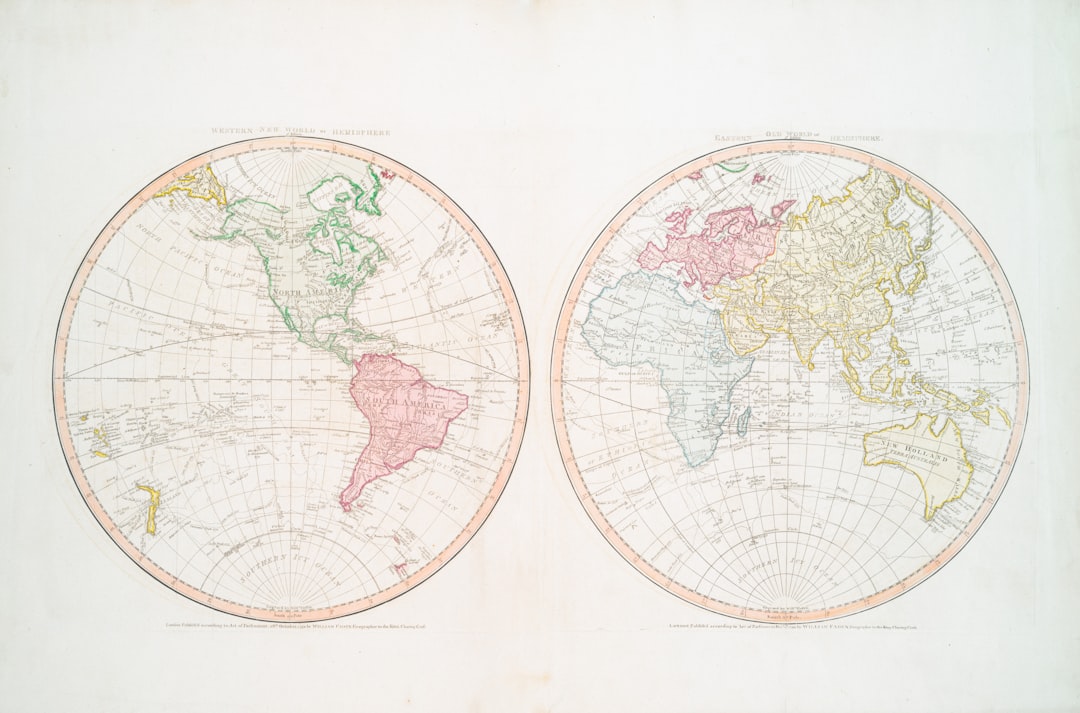
The geopolitical landscape of the 21st century is increasingly shaped by the control and accessibility of vital resources. Among these, lithium has emerged as a mineral of paramount importance, often dubbed “white gold.” Its indispensable role in the burgeoning electric vehicle (EV) revolution and the expansion of renewable energy storage systems has propelled it to the forefront of global power struggles. The quest for lithium is not merely an economic endeavor; it is a strategic imperative that influences international relations, fuels competition between nations, and dictates the flow of capital and influence. Understanding the geopolitics of lithium requires an examination of its supply chain, the concentration of reserves, the technological race, and the evolving power dynamics between resource-rich nations and those with high demand.
Lithium’s distribution across the globe is far from uniform, presenting a concentrated bottleneck that underpins its geopolitical significance. The vast majority of the world’s accessible lithium reserves are found in a few key geographical locations, creating a geopolitical nexus that nations are vying to control or influence.
The South American Lithium Triangle
The most prominent concentration of lithium reserves lies within the “Lithium Triangle,” encompassing parts of Argentina, Bolivia, and Chile. This region is estimated to hold roughly 60% of the world’s known lithium resources, primarily extracted from brine lakes beneath the arid altiplano. The unique geological conditions of this area make it a relatively efficient and cost-effective place to extract lithium.
Chile: A Legacy of Resource Nationalism
Chile has historically been a dominant player in the lithium market, with reserves concentrated in the Atacama Desert. The country’s approach to lithium extraction has oscillated between embracing foreign investment and asserting national control. Recent years have seen a renewed emphasis on state involvement, with the Chilean government seeking to renegotiate contracts with major mining companies and explore new state-led extraction models. This reflects a broader trend in resource-rich nations to secure greater benefits from their natural endowments, but it also introduces complexities for international investors and can create friction with established global supply chains. The Chilean government’s strategic ambitions involve not only extracting lithium but also moving downstream into battery manufacturing, aiming to capture more value and influence within the global battery industry.
Argentina: Untapped Potential and Growing Ambitions
Argentina possesses significant lithium reserves, particularly in the northwestern provinces of Jujuy, Catamarca, and Salta. While extraction has been less developed than in Chile, the country is actively seeking to attract investment and expand its production capacity. This ambition is driven by the potential for economic growth and the desire to leverage its natural resources on the global stage. Argentina’s resource nationalism is also evident, with debates ongoing about how best to manage and benefit from its lithium wealth, balancing the need for foreign capital with the desire for national control and local economic development. The country is also exploring new technologies for lithium extraction, aiming for greater efficiency and reduced environmental impact.
Bolivia: The Sleeping Giant of Lithium
Bolivia holds an estimated 20% of the world’s lithium reserves, the largest single-country share. However, its extraction industry remains largely undeveloped. The Bolivian government has expressed a strong desire to industrialize its lithium resources, but progress has been slow due to a combination of factors, including technological limitations, a lack of significant foreign investment, and internal political considerations. Bolivia’s ambition to become a major lithium producer presents a significant geopolitical variable. If it can successfully unlock its reserves, it would dramatically alter the global supply dynamics and empower a nation that has historically been marginalized in global resource governance.
Beyond the Triangle: Emerging Players and Strategic Holdings
While the Lithium Triangle dominates, other regions are also crucial to the global lithium supply, each with its own geopolitical implications.
Australia: A Dominant Producer of Hard Rock Lithium
Australia is the world’s largest producer of lithium, primarily through hard rock mining of spodumene. While its reserves are substantial, the extraction process is generally more energy-intensive and costly than brine extraction. Australia’s position as a reliable supplier makes it a key player in the global market, and its strong ties with major consumers like China and South Korea are significant. The country’s geopolitical strategy often involves leveraging its resource wealth to strengthen its alliances and economic partnerships, particularly within the Indo-Pacific region.
China: The Master of the Supply Chain
China, while not possessing the largest reserves, has strategically positioned itself as the dominant force in the lithium processing and battery manufacturing sectors. Through massive investments in overseas mining operations and the establishment of a sophisticated domestic processing infrastructure, China controls a disproportionate share of the global lithium supply chain. This vertical integration gives Beijing considerable leverage in global markets and allows it to shape the future of EV and energy storage technologies.
The geopolitics of lithium has become increasingly significant as the demand for electric vehicles and renewable energy storage continues to rise. A related article that delves into the complexities of lithium supply chains and the political implications of lithium-rich regions can be found at MyGeoQuest. This piece explores how countries are positioning themselves in the global market and the potential conflicts that may arise over this critical resource.
The EV Revolution: A Catalyst for Lithium Demand
The exponential growth of the electric vehicle market is the primary driver of the surging global demand for lithium. As countries and consumers increasingly embrace decarbonization goals, the need for batteries, and consequently lithium, escalates at an unprecedented rate.
The Shift to Electric Mobility
Government policies, including subsidies, mandates for zero-emission vehicles, and the phasing out of internal combustion engine vehicles, are accelerating the adoption of EVs. This transition requires a massive scaling up of battery production, directly translating into a surge in lithium consumption. The sheer volume of lithium needed for a global transition to electric mobility is enormous, placing immense pressure on existing supply chains and driving intense competition for resources.
Energy Storage Systems: The Grid’s New Backbone
Beyond EVs, lithium-ion batteries are becoming indispensable for stabilizing renewable energy grids. As solar and wind power become more prevalent, the need for efficient energy storage solutions to manage intermittency increases. This further amplifies the demand for lithium, making it a critical component for achieving a sustainable energy future and securing energy independence. The development of advanced grid-scale battery storage solutions is a key factor in this demand.
The Technological Race and Innovation in Lithium Extraction

The geopolitical scramble for lithium is not solely about controlling existing reserves; it also involves a fierce technological race to improve extraction methods, develop alternative battery chemistries, and enhance recycling capabilities. Innovation is seen as a critical pathway to mitigate supply constraints, reduce costs, and gain a competitive edge.
Advancements in Brine Extraction
In the South American Lithium Triangle, significant research and development are focused on improving the efficiency and environmental impact of brine extraction. Techniques like direct lithium extraction (DLE) aim to reduce water usage, decrease extraction times, and potentially unlock lower-grade brine resources that were previously uneconomical to exploit. Nations and companies investing in these technologies could gain a significant advantage in controlling future lithium supply.
Hard Rock Mining Innovations
For hard rock lithium producers like Australia, innovation is focused on optimizing spodumene processing and reducing the environmental footprint of mining operations. This includes developing new crushing and flotation techniques, as well as exploring ways to minimize waste and energy consumption.
The Search for Lithium Alternatives and Battery Recycling
Perhaps the most significant technological frontier lies in the development of alternative battery chemistries that reduce or eliminate reliance on lithium. While lithium-ion remains dominant, research into sodium-ion, solid-state, and other battery technologies could fundamentally alter the geopolitical balance of power if they prove commercially viable and scalable. Simultaneously, advancements in battery recycling are crucial for creating a circular economy for lithium, reducing the need for primary extraction and mitigating supply chain vulnerabilities. Nations that master battery recycling could achieve a significant level of resource independence.
Geopolitical Implications and Global Power Dynamics
The concentration of lithium reserves and the escalating demand have profound geopolitical implications, shaping international relations, fostering new alliances, and intensifying competition between major global powers.
Resource Nationalism and State Control
Many lithium-rich nations, particularly those in South America, are increasingly adopting policies of resource nationalism. This involves asserting greater state control over lithium extraction, renegotiating contracts with foreign companies, and seeking to capture more value from the resource through downstream industrialization. This trend can create friction with multinational corporations and major consuming nations, leading to complex diplomatic negotiations and potential trade disputes. The desire to avoid the “resource curse” and ensure that the benefits of lithium wealth accrue to the nation rather than external actors is a powerful motivator.
The China Factor: Dominance and Dependency
China’s strategic dominance in lithium processing and battery manufacturing creates a unique geopolitical dynamic. While it fuels the global EV transition, it also raises concerns about over-reliance on a single supplier. Nations that depend heavily on Chinese-processed lithium and batteries for their EV industries are susceptible to trade restrictions, price manipulations, and geopolitical leverage. This has prompted some countries to explore diversifying their supply chains and investing in domestic battery production capabilities. The Belt and Road Initiative, for instance, has seen China invest heavily in lithium projects in various parts of the world, further solidifying its influence.
Emerging Power Blocs and Strategic Alliances
The race for lithium is contributing to the formation of new power blocs and the strengthening of existing alliances. Countries with substantial lithium reserves are seeking partnerships with major consuming nations to secure investment, technology transfer, and market access. Conversely, nations with high EV demand are forging strategic partnerships to secure reliable and diversified lithium supplies. This can involve bilateral agreements, joint ventures, and the establishment of common frameworks for resource governance. The Quad alliance (USA, Japan, India, Australia), for instance, has discussed cooperation on critical minerals, including lithium, as a means to counter China’s dominance.
The “Lithium Corridor” and Critical Mineral Diplomacy
The concept of a “lithium corridor” is emerging, referring to the interconnectedness of nations involved in the lithium value chain. This encompasses exploration, extraction, processing, battery manufacturing, and end-of-life recycling. Effective diplomacy and cooperation are essential to ensure the smooth functioning of this corridor and to prevent it from becoming a source of conflict. International bodies and forums are playing an increasingly important role in facilitating dialogue and establishing norms for responsible lithium governance.
The geopolitics of lithium has become increasingly significant as countries race to secure this essential resource for the production of batteries and renewable energy technologies. A recent article explores the intricate dynamics surrounding lithium supply chains and the strategic interests of nations vying for dominance in this critical sector. For a deeper understanding of these geopolitical implications, you can read more in this insightful piece on the topic at My GeoQuest. The interplay between resource availability and international relations is shaping the future of energy and technology in profound ways.
The Future of Lithium Geopolitics: Challenges and Opportunities
| Country | Lithium Reserves (tonnes) | Production (tonnes) | Key Players |
|---|---|---|---|
| Australia | 2,800,000 | 42,000 | Talison Lithium, Pilbara Minerals |
| Chile | 7,500,000 | 18,000 | SQM, Albemarle |
| Argentina | 2,000,000 | 6,200 | Livent, Orocobre |
| China | 3,200,000 | 8,000 | Ganfeng Lithium, Tianqi Lithium |
| Zimbabwe | 23,000 | 1,600 | Bikita Minerals |
The geopolitical landscape of lithium is dynamic and evolving, presenting both significant challenges and opportunities for nations and industries. Navigating this complex terrain will require strategic foresight, technological innovation, and robust international cooperation.
Securing Supply Chains and Diversification
A major challenge lies in securing stable and diversified lithium supply chains. Over-reliance on a few dominant producers or processors poses a significant risk. Countries are actively pursuing strategies to diversify their sources of lithium, invest in exploration and extraction in new regions, and build domestic processing capabilities. This might involve exploring untapped reserves, developing more efficient extraction technologies, and fostering stronger relationships with a wider range of supplier nations.
Environmental, Social, and Governance (ESG) Considerations
The environmental and social impacts of lithium extraction are coming under increasing scrutiny. Concerns about water usage in arid regions, habitat disruption, and the rights of indigenous communities are driving demand for more sustainable and ethical mining practices. Companies and nations that prioritize ESG standards are likely to gain a competitive advantage and build greater public acceptance. The adoption of best practices in water management, waste reduction, and community engagement will be crucial.
The Role of Policy and International Cooperation
Government policies at both national and international levels will play a critical role in shaping the future of lithium geopolitics. This includes supportive regulations for EV adoption, incentives for battery manufacturing, investments in research and development, and the establishment of international frameworks for resource governance and trade. Collaborative approaches, such as joint ventures, technology sharing agreements, and the development of international standards for ethical mining, can help mitigate conflicts and ensure a more equitable distribution of benefits from lithium resources. The need for global cooperation in managing this essential resource is paramount.
In conclusion, the geopolitics of lithium is a complex tapestry woven with threads of resource scarcity, technological innovation, economic ambition, and shifting global power dynamics. As the world hurtles towards a more electrified future, the control of this “white gold” will remain a central feature of international relations, shaping alliances, driving competition, and ultimately influencing the trajectory of global power. The nations that can effectively navigate this intricate landscape, balancing strategic interests with sustainable practices and international cooperation, will be best positioned to thrive in the 21st century.

The Map Behind Every Battery
FAQs
What is the geopolitics of lithium?
The geopolitics of lithium refers to the global competition and strategic interests surrounding the production, supply, and trade of lithium, a key component in the manufacturing of batteries for electric vehicles and renewable energy storage.
Which countries are the largest producers of lithium?
The largest producers of lithium are currently Australia, Chile, and China. These countries hold significant reserves of lithium and play a crucial role in the global supply chain for this valuable resource.
How does the geopolitics of lithium impact international relations?
The geopolitics of lithium can impact international relations by influencing trade agreements, investment decisions, and geopolitical alliances. Countries with significant lithium reserves may seek to leverage their position for economic and strategic advantages.
What are the potential geopolitical implications of the growing demand for lithium?
The growing demand for lithium due to the increasing popularity of electric vehicles and renewable energy storage could lead to heightened competition and potential conflicts over access to lithium reserves, as well as efforts to secure supply chains and technological dominance.
How are governments and companies addressing the geopolitical challenges of lithium?
Governments and companies are addressing the geopolitical challenges of lithium through various strategies, including diversifying supply sources, investing in domestic production, and forming international partnerships to ensure stable access to lithium resources.